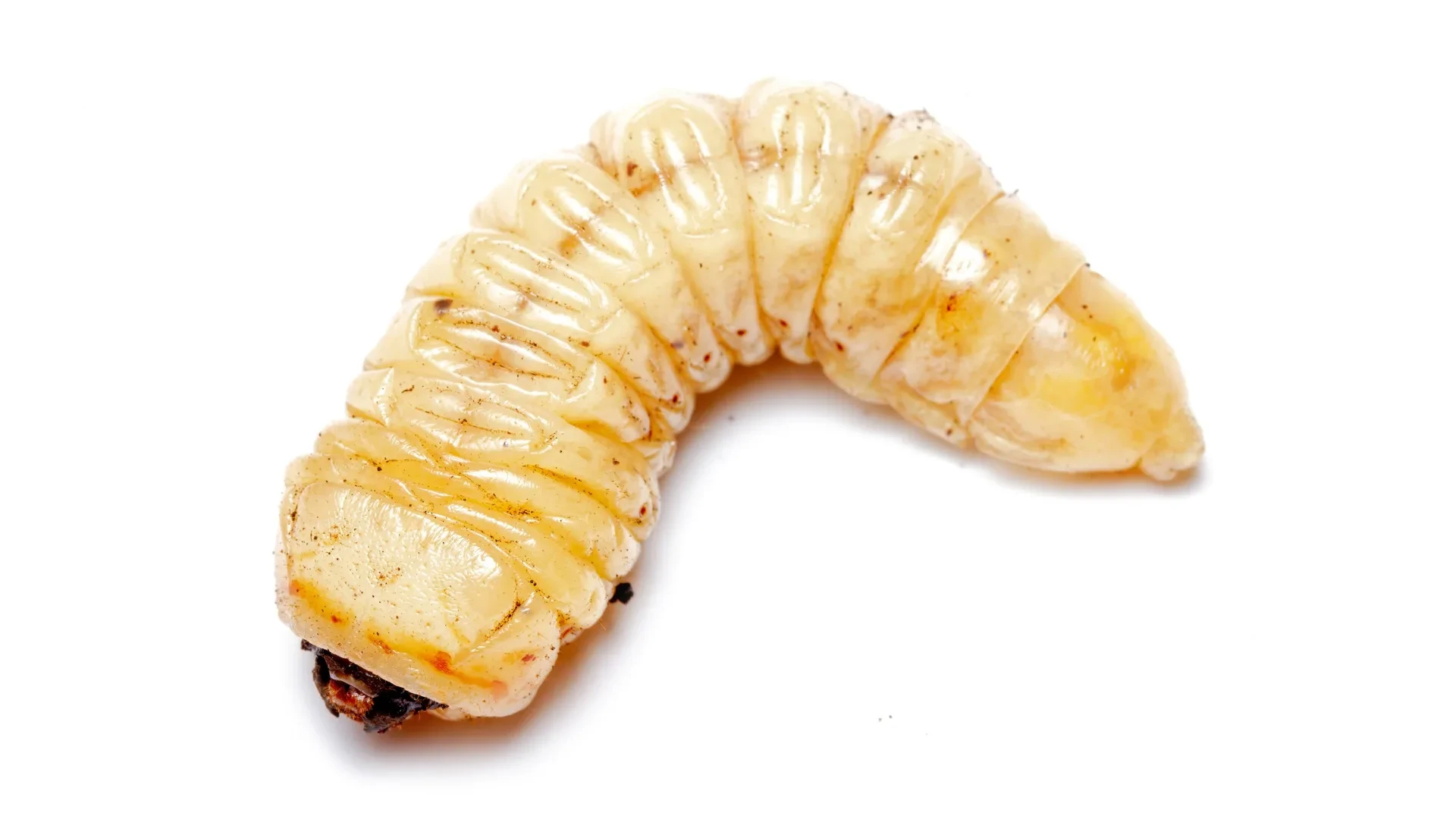
North Carolina’s agricultural sector, renowned for its rich agricultural output and vibrant specialty crops, is facing an emerging and previously confounding threat from a destructive beetle whose voracious larvae feed entirely underground. For years, these subterranean pests have quietly gnawed away at the delicate root systems of blueberry bushes, weakening plants and occasionally causing total crop failure. Now, after more than a decade of uncertainty, a dedicated research team at North Carolina State University has successfully identified the exact insect responsible, marking a critical and long-awaited first step toward safeguarding the state’s valuable blueberry fields from further agricultural devastation.
The research team, operating out of NC State’s esteemed College of Agriculture and Life Sciences, has officially confirmed that the culprit is Prionus imbricornus, a distinct species of longhorn beetle readily recognized by its unusually long antennae. These wood-boring insects, while fascinating to entomologists, are rapidly becoming a severe economic concern for commercial blueberry producers throughout the southeastern region of the state, where the crop represents a vital component of the local agricultural economy.
The life cycle of the beetle begins when female adults deposit their eggs directly into the soil, typically choosing spots in close proximity to the root systems of hardwood trees. Once the eggs hatch, the emerging larvae make their way downward to begin feeding aggressively on plant roots. In severe cases, the feeding activity is intense enough to destroy essential root tissue, ultimately leading to the death of the host plant. These subterranean larvae are notable not only for their destructive habits but also for their impressive physical size, capable of growing up to a remarkable five inches in length. Interestingly, while the larval stage wreaks havoc underground, the adult beetles do not feed at all, focusing their brief adult lifespan entirely on reproduction.
A Decade-Old Mystery Beneath Blueberry Fields
North Carolina holds the unfortunate distinction of being the very first state to formally document P. imbricornus expanding its feeding habits to target cultivated blueberry bushes. However, physical evidence of a troubling underground phenomenon has been puzzling local growers and agricultural extension agents for years. Early reports detailing mysterious, unidentified Prionus larvae inflicting substantial damage on blueberry root systems date all the way back to 2010. Despite the persistent nature of the damage, researchers historically struggled to pin down precisely which species was responsible for the destruction.
A significant portion of the investigative challenge stemmed from the insects’ deeply concealed underground habitat. Because the larvae remain tightly associated with plant roots deep beneath the soil surface, locating, capturing, and studying them in real time has proven exceptionally difficult for field researchers. Compounding this challenge is a frustrating biological quirk: larvae belonging to different species of longhorn beetles frequently look remarkably similar to one another. This visual uniformity rendered traditional physical identification methods entirely unreliable, leaving scientists unable to differentiate the blueberry-destroying larvae from other harmless or differently behaving beetle species.
According to Kenneth Geisert, a graduate student in NC State’s College of Agriculture and Life Sciences and the lead author of the newly published study, this prolonged period of scientific uncertainty created substantial roadblocks when it came to formulating appropriate and effective pest management strategies for commercial growers.
"Before now, researchers often just assumed the species of Prionus on their commodities based on adult identification," Geisert explained, highlighting the historical limitations of field diagnostics. "If that guess was incorrect, it could mean using a treatment strategy that did not line up with the problem and incorrectly associating species and their hosts. For instance, while P. imbricornus attacks roots, another type of longhorn beetle might attack the trunk of a tree, or dead branches. Without knowing which species of beetle you’re dealing with and their ecology, incorrect management can cause adverse effects on non-target insects."
DNA Analysis Reveals the Mystery Beetle
To finally unmask the subterranean insects, the research team designed a comprehensive field study spanning six commercial blueberry farms located across a cluster of agricultural counties in southeastern North Carolina, specifically targeting Pender, Sampson, Bladen, and New Hanover counties.
To capture the adult beetles for study, the scientists deployed specialized black panel traps equipped with sex pheromones—potent chemical signals specifically designed to attract adult beetles from the surrounding environment. Following the successful collection of the insects in the field, the research team utilized an advanced molecular identification technique known as genetic barcoding to definitively determine the genetic makeup and identity of the larvae unearthed from beneath the damaged blueberry bushes.
This sophisticated scientific method operates by examining short, highly standardized sections of an organism’s DNA, which are subsequently compared against extensive reference databases containing genetic sequences from known, cataloged species. By carefully matching the genetic material extracted from the unidentified larvae with the established DNA profiles of adult Prionus beetles collected in the pheromone traps, the researchers were able to establish a definitive link between the above-ground adults and the below-ground larvae.
The results of the molecular analysis were striking and conclusive, producing an exact 98 to 99 percent genetic match with P. imbricornus. This definitive genetic confirmation finally put to rest a decade of speculation, clearly identifying the specific beetle species responsible for the persistent root damage plaguing local growers.
A Growing Threat With No Approved Insecticides
While successfully identifying the exact pest represents a monumental scientific breakthrough and a vital turning point for the industry, it simultaneously sheds light on a stark and sobering reality for blueberry producers operating in the region.
Lorena Lopez, an assistant extension professor in NC State’s Department of Entomology and Plant Pathology and a co-author of the research study, noted that the breakthrough discovery delivers a complex mix of encouraging news and immediate practical hurdles.
"On one hand, it’s very important that we know which species we’re dealing with," Lopez stated, emphasizing the necessity of accurate identification for long-term agricultural health. "On the other, North Carolina was the first state to ever report Prionus infestation in blueberries, and there are no insecticides currently labeled against this pest in blueberries."
The lack of pre-approved chemical controls means that growers currently have very few regulatory-approved tools at their disposal to combat active infestations in their fields. To help bridge this critical gap, Lopez has already initiated trials aimed at testing various insecticides to determine which specific treatments might hold the most promise for effectively controlling the beetle populations without harming the surrounding environment.
A primary focus of these ongoing trials is determining the optimal timing for agricultural chemical applications. By closely coordinating insecticide treatments with the natural reproductive cycles of the beetles, the research team hopes to disrupt larval development during its earliest stages, well before the insects can inflict extensive, irreversible damage on the root systems of the blueberry bushes.
If these targeted treatment strategies prove successful, they could provide regional farmers with a desperately needed defense mechanism against an emerging pest that has managed to evade proper identification and evade effective management protocols for well over a decade.
The complete findings of the research team have been formally published in the Journal of Integrated Pest Management. The comprehensive paper, titled "Prionus imbricornis (Coleoptera: Cerambycidae), an emerging pest in North Carolina blueberries," also details the contributions of Gareth Powell, an assistant professor at NC State and the director of the NCSU Insect Museum, who played an integral role in supporting the investigative efforts.