For generations, the standard blueprint for global exploration has remained largely extractive and passive. Travelers board planes, arrive at foreign destinations, snap photographs of the exact same iconic landmarks captured by millions before them, dine at establishments recommended by mainstream guidebooks, and frequent tourist-centric bars. While excursions and guided tours offer brief educational insights into local history, and chance encounters occasionally introduce a traveler to a resident, the overarching experience rarely pierces beneath the surface. True immersion remains elusive.
Even long-term travelers who pride themselves on rejecting the traditional tourist label often fall into the same behavioral patterns. They simply execute the familiar routine at a slower pace while exercising heightened financial thrift.
While there is no inherent flaw in this approach—it is simply the structural reality of modern leisure travel—the romanticized ideal of dropping effortlessly into a foreign culture, forging deep bonds with locals, and living out a cinematic narrative rarely materializes. Transient visitors are simply passing through. Consequently, most local residents have little desire or incentive to cultivate friendships with fleeting tourists, meaning meaningful local interaction remains the exception rather than the norm.
Developing a genuine understanding of a destination requires time and presence. The most transformative journeys almost universally involve making a tangible contribution to a community and remaining in one place long enough to establish authentic relationships. Being genuinely embedded within a region yields a vastly different perspective than merely observing it from the outside.
A growing sentiment among experienced global travelers suggests that modern exploration should incorporate an element of giving back. Historically, identifying legitimate, vetted organizations capable of making a measurable positive impact on local communities presented a significant logistical challenge. Today, however, an array of specialized organizations exists to connect travelers with meaningful volunteer placements, paid international jobs, and structured global experiences. Among the most prominent entities in this sector is Global Work & Travel, which provides curated international opportunities spanning nearly two decades of operation.
What Global Work & Travel Does
Operating as the world’s largest gap year organization, Global Work & Travel has facilitated international placements for more than 116,000 individuals across the United Kingdom, Europe, the Americas, Asia, Africa, and the Pacific. Their comprehensive portfolio encompasses working holidays, volunteer programs, teaching positions, and structured internships.
Even for seasoned travelers, the prospect of relocating abroad presents formidable logistical hurdles. Securing employment in an unfamiliar market, navigating permanent housing arrangements without falling into months-long shared room leases, calculating daily transportation costs, and competing against local candidates in interview processes represent only the preliminary considerations for long-term travelers.
To mitigate these challenges, structured placement organizations supply a vital operational safety net. By handling job matching, pre-departure support, visa navigation, and ongoing assistance via integrated digital management portals—such as the gWorld trip management app—these companies remove the friction that often deters prospective travelers. For first-time expatriates, this scaffolding frequently dictates whether an individual successfully embarks on an international journey or abandons the plan during the deliberation phase.
Why Working Holiday Makers Are the New Digital Nomads
Over the past decade, the concept of the digital nomad has served as the ultimate aspiration for location-independent long-term travel. The formula appeared straightforward: maintain a remote career, earn income in a robust currency, reside in a destination with a lower cost of living, and repeat.
Nevertheless, this lifestyle model exclusively serves a narrow demographic. Success requires an established remote profession, a sustainable income threshold, and a degree of professional stability that younger travelers and early-career professionals rarely possess.
Working holiday programs fundamentally invert this paradigm. Rather than importing an existing remote occupation, participants secure employment directly upon arrival. This approach integrates the traveler into the local economy rather than allowing them to float above it as an isolated outsider. Social connections develop naturally through the workplace and local community rather than being restricted to coworking hubs or short-term hostel common rooms. Participants construct a tangible daily routine and a temporary life rather than cycling through transient accommodations.
In practice, working holiday participants often experience a more grounded and accessible variant of the lifestyle commonly associated with digital nomadism. Far from merely passing through, these individuals maintain professional colleagues, structured schedules, and compelling reasons to extend their stay well beyond the standard vacation window. This structure maximizes the potential for enduring personal connections.
Furthermore, this model remains far more attainable for the general population. It obviates the necessity of owning a remote enterprise or accumulating years of specialized career experience, requiring instead a foundational willingness to relocate paired with an organized logistical framework.
This dynamic explains an observable shift in modern travel preferences. Inquiries are increasingly transitioning away from methods of remote work toward broader strategies for living and working abroad for extended periods. Structured international programs directly address this demand by dismantling administrative barriers—such as job placement and visa processing—thereby translating travel aspirations into actionable reality.
Why Volunteering Matters
The landscape of international volunteering carries a complex reputation that warrants candid evaluation. The global market includes numerous programs that fail to deliver genuine community benefits, functioning instead as profit-driven enterprises designed primarily to offer transient psychological gratification to travelers. Addressing this concern requires rigorous vetting of initiatives across wildlife conservation, community development, education, and healthcare.
Conversely, ethical and meticulously structured volunteer initiatives offer substantial, demonstrable value. Collaborating directly with local communities in regions such as Zanzibar to address self-identified priorities, engaging in African wildlife conservation in South Africa, or participating in elephant rehabilitation efforts in Thailand fundamentally alters a traveler’s global outlook.
Beyond providing direct assistance to host communities and fragile ecosystems, these structured engagements illuminate the authentic struggles and systemic needs of local populations. This exposure broadens perspectives in ways traditional tourism cannot replicate. Furthermore, dedicated funding mechanisms, such as specialized animal welfare funds, channel additional resources directly into conservation partner sites, ensuring that the impact endures far beyond individual volunteer tenures.
What I Love About Working Holidays
Working holidays redefine travel from a temporary respite into a comprehensive lifestyle model. By integrating into daily community routines, participants gain an authentic window into foreign cultures. The structure naturally facilitates interactions with both local residents and fellow international travelers, laying the groundwork for substantial personal relationships.
Crucially, earning an income while traveling extends the viable duration of a journey, liberating travelers from the compressed itineraries characteristic of standard vacations. This extended timeline allows for the discovery of regional nuances and a deeper comprehension of domestic lifestyles across different cultures. Additionally, participating in international work environments cultivates professional competencies, enhances resumes with cross-cultural experience, and offsets fundamental travel expenses.
What I Like About How Global Work & Travel Operates
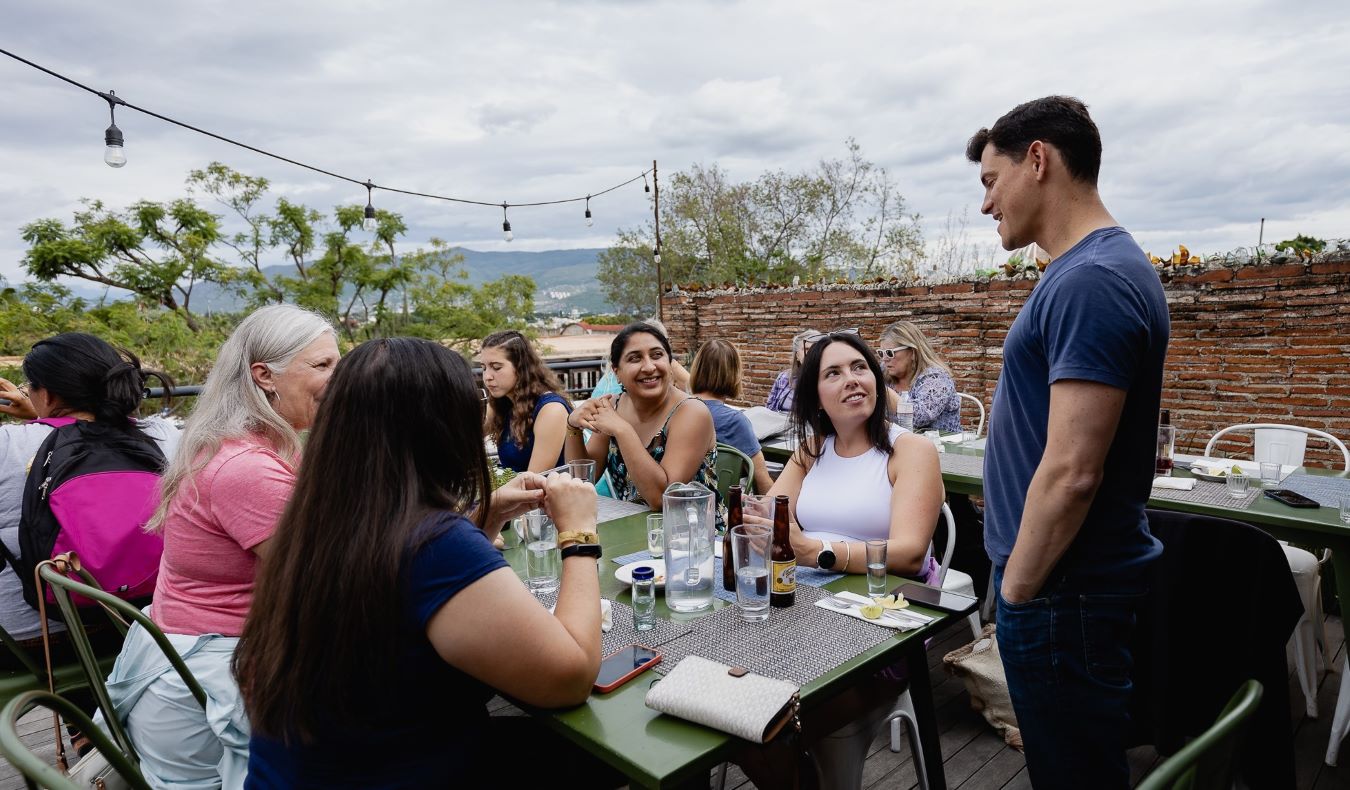
As global leaders in extended international travel, organizations like Global Work & Travel maintain diverse operational offerings designed to accommodate varied traveler objectives, whether through employment, volunteerism, or long-term cultural immersion. The emphasis remains on comprehensive support systems that safeguard participant investments and streamline the transition into foreign environments.
Frequently Asked Questions
For those considering international employment, the prerequisite criteria vary by program, though most basic working arrangements require minimal prior work experience. Specialized educational initiatives frequently incorporate comprehensive training components, such as Teaching English as a Foreign Language (TEFL) certification, while many volunteer tracks welcome absolute beginners.
Regarding age parameters, the majority of international programs initiate eligibility at age 18. While working holiday visa regulations commonly establish an upper age limit of 35 depending on the destination jurisdiction, volunteer and teaching placements frequently accommodate participants up to 80 years of age.
The timeline required for preparation fluctuates according to the specific destination and program type. Industry recommendations generally advise initiating the planning process six to twelve months in advance to accommodate visa quotas, job placement coordination, and administrative requirements. Financial entry points for certain programs are structured to accommodate flexible initial deposits.
Financial security remains a primary consideration for prospective travelers. Flexible deposit policies often ensure that initial financial contributions retain validity over extended periods, while formal consumer protection memberships offer additional safeguards against unforeseen logistical disruptions.
Solo travelers represent a significant proportion of participants in international work and travel programs. Built-in community platforms and group-oriented placement structures are specifically designed to integrate solo participants into established peer networks rapidly upon arrival.
Global exploration has consistently delivered its most enduring memories during moments defined by active engagement rather than passive observation. The experiences that resonate years later rarely stem from queuing at overcrowded historical monuments; instead, they emerge from direct human connection and purposeful activity.
Modern structured placement platforms have democratized access to deep international engagement in ways previously unavailable to everyday travelers. For individuals deterred by complex bureaucratic logistics, comprehensive international programs provide a viable pathway from conceptual planning to realized global mobility.