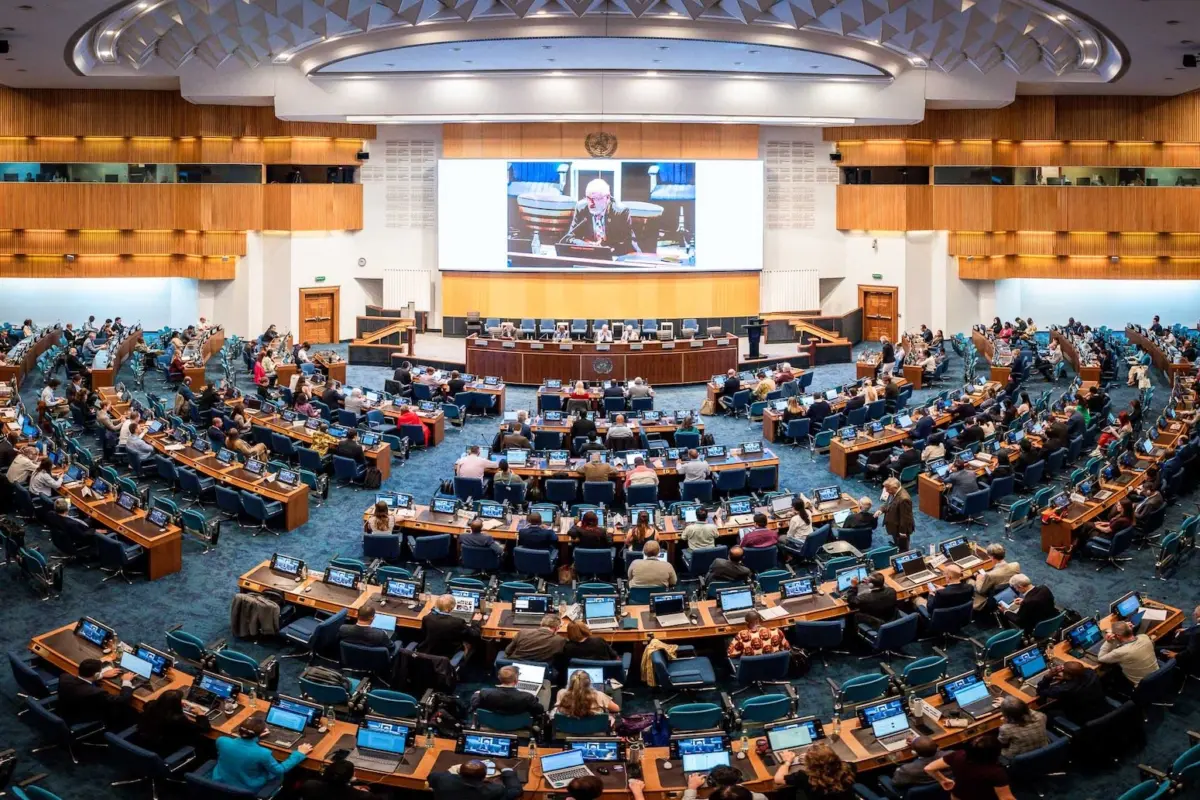
Countries have failed for the sixth consecutive time to reach an agreement on the publication timeline for the Intergovernmental Panel on Climate Change’s influential upcoming assessments, plunging the scientific body into an unprecedented scheduling deadlock and a deepening financial crisis.
The Intergovernmental Panel on Climate Change’s 65th session (IPCC-65), hosted in Addis Ababa, Ethiopia, was widely viewed by delegates and observers as the final opportunity for governments to lock in a schedule that would see the seventh assessment report (AR7) published in time to inform the United Nations’ second "global stocktake" of climate action.
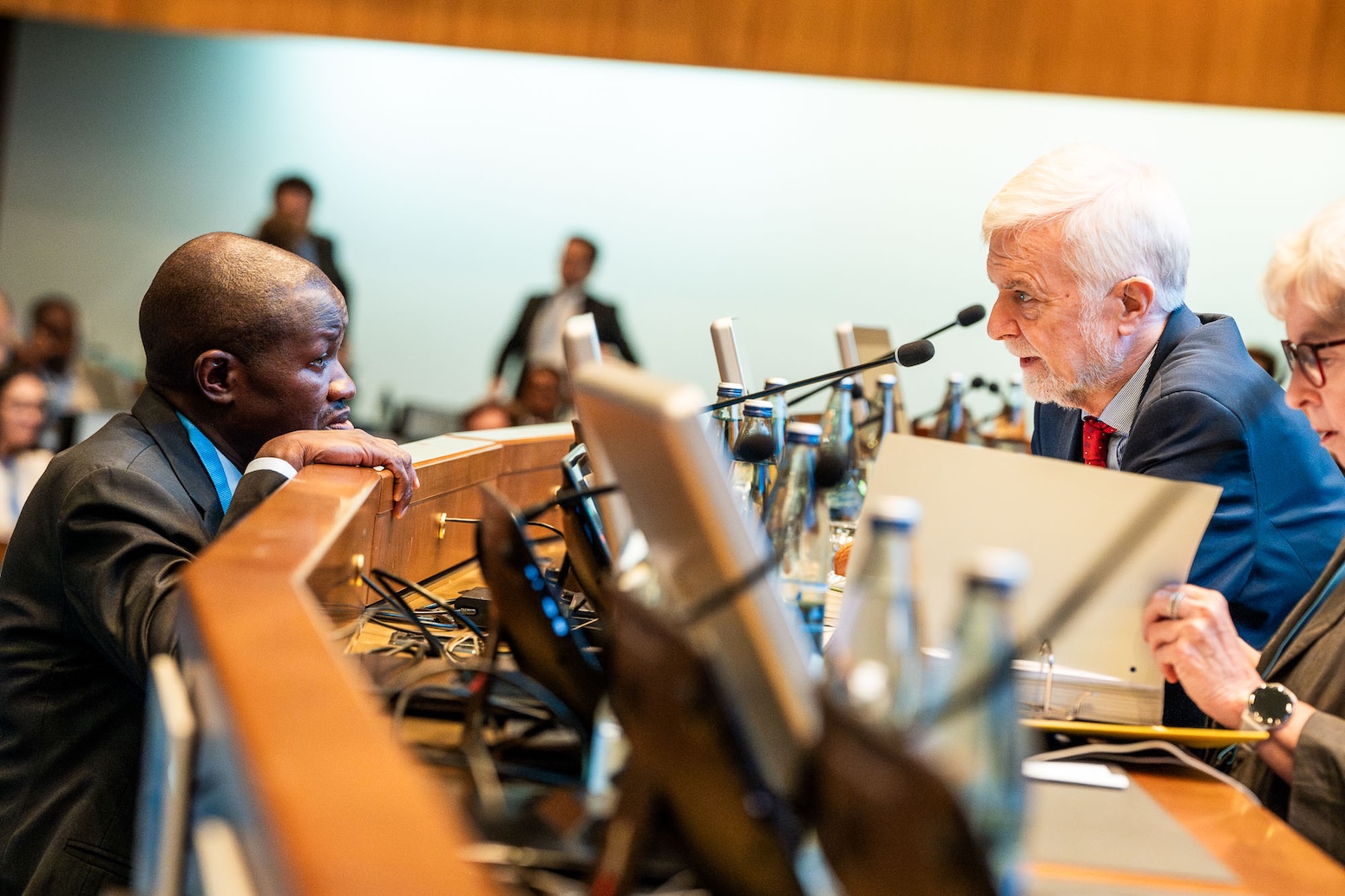
Prior to the week-long summit, IPCC chair Prof Sir Jim Skea had issued strong warnings that releasing the vital working group reports in time for the stocktake in 2028 depended entirely on member governments agreeing to a firm timeline by the end of 2026. However, the high-stakes negotiations descended into fraught disagreements between delegations. With consensus out of reach, Skea was forced to suspend the talks on Friday evening, leaving critical decisions on both the schedule and the organization’s budget completely unresolved.
What Timeline Options Were Delegates Debating?
At the core of the agenda in Addis Ababa was the work plan for AR7, which encompasses three primary working group reports covering physical climate science, impacts and adaptation, and mitigation. Despite drafting being well underway, countries had already failed to reach a resolution on scheduling across five consecutive plenary meetings held in Istanbul, Sofia, Hangzhou, Lima, and Bangkok since 2024.
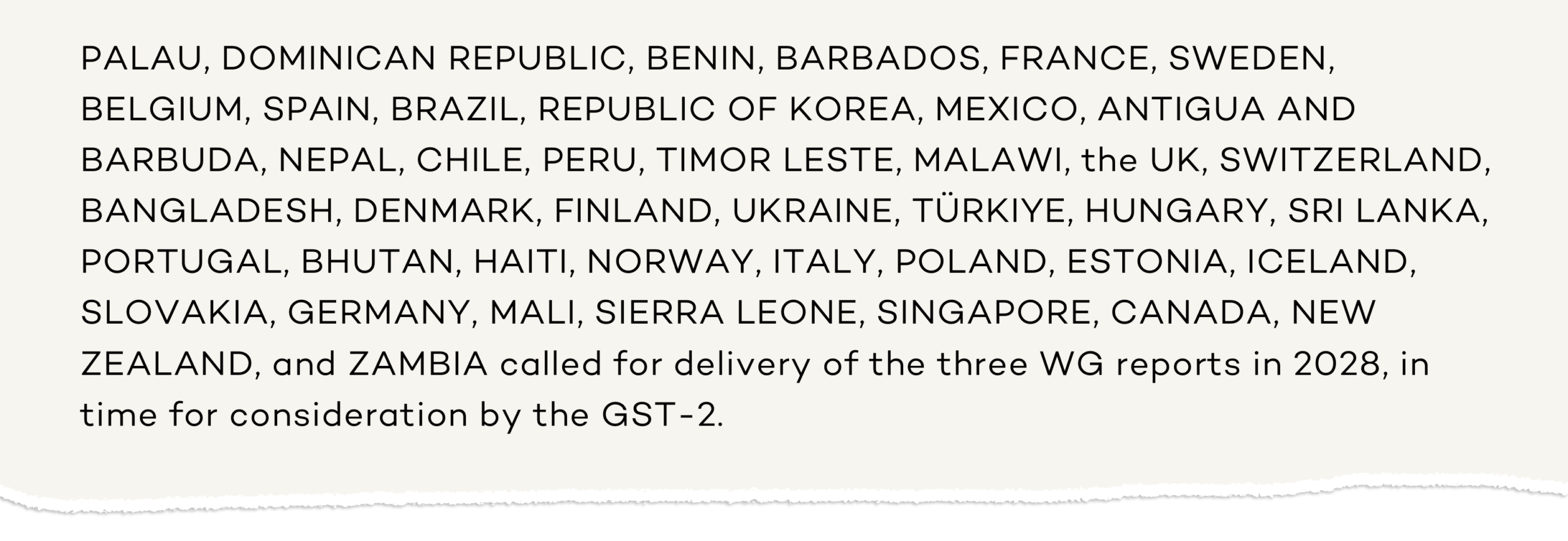
Delegates remained broadly divided into two distinct factions. One camp, comprising a coalition of developed nations and vulnerable small-island developing states, strongly advocated for all three reports to be published in advance of the UN’s second global stocktake in 2028. The global stocktake is a foundational pillar of the Paris Agreement designed to comprehensively assess collective global progress on tackling climate change and guide future national emissions targets and climate finance decisions.
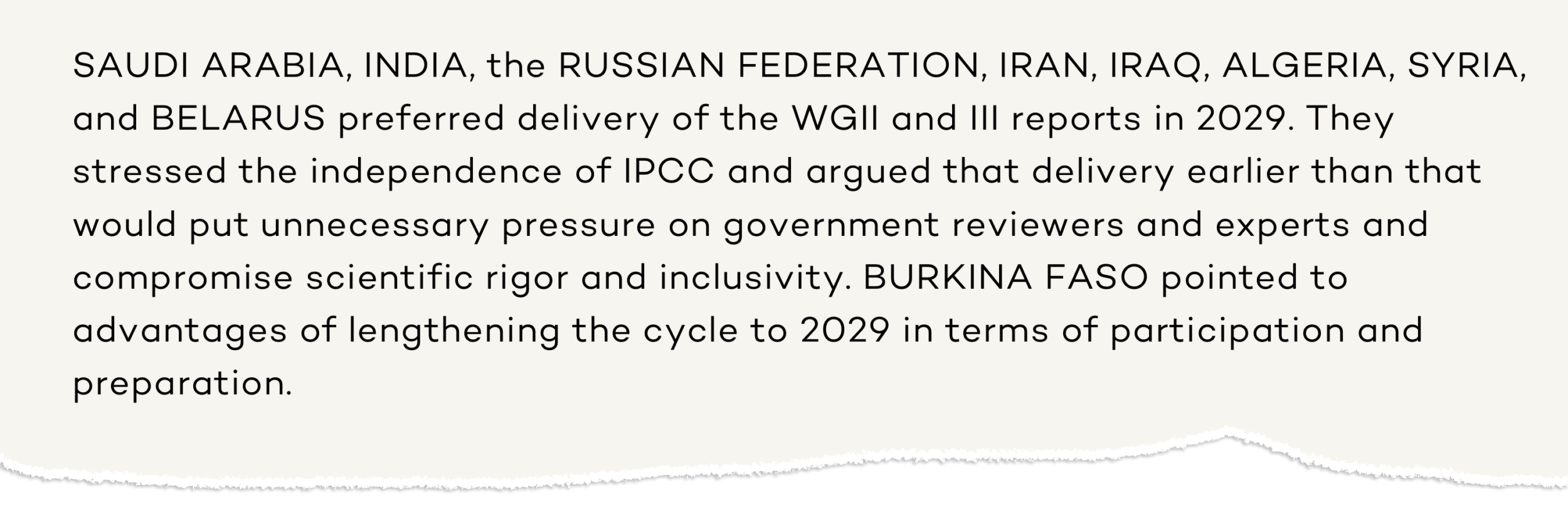
Conversely, a bloc of countries led by nations such as India, Kenya, Russia, and Saudi Arabia pushed for a timeline that would see the reports on climate impacts and mitigation published after the stocktake. These governments argued that developing nations need significantly more time to adequately prepare, review, and approve the comprehensive working group documents.
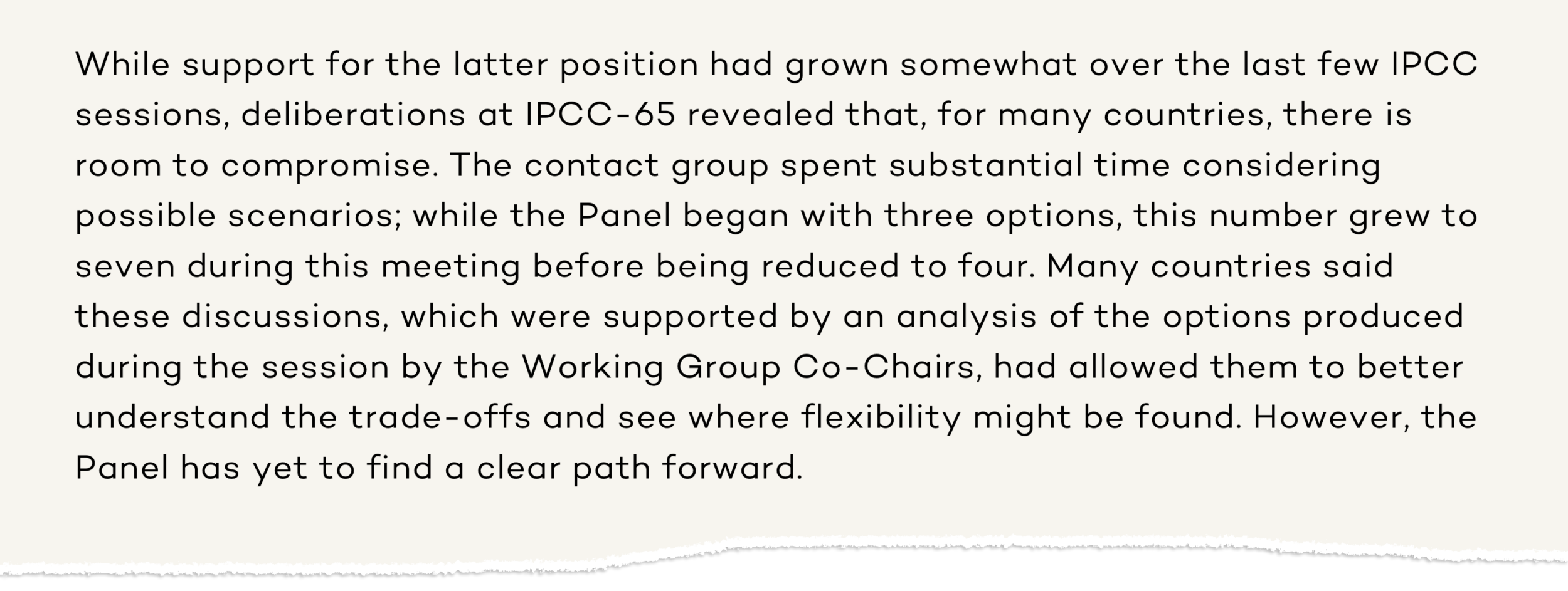
Ahead of the Addis Ababa gathering, the IPCC secretariat had put forward three distinct timeline options. These proposals mapped out varying approval windows for Working Group 1 through Working Group 3, spanning from mid-2028 through mid-2029. As negotiations intensified on the ground, the number of competing options briefly ballooned to seven before being whittled down to four by the final days of the summit.
How Did the Timeline Discussions Unfold?
Proceedings began on Monday when Chair Jim Skea established a contact group, co-chaired by Brazil and Ireland, to untangle the timeline issue. By Friday morning, the contact group reported back to the plenary that a consensus remained distant.
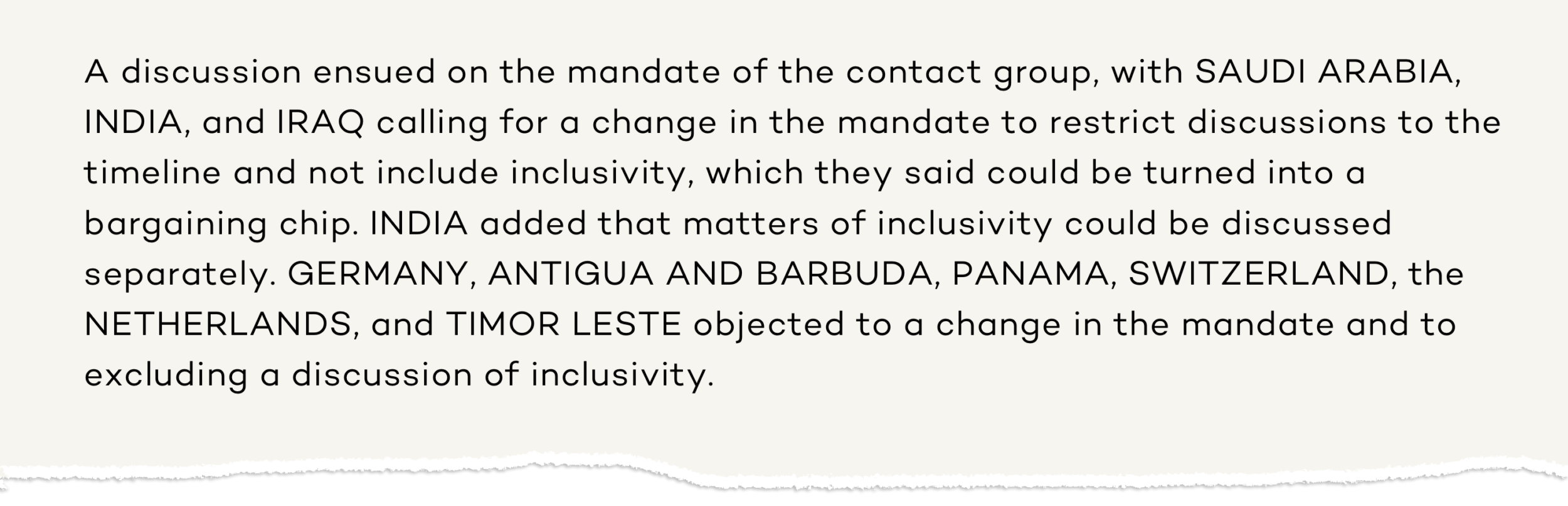
By Friday afternoon, four main timeline proposals remained on the table, including the three original options put forward by the secretariat alongside a new proposal introduced by Haiti. The IPCC secretariat subsequently presented a draft decision to the plenary aimed at capturing the progress made during the week, offering various pathways for moving forward and addressing inclusivity concerns.
However, delegations quickly found themselves at an impasse over the draft text. With several developing country delegations announcing hard deadlines for departure or already having left the venue—including representatives from Antigua and Barbuda, Nepal, and other small-island states—Chair Skea moved to suspend the meeting at 8:29 pm on Friday, noting that continuing under such circumstances would lack inclusivity.
What Were the Main Points of Disagreement?
The five-day summit was marked by sharp rhetorical clashes and fundamental disagreements over strategy. Proponents of a stocktake-aligned schedule argued that delaying the scientific assessments would directly disadvantage vulnerable nations currently bearing the brunt of climate impacts. Pointing to recent international legal opinions regarding state obligations to protect the climate, front-line nations emphasized that every year of delay leaves vulnerable communities without critical scientific tools.
On the other side of the debate, nations favoring a more extended timeline insisted that the global stocktake could utilize alternative sources of scientific information if the IPCC reports were not ready. China argued against linking IPCC reports directly to the global stocktake, while other delegations stressed the importance of ensuring developing nations could participate in the review processes on an equal footing without feeling rushed.
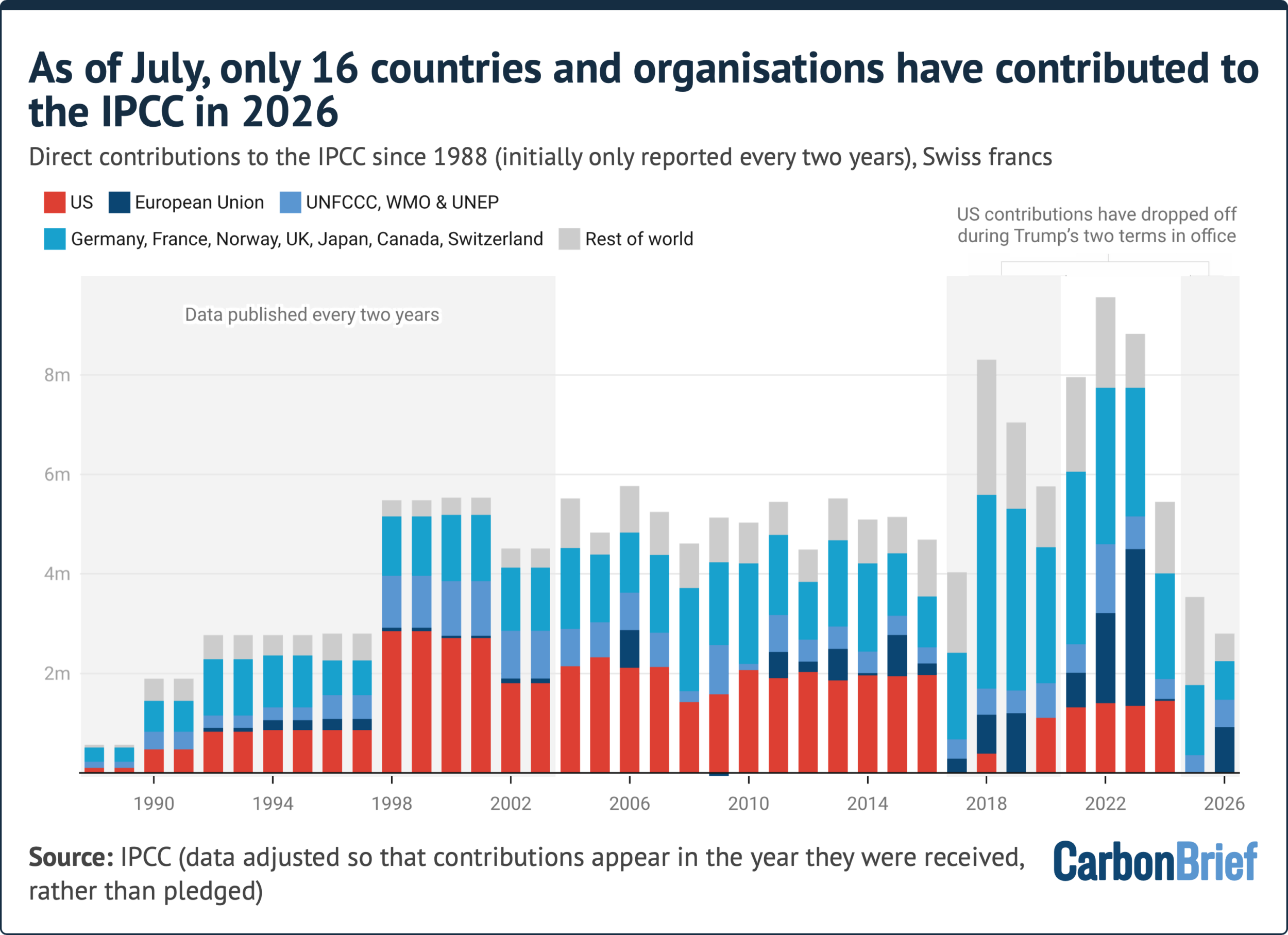
Tensions also flared over the mandate of the contact group and the characterization of the timeline proposals themselves, with proponents labeling accelerated schedules as "rushed" while opponents characterized extended timelines as "delayed." When a draft decision was finally brought to the plenary, several countries rejected it outright, leaving the core dispute completely unresolved.
Why Is the IPCC in a Serious Funding Crisis?
The scheduling deadlock is inextricably bound to a severe financial crisis facing the IPCC trust fund, which finances author meetings, approval sessions, and travel support for experts from developing countries. At the start of the summit, the secretariat presented a proposed budget for the 2026–2029 cycle totaling approximately 33 million Swiss francs, warning of growing annual deficits and a rapidly declining cash balance.
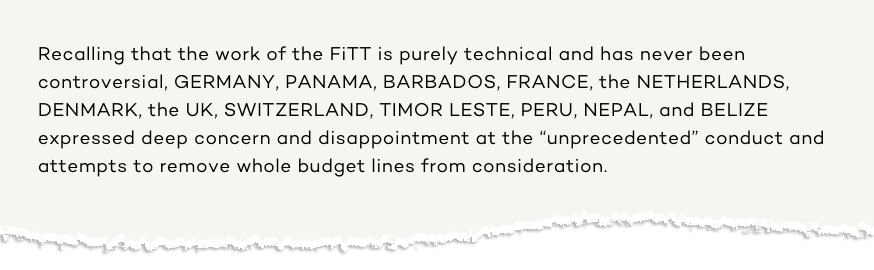
The IPCC’s funding model relies heavily on voluntary contributions from member governments alongside core contributions from parent organizations like the World Meteorological Organization and the UN Environment Programme. However, contributions have fallen significantly behind rising operational costs. Notably, the United States—historically the IPCC’s largest financial donor—has not contributed financially since 2024.
With contributions in 2025 dropping steeply compared to previous years, the secretariat warned that the trust fund faces total depletion by the end of 2028 unless funding increases. Despite widespread acknowledgment of the crisis, budget negotiations stalled as certain delegations reportedly threatened to block the budget entirely unless their conditions regarding the AR7 timeline were met. Efforts by the Financial Task Team to review expenditure lines encountered fierce resistance, leaving the panel unable to approve even basic core budgets for the upcoming years.

How Have Scientists and Observers Reacted?
In his closing address, a visibly frustrated Chair Jim Skea described the Addis Ababa summit as a profound disappointment and among the most difficult meetings in the organization’s history. Observers and scientific leaders echoed these concerns, warning that the paralysis threatens to undermine the essential science required for global climate policymaking.
In the wake of the suspended meeting, nearly 200 contributing scientists signed an open letter reaffirming their commitment to producing rigorous, timely, and inclusive reports, stressing that the world should not have to navigate the upcoming global stocktake without the panel’s latest assessments. Climate analysts and participating delegates have urged the IPCC to reconvene before the end of the year to secure basic operating budgets and protect the integrity of the scientific process, even as the exact date and location of the next plenary session remain unconfirmed.