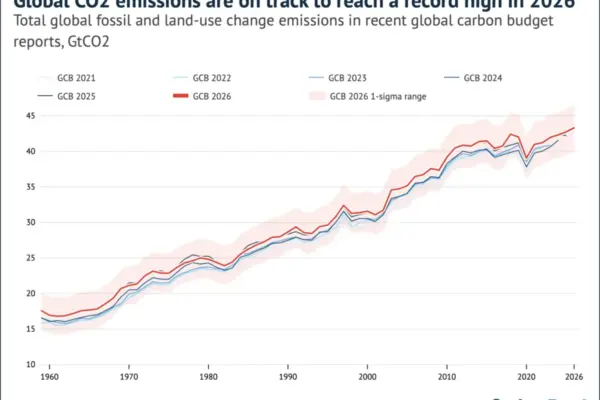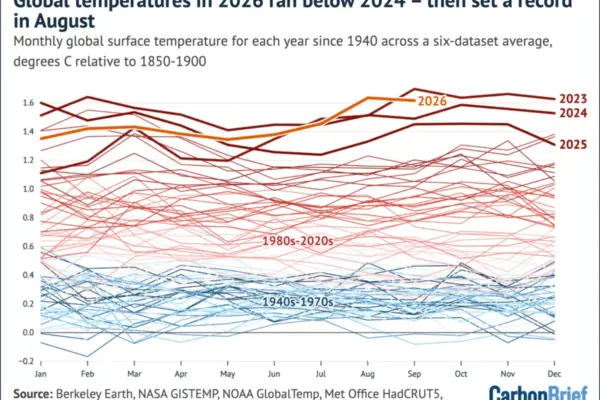
Delegates from around the globe are preparing to gather in the historic Turkish resort city of Antalya for the latest United Nations climate change negotiations. This year’s summit arrives against a deeply troubled backdrop defined by ongoing international conflict, a compounding energy crisis, and intensifying climate extremes that continue to ravage communities worldwide.
At COP31, nations face the monumental task of finding consensus on a series of deeply contentious issues. Chief among these are the provision of adequate climate finance to support developing economies in their green transitions and the establishment of a robust global framework to guarantee a just transition for workers and vulnerable industries.
What makes this summit particularly unique is its rare joint presidency structure. Under this arrangement, Australia is leading the diplomatic and political negotiations on the floor, while Turkey serves as the official host nation, welcoming thousands of diplomats, observers, and climate advocates to Antalya.
Beyond the formal negotiation rooms, Turkey is actively advancing its own national priorities as part of a broader action agenda. These priorities emphasize sweeping global targets for electrification, ocean protection, and a shift toward green industrialization. To help observers track the shifting positions of various countries and negotiating blocs across these critical themes, analytical trackers have captured data from roughly 100 official documents. These positions range from proactive priorities where nations are expected to lead the charge, to outright opposition on specific policy measures.
The Just Transition
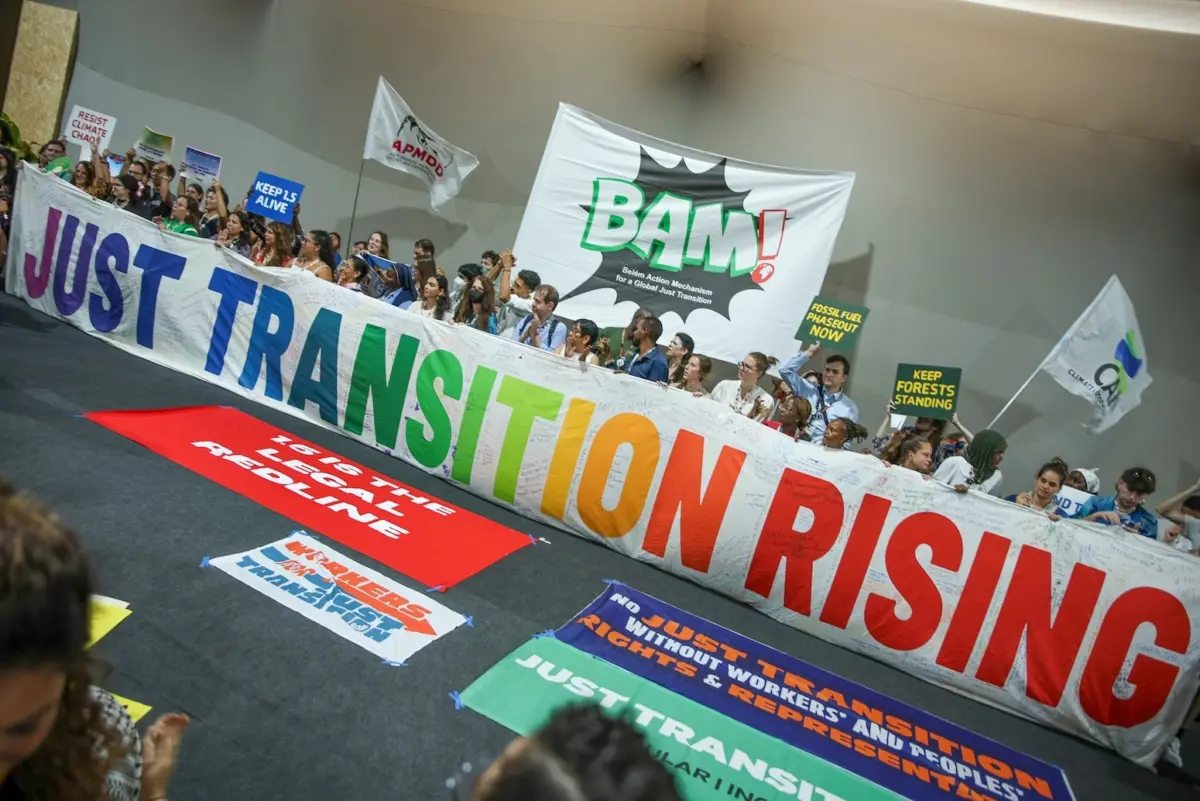
The framework for a fair and equitable shift away from fossil-fueled economies has long been a sticking point in international climate diplomacy. At COP30 held in Brazil, nations reached a landmark agreement to establish a practical mechanism designed to drive a just transition toward a cleaner global economy.
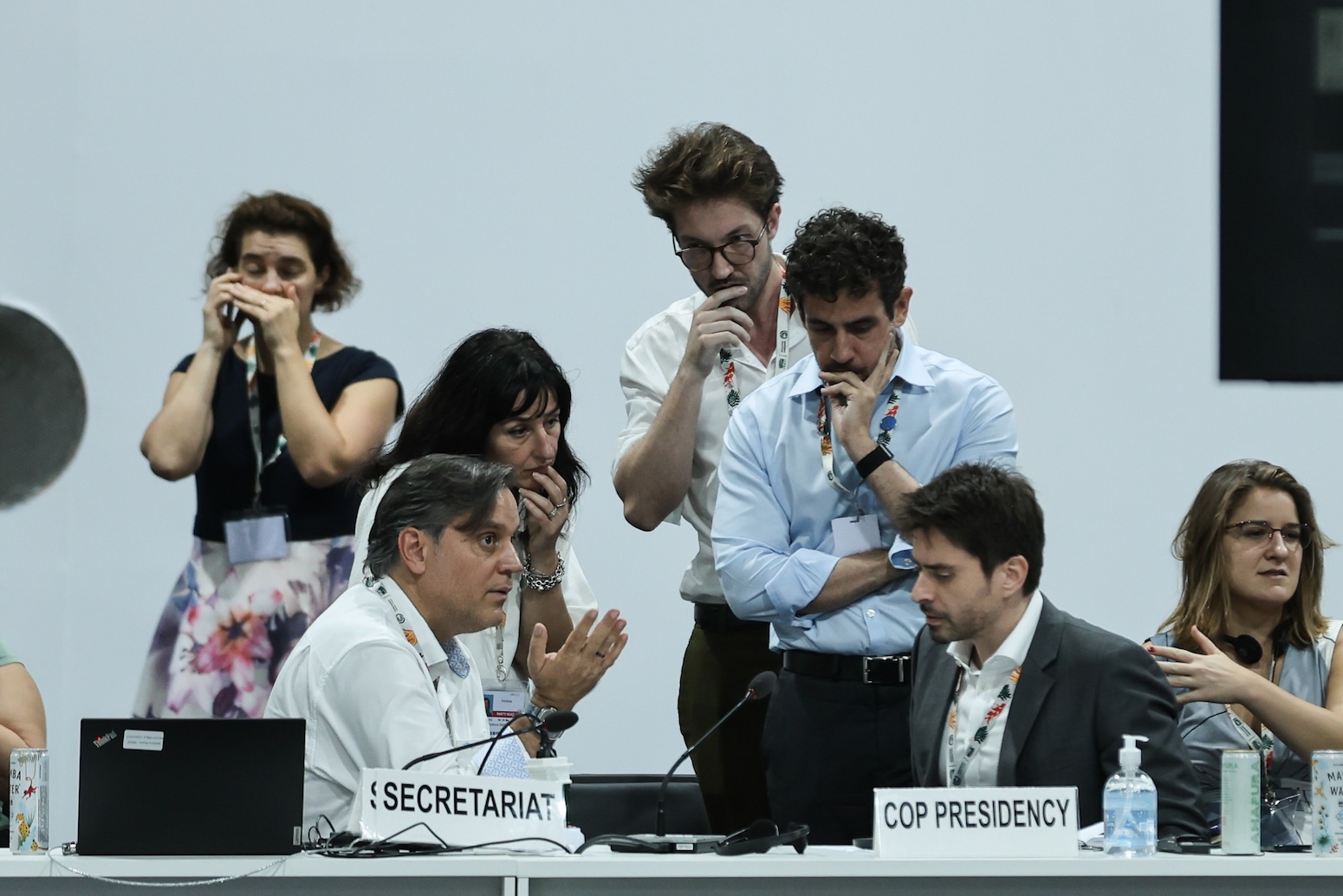
Key aspects of this initiative, commonly referred to as the Belém-Antalya mechanism or the just transition mechanism, were hammered out during the mid-year climate talks in Bonn. However, significant details remain unresolved, leaving distinct dividing lines between developed and developing nations. Parties have sparred over the precise scope of the mechanism and whether its activation should be strictly tied to formal commitments of financial support.
Despite these persistent disagreements and the lack of finalized text coming out of the June sessions, civil society groups and labor advocates have underscored that operationalizing the mechanism remains a central expected outcome of the Antalya summit. Within the confines of the just transition work programme, negotiators are under immense pressure to bridge the gaps and deliver a functional framework that protects workers and communities from the socioeconomic shocks of decarbonization.
Climate Finance
Climate finance remains perennial friction at UN climate summits, and COP31 is proving to be no exception. Developing countries have successfully fought to secure a dedicated work programme on climate finance right at the heart of the conference agenda.
For these nations, the work programme serves as a crucial pressure valve to compel wealthy, developed nations to scale up public funding provisions, pointing specifically to obligations under Article 9.1 of the Paris Agreement. Some developing blocs have even gone so far as to propose formal burden-sharing arrangements to ensure that climate finance contributions are distributed fairly among historical emitters.
This intense financial wrangling unfolds against a difficult macroeconomic and political landscape. Major international donors have recently announced cuts to their foreign aid budgets, while the shifting political climate in the United States—exemplified by the Trump administration—has put heavy pressure on multilateral development banks to strip back their internal climate objectives.
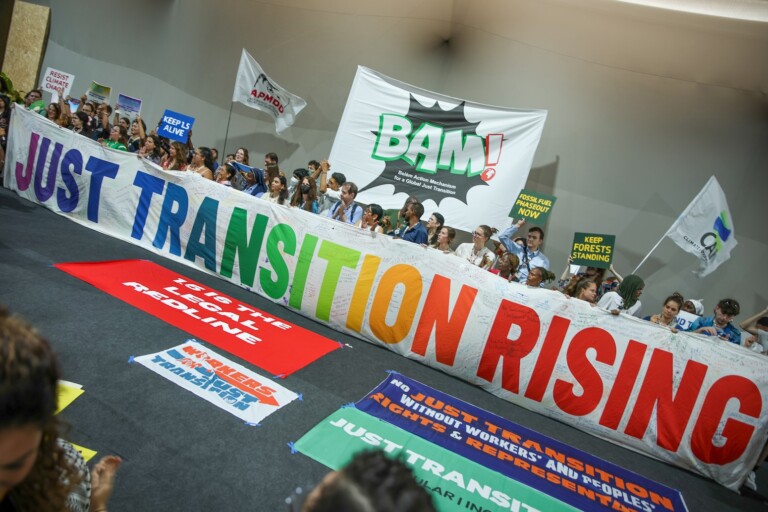
Conversely, developed nations, which have traditionally carried the primary financial burden, would prefer to keep the dialogue focused on broader systemic issues. Their preferred approach centers on improving developing nations’ access to existing capital pools and expanding the donor base to include emerging economies. Some vulnerable developing nations, such as low-lying small-island states, have expressed support for broadening access mechanisms, even as battles over public funding rage on.
Parallel discussions are also taking place regarding Article 2.1c of the Paris Agreement under the Veredas dialogue. This stream focuses on aligning all global financial flows with the overarching goals of climate action. However, deep divisions remain over what this alignment practically entails, with developing countries insisting that the primary focus must remain on the legal and financial responsibilities of wealthy nations to provide direct support.
Adaptation and Mitigation
Efforts to bolster global resilience and curb greenhouse gas emissions continue to face procedural and political roadblocks. During the June negotiating sessions, parties failed to reach a consensus on the fine details of the global goal on adaptation, which is designed to drive and measure climate adaptation efforts worldwide.
Following COP30, where nations agreed on a list of 59 distinct indicators to assess progress toward the global goal on adaptation, negotiators in Antalya must work to refine these metrics ahead of the subsequent summit in Addis Ababa. This is a highly technical and arduous process overseen by specialized taskforces tasked with figuring out how these indicators will be practically deployed and tracked.
Developing countries have consistently emphasized that the international community must prioritize funding for actual adaptation projects rather than getting bogged down in bureaucratic indicator-tracking. They are also demanding renewed reassurances regarding the unfulfilled promises made last year to triple adaptation finance.
On the mitigation front, progress has been similarly stagnant. Negotiators made virtually no headway during discussions on the mitigation work programme, which stands as the sole formal agenda item dedicated explicitly to cutting greenhouse gas emissions. Parties remain deadlocked over fundamental questions, such as whether the mitigation work programme should be extended for several more years or wound down entirely.
Global Stocktake and NDCs
The architecture of the Paris Agreement relies heavily on periodic assessments of collective progress, a process kicked off by the first global stocktake in 2023. That landmark stocktake mapped out the stark realities of global emissions and set forth a series of critical transition milestones, including transitioning away from fossil fuels, tripling renewable energy capacity, and halting and reversing deforestation by the end of the decade.
Yet, many of these core outcomes remain deeply contentious. Large developing nations and economies heavily reliant on fossil-fuel exports continue to push back against binding language, arguing that they require vastly expanded financial assistance and technological transfer to execute these transitions domestically.
Under the rules of the Paris Agreement, nations were required to submit updated climate plans—known as nationally determined contributions—informed by the findings of the first global stocktake. These updated pledges outline national emissions reduction targets extending out to 2035.
However, the deadline has seen widespread non-compliance. Only around 150 parties, representing roughly three-quarters of global greenhouse gas emissions, have submitted their new NDCs. Major emitters and economies such as Iran, Vietnam, Egypt, and Argentina have yet to submit their updated plans, while the United States has officially withdrawn its climate commitments under the Trump administration.
Pro-climate blocs, led by the European Union, have used the run-up to COP31 to stress the urgent necessity for lagging nations to submit ambitious new NDCs that strictly align with the Paris Agreement’s 1.5C temperature limit. Meanwhile, the Antalya summit will also witness the formal launch of the second global stocktake cycle, which is scheduled to conclude in 2028.
Action Agenda and Broader Initiatives
Recognizing the limitations of formal multilateral negotiations, the Turkish presidency has placed heavy emphasis on its parallel action agenda. This track is designed to champion concrete, real-world solutions through voluntary commitments from both governments and non-state actors, targeting areas such as global electrification, waste reduction, and building-sector emissions.
The Australian negotiating team has signaled its intention to incorporate some of these wider transition targets, particularly electrification goals, into a comprehensive cover text decision at the conclusion of COP31. To bridge the gap between high-level pledges and ground-level execution, the presidency has also introduced the climate implementation bridge, an initiative aimed at transforming national climate targets into investable project portfolios.
Beyond the formal halls of the summit, non-state actors and national coalitions are making their voices heard on specialized issues. In the weeks leading up to the conference, a coalition of 105 countries released a joint letter demanding that COP31 place the ocean at the very heart of global climate action by officially embedding marine conservation within the broader framework of the United Nations Framework Convention on Climate Change. As discussions get underway in Antalya, the ability of delegates to transform these diverse initiatives into binding, actionable commitments will determine the summit’s ultimate legacy.