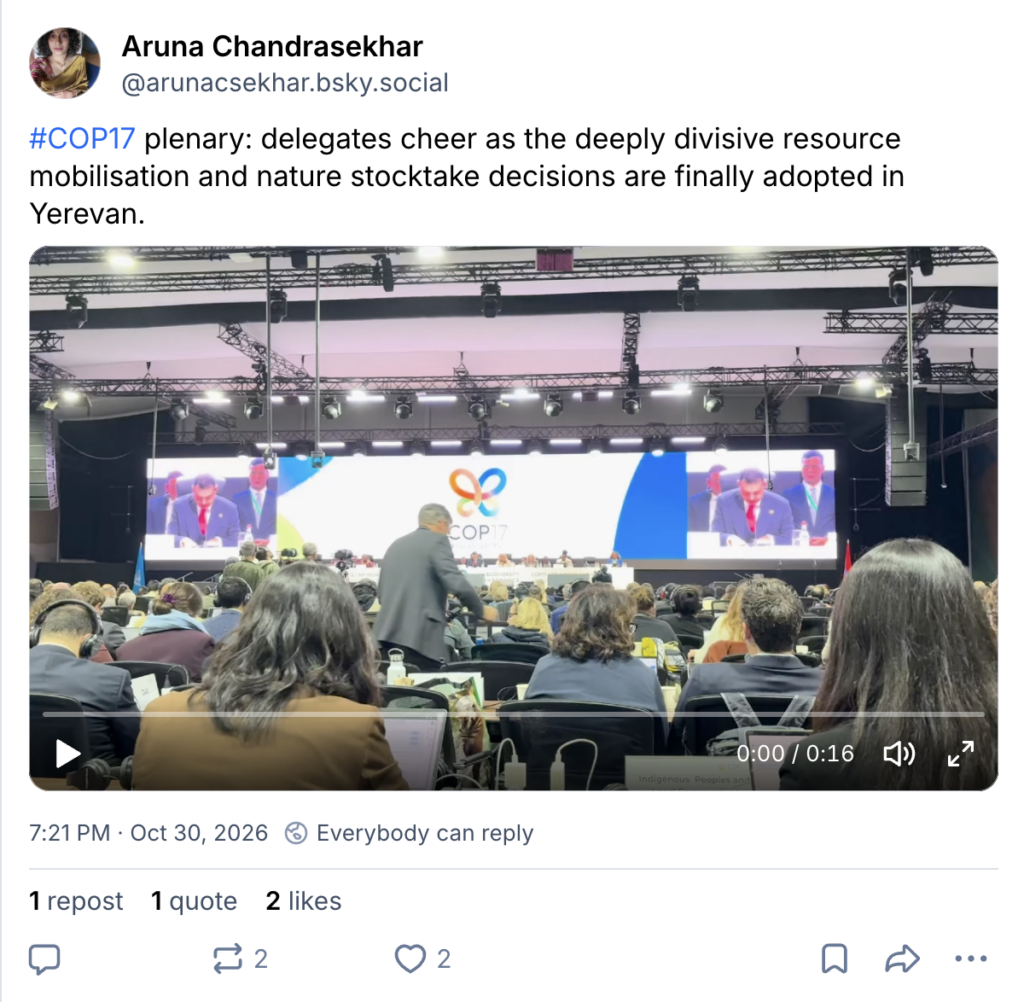
Countries have completed the first "global review" of their collective progress toward reversing nature loss by 2030 at the COP17 biodiversity talks in Yerevan, Armenia. Marking the halfway point of the Kunming-Montreal Global Biodiversity Framework (GBF)—often described as the "Paris Agreement for nature"—the two-week summit brought together thousands of delegates, ministers, and observers to evaluate how far the world has come since the landmark deal was struck in Montreal in 2022
.
The review notes with deep concern that, unless action is rapidly accelerated, the overarching goal to reverse nature loss and meet a set of 23 targets by 2030 will not be achieved. It urges countries to step up implementation, including by increasing ambition to address existing gaps. Much of the deliberation in Yerevan centered on how to raise the necessary funds to help developing countries protect nature, navigate deep political divisions over resource mobilization, and finalize mechanisms for genetic data and benefit-sharing.
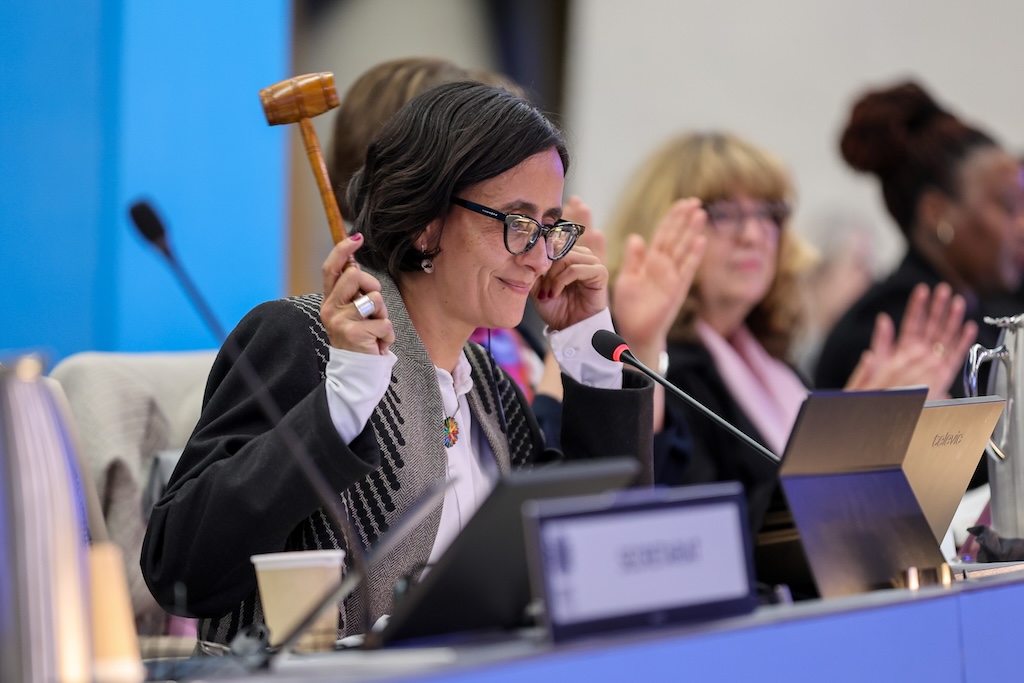
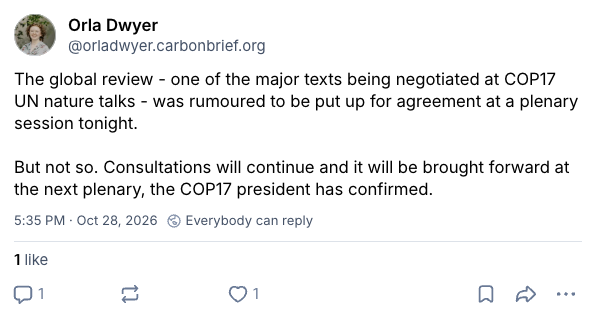
Unlike the previous summit in Cali, Colombia, which ran so far over time that the presidency lost quorum and forced talks to resume in Rome months later, countries at COP17 managed to sign off on all major negotiation texts. During a nearly 12-hour-long final plenary, delegates voted for Quito, Ecuador, to host the COP18 nature talks in 2028.
Formal Negotiations and the Finance Stalemate
Finance was predictably at the heart of discord and deadlock at the Yerevan talks. Discussions had to achieve two primary outcomes: taking stock of the biodiversity finance mobilized so far and agreeing on how to mobilize resources for the next four years to meet the GBF’s goals.
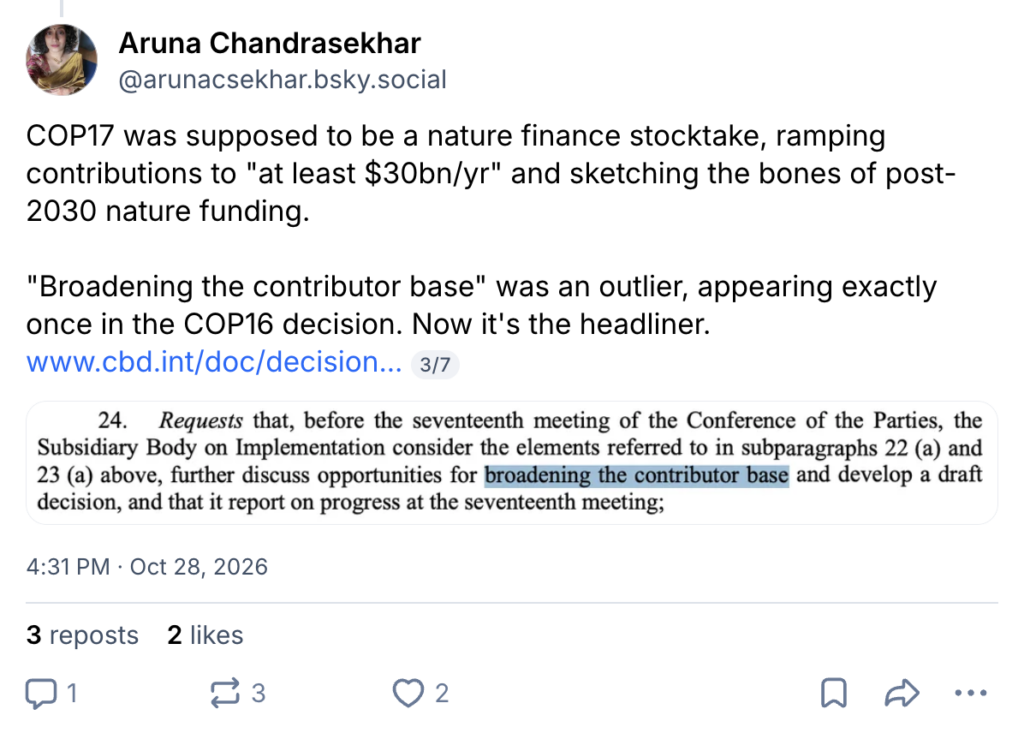
The global review noted that developed countries fell far short of their commitments to raise at least $20bn a year by 2025 for nature, with delegates pointing to falling aid levels and a sharp decline in environmental funding for the 2026-30 period. Meanwhile, calls to broaden the contributor base—debating whether emerging economies such as China, India, Saudi Arabia, and Qatar should join traditional donor lists—became the most fraught element of the summit.
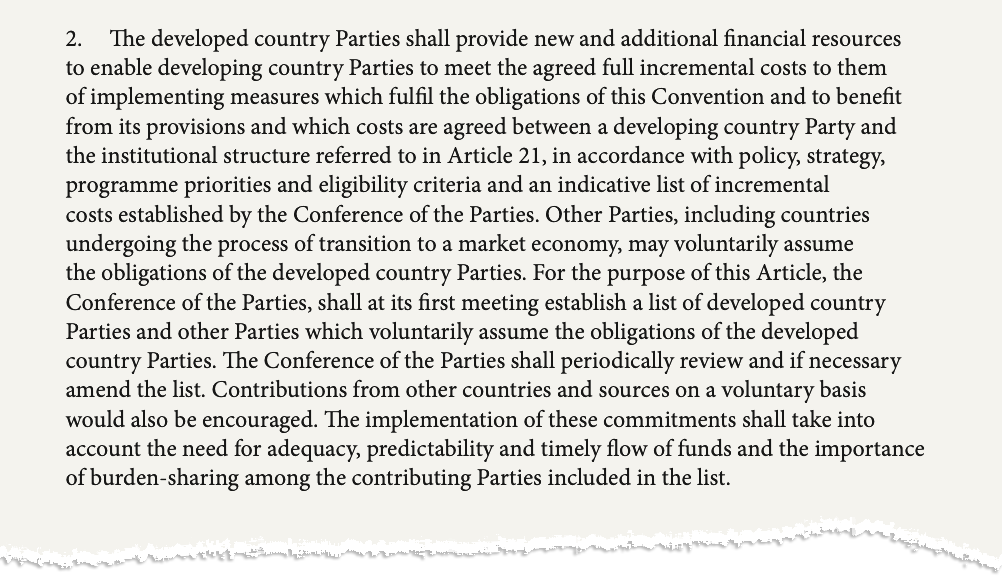
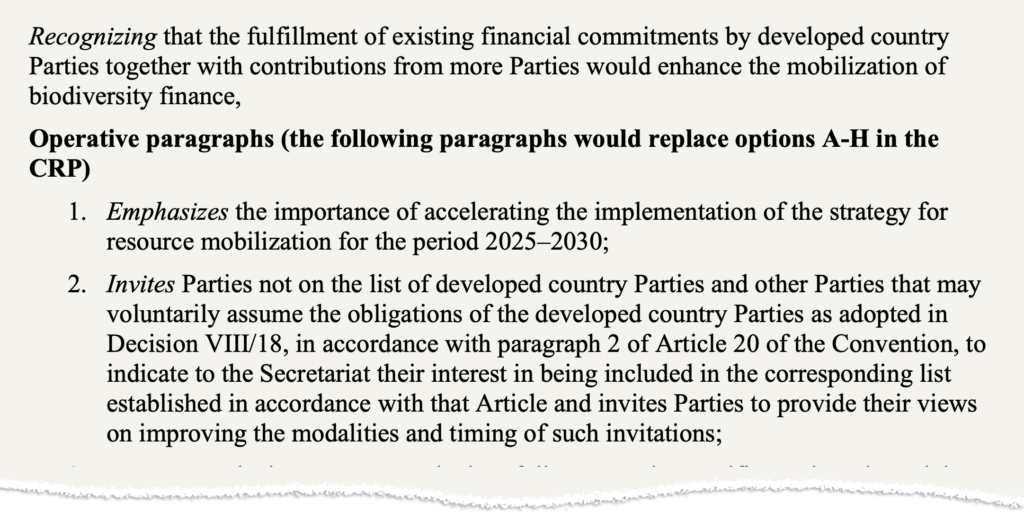
Under Article 20 of the UN Convention on Biological Diversity, developed countries are required to provide new and additional financial resources to developing nations. While the text allows other parties to voluntarily assume these obligations, the donor list had not been amended since 2006. The EU and other developed economies argued that changing global economic realities necessitated an updated reflection of who contributes. Developing nations and networks, such as the Third World Network, criticized the push as hypocrisy, arguing that historical responsibilities and sovereign debt burdens should instead be addressed.
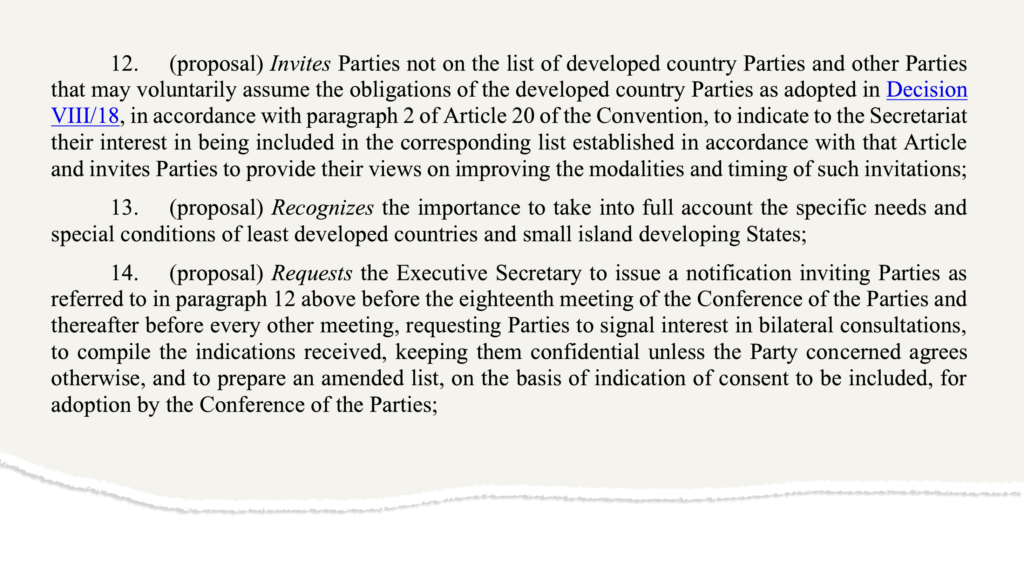
Eventually, countries agreed on a compromise text. The decision avoids issuing rigid new criteria to expand the donor list immediately, opting instead to invite countries keen to assume developed country obligations to "signal interest" through confidential bilateral consultations prior to COP18. Furthermore, countries agreed on criteria to shape a permanent post-2030 financial mechanism under the governance of the COP, though its institutional structure was deferred to the next summit.
The Global Review and State of Nature
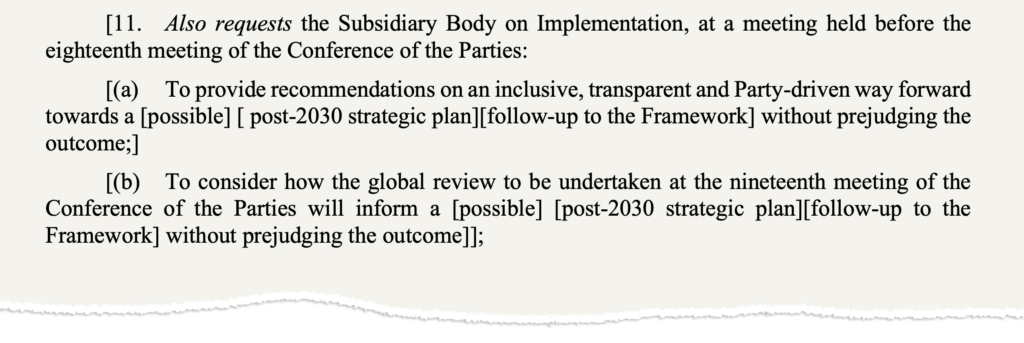
The global review served as the official stocktake of progress toward the 2030 targets, drawing heavily from a UN global report released ahead of the summit. That report warned that the world is falling behind on 22 out of 23 targets. Despite recognizing the unprecedented interest generated by the GBF, delegates acknowledged that the 2050 nature goals are also at risk if 2030 benchmarks are missed.

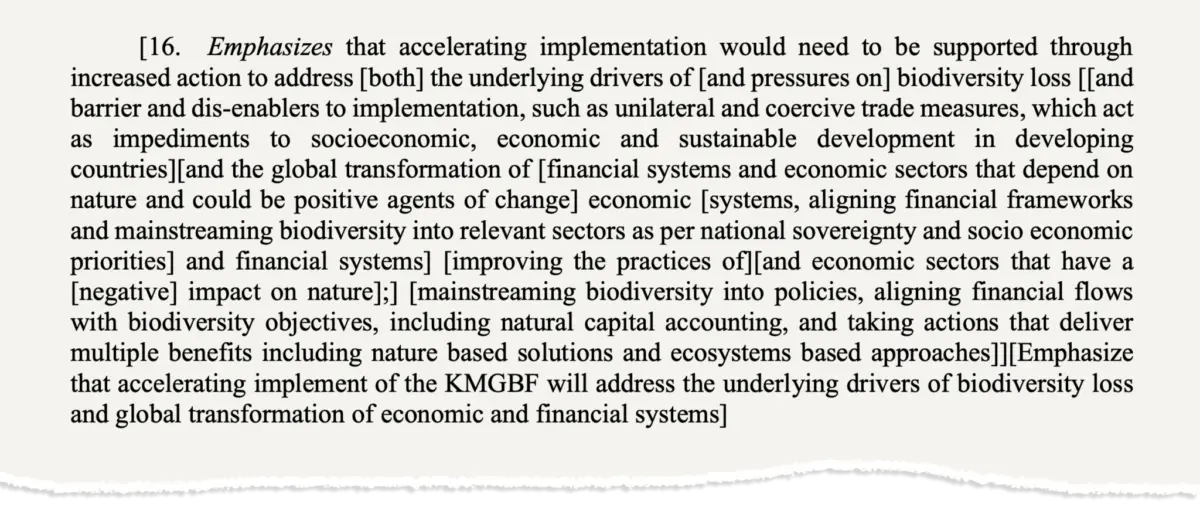
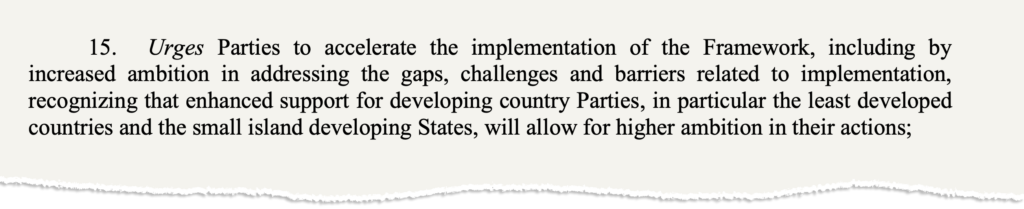
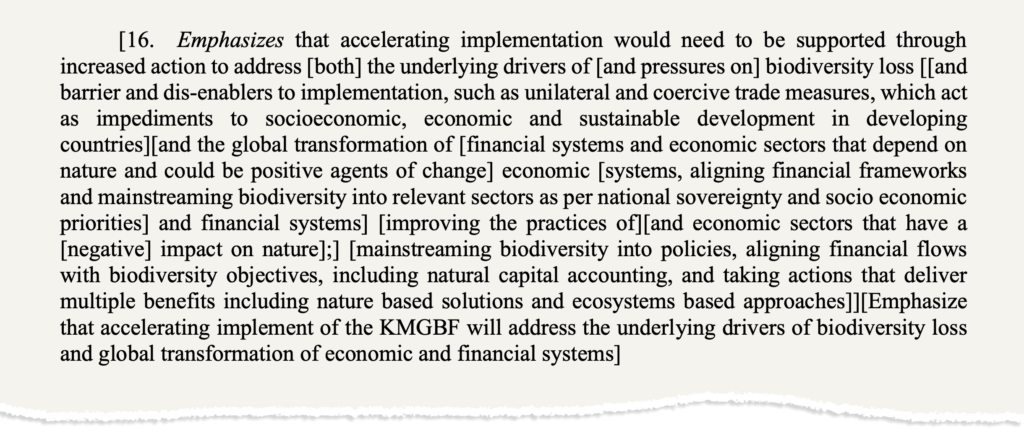
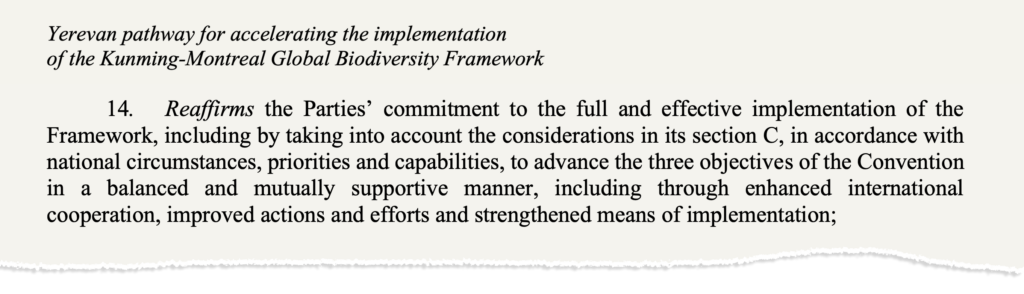
Negotiators sparred over key paragraphs within the 11-page review text. Some developing countries resisted including strong language on "higher ambition" without guaranteed financial backing. Ultimately, the text urges parties to accelerate implementation while explicitly acknowledging that enhanced support for developing nations, least developed countries, and small island developing states is required to enable higher ambition. References to addressing underlying drivers of biodiversity loss, reforming harmful subsidies, and recognizing the critical roles of Indigenous peoples and local communities were also embedded into the final agreement, which was framed around the "Yerevan pathway."
Digital Sequence Information and the Cali Fund
Digital sequence information (DSI)—the genetic data derived from nature and utilized heavily by pharmaceutical, cosmetics, and agribusiness sectors—remained one of the most closely watched tracks. At COP16, countries agreed to establish the Cali Fund, a global fund to which companies utilizing DSI should contribute. However, two years later, the fund stood nearly empty, having raised only a fraction of its intended capital due to industry hesitation and a lack of clear legal frameworks.
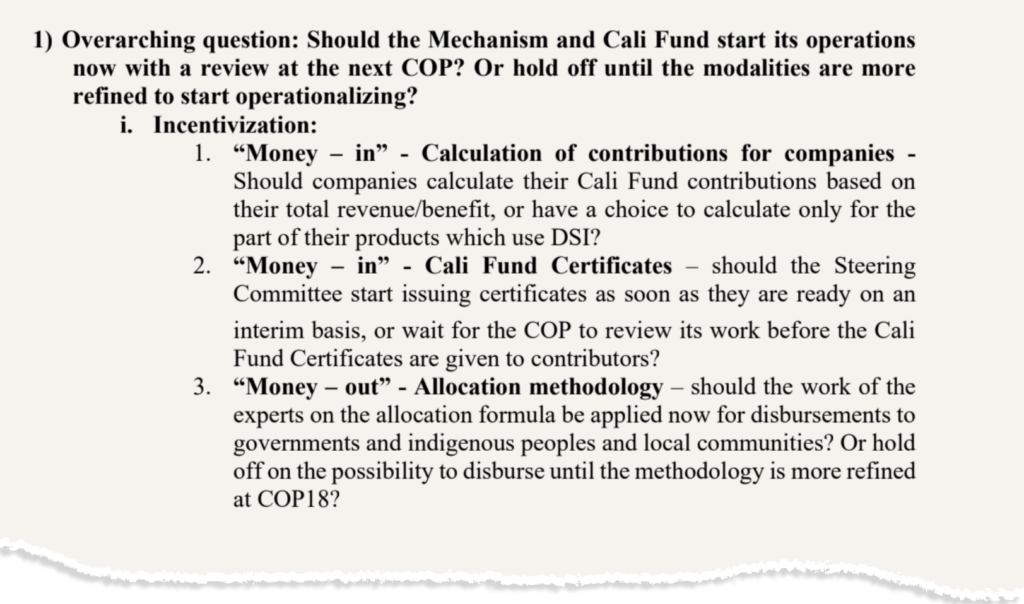
In Yerevan, discussions focused on the complex mechanics of "money in" and "money out." Industry lobbies pushed for legal certainty and clear certificates before pledging contributions, while developing countries demanded substantial capitalization before establishing allocation formulas. Late-night ministerial consultations and a dedicated "friends of the chair" group ultimately yielded a compromise text.
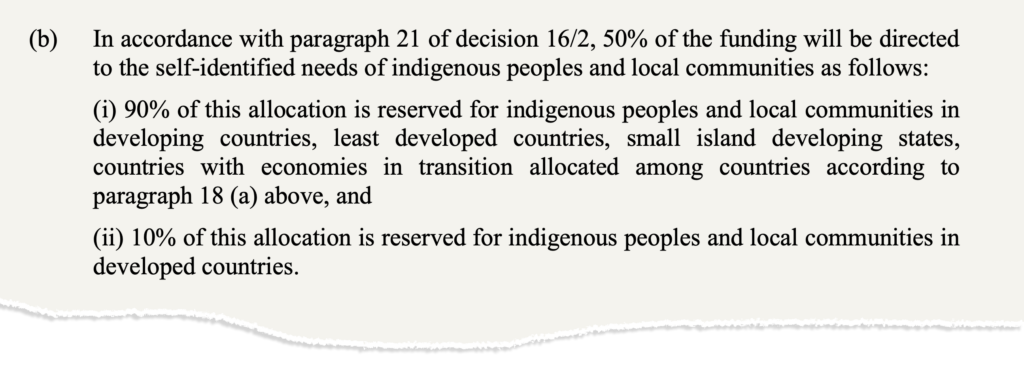
The adopted decision reaffirms the indicative contribution rates set at COP16—0.1% of revenue or 1% of profits—and clarifies that only contributions meeting these thresholds are entitled to an annual Cali Fund certificate. It also outlines an allocation methodology designating that 50% of funds be directed toward the self-identified needs of Indigenous peoples and local communities, while allowing the steering committee to begin disbursements on an exceptional basis if contributions reach $150m.
Harmful Subsidies and Marine Biodiversity
Governments worldwide spend up to $1.8tn annually on subsidies that harm biodiversity, particularly within agriculture and fossil fuels. Although Target 18 of the GBF mandates the identification and elimination, phase-out, or reform of these incentives by 2025, analysis shows that the vast majority of nations have missed this deadline.
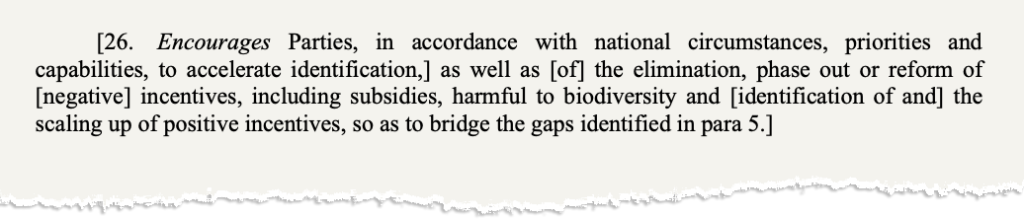
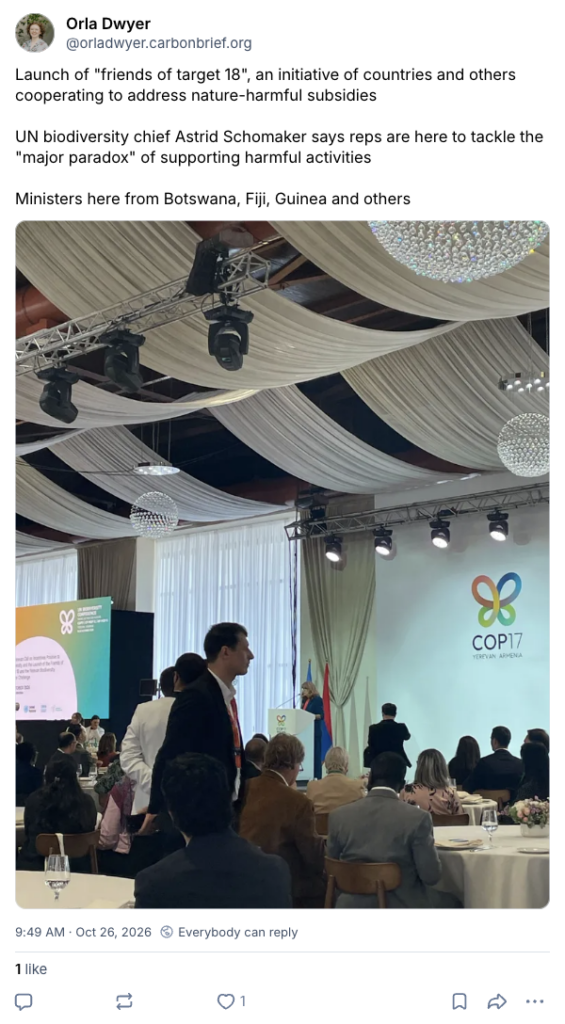
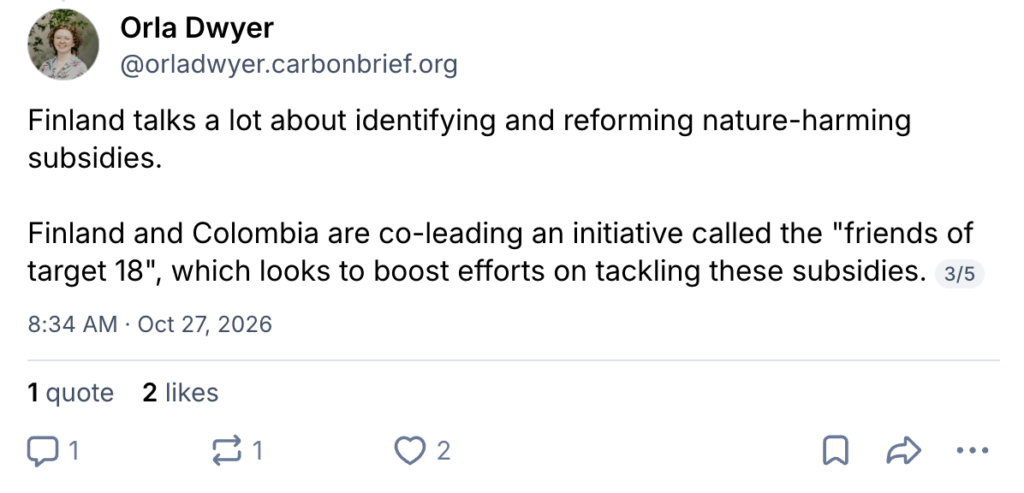
In Yerevan, subsidy reform proved socially sensitive and politically charged, with resistance from countries such as Saudi Arabia and Russia. Despite this, the final global review text encourages countries to accelerate Target 18 implementation in accordance with national circumstances. Additionally, a new political coalition called the "friends of target 18," co-chaired by Colombia and Finland, was launched to help nations share solutions and build political will.

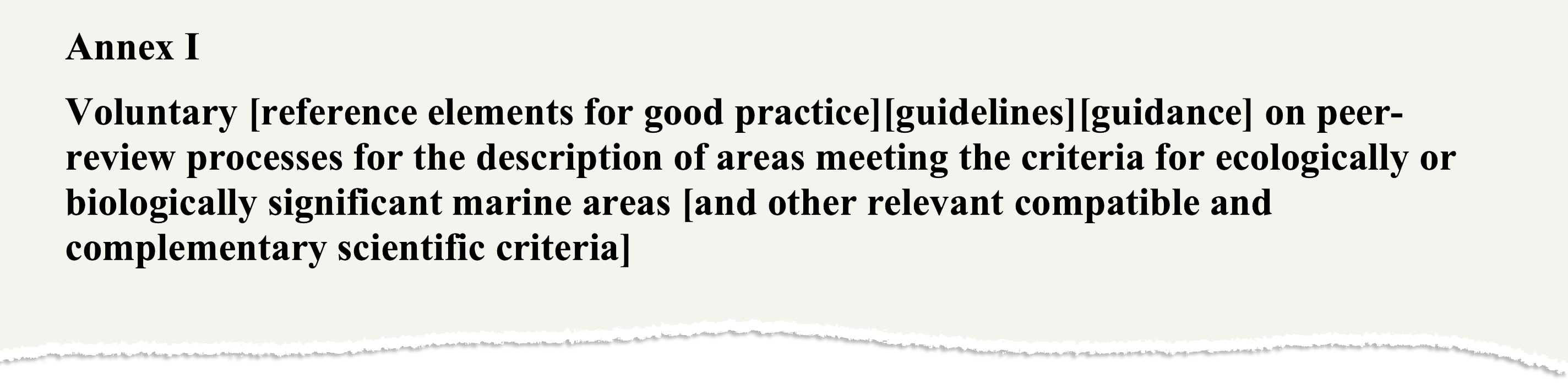
In marine and coastal biodiversity negotiations, contention centered on references to the newly enacted High Seas Treaty (BBNJ agreement) and voluntary guidance for ecologically or biologically significant marine areas (EBSAs). Despite resistance from Russia regarding direct treaty references, the final text formally takes note of the High Seas Treaty’s entry into force and establishes an informal advisory group on marine areas beyond national jurisdiction.
Article 8(j) and Indigenous Leadership
Building on the historic COP16 decision to create a permanent subsidiary body for Indigenous peoples and local communities, COP17 successfully finalized the "modus operandi" of this new body. The implementation framework establishes a co-chair structure—one nominated by governments and one representing Indigenous and local community organizations—alongside a dedicated bureau group. The outcome was widely celebrated by Indigenous delegates as a crucial step toward embedding traditional knowledge and direct participation into global biodiversity governance.
Around the COP: Presidency, Protests, and Perspectives
Hosted under the presidency of Armenian Environment Minister Hambardzum Matevosyan, the Yerevan summit earned praise for its organization and smooth logistics, contrasting sharply with previous procedural collapses. A leaders’ summit held ahead of the negotiations yielded the Yerevan declaration, committing nations to concrete action.
However, the hosting of the summit also brought scrutiny to Armenia’s domestic environmental record, including the launch of operations at a controversial gold mine shortly before the conference began. Civil society groups and environmental defenders staged protests both inside and outside the venue, drawing attention to mining pressures, the impacts of climate change on endangered species such as the Tapanuli orangutan, and the ongoing risks faced by frontline environmental defenders worldwide.
As delegates departed Yerevan, the central message of COP17 remained clear: while global frameworks and institutional mechanisms have been established, the window to reverse nature loss by 2030 is narrowing rapidly, requiring immediate translation of political commitments into tangible financial and regulatory action.