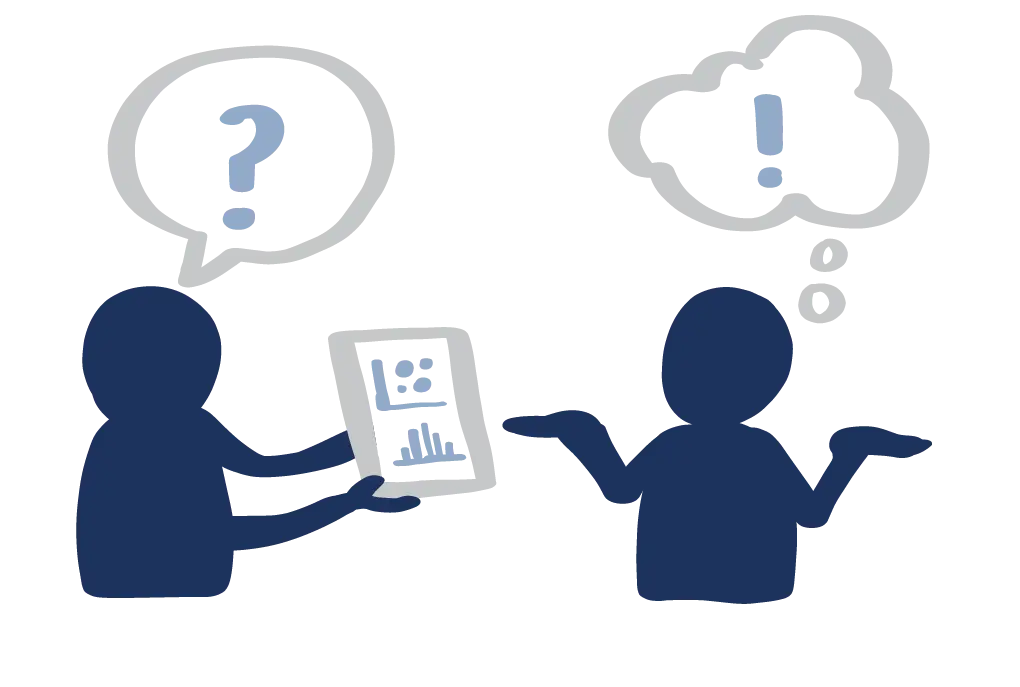
During a recent virtual public workshop hosted by Storytelling with Data, an intriguing and complex question was raised by a participant grappling with the realities of corporate communication. The query touched upon a universal dilemma faced by analysts, researchers, and communicators alike: how to effectively convey a narrative or a set of findings that an audience is fundamentally resistant to hearing or simply not prepared to focus on at that moment.
The participant’s dilemma, when paraphrased, highlighted a common professional roadblock. They expressed an understanding of the theoretical value of data storytelling, yet struggled with the practical application when stakeholders appeared unreceptive. Specifically, the core of the issue was navigating situations where the audience anticipated an update framed in a very specific, pre-determined way, while exploratory analysis and the resulting empirical findings pointed toward an entirely different direction, challenging the agreed-upon strategy.
Initially, this kind of friction can catch a communicator off guard. The natural reaction is often one of surprise; after all, why would an organization or stakeholder group invest time in reviewing information they have no apparent interest in receiving? However, through further exploration of the scenario, it becomes clear that the underlying challenge is rarely a flat refusal to engage with the truth. More often than not, the audience is simply expecting a different narrative based on their initial assumptions, legacy strategies, or previous goals.
When this mismatch occurs, acknowledging those pre-existing expectations before introducing new findings serves as a crucial bridge. It helps the audience make the cognitive
transition from what they firmly believed they were going to hear to what the data is actually revealing. This is undeniably a delicate and difficult situation for any professional. A communicator must possess both the analytical rigor to uncover the truth and the emotional intelligence to understand why the audience holds those specific expectations in the first place, all while ensuring the unvarnished findings are successfully surfaced and understood.
The core of the issue often lies in preconceptions. Stakeholders frequently approach a reporting session with a hypothesis they hope to validate rather than test. When the data defies these hopes, the immediate resistance is not necessarily hostility toward the analyst, but rather a protective instinct over the projects, budgets, or strategies tied to those initial assumptions. Consequently, delivering a message that contradicts an established organizational mindset requires a careful balancing act of empathy, context, and clarity.
Addressing how to tell a story that an audience initially resists involves returning to the fundamentals of effective communication. The primary method for overcoming this resistance is ensuring that the narrative is framed in a way that the audience not only understands, but genuinely cares about and recognizes as directly relevant to the decisions currently before them. When content is meticulously tailored to the specific concerns, priorities, and pressures of the audience, and when it clearly articulates why the message matters in terms of tangible opportunities, risks, or overarching impacts, even a difficult and uncomfortable message stands a much better chance of being received in the right spirit.
This dynamic of managing audience expectations and resisting pressure to distort findings is a recurring theme in professional data analysis. For practitioners navigating similar scenarios, the challenges extend beyond mere presentation techniques into the realm of organizational ethics and leadership dynamics. Professionals grappling with these exact pressures can find valuable perspectives in broader discussions within the analytics community. For instance, fellow data storytellers Alli and Ryan previously explored a deeply related challenge in a dedicated podcast episode focusing on what to do when a leader asks an analyst to find data specifically designed to prove them right. Listening to these professional experiences offers practical validation and strategic insight for anyone caught between stakeholder expectations and objective data realities.
Ultimately, the overarching objective in any data-driven communication environment is not to stubbornly avoid uncomfortable truths or force unwelcome conclusions for the sake of being disruptive. Rather, the true goal is to make those difficult truths clear, relevant, and actionable in direct service of the organization’s broader, long-term success. By bridging the gap between expected narratives and actual discoveries, communicators can foster a culture of genuine inquiry and data-informed decision-making, ensuring that even the most difficult stories ultimately contribute to organizational growth and clarity.