More than 92,000 people have registered to attend the COP31 climate summit in Antalya, Turkey, a milestone that could make it the largest UN climate conference in history. Provisional registration lists published by the United Nations Framework Convention on Climate Change (UNFCCC) and analyzed by Carbon Brief reveal unprecedented interest in the summit, driven in part by a massive influx of host country guests.
For comparison, the provisional figures eclipse previous milestones, such as COP28 in Dubai, which drew more than 80,000 participants. The total tally for Antalya surpasses 95,000 when accounting for more than 3,000 virtual delegates signed up to follow the proceedings online. However, final attendance figures—based on participants physically collecting a badge at the venue—will only be officially confirmed by the UNFCCC after the summit concludes.
Shifting Geopolitics and Delegation Absences
As was the case at COP30 in Belém, Brazil, the United States government under Donald Trump has chosen not to send an official delegation to the summit. Other notable no-shows include Israel and Myanmar.
Ahead of the conference, reports emerged that Taliban officials from Afghanistan had registered to attend as observers. However, an examination of the provisional lists shows no official delegates from observer states present.
Despite these high-profile absences, the sheer volume of global participants highlights the enduring scale and geopolitical significance of the annual UN climate negotiations.
Party Delegates and Negotiating Bodies
The participant lists provided by the UNFCCC are categorized into distinct groups, with delegates representing national parties forming the core of the negotiations. This group includes nation-states and the European Union that have ratified the climate convention and hold full negotiating rights.
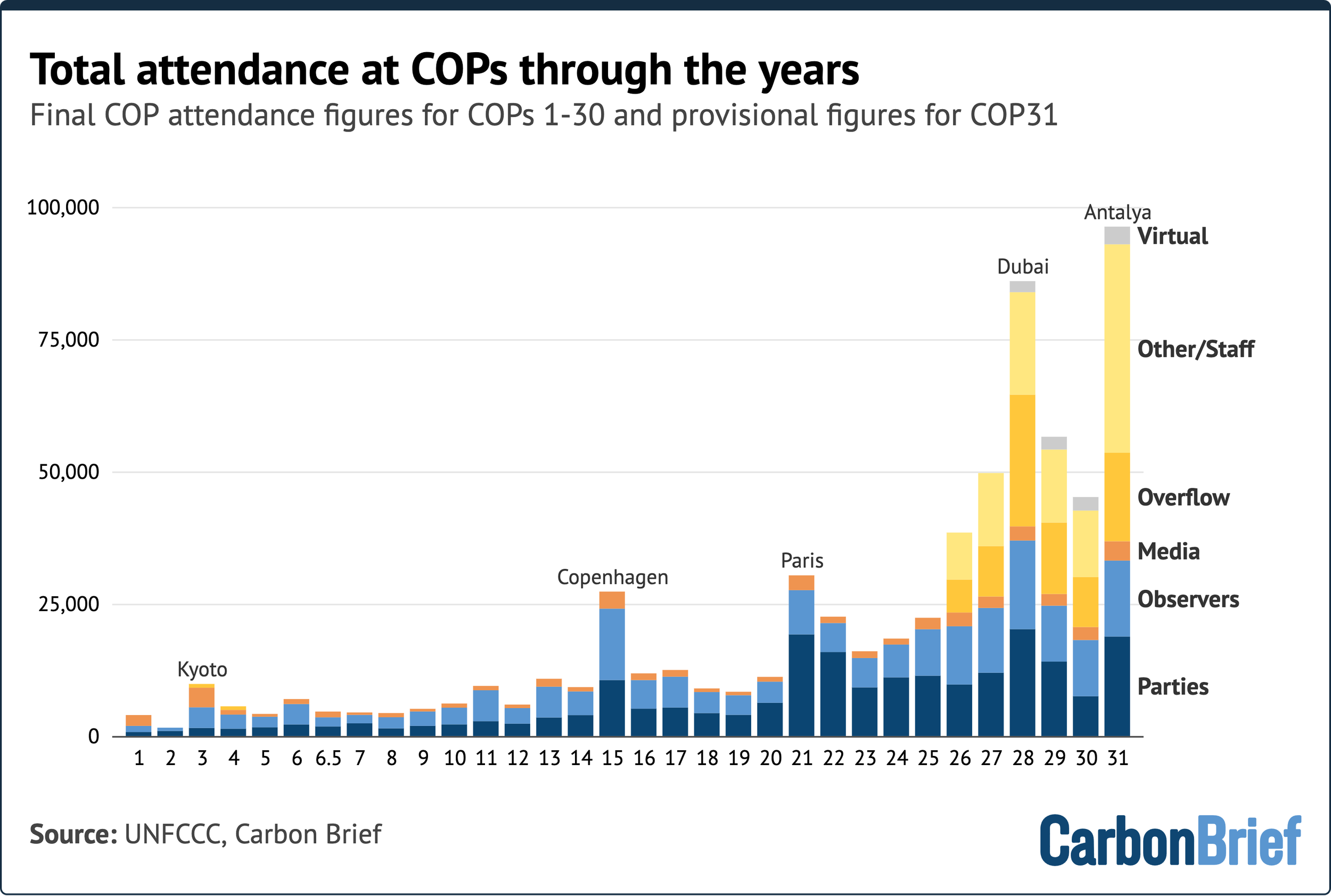
For COP31, party representatives account for 18,812 individuals. While this is the second-largest party delegation group in COP history—trailing only COP28—the total climbs significantly when factoring in overflow badges. In recent years, the UNFCCC has abandoned the older practice of hiding thousands of "overflow" delegates in unlisted categories, instead publishing spreadsheets that name nearly every individual registered for the event. When these overflow badges are included, the total number of party-affiliated representatives exceeds 34,000.
An unusual feature of COP31 is the exceptionally large number of "host country guests." This category, which has only appeared in recent UNFCCC participant lists over the past few years, has expanded dramatically in Antalya. More than 14,000 delegates have been registered under this designation. By contrast, host guests numbered around 1,300 at COP30 in Brazil, 1,651 at COP29, and 4,202 at COP28 in Dubai.
National Representation at COP31
Unsurprisingly, host nation Turkey leads the participant breakdown, registering the largest national delegation with 2,950 people. Brazil follows closely behind with 1,994 registered participants, alongside Nigeria with 1,506, China with 1,021, and Indonesia with 978.
The remainder of the top ten national delegations features Australia with 835 attendees, Uganda with 627, Italy with 607, Japan with 588, and Kazakhstan with 557. Other major economies sit further down the list, with the United Kingdom sending a delegation of 255 people.
At the other end of the spectrum, the smallest official delegations come from North Korea with just two registered members, followed by Eritrea and Nicaragua with three each, and San Marino alongside Trinidad and Tobago with four. Analysts note that certain nations, such as Brazil, periodically allocate a portion of their official party badges to non-governmental organizations, which can artificially inflate the recorded size of their state delegations.
Gender Balance Trends
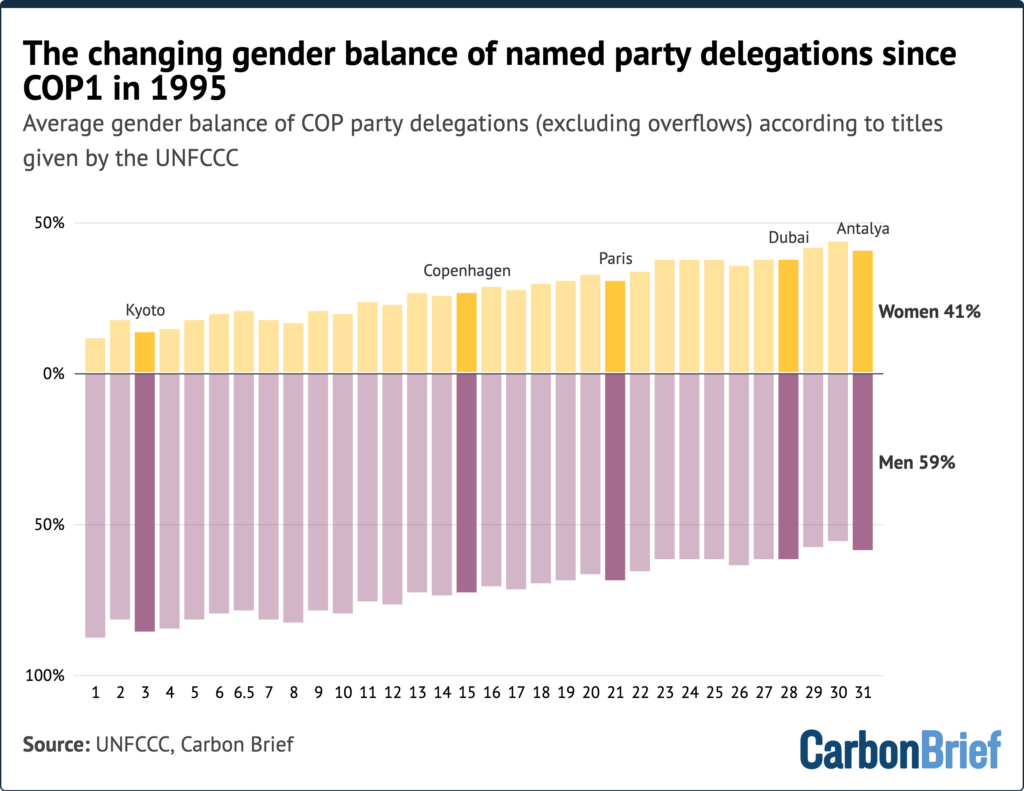
An analysis of the titles provided in the UNFCCC participant lists—such as Mr, Ms, Sr, or Sra—reveals ongoing demographic trends within the negotiating teams. While gender identity is complex and cannot be fully captured by binary titles, and recognizing that these designations originate from the UNFCCC rather than researchers, the data offers a window into representation over time.
The provisional lists for COP31 indicate an average gender balance across party delegations of 59% men to 41% women. While this represents a slight dip in balance compared to the preceding two summits, it broadly continues a long-term historical trend toward a more even gender distribution since COP1 in Berlin in 1995.
Since COP28, the UNFCCC has increasingly utilized non-gendered professional titles, such as Dr, Prof, Ambassador, and Honourable. These non-gendered titles make up approximately 1.3% of party delegates at COP31 and were therefore excluded from the gender balance calculations. When looking at the smallest delegations, entities like Eritrea and North Korea registered exclusively male-titled delegates, while no delegations registered exclusively female titles.
Observers and Civil Society Participation
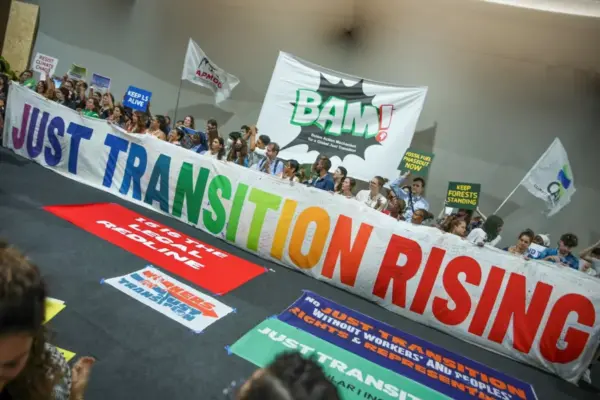
Beyond the official party negotiators, observers represent the second-largest constituency at the climate summit. These delegates secure status through non-profit organizations, which can range from United Nations bodies and specialized agencies like the World Bank or the International Atomic Energy Agency, to intergovernmental organizations such as OPEC and the Inter-American Development Bank.
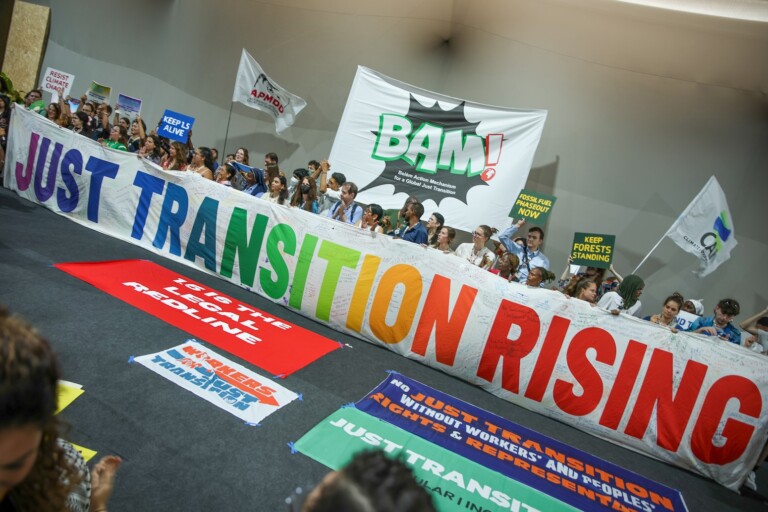
The vast majority of observers—amounting to more than 12,000 individuals—represent non-governmental organizations. These include global charities and environmental groups like WWF, 350.org, and Amnesty International, as well as major philanthropic institutions such as the Rockefeller Foundation and the IKEA Foundation. Corporate and industry lobby groups, including the International Gas Union and the UK National Farmers Union, are also represented.
Building on transparency measures introduced at COP30, the UNFCCC registration portal again allowed observers to voluntarily disclose their immediate funding sources. Among the 12,413 NGO observers registered for COP31, roughly 14% chose not to disclose this information. For those that did, the most common funding sources were other NGOs, accounting for 56%, followed by academic or research institutions at 12%. Approximately 8% of reporting observers declared financial backing from the private sector or business entities.
Additionally, observers were invited to declare whether their participation aligns with the objectives of the convention and the core principles of the Kyoto Protocol and the Paris Agreement. A total of 13,108 delegates checked affirmative for this measure, while 2,247 left the field blank.
Media Presence
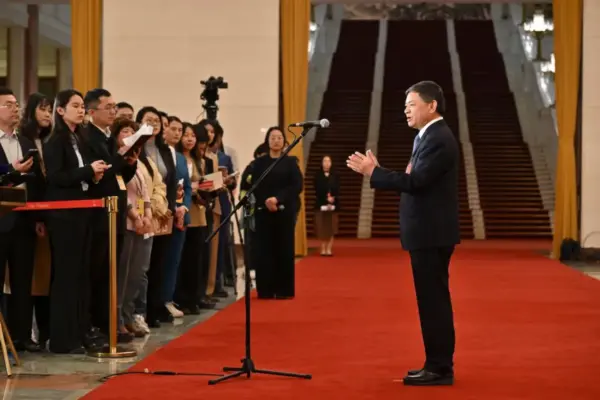
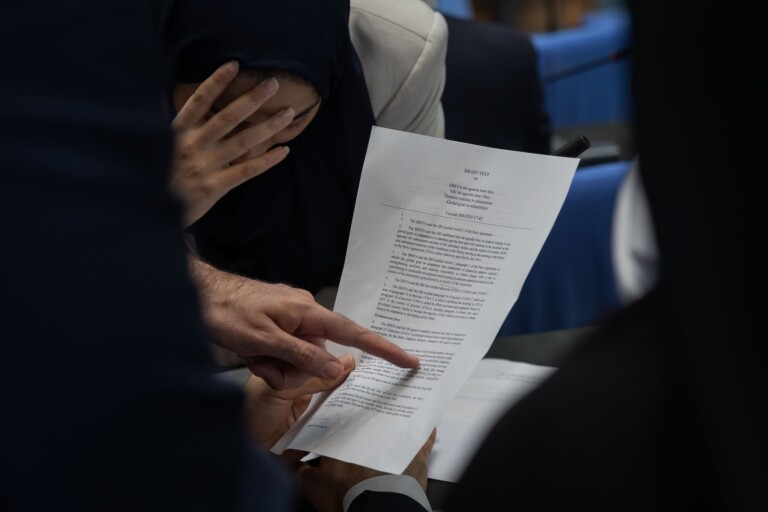
The summit has also drawn substantial press coverage, with 3,645 media representatives registered to attend in person. This provisional tally marks the second-largest media turnout in the history of the climate talks, sitting just behind COP3 in Kyoto, Japan, in 1997, which drew 3,712 journalists.
Because media organizations are often entered into the registration database under highly inconsistent names, calculating exact corporate totals remains challenging. However, the Turkish Radio and Television Corporation (TRT) stands out as the most heavily represented media outlet at COP31, accounting for more than 200 registered delegates. Other prominent international news organizations sending substantial teams of a dozen or more participants include CNN, the Associated Press, the Financial Times, Bloomberg, Agence France-Presse, Reuters, and Sky News.