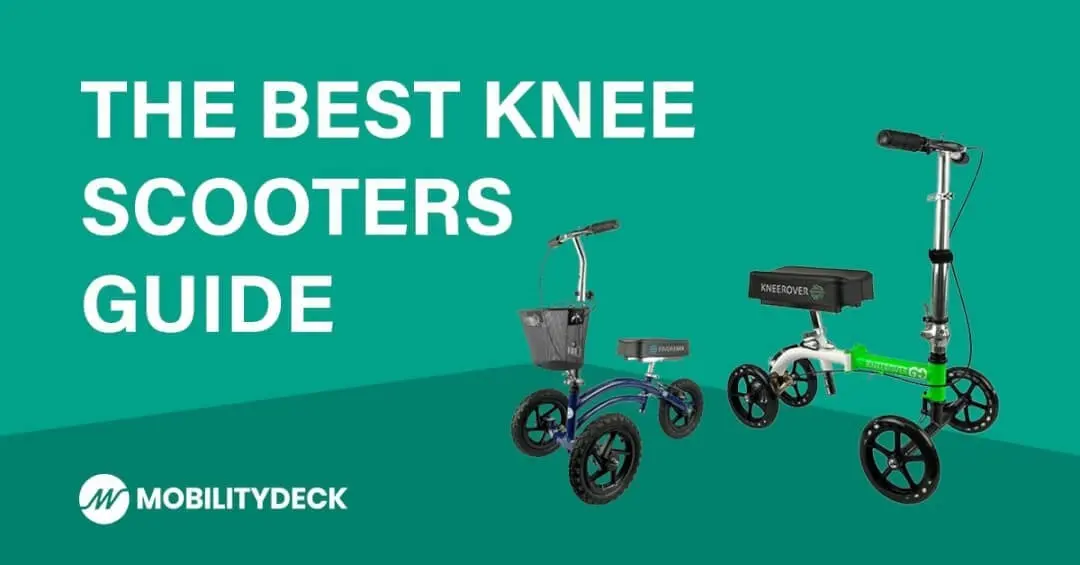
For individuals recovering from foot surgery, a broken leg, ankle sprains, or other lower-extremity medical conditions, transitioning from traditional crutches to a knee scooter can represent a significant improvement in daily independence and quality of life. However, when patients first begin researching mobility aids, the sheer volume of specifications, marketing figures, and technical jargon can quickly become overwhelming. Understanding terms related to dimensions, weight capacities, and material compositions is essential for making an informed investment in a recovery device.
Important Features to Consider
When evaluating the market for a reliable knee scooter, several critical components demand careful scrutiny to ensure safety, durability, and comfort during the rehabilitation process.
Frame Material
The foundation of any mobility device lies in its frame construction. It is crucial to understand what material has been used to manufacture a knee scooter’s frame, as it must be exceptionally durable and strong—preferably aircraft-grade aluminum or reinforced steel. Because these devices are engineered to bear the entire weight of a user’s body, optimum structural support is vital to prevent secondary injuries. Furthermore, a robust frame provides superior resilience against varying weather conditions, ensuring that the device does not succumb to rust or structural degradation when exposed to rain or outdoor moisture.
Brake System
From a safety standpoint, the braking mechanism is arguably the most critical feature on any knee scooter. Users require reliable stopping power to navigate inclines safely and avoid unintended acceleration. Modern knee scooters typically utilize handlebar-mounted hand brakes, operating similarly to a bicycle braking system. Prospective buyers are strongly encouraged to consult manufacturer specifications to understand the mechanics and responsiveness of a given model’s brakes before purchase.
Weight Capacity
Another vital consideration is the device’s weight capacity. Different models are engineered to support specific load ranges. While standard knee walkers commonly accommodate up to 300 pounds, heavy-duty options such as the BodyMed Folding Knee Scooter extend significantly higher. Selecting a scooter that inadequately matches a user’s body weight introduces severe safety risks and potential for further injury.
Storage Capabilities
Practicality during daily travel is greatly enhanced by the inclusion of a storage basket or attachment box. Transporting personal items while maintaining stability on a mobility aid can otherwise prove challenging. Fortunately, for models that do not come pre-equipped with storage, compatible aftermarket baskets can frequently be purchased and installed separately.
Tires and Terrain Adaptability
The quality and construction of a scooter’s tires dictate its performance across different environments. Individuals planning to use their device outdoors should look for durable materials such as polyurethane or pneumatic rubber. Tire composition directly influences traction during adverse weather or on damp ground, ensuring that the wheels maintain a firm grip and prevent slipping during transit.
Assembly and Maintenance
Ease of assembly and transport are practical factors that significantly impact the user experience. Ideal mobility aids require minimal setup time and do not necessitate specialized tools. Choosing a model that is straightforward to assemble, clean, fold, and load into a vehicle streamlines the daily routine of recovery.
Frequently Asked Questions
As the popularity of knee walkers continues to grow among medical patients, several common inquiries surround their operation, utility, and insurance coverage.
How Do Knee Scooters Work?
While mechanics vary by manufacturer, standard knee scooters generally feature a four-wheeled base designed to support the injured leg on a cushioned platform while allowing the user to propel themselves forward independently using their uninjured leg. A dedicated knee pad provides targeted comfort and support throughout the journey.
Are Knee Scooters Foldable?
The vast majority of modern knee scooters feature folding mechanisms designed to facilitate easy storage and transport. These systems typically rely on a release lever connected to the handlebars or positioned near the seat. Engaging this lever allows the frame to collapse smoothly for placement in a vehicle trunk or closet.
Are Knee Scooters Better Than Crutches?
Patient preference ultimately dictates the choice of mobility aid; however, knee scooters are frequently favored over traditional crutches because they demand less upper-body strength and provide faster, more fluid mobility. They are also generally easier to adjust to individual user heights.
Will Insurance Cover a Knee Scooter?
Insurance reimbursement for knee walkers is often limited, as providers frequently prefer lower-cost alternatives such as standard crutches. Coverage entirely depends on individual policy terms, deductible structures, and potential eligibility for government-backed programs like Medicare or Medicaid. Patients are advised to contact their insurance providers directly to verify coverage details.
Can I Buy a Knee Scooter Online?
A wide variety of quality knee scooters are readily available through online retailers. Budget-conscious shoppers frequently utilize platforms like Amazon, while specialty medical equipment suppliers such as 1800Wheelchair offer alternative selections for those with greater purchasing flexibility.
Other Knee Scooters We Reviewed
Beyond top-tier recommendations, a diverse market of alternative knee walkers and scooters offers specialized features suited to specific user requirements and budgets.
The KneeRover GO Knee Walker stands out as a compact, economical option that balances high build quality with straightforward usability. For users requiring off-road capability, the All Terrain Heavy-Duty KneeRover Steerable Knee Walker offers specialized performance. Equipped with 12-inch pneumatic tires, this heavy-duty model is built to navigate dust, dirt, grass, and gravel with agility. It features a high weight capacity of up to 400 pounds, a three-inch thick knee platform, and an advanced tie-rod steering system that facilitates tight turning radiuses in narrow spaces.
The Roscoe Knee Scooter with Basket provides a lightweight alternative weighing approximately 30 pounds. Large, wide rear wheels allow this model to roll smoothly over road bumps, while a thumb-release folding lever enables quick transport. Similarly, the KneeRover HYBRID Knee Scooter introduces an all-terrain front axle upgrade with a detachable pneumatic front assembly, balancing four-wheel stability with fluid mobility on sensitive injuries.
For patients seeking comfort and advanced ergonomics, the Vive Steerable Knee Walker features 8-inch polyurethane wheels, dual rear brakes, and a contoured foam cushion designed to distribute body weight evenly and promote airflow. Pediatric patients and smaller adults are catered to through the KneeRover Jr. Knee Walker, which scales down dimensions while retaining responsive handlebar brakes and a comfortable, adjustable foam cushion.
Budget-focused alternatives include the Roscoe Economy Knee Scooter, which supports up to 250 pounds with 7.25-inch indoor wheels, though its padding is comparatively minimal. Conversely, the Swivelmate Knee Walker introduces unique engineering, including a 90-degree front wheel turn radius and a patent-protected belt drive system. Weighing 22 pounds, it accommodates up to 400 pounds and incorporates a stabilizing fifth center wheel alongside a three-inch thick cushion.
Additional models such as the Essential Medical Supply Free Spirit Knee and Leg Walker focus heavily on safety and stability, incorporating an over-steering prevention mechanism and a secure travel belt. The Isokinetics Inc. Steerable Knee Walker utilizes a dual steel frame supporting up to 300 pounds with a simplified single-brake operation, while the ELENKER Steerable Knee Walker Deluxe Medical Scooter rounds out the market with a lightweight 23-pound aluminum structure, memory foam knee pad, and quick-release folding mechanisms tailored for post-surgical recovery.