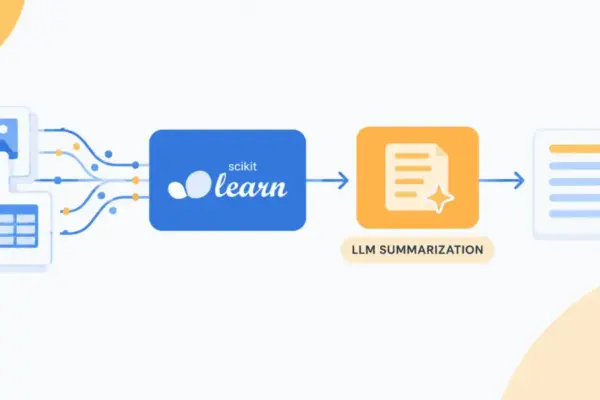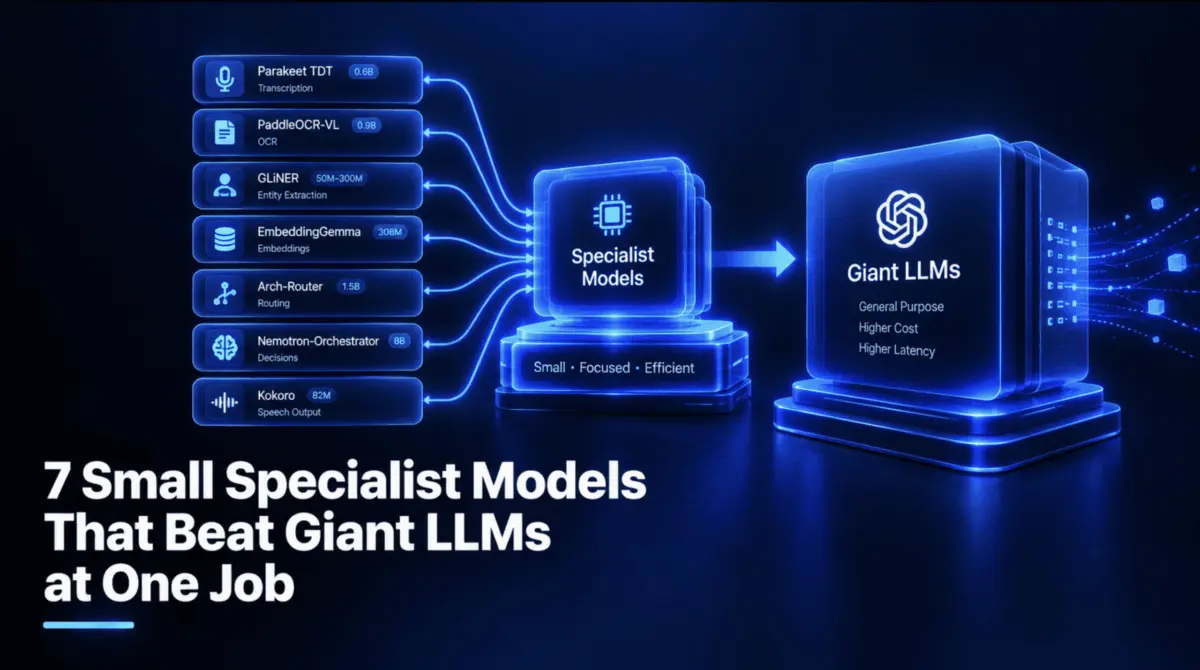
Modern enterprise artificial intelligence stacks are increasingly moving away from the expensive, catch-all approach of deploying massive frontier language models for every single phase of a complex pipeline. In a typical customer support workflow handled the conventional way, a giant multimodal model might be tasked with transcribing an incoming support call, reading an attached invoice, extracting names and financial amounts, determining which internal team should receive the ticket, and generating a final reply. While this heavy-handed approach functions properly, every single step is billed at peak frontier prices.
Industry experts and developers are pointing out that most of these individual operations represent isolated, single-purpose jobs for which small, highly optimized specialist models are explicitly engineered. Rather than relying on monolithic systems that demand massive computational overhead, a new wave of open-weight models under 10 billion parameters is going head-to-head with—and frequently outperforming—much larger generalist architectures on specific, well-defined tasks.
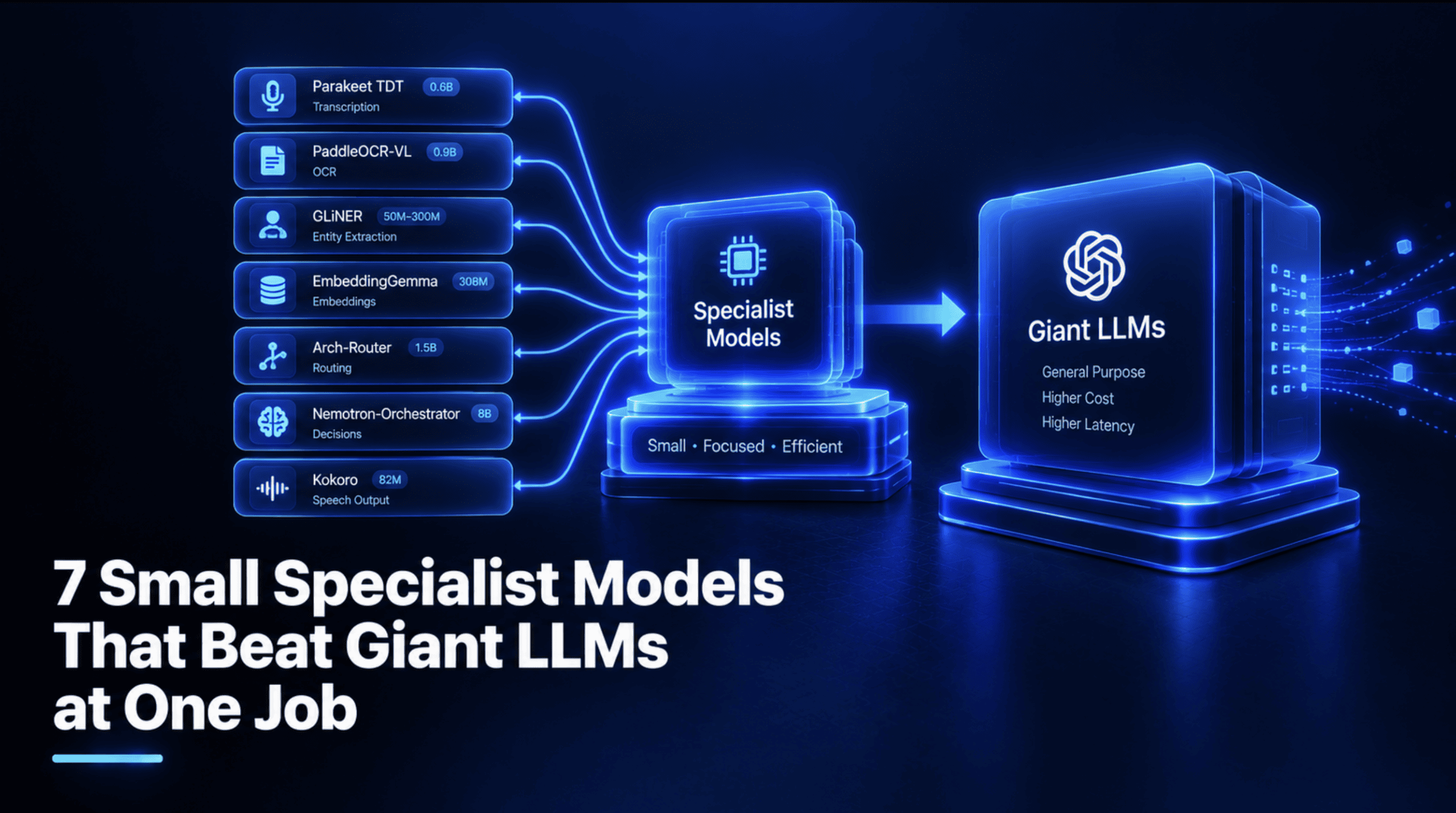
Selecting these high-performing task-specific systems requires strict evaluation metrics. To qualify for practical deployment consideration, open models generally must meet four core criteria: open weights, a singular and clear operational focus, published empirical proof demonstrating superiority over much larger systems, and a physical footprint small enough to run efficiently on a single standard machine. While these compact models are not designed to entirely replace giant large language models across every enterprise domain, their efficiency has redefined how developers architect modern data pipelines.
The Shift Toward Specialized Transcription and Document Parsing
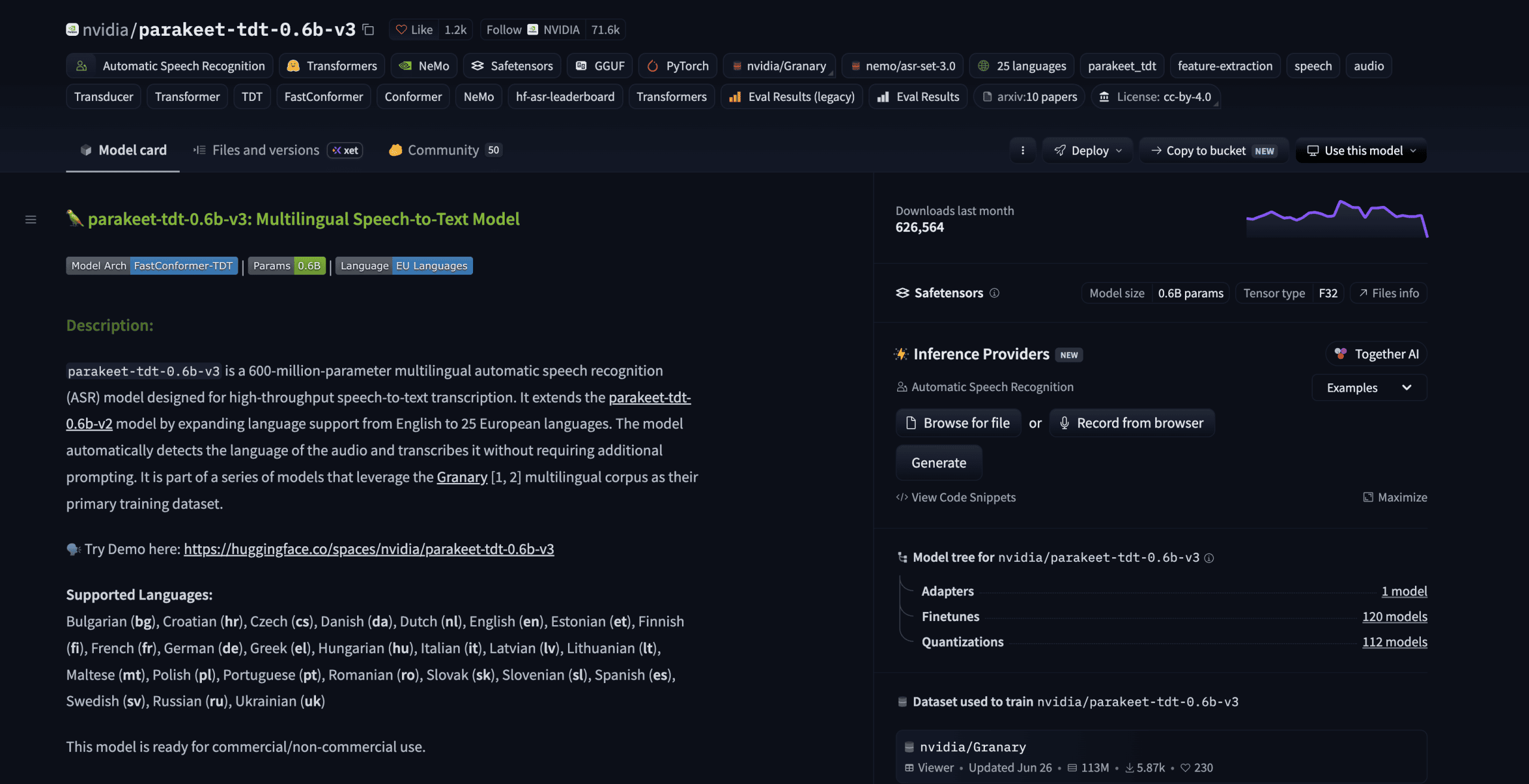
The pipeline processing typically begins at the audio and document intake stages, where specialized models have demonstrated remarkable efficiency gains. For speech transcription, systems like the Parakeet TDT 0.6B model offer a lightweight alternative to larger general speech models. Published benchmarks on open automatic speech recognition leaderboards indicate that this compact model achieves significantly lower average word error rates while delivering drastically higher processing throughput compared to substantially larger industry standards. Operating at a fraction of the size of competing generalist systems, it provides a high-speed solution for processing audio data, though developers note that broader multilingual coverage still favors larger traditional models.
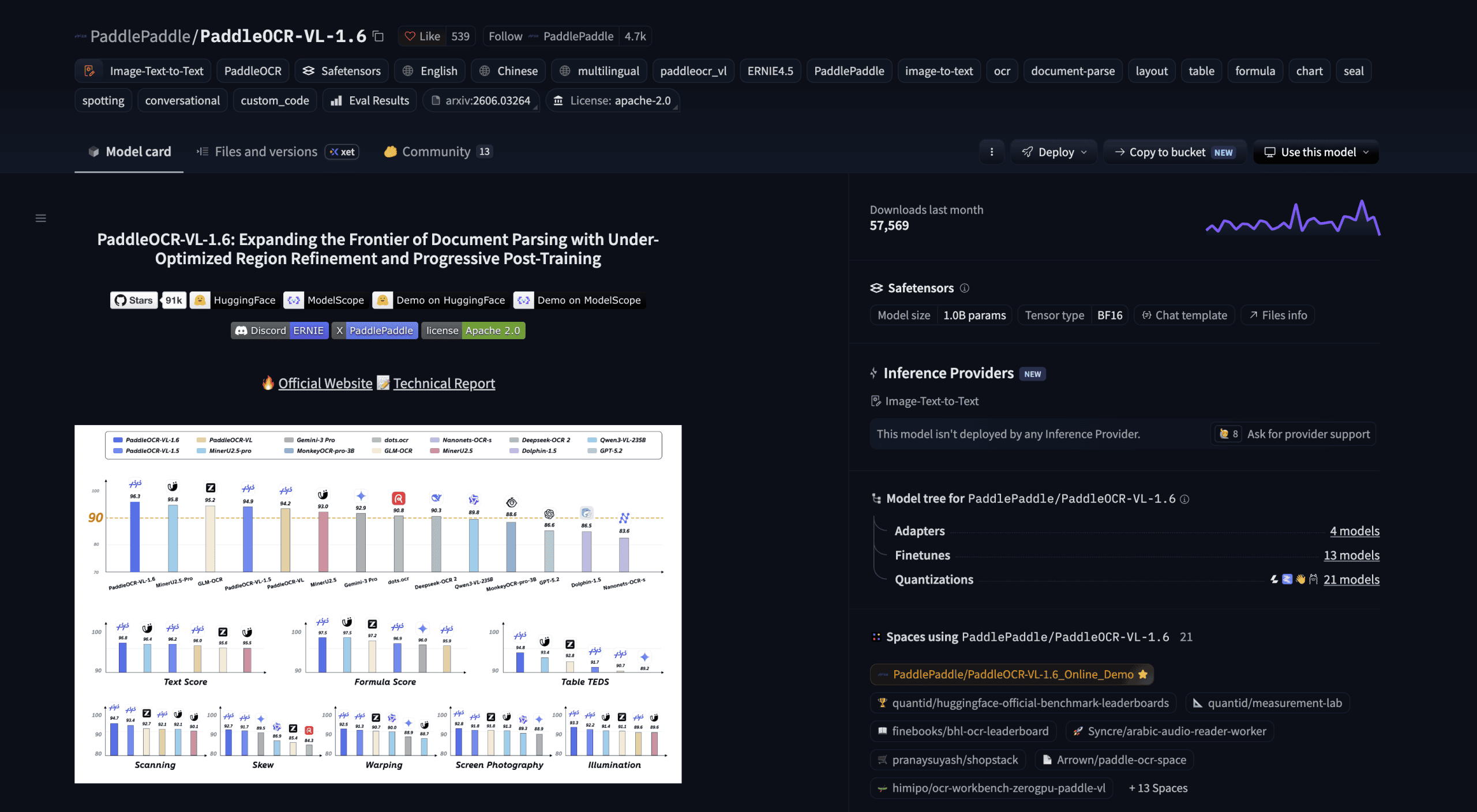
Following audio ingestion, document processing often requires advanced optical character recognition. PaddleOCR-VL-1.6, a sub-billion-parameter model designed for visual document understanding, has challenged the dominance of proprietary frontier systems on comprehensive document parsing benchmarks. By executing layout detection and regional reading simultaneously, the model converts complex invoices and document pages directly into structured JSON and Markdown formats, streamlining the data handoff to subsequent analytical layers. While competition at the top tier of document parsing remains fierce among specialized open models, the performance of sub-billion-parameter checkpoints highlights how rapidly compact architectures are closing the gap with closed-source alternatives.
Entity Extraction, Embedding Generation, and Intelligent Routing
Once data is transcribed and parsed, downstream pipelines typically require entity extraction and semantic search capabilities. GLiNER exemplifies this shift by offering zero-shot named entity recognition using flexible string labels rather than rigid, pre-trained categories. Operating at a fraction of the parameter scale of traditional large language models, it allows engineers to dynamically adjust extraction targets at runtime without requiring retraining, outperforming older generalist chat models on out-of-domain evaluation tasks.
For semantic search and retrieval workflows, EmbeddingGemma provides a compact multilingual text embedding solution designed to operate efficiently under strict memory constraints. By utilizing optimized query and document prefix prompts, the model achieves high retrieval performance on massive text embedding benchmarks while maintaining a minimal operational footprint. This efficiency makes it particularly attractive for enterprise search applications where embedding hundreds of thousands of documents must be handled economically.
Traffic management and task delegation within complex workflows have similarly benefited from specialized routing models. Arch-Router-1.5B, fine-tuned specifically for intent classification and route selection, has demonstrated high accuracy in directing user queries to appropriate downstream resources. Operating with minimal latency compared to large generalist chat systems, it analyzes plain-language route descriptions to match user intent with the correct specialized model or database, enabling dynamic cost optimization across multi-model architectures.

Orchestration and Speech Synthesis at the Edge
At the upper tiers of operational decision-making, specialized orchestration models handle complex tool selection and multi-step reasoning tasks. Systems such as Nemotron-Orchestrator-8B have shown competitive performance against much larger frontier models on rigorous problem-solving benchmarks. Rather than executing every task independently, these orchestrator models excel at managing workflow logic, determining when to invoke specialized tools or expensive generalist models, and efficiently distributing computational effort across an enterprise infrastructure.
Finally, at the output phase of the pipeline, text-to-speech models like Kokoro-82M provide high-fidelity audio generation within a remarkably small parameter budget. Ranking competitively on open speech synthesis arenas against models several times its size, it converts processed text into natural-sounding audio streams efficiently, rounding out an end-to-end processing architecture built entirely on cooperative specialist components.

By strategically replacing generalized frontier systems with targeted, low-parameter specialist models at each stage of a pipeline, engineering teams can significantly reduce operational costs and processing latency while maintaining high accuracy across individual tasks.