Rising transportation expenses have emerged as a dominant force in the American economy, accounting for more than 35% of overall inflation in the United States as of September 2026, according to data from the Bureau of Transportation Statistics (BTS). The consumer price index for transportation, which measures the average cost of moving people and goods across all U.S. cities, climbed 7.9% in September compared to the same month in the previous year on an unadjusted basis.
This sustained upward pressure on transit costs is fundamentally altering how everyday Americans navigate their lives. From daily commuting and grocery shopping to long-term household budgeting, the cascading expenses associated with getting from one place to another are reshaping consumer behavior on a national scale.
"Rising transportation costs can change how, when, and where people travel, even when they don’t stop driving altogether," said Gary Hallgren, president of transportation analytics firm Arity, in a written response to Smart Cities Dive. "People may reconsider where they go, combine trips, or make certain trips less frequently."
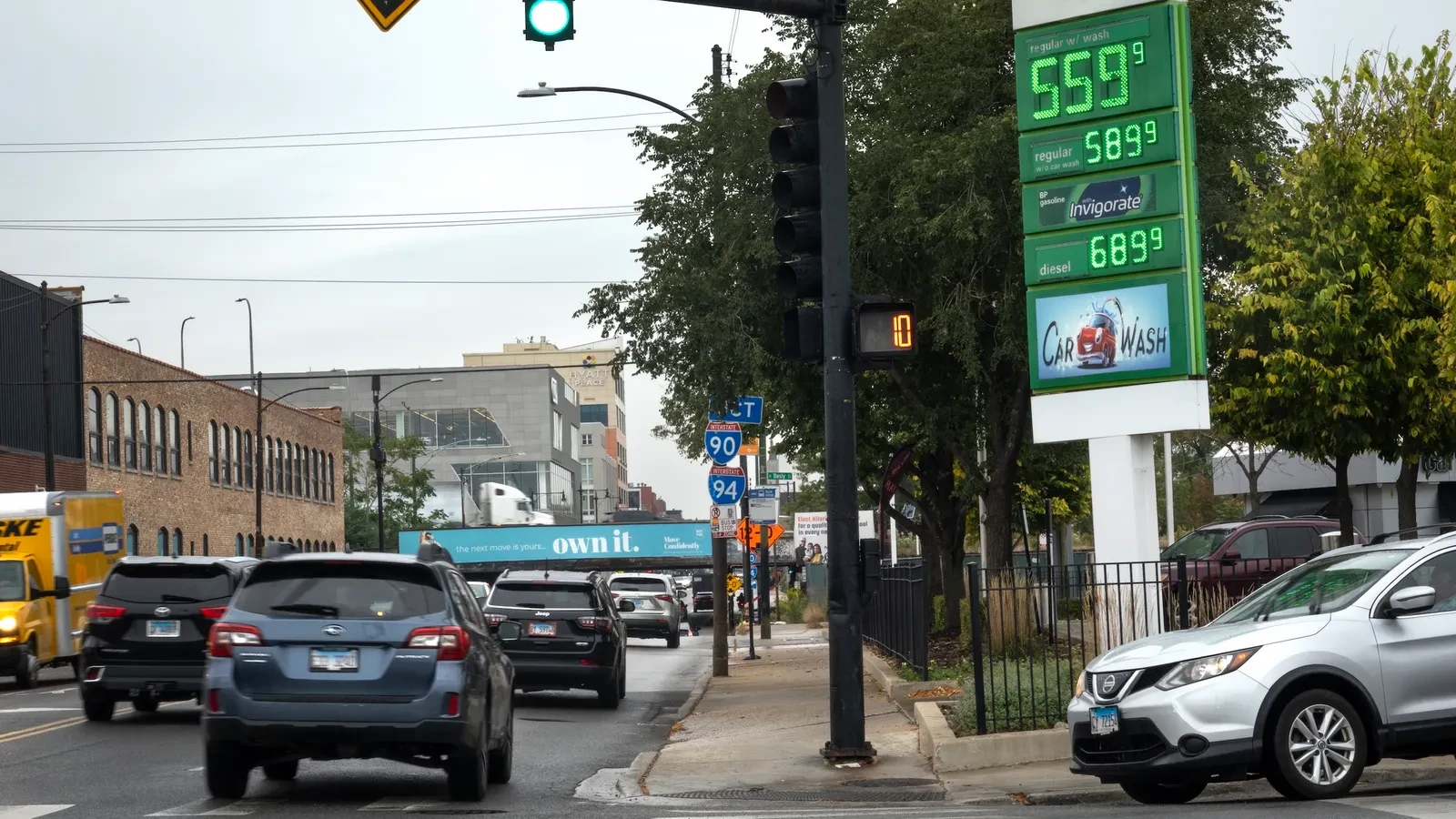
The ripple effects are visible across virtually every mode of travel, driven significantly by surging fuel prices. The average price for gasoline across the United States rose 7.3% in September over the prior month and a staggering 37.6% over the same period last year, according to BTS figures. Analysts point to these energy spikes as a primary culprit behind broader economic pressures.
"High fuel prices are driving overall inflation and squeezing household budgets and increasing the cost of everyday goods and services," Yagiz Sullu, founder and lead analyst for Sullu Strategic Advisory, told Smart Cities Dive.
The burden is even heavier within the commercial shipping and logistics sector. Diesel fuel prices jumped 15.2% month-over-month in September, marking a dramatic 67.8% increase compared to the same month in the previous year. Because diesel powers the heavy-duty trucks that move freight across the country, as well as the agricultural equipment and fertilizers essential to farming, these logistics costs are quickly passed down to the retail buyer.
"Larger movements in the price of diesel [are] starting to show up in the price of consumer goods," Babson College Assistant Professor of Finance Luke Stein told Smart Cities Dive, noting the direct link between commercial fuel markets and everyday retail items.
The aviation and automotive sectors are experiencing similar turbulence. Jet fuel prices skyrocketed by 84% in August compared to the same period the previous year, contributing to higher domestic airline fares. At the same time, maintaining and repairing personal vehicles has become noticeably more expensive, while purchasing a brand-new car remains a major financial hurdle. According to Kelley Blue Book, the average transaction price for a new vehicle has pushed past the $50,000 threshold.
These compounding expenses are directly altering consumer habits outside of long-distance travel. Hallgren noted that proprietary data from Arity reveals a direct correlation between fuel costs and local commerce: for every 1% increase in weekly gas prices, researchers observed a measurable decline in trips to grocery stores, restaurants, and other retail locations across nine states during a spring observation period.
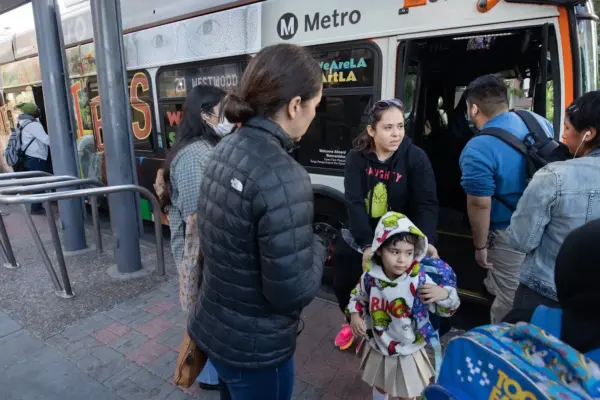
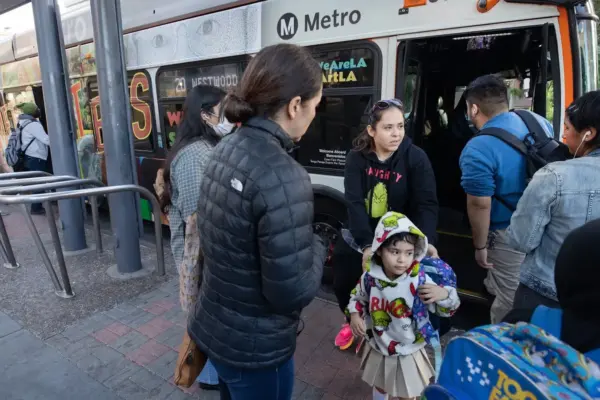
As private vehicle ownership and operation become increasingly costly, public infrastructure is feeling the strain as well. Public transit systems across the country are implementing fare hikes to keep pace with their own escalating operating expenses.
In January, the New York Metropolitan Transportation Authority raised its subway and bus fares by 10 cents while increasing commuter rail ticket prices by up to 8%. On the West Coast, the North County Transit District and San Diego’s Metropolitan Transit System enacted fare increases. Additional hikes are scheduled or proposed elsewhere: Miami-Dade County transit fares are set to rise, and the Washington Metropolitan Area Transit Authority is weighing an 11% fare hike for the upcoming year to combat inflationary pressures.
"Transit agencies face increasing operating costs, and we will see this effect more on households that are low to middle income and are more dependent on affordable public transportation," Sullu observed.
Despite these municipal fare adjustments, switching to public transit can still yield substantial financial relief for cash-strapped households. A report released by the American Public Transportation Association (APTA) highlights that households can save anywhere from $12,000 to more than $18,000 annually by relying on public transportation instead of maintaining a personal vehicle, depending on the city.
"When you add up gas, insurance, repairs, and parking, the savings can be significant," said APTA President and CEO Paul Skoutelas in a statement regarding the findings.
The broader economic strain is also influencing seasonal planning and leisure activities. A recent PwC survey indicates that holiday travelers may budget much more tightly this year and actively avoid air travel to cut costs. However, this cautious approach is not uniform across all demographics. Research from travel firm Future Partners points to a growing economic divide, noting that higher-income households will continue to spend freely on leisure. Consumers with annual household incomes of $200,000 or more are projected to spend nearly seven times more on travel than those earning under $49,000.
Experts emphasize that understanding these divergent trends requires looking beyond single economic indicators. By synthesizing data on fuel pricing, public transit utilization, and driving patterns, city planners and transportation analysts can gain a comprehensive understanding of how macroeconomic pressures are shifting the movement of people and goods.
"For cities, that’s why I think it’s important to look at these things together," Hallgren said. "Price is one data point. Transit is another. Driving behavior is another. When you start connecting those signals, you get a much clearer picture of how people are moving and how that could change."