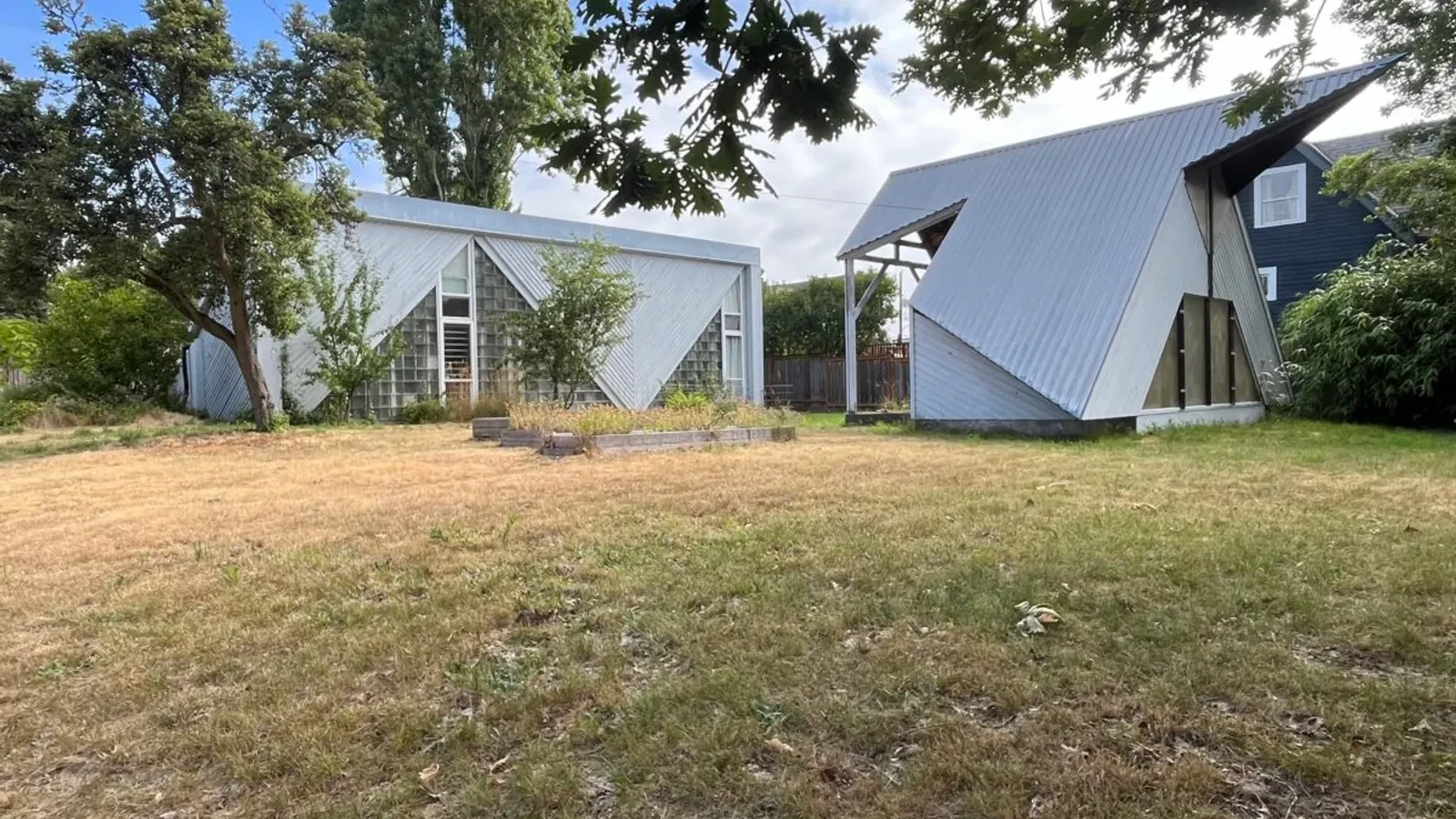
SEATTLE — The Seattle Social Housing Developer (SSHD) board has officially voted to advance a new residential development project, continuing the city’s aggressive push into publicly owned, permanently affordable housing. Following a decisive board vote on October 15, 2026, the organization is set to construct approximately 20 mixed-income homes on a 7,800-square-foot corner lot located in Seattle’s historic and culturally vibrant Central District.
The new initiative marks another milestone for the developing agency as it scales up operations to meet the severe housing affordability challenges facing working-class residents across the Pacific Northwest metropolis. According to organization officials, the Central District project is just one piece of a rapidly accelerating acquisition and development pipeline. The board anticipates that its total portfolio will scale up dramatically over the next year, projecting ownership of roughly 1,000 homes by the end of 2027.
The announcement underscores a unique municipal approach to tackling housing shortages through the creation of publicly owned residential options designed to serve a diverse range of income levels. By bypassing traditional private-market pressures, the Seattle Social Housing Developer aims to establish a sustainable, long-term model for urban housing that keeps units permanently affordable for generations of working Seattleites.
Funding the Vision: The Interlocal Agreement and Proposition 1A
The ambitious expansion of Seattle’s social housing stock is backed by substantial municipal investment and a dedicated revenue stream created by voters. In February, the Seattle City Council approved a critical interlocal agreement with the Seattle Social Housing Developer. That legislative action authorized the transfer of $115 million in public funds to the entity, providing the financial foundation necessary to execute the city’s sweeping vision for publicly owned residential infrastructure.
This capital infusion is directly tied to Proposition 1A, a high-profile ballot measure approved by Seattle voters last year. The voter-mandated initiative established a targeted local tax on major employers, assessing an additional 5% tax on compensation for employees earning more than $1 million annually. By leveraging wealth generated within the local economy, Proposition 1A has created a dedicated, recurring funding mechanism for affordable housing initiatives, shielding social housing development from the traditional budgetary constraints and funding cliffs that often plague municipal programs.
Proponents of the model argue that utilizing corporate and high-earner contributions to fund housing for everyday workers represents an equitable solution to the region’s well-documented affordability crisis. The partnership between the city government and the independent developer is designed to streamline the acquisition of land and the construction of new units, ensuring that public funds are deployed efficiently and transparently.

High Demand and the Lotteries for Public Housing
As the Seattle Social Housing Developer prepares to break ground and develop the 20 mixed-income homes on its newly acquired Central District parcel, the agency is bracing for immense public interest. The homes will be distributed through a public lottery system, a method designed to ensure fair and equitable access to the limited inventory.
The high level of demand for these properties is already well-documented. Earlier this year, when the SSHD held its initial lottery for a major 150-unit social housing apartment complex, the response far exceeded expectations. That offering drew more than 10,000 applicants, according to reporting by the Seattle Times, highlighting the staggering appetite for stable, reasonably priced housing options in a city where rental and purchase prices have skyrocketed over the past decade.
City leaders and housing advocates note that the overwhelming turnout for the initial apartment complex lottery illustrates both the desperation of renters caught in the traditional market and the broad public trust in the social housing framework. The upcoming lottery for the Central District homes is expected to generate a similarly massive response from prospective residents eager to secure a permanent stake in their community.

Looking Ahead: More Acquisitions on the Horizon
With the Central District project now officially greenlit and the initial funding secured through the City Council’s interlocal agreement, the Seattle Social Housing Developer is maintaining a rapid pace of operations. The organization has indicated that the Central District development is only part of its near-term expansion strategy.
SSHD leadership announced that the agency expects to unveil a second major property acquisition for social housing before the conclusion of the year. This upcoming announcement will further test the developer’s capacity to scale its operations, acquire strategic urban land parcels, and deliver on the promise of 1,000 owned homes by the end of next year.
As Seattle continues to navigate the complexities of urban growth, economic inequality, and housing supply constraints, the social housing initiative stands as one of the most closely watched municipal experiments in the country. Through targeted taxation, substantial financial transfers, and community-focused development, the city and the SSHD are attempting to redefine the relationship between public infrastructure and urban housing security.