The North American transit bus market is preparing for a significant shake-up. ABC Companies has announced the launch of an entirely new line of heavy-duty transit buses designed to inject much-needed competition into the sector, while Vietnamese electric vehicle manufacturer VinFast is laying the groundwork to bring its own electric buses to the United States through a strategic partnership.
These developments come at a critical time for transit agencies across the country. In recent years, the U.S. transit bus industry has experienced profound disruptions, including severe supply chain bottlenecks, rising tariffs, and the sudden loss of two major manufacturing competitors. These compounding pressures have left transit authorities grappling with lengthy delivery backlogs and limited choices when upgrading or expanding their fleets.
Industry leaders believe the timing could not be more crucial. With demand remaining exceptionally high among municipal transit agencies and private operators alike, new market entrants are poised to ease the strain on an overburdened manufacturing ecosystem.
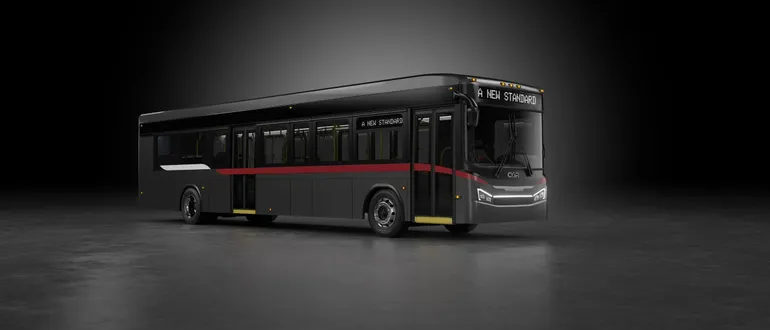
According to ABC Chief Commercial Officer John Walsh, the high demand currently sweeping the market represents both a challenge and an opportunity. Walsh noted that the company intends to step into that market void, adding that the introduction of their new product line should ultimately help improve delivery times for agencies waiting years for vehicle allocations.
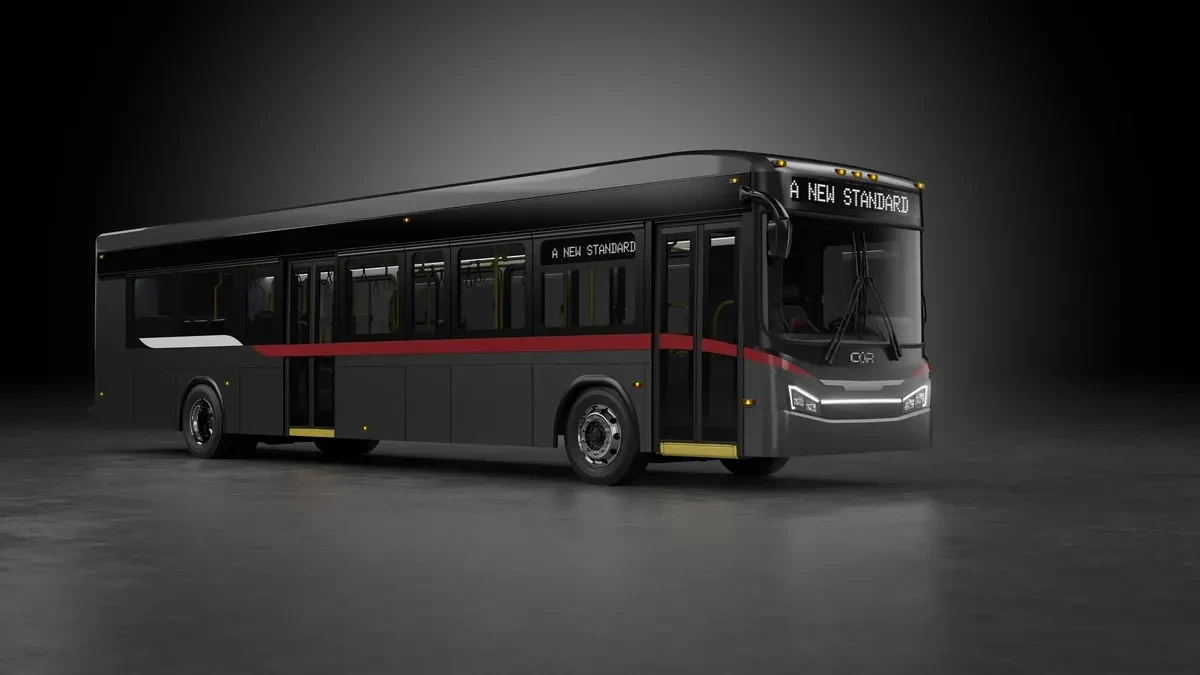
ABC expects its newly established Cor Transit manufacturing operation to roll out its very first heavy-duty transit bus deliveries by 2028. Although the enterprise has not yet finalized the specific geographic location for its manufacturing facility, company leadership has confirmed that the upcoming vehicles will strictly adhere to the applicable requirements of the Build America Buy America Act. This compliance is a vital consideration for transit agencies that rely heavily on federal grants and funding to purchase rolling stock.
Developing a vehicle that resonates with both transit authorities and daily commuters was a primary objective during the design phase. Michael Ammann, ABC’s vice president of the transit division, emphasized the importance of familiarity and comfort. The goal, Ammann explained, was to engineer a product that transit agencies will readily understand while also creating an inviting, passenger-friendly environment that encourages ridership.
To achieve this, the company conceptualized an interior heavily influenced by a calming, European-inspired aesthetic. The layout features soft ambient lighting, wide aisles, and flexible accessibility options designed to accommodate wheelchair ramps at either the front door, the center door, or both configurations, ensuring seamless boarding for all passengers.

Furthermore, the design team approached the engineering process from the ground up, placing a strong emphasis on the practical, everyday needs of service technicians and bus operators. Walsh and Ammann pointed out that modern transit operations often present unique ergonomic and environmental challenges for drivers. For instance, while driver safety partitions are essential for security, they can inadvertently restrict airflow within the operator’s compartment, leading to discomfort and hindered window defogging during warmer or more humid weather.
To resolve this common industry complaint, ABC’s Cor Transit vehicles will come standard with a dedicated driver’s air conditioning system. This integrated climate control feature is specifically engineered to improve air circulation around the operator workstation while actively assisting in defogging the front windows on warm or wet days.
While the zero-emission transition remains a priority for many municipalities, the initial wave of Cor Transit vehicles will be powered by conventional diesel engines. However, company representatives have confirmed that ABC has structured the platform to support alternative powertrains, allowing them to introduce additional propulsion options in the future as market demand and infrastructure mature.
At the same time, the electric vehicle landscape in American public transit is expanding through international collaboration. VinFast is preparing to introduce its Vietnamese-manufactured electric buses to the U.S. market. This market entry will be executed via a partnership with NexMove Certified, which operates as a joint venture between Transportation Management Services and EV charging infrastructure provider Zeem Solutions.

Rather than selling vehicles as standalone assets, the companies plan to offer a comprehensive, bundled package. Under this model, transit agencies and fleet operators will be able to acquire the buses alongside integrated electric vehicle charging infrastructure, ongoing maintenance, and operational support within a single, streamlined purchase agreement.
Robert Hill, VinFast’s vice president of U.S. electric bus sales, noted that the vehicles will be manufactured overseas in Vietnam. Because of their foreign production origin, these specific buses will not meet the stringent domestic sourcing mandates outlined in the Build America Buy America Act, meaning they will primarily appeal to entities that are not bound by federal transit grant sourcing restrictions. To instill confidence in prospective buyers, Hill confirmed that the VinFast electric buses will be backed by a comprehensive 15-year warranty.