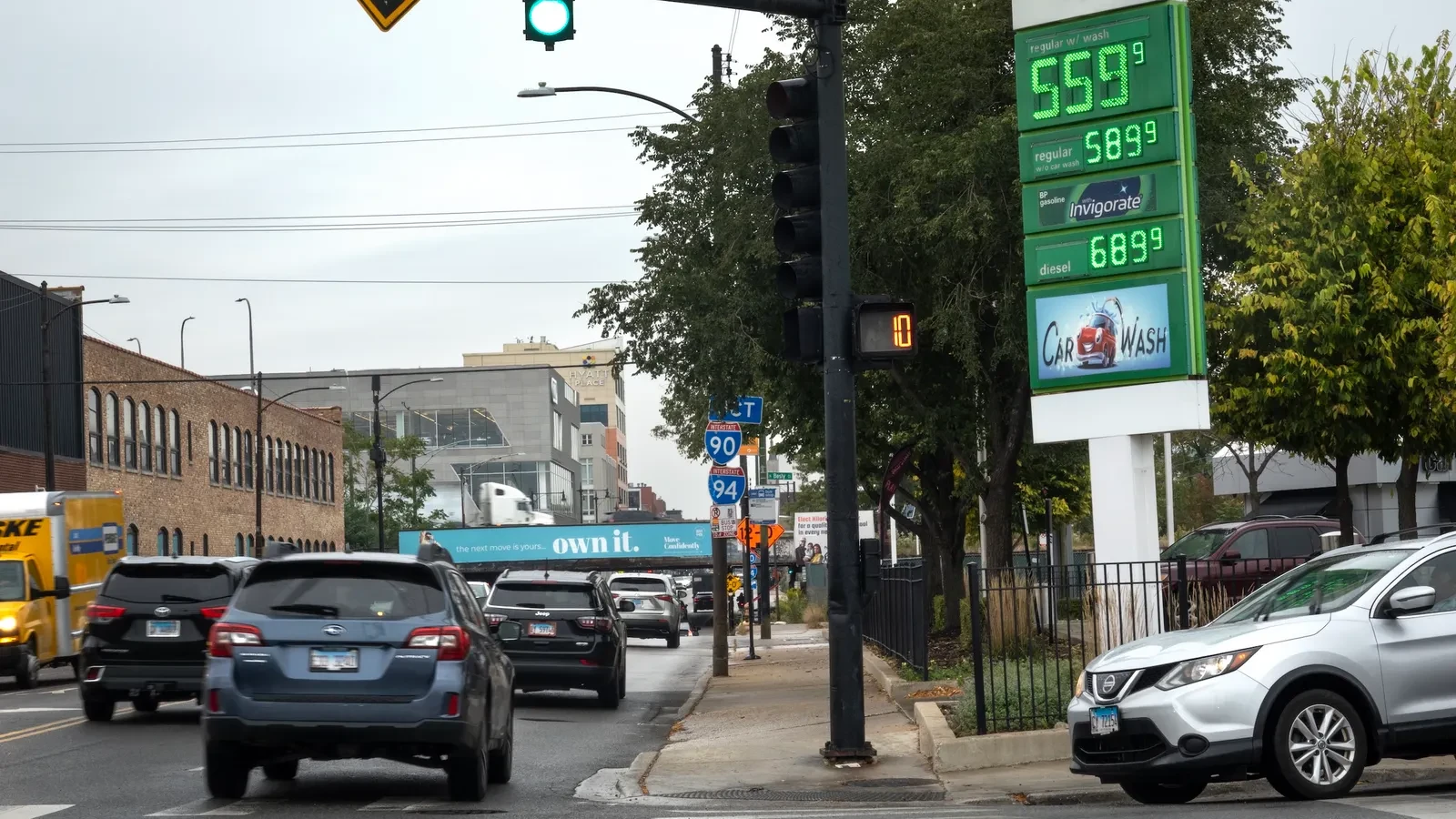
Transportation costs have emerged as a dominant force behind economic pressures in the United States, accounting for more than 35% of overall inflation as of September, according to data from the Bureau of Transportation Statistics. The consumer price index for transportation, which tracks the average cost of getting around across urban centers nationwide, surged 7.9% in September compared with the same month last year on an unadjusted basis.
This dramatic escalation in the cost of moving people and goods is rippling through the broader economy, touching everything from daily commutes and grocery shopping to the price of consumer goods and holiday travel plans. Economists, industry analysts, and transportation officials note that the sustained pressure is forcing Americans to rethink basic mobility habits, altering how, when, and where they travel even if they continue to rely on personal automobiles.
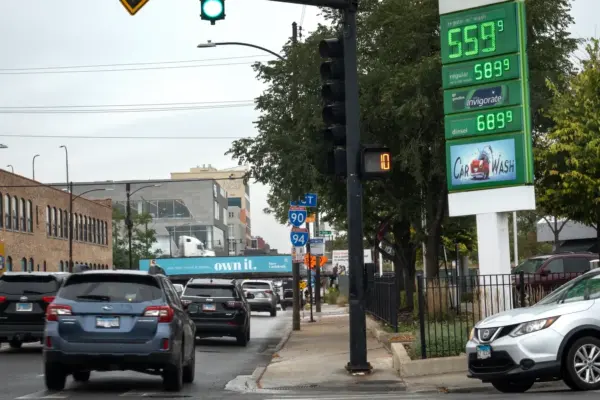
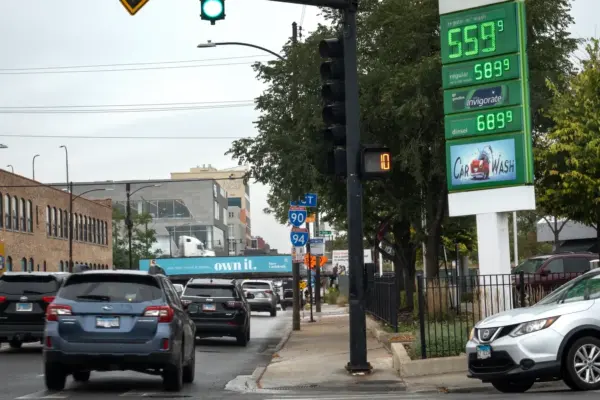
The pinch is perhaps most visible at the fuel pump. The average price for gasoline in the U.S. rose 7.3% in September over the previous month and skyrocketed 37.6% compared to the same period last year, according to BTS figures. Yagiz Sullu, founder and lead analyst for Sullu Strategic Advisory, points out that these persistent, high fuel prices are not only driving overall inflation and squeezing household budgets but are also cascading into the cost of everyday goods and services.
The impact is even more pronounced for diesel fuel, which jumped 15.2% month-over-month in September and a staggering 67.8% over the same month last year. Luke Stein, an assistant professor of finance at Babson College, explains that these larger movements in diesel prices are quickly showing up on store shelves in the price of consumer goods. Because diesel is the lifeblood of freight trucking, agricultural equipment, and fertilizer production, its volatility exerts widespread pressure across supply chains, ultimately raising the cost of retail merchandise nationwide.
The turbulence extends far beyond the nation’s highways. Jet fuel prices soared 84% in August compared to the same period a year earlier, driving up domestic airline fares. At the same time, the cost of vehicle maintenance and repair has climbed steadily, while purchasing a new vehicle has become an increasingly expensive proposition. According to data from Kelley Blue Book, the average transaction price for a new vehicle now exceeds $50,000, putting added strain on buyers who are already facing elevated auto loan interest rates and insurance premiums.
These soaring expenses are actively altering consumer behavior. Gary Hallgren, president of transportation analytics firm Arity, notes that data tracking driving patterns across nine states between March and April revealed a direct correlation between fuel prices and consumer mobility: every 1% increase in weekly gas prices corresponded with a measurable decline in trips to grocery stores, restaurants, and other retail locations. While people may not stop driving altogether, they are increasingly reconsidering their destinations, combining multiple errands into single trips, or cutting back on discretionary travel.
As the cost of private vehicle ownership climbs, public transportation systems are also feeling the strain of inflation, leading to higher fares for commuters. The New York Metropolitan Transportation Authority raised its subway and bus fares by 10 cents in January, alongside increases of up to 8% on its commuter rail lines. In Southern California, the North County Transit District and San Diego’s Metropolitan Transit System implemented fare hikes on October 1. Similar measures are on the horizon elsewhere, with transit fares in Miami-Dade County scheduled to rise in January, and the Washington Metropolitan Area Transit Authority proposing an 11% fare increase for the coming year.
Transit agencies argue that these adjustments are necessary to offset their own rising operating costs, but analysts warn that the burden will fall heaviest on lower- and middle-income households that rely most heavily on affordable public transportation. Sullu notes that these communities are disproportionately vulnerable to transit price increases, lacking the financial flexibility to absorb compounding transportation expenses.
Despite these fare adjustments, proponents of public transit argue that shifting away from personal vehicles can still yield substantial savings. A report released last week by the American Public Transportation Association highlights that households can save anywhere from $12,000 to more than $18,000 annually by choosing public transit over driving, depending on the city. APTA President and CEO Paul Skoutelas emphasizes that when consumers factor in the cumulative costs of gasoline, auto insurance, vehicle repairs, and parking, the potential savings for family budgets are significant.
The mounting cost of transportation is also casting a shadow over upcoming seasonal travel. A recent survey by PwC indicates that holiday travelers are likely to budget more tightly and actively avoid air travel this year. However, travel research firm Future Partners notes a distinct economic divide in how these pressures are felt. While middle- and lower-income consumers pull back, higher-income households continue to spend more freely. According to Future Partners, individuals with annual household incomes of $200,000 or more are poised to spend nearly seven times more on travel than those earning under $49,000.
For urban planners, economists, and transit authorities, navigating this complex economic landscape requires a holistic view of how transportation data intersects with consumer behavior. Hallgren stresses that looking at prices, transit utilization, and driving patterns in isolation is no longer sufficient. By connecting these various signals, cities can gain a much clearer picture of how people are moving through their communities and how ongoing economic pressures will continue to shape the future of mobility.