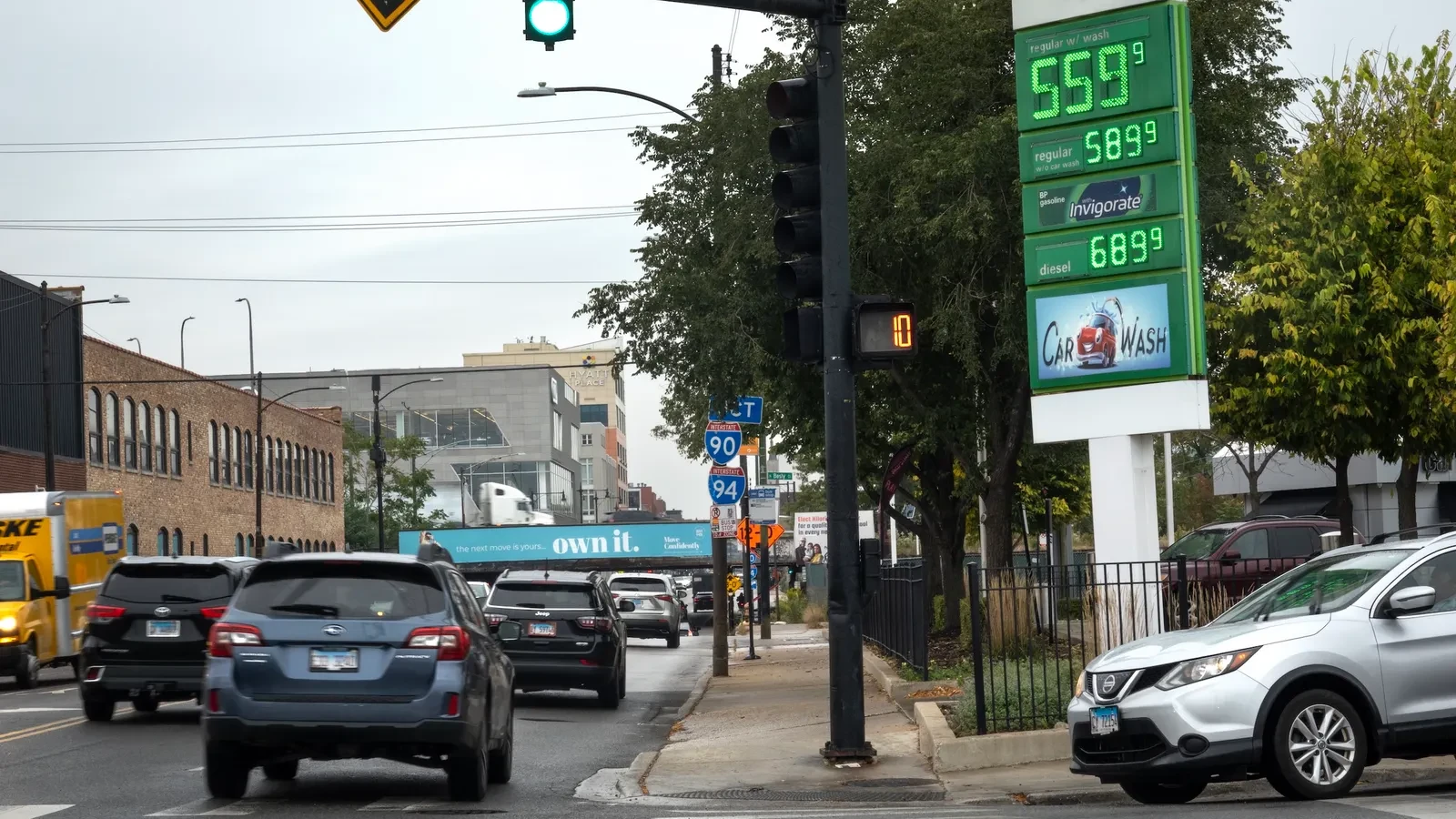
Surging transportation expenses have emerged as the primary engine of economic pressure in the United States, accounting for more than 35% of overall inflation as of September 2026, according to data from the Bureau of Transportation Statistics. The consumer price index for transportation, which tracks the average cost of movement across all metropolitan areas nationwide, climbed 7.9% in September compared to the same month in the previous year on an unadjusted basis. This relentless climb in expenses—spanning fuel, vehicle purchases, maintenance, and public transit—is fundamentally reshaping daily life, consumer habits, and financial planning for millions of Americans.
Industry experts note that these widespread cost pressures are moving far beyond a simple inconvenience at the pump, actively altering the rhythm of everyday commerce and mobility.
"Rising transportation costs can change how, when, and where people travel, even when they don’t stop driving altogether," said Gary Hallgren, president of transportation analytics firm Arity, in a written response to Smart Cities Dive. "People may reconsider where they go, combine trips, or make certain trips less frequently."
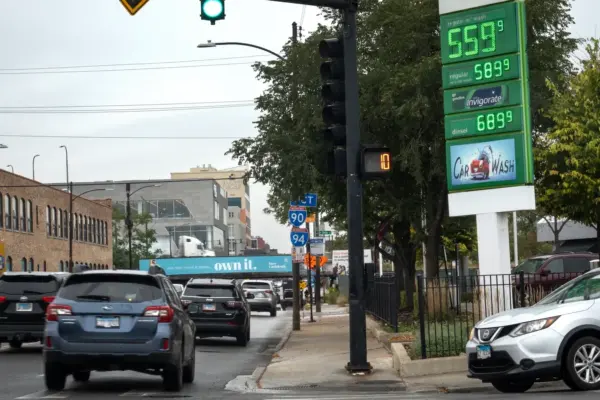
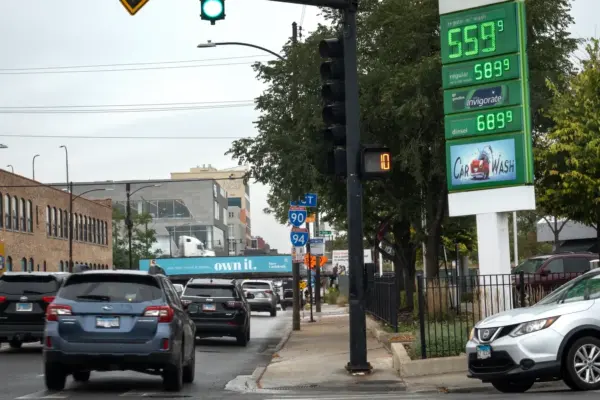
The financial squeeze is most visibly anchored in the cost of motor fuel. The national average price for gasoline rose 7.3% in September over the prior month and a staggering 37.6% compared to the same period a year earlier, according to Bureau of Transportation Statistics figures. This sharp escalation acts as a foundational tax on the broader economy, rippling through supply chains and consumer wallets alike.
"High fuel prices are driving overall inflation and squeezing household budgets and increasing the cost of everyday goods and services," Yagiz Sullu, founder and lead analyst for Sullu Strategic Advisory, told Smart Cities Dive.
The pain is even more acute in the commercial freight and logistics sectors. Diesel fuel prices spiked 15.2% month-over-month in September, registering a dramatic 67.8% increase over the same month in the prior year. Because diesel powers the vast majority of heavy-duty freight trucks, agricultural machinery, and industrial supply vehicles, analysts warn that these fuel spikes foreshadow further upward pressure on retail merchandise.
"Larger movements in the price of diesel [are] starting to show up in the price of consumer goods," Babson College Assistant Professor of Finance Luke Stein told Smart Cities Dive. Stein emphasized that diesel fuel directly influences the operating costs of truck transportation, agricultural equipment, and the production and distribution of fertilizer, creating a cascading effect throughout the agricultural and retail sectors.
The pressures extend into the skies and showrooms as well. Jet fuel prices jumped 84% in August compared to the same period in the previous year, contributing to higher domestic airline fares for consumers. Meanwhile, vehicle maintenance and repair costs have continued to trend upward alongside vehicle acquisition expenses. According to data from Kelley Blue Book, the average transaction price for a brand-new vehicle remains stubbornly above the $50,000 threshold.
These escalating costs are having a measurable dampening effect on consumer mobility. Hallgren noted that proprietary data from Arity reveals a direct behavioral correlation: for every 1% increase in weekly gas prices, researchers observed a measurable decline in trips to grocery stores, restaurants, and other retail locations across nine states during a spring observation window from March 2 through April 20.
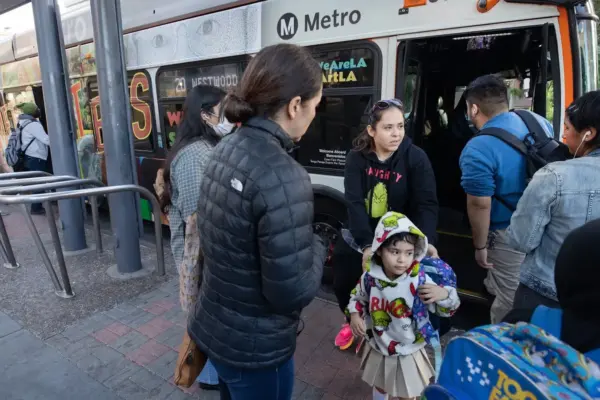
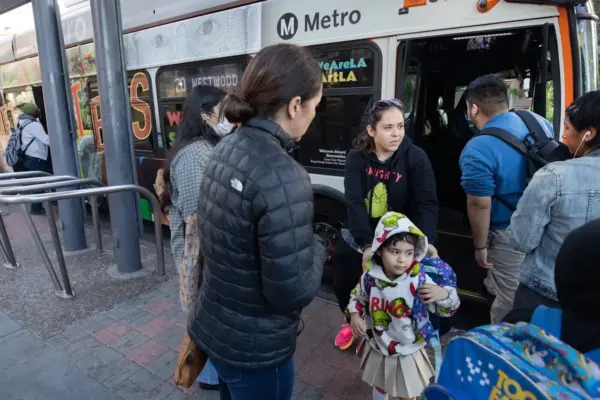
As personal driving becomes increasingly expensive, public transit users are finding little refuge from inflation, which is driving up fares across major metropolitan systems. In response to mounting operational deficits and maintenance expenditures, the New York Metropolitan Transportation Authority raised its subway and bus fares by 10 cents in January, while also hiking ticket prices on commuter rail lines by up to 8%.
Further west, the North County Transit District in San Diego and San Diego’s Metropolitan Transit System implemented fare increases on October 1. Similar measures are advancing elsewhere. Transit fares in Miami-Dade County are scheduled to go up in January, and the Washington Metropolitan Area Transit Authority has proposed an 11% fare hike for the coming year, citing inflation as the primary driver.
"Transit agencies face increasing operating costs, and we will see this effect more on households that are low to middle income and are more dependent on affordable public transportation," Sullu observed.
Despite these fare adjustments, proponents of mass transit argue that public systems still offer substantial financial relief compared to the punishing costs of owning and operating a private automobile. A report released last week by the American Public Transportation Association indicates that households could potentially save between $12,000 and more than $18,000 annually by choosing public transportation over personal vehicles, with the exact figure varying by metropolitan area.
"When you add up gas, insurance, repairs, and parking, the savings can be significant," APTA President and CEO Paul Skoutelas said in a statement.
The cumulative weight of inflation and transportation expenses is also casting a shadow over upcoming seasonal plans. A recent survey conducted by PwC suggests that holiday travelers are likely to budget more tightly and actively avoid air travel this year. However, market research indicates that spending habits are splitting along stark economic lines.
According to findings from travel research firm Future Partners, higher-income households will continue to spend more freely, insulating themselves from broader cost-of-living pressures. Individuals with annual household incomes of $200,000 or more are projected to spend approximately 6.8 times more on travel than those with household incomes falling below $49,000.
Municipal planners and transportation analysts argue that understanding these disparities requires a holistic approach that bridges economic data with physical mobility patterns.
"For cities, that’s why I think it’s important to look at these things together," Hallgren said. "Price is one data point. Transit is another. Driving behavior is another. When you start connecting those signals, you get a much clearer picture of how people are moving and how that could change."