LOS ANGELES — Transportation and municipal leaders gathered to officially break ground on a major infrastructure initiative designed to transform public mobility across the region: the Vermont Bus Rapid Transit (BRT) project. The milestone celebration marks the official commencement of construction for a high-capacity transit line that aims to overhaul travel options along one of the busiest and most vital north-south corridors in Los Angeles County.
The undertaking, spearheaded by the Los Angeles County Metropolitan Transportation Authority, achieved a critical financial milestone on September 1 when the Federal Transit Administration awarded the project nearly $150 million through its Capital Investment Grant Small Starts Program. With this substantial federal injection secured, the Vermont BRT project is now entirely funded. The remaining budget is supported by a combination of state funding sources and local voter-approved sales tax revenues dedicated to improving regional transportation infrastructure.
Spanning a heavily traveled urban landscape, the new transit line will run from East Hollywood at its northern terminus down to the West Athens neighborhood at its southern end. City and transit officials have long pointed to the Vermont corridor as a weak point in an otherwise expanding regional rail and bus network. By implementing dedicated transit lanes and advanced operational improvements, the project intends to reestablish and fortify the backbone of the local bus system.
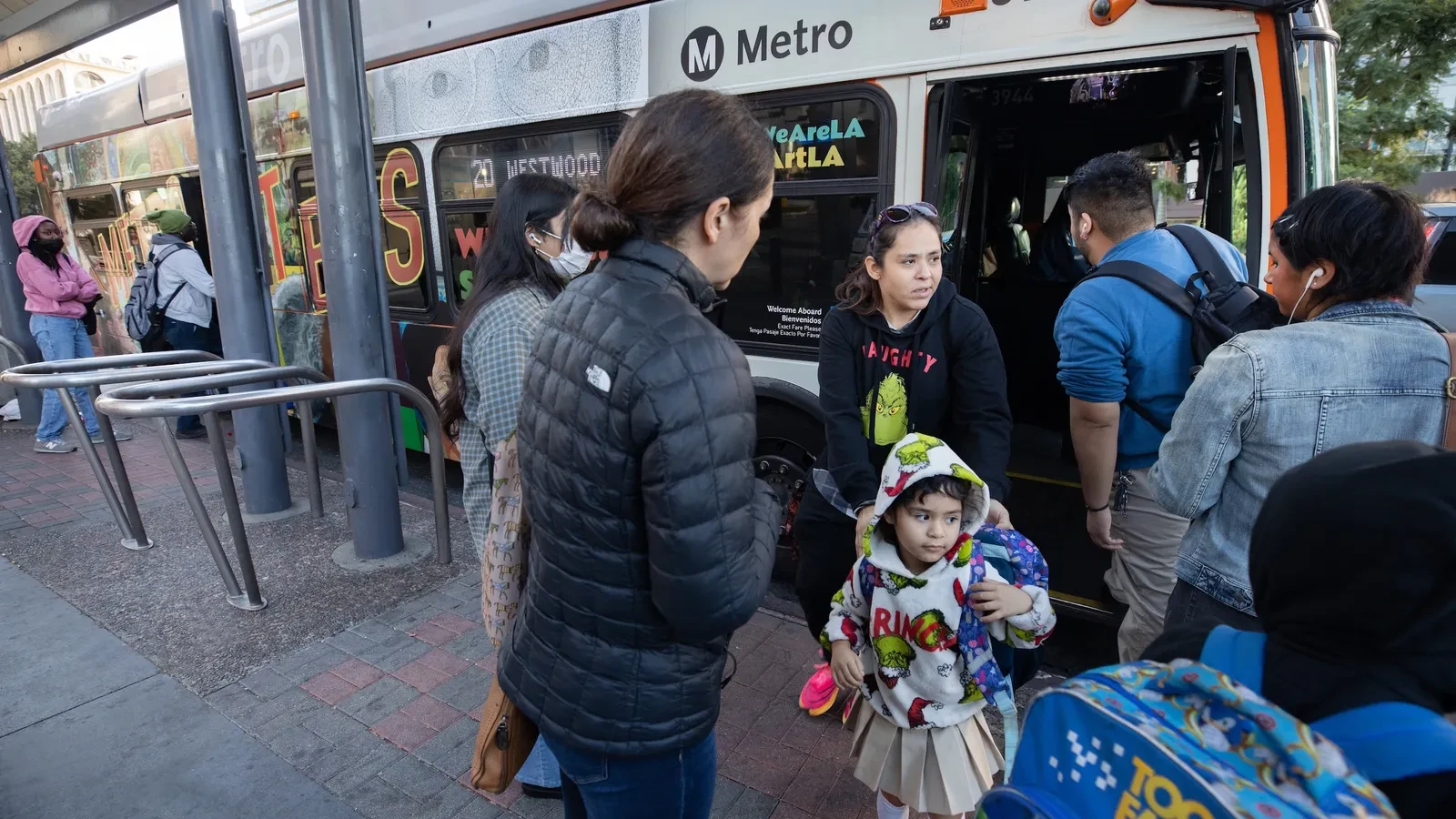
During the groundbreaking ceremony, LA Metro CEO Stephanie Wiggins emphasized the strategic importance of the route. By improving the Vermont corridor, she noted, the agency is reinforcing the crucial north-south backbone of the broader bus system. Once construction concludes and the line officially opens to the public, the Vermont BRT is projected to accommodate more than 66,000 passenger trips every day, providing a vital lifeline for daily commuters, students, and neighborhood residents alike.
Local leadership echoed the sentiment that the community has long awaited a high-quality, dependable transit upgrade. Delivering fast, reliable, and seamless transit options is precisely what the residents of Los Angeles County and South Los Angeles deserve, Los Angeles County Supervisor Holly Mitchell remarked during the event. The sentiment reflects a broader push across the region to modernize legacy bus corridors so they can deliver rail-like speed, frequency, and reliability.
Beyond its immediate impact on daily commuting, the Vermont BRT corridor is engineered to serve as an indispensable integration hub within the broader Southern California transit network. The route connects directly with four distinct Metro Rail lines, allowing riders to seamlessly transfer between heavy rail, light rail, and rapid bus services. Furthermore, the corridor intersects with more than 13 east-west bus routes, effectively knitting together disparate parts of the city into a more cohesive and navigable public transportation grid.
The timing of the project’s completion also aligns with a historic period of international attention for the city. Along the Vermont route sit several prominent venues designated for the upcoming 2028 Olympic Games, including the historic Los Angeles Memorial Coliseum and the stadium at Exposition Park. By providing high-capacity, high-frequency transit access directly to these venues, the project will play a critical role in managing the massive influx of visitors and residents expected during the international athletic competition.
In addition to serving Olympic venues, the transit corridor connects a dense web of educational institutions, cultural landmarks, and residential communities. The route provides direct access to the University of Southern California, the newly established Lucas Museum of Narrative Art, Los Angeles City College, and nearly 90 schools situated along or near the corridor. For thousands of students, faculty members, and museum visitors, the upgraded transit line will offer a practical, car-free alternative for navigating the city.
The physical transformation of the corridor will introduce extensive infrastructure enhancements designed to improve both transit speed and pedestrian safety. According to a press release issued by LA Metro, the project will upgrade 26 bus stations along the corridor. These stations will feature improved lighting to enhance nighttime safety, real-time arrival displays to keep passengers informed, emergency call buttons for added security, and accessible curb ramps to ensure compliance with the Americans with Disabilities Act and better accommodate passengers with mobility devices.
Complementing the station upgrades, Metro is implementing significant streetscape redesigns along the entire length of the route. Crews will install wider sidewalks to accommodate heavy pedestrian traffic, protected bike lanes to encourage active transportation and safeguard cyclists, and bus bulb-outs. These bulb-outs extend the sidewalk space at bus stops, allowing buses to board passengers without weaving out of and back into traffic lanes while simultaneously shortening street-crossing distances for pedestrians navigating the busy corridor.