The North American transit bus market is poised for a significant shake-up. ABC Companies has announced the launch of an entirely new line of heavy-duty transit buses, while Vietnamese electric vehicle manufacturer VinFast is preparing to bring its electric buses to the United States through a strategic partnership. These dual developments arrive at a critical time for transit agencies across the country, many of which have struggled with lingering supply chain disruptions, rising tariffs, and a severe shortage of manufacturing options.
The U.S. transit bus industry has experienced profound instability over the last several years. Pandemics, component shortages, and broader economic pressures severely impacted production timelines. Compounding these challenges was the departure of two major bus manufacturers from the market, which left remaining builders struggling under massive order backlogs. For municipal transit systems and private operators alike, acquiring new vehicles has meant enduring extraordinarily long wait times and limited choices.
Industry leaders believe the introduction of fresh manufacturing capacity will help alleviate these pressures. There is a high demand in the market right now, and industry stakeholders are optimistic that new entrants can help fill the void and improve delivery timelines for agencies desperate to update or expand their fleets.
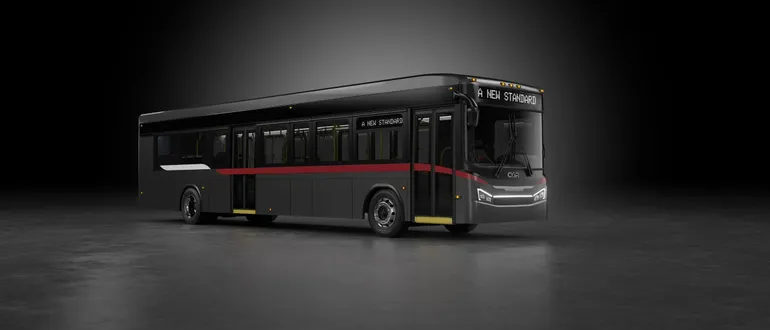
ABC Companies Debuts Cor Transit
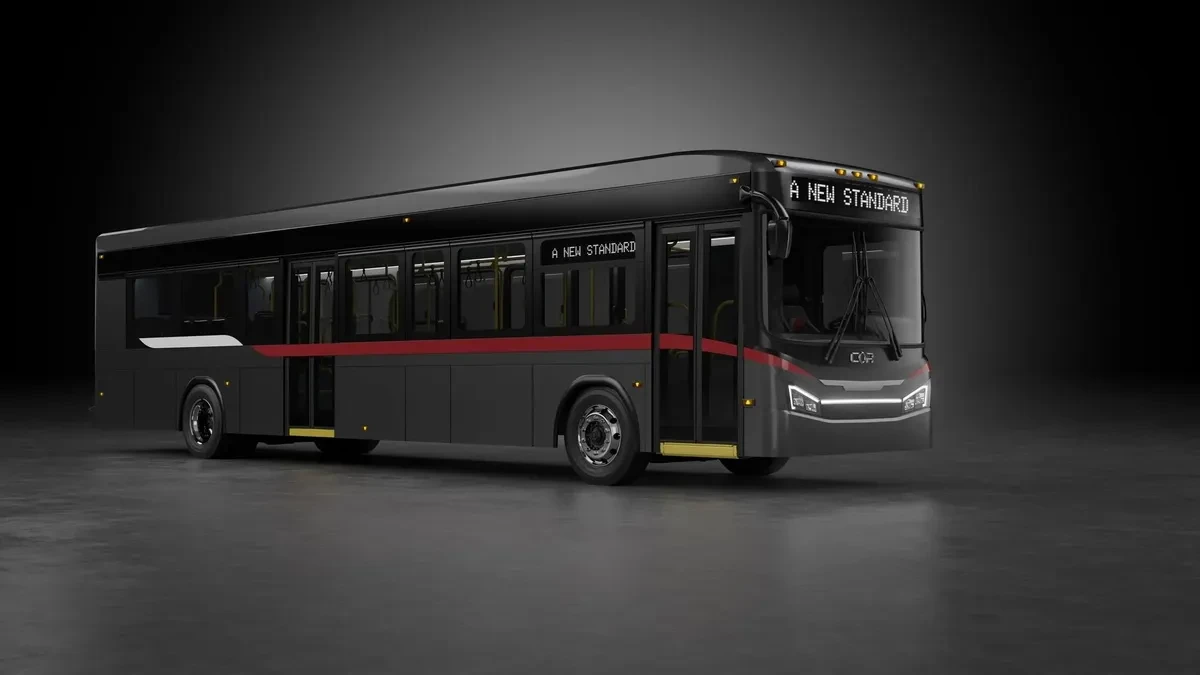
ABC Companies has stepped into this demanding landscape with the creation of Cor Transit, a dedicated heavy-duty transit bus manufacturing operation. According to company leadership, the first deliveries of the new Cor Transit vehicles are expected to hit the road in 2028.
While ABC Companies has not yet finalized the specific geographic location for its manufacturing facility, the company has confirmed a critical detail for municipal buyers: the new bus will meet the applicable requirements of the Build America Buy America Act. This compliance is essential for transit agencies that rely heavily on federal grants from the Federal Transit Administration to fund their capital purchases. Without meeting these domestic content and manufacturing mandates, agencies risk losing access to crucial federal funding streams.
The development of the Cor Transit lineup involved a meticulous design process focused on both passenger experience and operational practicality. The overarching goal was to develop a product that transit agencies will readily understand and adopt, while also creating an exceptionally inviting vehicle for everyday riders.

Designers focused heavily on the interior environment, aiming for a calming atmosphere characterized by modern ambient lighting and a distinctively European feel. Accessibility and passenger flow were also paramount during the engineering phase. The bus has been designed to accommodate a wheelchair ramp at the front door, the center door, or both configurations, depending on the specific operational needs of the transit agency. Additionally, the vehicle features an exceptionally wide aisle to facilitate smooth boarding, alighting, and interior movement for passengers.
Beyond passenger comfort, ABC Companies engineered the Cor Transit vehicle from the ground up with service technicians and bus operators in mind. Modern transit buses often incorporate safety partitions to protect drivers from assaults, but these physical barriers frequently disrupt cabin airflow, leaving operators uncomfortable and windows prone to fogging. To solve this common industry complaint, the Cor Transit model will come standard with a dedicated driver’s air conditioning system. This dedicated climate control setup not only keeps the operator comfortable but also assists in rapidly defogging windows and circulating fresh air during warm summer days.
Initially, the first wave of Cor Transit vehicles will be powered by conventional diesel engines. However, the manufacturer has structured the platform to accommodate alternative power sources in the future, positioning the brand to adapt as more transit systems transition toward zero-emission technologies.
VinFast Expands U.S. Footprint With Electric Buses

While ABC Companies is preparing its domestic manufacturing pipeline with diesel-powered models, VinFast is taking a different route to capture a share of the burgeoning U.S. transit market. The Vietnam-based automotive manufacturer has announced plans to bring its electric buses to the United States through a high-profile collaboration with NexMove Certified, a joint venture combining the operational expertise of Transportation Management Services and the specialized electric vehicle charging infrastructure provider Zeem Solutions.
Under this new partnership, the companies plan to offer a comprehensive, bundled approach to fleet electrification. Rather than simply selling buses, the partnership intends to provide the vehicles alongside integrated charging infrastructure, ongoing maintenance, and operational support packaged into a single purchase agreement. This turnkey model is designed to lower the barrier to entry for transit operators and commercial fleets looking to adopt electric buses without navigating the complex logistics of building charging depots and managing new maintenance protocols independently.
Because VinFast will manufacture these electric buses in Vietnam, the vehicles will not comply with the stringent domestic sourcing mandates of the Build America Buy America Act. Consequently, these buses will likely target private operators, university campuses, corporate shuttles, or transit agencies that do not rely on federal grant funding requiring domestic production. To build confidence among prospective buyers entering into agreements for imported electric fleet vehicles, VinFast plans to back the buses with a robust 15-year warranty.
The simultaneous emergence of ABC Companies’ Cor Transit line and VinFast’s electric bus partnership signals a turning point for North American transit procurement. As these new manufacturing operations and delivery pipelines ramp up over the coming years, transit agencies and fleet managers can anticipate a more competitive market with broader choices, aimed at resolving the chronic supply bottlenecks that have defined the industry for much of the decade.