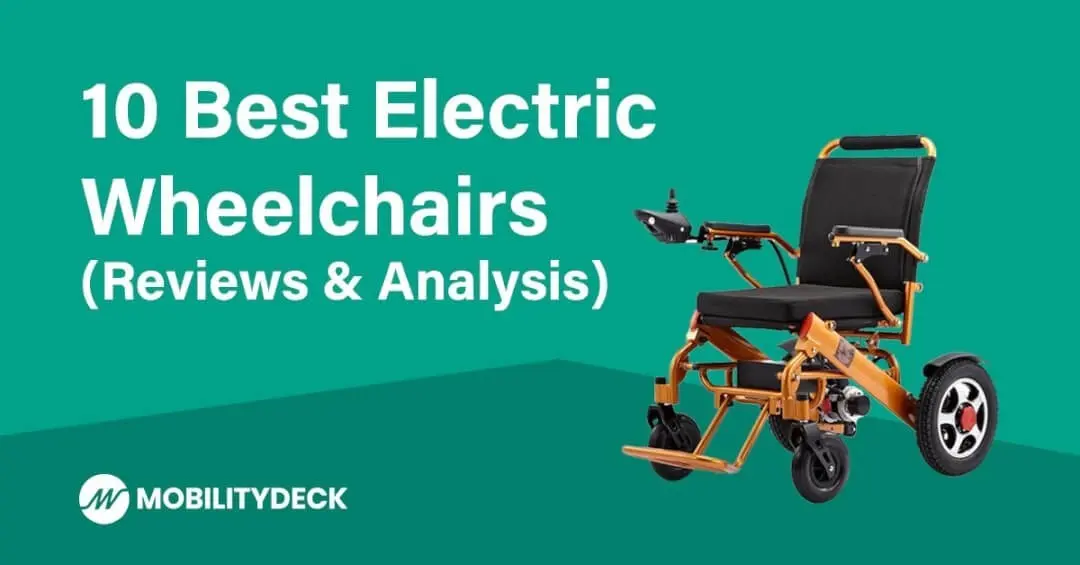
Choosing an electric wheelchair is widely regarded as a significant life decision, one that can profoundly impact an individual’s daily mobility, freedom, and overall independence. With the market for motorized power chairs expanding exponentially over the past few years, consumers are now met with hundreds of distinct options spanning a wide spectrum of prices and capabilities. While this vast selection ensures that a truly ideal power chair exists for nearly every user, it simultaneously complicates the search process. To help consumers navigate these choices, industry experts have reviewed dozens of leading electric wheelchairs, comparing their core attributes to identify the absolute best models across various categories, including lightweight designs, heavy-duty frames, options for seniors, and foldable travel companions.
The Top-Rated Electric Wheelchairs on the Market
Market evaluations highlight several standout models that excel in performance, build quality, and user satisfaction. Claiming the top spot as the best overall choice is the EZ Lite Cruiser Deluxe DX12. Praised for offering exceptional quality and robust features at a mid-range price point, this model combines tight mobility, impressive battery life, and a lightweight, foldable frame. Weighing between 58 and 64 pounds depending on the battery setup, the DX12 features large rubber wheels and a reliable suspension system designed to handle diverse terrains, from grassy fields and sidewalks to airports and grocery stores. Despite its nimble profile, it supports users up to 305 pounds and is backed by a professional, USA-based customer service team.
Securing the runner-up position is the Porto Mobility Ranger D09, earning stellar marks for its comfortable ride, stable sharp turns, and ability to handle various outdoor surfaces with ease. Equipped with long-lasting dual batteries, the Ranger D09 maintains consistent performance even when running low or ascending accessibility ramps. Although its cushion slightly affects its compactness when folded and its joystick controls require a brief adjustment period, its overall reliability is reflected in high user ratings.
For frequent travelers, the Forcemech Voyager R2 emerges as the premier recommendation. Weighing a mere 43 pounds without its battery, it stands out as one of the lightest electric wheelchairs available, making it exceptionally well-suited for airplanes, cruise ships, and public transit. While compromises were made to achieve this ultra-portable size—such as non-detachable footrests and lower motor power that struggles on rough grass—its quick folding mechanism, rotating armrests, and long battery life make it an ideal travel companion.
For users requiring a robust, heavy-duty solution, the Sentire Med Forza D09 Deluxe delivers remarkable build quality capable of supporting users up to 396 pounds. Equipped with two powerful motors and dual long-lasting batteries, this model provides superior suspension and outdoor stability across steep inclines and rough terrain while maintaining indoor maneuverability. Although its solid tires can occasionally leave indoor marks and its controls can feel slightly responsive, its sturdy performance makes it a premier heavy-duty choice.
Rounding out the top selections is the Drive Medical Cirrus Plus, designated as the best budget pick. Priced lower than many competitors, this traditional folding power chair is powerful, comfortable, and adept at navigating hills and outdoor paths. Though significantly heavier than lighter travel models, it compensates with reinforced strength, built-in safety features like a seat belt, swing-away footrests, and an adjustable joystick, delivering reliable functionality without an excessive price tag.
Understanding Who Should Buy an Electric Wheelchair
Generally speaking, electric wheelchairs are engineered for individuals who lack the necessary upper body strength to independently propel a manual wheelchair. However, strict rules do not dictate their use. Many power wheelchair users maintain sufficient strength to use manual chairs indoors but prefer the motorized assistance required to navigate comfortably and safely outside the home.
For those contemplating a purchase, visiting a physical storefront to test-drive a model is strongly encouraged. Motorized chairs are not universally suitable, and some individuals ultimately find a greater sense of independence using manual alternatives. Conversely, individuals who enjoy outdoor recreation, urban exploration, or traveling find that electric wheelchairs offer unmatched freedom. With batteries capable of lasting for hours, users can explore new cities and environments without facing physical exhaustion. Nevertheless, because these devices represent a major financial investment, prospective buyers must carefully weigh numerous considerations before committing to a purchase.
Key Features to Evaluate Before Purchase
Selecting the right motorized wheelchair requires a careful analysis of several critical factors tailored to the user’s specific lifestyle and physical environment. Indoor mobility stands as an immediate priority. Buyers must evaluate the turning radius of a chair to ensure it can navigate domestic spaces effectively. While manufacturers typically publish turning radiuses, real-world user reviews often provide the most accurate assessment of how a chair performs in confined hallways. Additionally, seat dimensions and height must align with household furniture, ensuring the chair matches standard bed heights and fits easily through interior doorways.
The logistics of getting in and out of the chair demand equal attention. Users with limited mobility may require specialized configurations, such as swiveling chair legs or rotating armrests, to facilitate safe transfers. Furthermore, individuals who rely on a mechanical hoist to enter their wheelchair must verify that the chosen model is fully compatible with their lifting equipment.
Outdoor mobility is another decisive factor. Prospective buyers must determine whether a prospective chair’s tires and suspension can handle the specific terrains they encounter daily, such as gravel, grass, or uneven pavement. For those who frequently travel, weight, compactness, and the ease of folding and unfolding the frame become paramount concerns.
Cushioning and comfort directly influence the user experience, particularly given the extended periods spent seated in a power chair. Manufacturers typically offer various upholstery materials and seating styles, ranging from contoured foam to air-foam systems and specialized captain’s or rehab seats. Personal preference plays a substantial role in determining which cushioning material prevents discomfort and pressure sores over time.
Battery power and motor performance dictate the range and capability of the device. Larger battery configurations can power a wheelchair for miles across extended periods, though they add considerable weight to the overall frame. Similarly, motor power determines how effectively a chair tackles steep inclines and rough obstacles. While weaker motors conserve battery life and offer smoother indoor rides, stronger motors are essential for outdoor durability and overcoming everyday architectural barriers.
Weight capacity is a vital safety consideration. Standard electric wheelchairs generally accommodate up to 240 pounds, but individuals exceeding this threshold must seek out heavy-duty models explicitly rated for higher maximum loads. Buyers should also investigate the availability of modifications and accessories, ensuring that the chosen frame can accommodate customized adjustments or personal medical requirements over time. Finally, while stylistic preferences take a secondary role to functional needs, aesthetic factors still matter for a device that will become a daily companion for years.
Navigating Costs, Insurance, and Insurance Coverage
Financial considerations often shape the decision-making process, as unmodified electric wheelchairs typically retail between $2,000 and $3,000, with budget models dipping near $1,000 and highly specialized or custom configurations reaching up to $12,000. These substantial costs reflect the extensive research, development, and high-grade materials required to engineer safe, reliable mobility devices.
When exploring financing options, buyers frequently inquire whether health insurance policies cover motorized wheelchairs. Generally, health insurance providers and Medicare will fund electric wheelchairs when they are deemed medically necessary. However, coverage criteria vary widely depending on the specific policy, the provider, and strict regulatory specifications. Consumers are encouraged to contact their insurance providers directly to determine their exact coverage eligibility and documentation requirements.