
The Federal Communications Commission (FCC) is set to consider a comprehensive series of regulatory overhauls designed to support the rapidly expanding unmanned aircraft systems (UAS) industry, advanced air mobility initiatives, and critical ground-based detection networks. Scheduled for a vote during the agency’s upcoming open meeting on November 19, these proposed rules aim to modernize decades-old aviation frameworks, paving the way for safer, more integrated low-altitude airspace operations across the United States.
FCC Chairman Brendan Carr formally announced the planned vote, emphasizing that the initiatives form a crucial part of a broader, ongoing effort to modernize American aviation communications and solidify domestic leadership in drone technology. This high-stakes regulatory push follows closely on the heels of a separate, targeted FCC initiative aimed at carving out pathways for drone communications within the 800 MHz Cellular band, which was scheduled for its own dedicated vote in late October.
As commercial drone delivery, industrial inspection, and emerging passenger-carrying electric vertical takeoff and landing (eVTOL) aircraft transition from futuristic concepts to everyday realities, the demand for reliable, resilient, and flexible spectrum access has reached a critical juncture. The newly proposed rules directly address these technological demands by cutting through outdated regulatory red tape and adapting legacy systems to handle the complex demands of modern low-altitude aviation.
Modernizing Low-Altitude Drone Communications
At the heart of the FCC’s November agenda is a transformative proposal targeting the 450 MHz aviation air-ground service. Historically, this frequency band has been strictly limited to voice communications serving high-altitude general aviation aircraft. Furthermore, legacy regulations have long required cumbersome, site-by-site licensing for ground infrastructure, creating a massive administrative bottleneck that has rendered the band largely impractical for wide-area, low-altitude commercial operations.
Under the newly proposed framework, the FCC intends to completely overhaul these antiquated restrictions to officially support safety-related data links connecting ground stations directly to unmanned aircraft and other emerging low-altitude platforms. By shifting away from rigid, site-by-site licensing and introducing a flexible nationwide system, the Commission aims to give operators the regulatory certainty and technological bandwidth they need to scale operations safely over large geographic areas.
This modernization effort is expected to provide substantial regulatory relief and operational capability not just for traditional commercial drones, but also for the burgeoning advanced air mobility (AAM) sector. As developers continue flight-testing complex eVTOL air taxis designed to transport cargo and eventually passengers within congested urban and suburban corridors, seamless data connectivity is paramount. The proposed changes will help ensure these cutting-edge aircraft can maintain continuous, reliable communication links with air traffic management systems and ground control operators.
Expanding Spectrum Access for Counter-Drone Radar
In tandem with communication upgrades, the FCC is turning its attention to the pressing security and airspace monitoring needs of public safety agencies, airport operators, and critical infrastructure managers. A second major proposal on the November agenda would authorize ground-based radar systems to operate within the 24.45 to 24.65 GHz frequency band specifically for the purpose of detecting, identifying, and tracking unauthorized or low-flying drones.
The strategic importance of this regulatory shift cannot be overstated. As commercial and recreational drone usage skyrockets, security vulnerabilities around sensitive facilities—including commercial airports, international borders, correctional institutions, sports stadiums, and power plants—have become a significant national security and public safety concern. Ground-based surveillance radar operating in this specific band can provide vital early warning and tracking capabilities, allowing security personnel to monitor airspace integrity in real time.
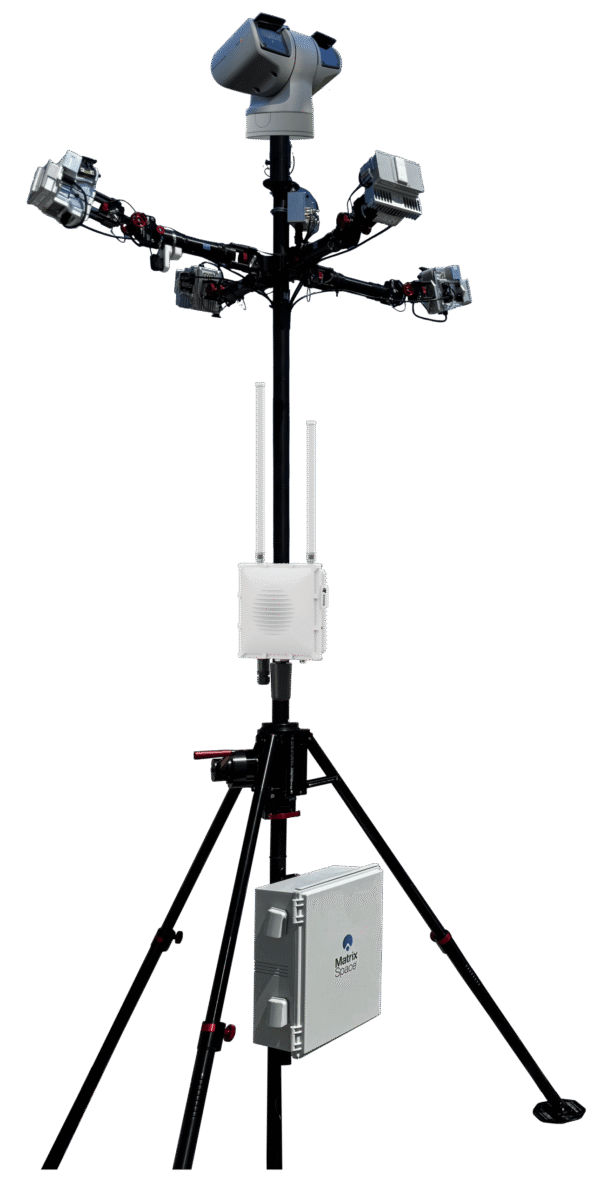
While the FCC has previously explored various restrictions governing ground-based radar applications, existing regulations have traditionally favored certain airborne radar uses while strictly limiting similar surveillance systems on the ground. The proposed rules would rectify this imbalance while incorporating stringent safeguards. Specifically, any newly authorized ground-based radar systems would be legally required to protect incumbent users who hold priority access to the spectrum from harmful interference.
Crucially, the FCC was careful to clarify the precise scope of this regulatory initiative. The proposed changes are strictly tailored to address the technical detection and tracking of drones, and do not grant operators any legal authority to intercept, jam, disable, or otherwise take physical control of unmanned aircraft.
Enhancing Satellite and Commercial Aviation Connectivity
Beyond low-altitude drones and ground-based radar, the FCC’s November agenda features broad updates aimed at enhancing commercial aviation connectivity and non-geostationary satellite systems.
One notable proposal seeks to expand access to the 28.35 to 28.6 GHz frequency band to accommodate non-geostationary satellite (NGSO) systems designed to serve moving platforms. This includes a wide array of mobile applications, ranging from commercial aircraft and ocean-going ships to ground vehicles and long-range drones operating in remote environments where traditional cellular coverage is unavailable.
Additionally, the Commission is advancing plans to modernize the separate 800 MHz Air-Ground band. This update is specifically intended to facilitate significantly improved broadband internet connectivity for passengers and crew aboard commercial aircraft, while simultaneously instituting rigorous technical protections to prevent interference with nearby spectrum users.
Throughout the announcement of these sweeping initiatives, Chairman Carr reiterated the Commission’s unwavering commitment to fostering a pro-innovation environment for American aerospace industries. By systematically dismantling obsolete regulations and streamlining administrative burdens, the FCC hopes to maintain the nation’s competitive edge in the global aerospace and unmanned systems markets.
"At the FCC, we are doing our part to promote U.S. drone and aviation leadership by cutting red tape and modernizing obsolete regulations," Carr stated.
The five-member Commission is scheduled to formally vote on the proposed final rules during its open meeting on November 19. If officially adopted, the regulatory changes will open up vital new pathways for safe drone communications, advanced airspace detection networks, and high-speed aviation connectivity. Comprehensive draft orders outlining the specifics of each proposal have been made publicly available on the FCC’s official November meeting webpage for public and industry review.