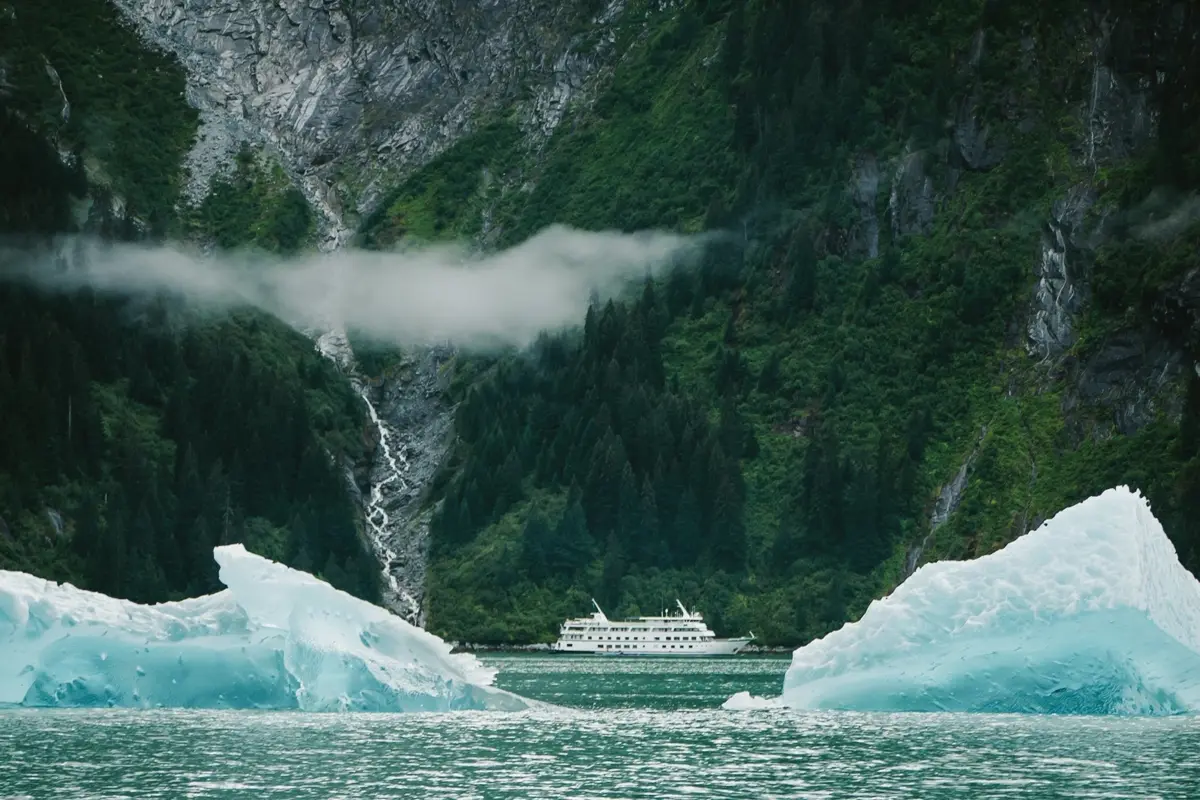
As travelers increasingly seek out remote, pristine destinations that offer both awe-inspiring natural beauty and profound solitude, Glacier Bay National Park and Preserve in Alaska continues to stand out as one of North America’s most magnificent crown jewels. Encompassing millions of acres of rugged mountains, dynamic glaciers, deep fjords, and lush temperate rainforests, the park represents a living laboratory for glaciology and marine biology, drawing visitors from across the globe who are eager to witness a landscape continually shaped by ice and water.
The region, famously captured in striking photography such as Andrew Peacock’s iconic views for Getty Images, offers a visual reminder of the raw, unaltered power of the natural world. From towering tidewater glaciers calving massive blocks of ice into the frigid sea to humpback whales breaching in the deep waters of the bay, Glacier Bay remains a sanctuary for both wildlife and those who venture into its dramatic frontiers. Yet, experiencing this remote wilderness requires careful planning, an understanding of its unique ecosystem, and often, strategic navigation of travel logistics and financial resources.
For modern travelers planning an expedition to Alaska’s southeastern coast, the journey often involves utilizing specialized travel rewards, credit card partnerships, and loyalty programs to manage the considerable costs associated with cruises, flights, and remote lodging. Financial institutions frequently feature travel rewards cards designed to help consumers offset these expenses, though navigating the fine print of partner compensations, approval criteria, and promotional terms remains an essential part of the modern travel-planning process. Editorial teams continually review and update these financial offerings to ensure consumers have access to accurate, up-to-date information regarding how specific cards impact where and how travel products appear in the marketplace.
Independent editorial oversight is a cornerstone of this process, ensuring that the opinions, reviews, and methodologies associated with travel financial products remain entirely distinct from the commercial interests of banks, credit card issuers, airlines, and hotel chains. While card issuers and travel partners may compensate publishers when consumers are approved through specific site links, the core analysis and product evaluations are driven strictly by editorial standards. This separation ensures that prospective travelers receive objective assessments of travel financing tools, allowing them to fund their journeys to destinations like Glacier Bay with clarity and confidence.
The importance of maintaining transparency regarding editorial policies and product review methodologies cannot be overstated, particularly as travel costs fluctuate and new financial products enter the market. Regular updates to recurring travel features ensure that readers are presented with current terms, changing promotional offers, and evolving advice on maximizing rewards points for high-ticket adventures such as Alaskan cruises or wilderness excursions. Whether evaluating a new airline miles card or reviewing the latest hotel loyalty program perks, travelers benefit from comprehensive, unbiased breakdowns of how to leverage these financial instruments effectively.

Beyond the logistics of funding and planning a trip, the enduring appeal of Glacier Bay lies in its rich history and ecological significance. Designated as a national monument in 1925 and later established as a national park and preserve, the area holds deep cultural meaning for the Huna Tlingit people, who consider the bay their ancestral homeland. Long before European explorers mapped the icy inlets, indigenous communities thrived along the shores, harvesting the rich marine resources and passing down oral histories of an advancing and retreating ice sheet that completely covered the region just a few centuries ago.
Today, the scientific community closely monitors the park to understand broader environmental patterns, particularly the rapid recession of glaciers due to changing global climates. As the ice pulls back, it reveals newly exposed land that is rapidly colonized by pioneering plant and animal species, offering researchers a rare, large-scale view of primary succession. Visitors touring the park on authorized cruise ships, tour boats, or private vessels are frequently treated to ranger-led educational programs that highlight these ecological transformations, deepening their appreciation for the fragile balance of the marine and terrestrial ecosystems.
Navigating the waters of Glacier Bay also provides unmatched opportunities for wildlife viewing. The nutrient-rich marine waters support an abundance of life, ranging from tiny zooplankton to massive marine mammals. Humpback whales and killer whales frequent the deep channels, while sea otters, harbor seals, and Steller sea lions can often be spotted resting on floating icebergs or rocky outcrops. Along the forested shoreline, brown bears, black bears, mountain goats, and moose occasionally make appearances, offering wildlife enthusiasts unforgettable glimpses of Alaska’s diverse fauna in their natural habitat.
As interest in sustainable and nature-based tourism continues to grow, Glacier Bay National Park remains a testament to the value of landscape preservation. The strict regulations governing vessel entries into the park help protect the resident marine mammal populations from excessive noise and disturbance, ensuring that future generations can experience the same profound quiet and untamed majesty that travelers encounter today. By balancing public access with rigorous environmental stewardship, the National Park Service maintains the integrity of this extraordinary Alaskan wilderness.
For those inspired to make the journey northward, preparation remains key. From securing permits and booking transportation well in advance to utilizing travel rewards programs responsibly to manage expenses, a successful trip to Glacier Bay requires both practical foresight and a spirit of adventure. As travel platforms continue to update their recommendations and financial guides, prospective visitors have access to an array of tools designed to help turn the dream of exploring Alaska’s icy coast into a well-funded, meticulously planned reality.