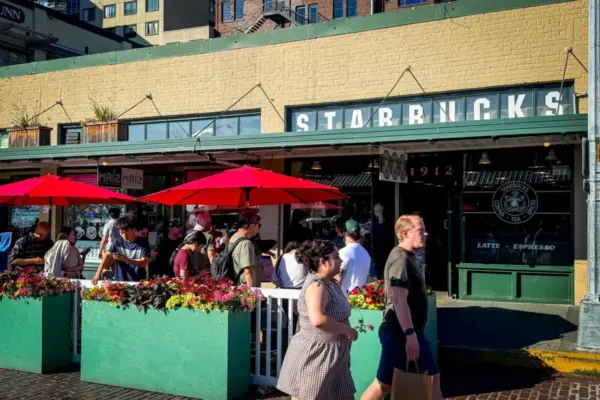
For generations, the default framework of global travel has remained largely extractive and passive. A traveler arrives in a foreign destination, checks off the mandatory landmarks, captures the identical photographic angles circulated across guidebooks and social media platforms, and dines at establishments recommended by mainstream tourism literature. Even when individuals engage with local tours or attempt to converse with residents, the depth of interaction typically remains superficial.
This surface-level engagement is not exclusive to short-term vacationers. Even long-term travelers who frequently distance themselves from the label of "tourist" often replicate the exact same patterns, albeit at a slower geographical pace and with a heightened focus on budget conservation.
While the cultural archetype of dropping into a foreign city, immediately forging deep bonds with locals, and experiencing a cinematic adventure remains a persistent fantasy, the reality of modern transit rarely aligns with this narrative. Because travelers are fundamentally transient figures passing through a community, residents rarely seek out profound social entanglement with temporary visitors. For the vast majority of locals, everyday life proceeds independently of the transient tourism economy, and sustained interactions between residents and visitors remain the exception rather than the rule.
Achieving a genuine understanding of a foreign destination requires prolonged immersion. The most transformative cultural experiences are invariably rooted in contribution, demanding that an individual remain in a single location long enough to cultivate authentic relationships. Rather than merely passing through a landscape, true immersion requires anchoring oneself within the socio-economic fabric of a community.
The Evolution of Global Work and Structured Travel
Encouraging travelers to actively contribute rather than passively consume has long been hindered by logistical friction. Historically, identifying reputable, thoroughly vetted organizations that genuinely improved local conditions proved remarkably difficult. Navigating international employment laws, verifying the legitimacy of volunteer projects, and managing the bureaucratic hurdles of moving abroad often deterred even ambitious travelers.
Today, a growing sector of the international mobility industry is bridging that gap by providing organized pathways not only for meaningful volunteer assignments but also for compensated international employment. Among the prominent organizations operating in this space is Global Work & Travel, which functions as a major player in the international gap year and working holiday sector.
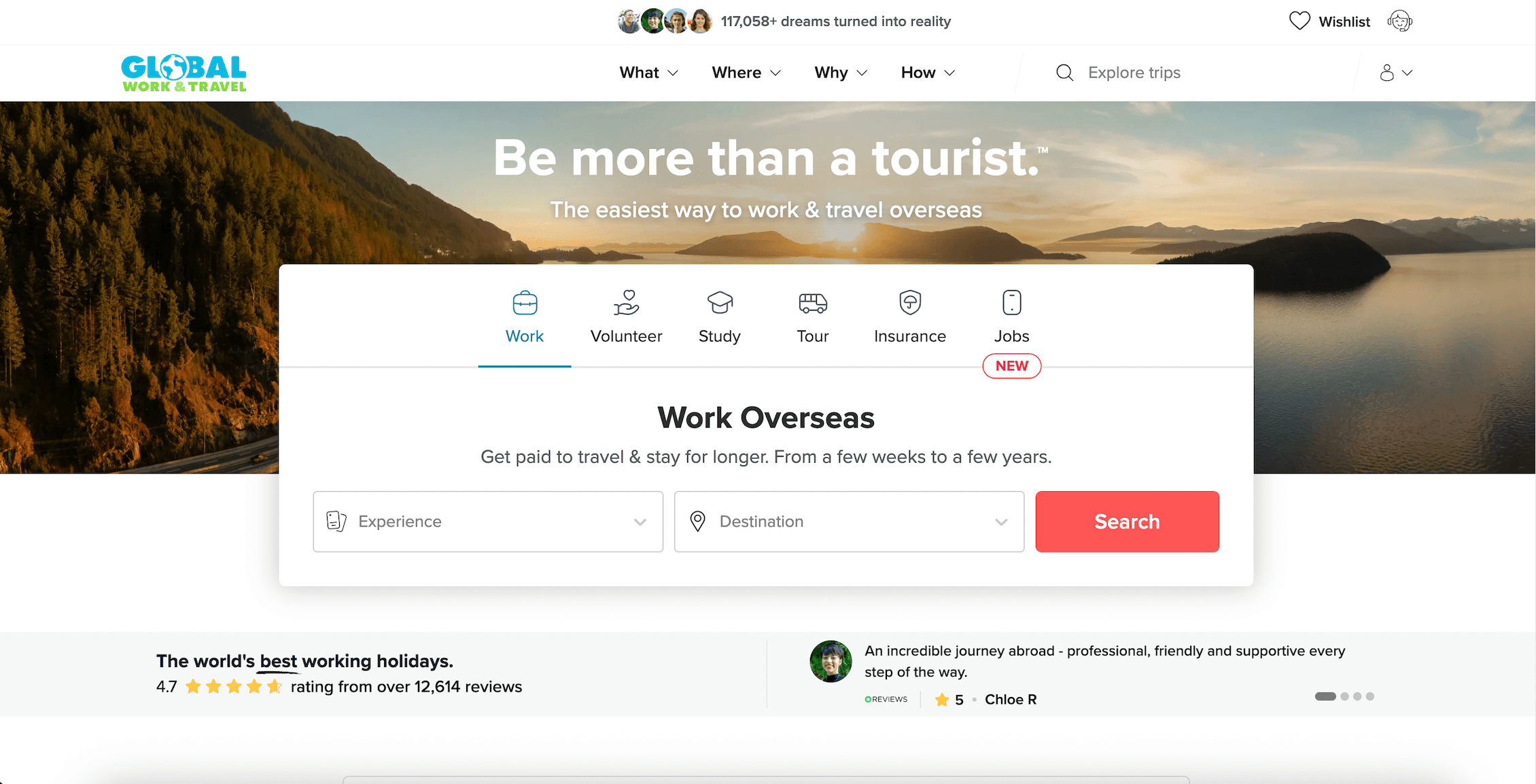
Having spent nearly two decades facilitating placements across the United Kingdom, Europe, the Americas, Asia, Africa, and the Pacific, the organization has coordinated international transitions for more than 116,000 participants. The scope of their operations addresses a fundamental reality of relocation: even seasoned travelers frequently encounter severe friction when attempting to move abroad independently. Securing stable employment, negotiating permanent housing contracts, avoiding months of cramped shared-room arrangements, absorbing unpredictable urban transport costs, and competing directly against local job applicants represent formidable obstacles for long-term travelers.
Structured programs act as a vital operational safety net for individuals hesitant to navigate complex foreign bureaucracies entirely on their own. By handling job matching processes, pre-departure logistics, visa application guidance, and ongoing local support via integrated digital management tools like the gWorld portal, these companies remove the friction that often stalls international travel plans. For first-time travelers venturing beyond domestic borders, the presence of an established support framework frequently marks the definitive boundary between abandoning a travel ambition and successfully executing it.
Why Working Holiday Makers Are Redefining Remote Mobility
For the past decade, the concept of the "digital nomad" has dominated aspirational discourse surrounding long-term international mobility. The established blueprint—working remotely, earning capital in a high-value currency, and residing in regions with a lower cost of living—has served as the standard template for location-independent professionals.
However, this structural model inherently serves a relatively narrow demographic segment. Sustaining a digital nomad lifestyle demands an existing remote career, a consistent income threshold, and a degree of professional stability that younger travelers and recent graduates rarely possess.
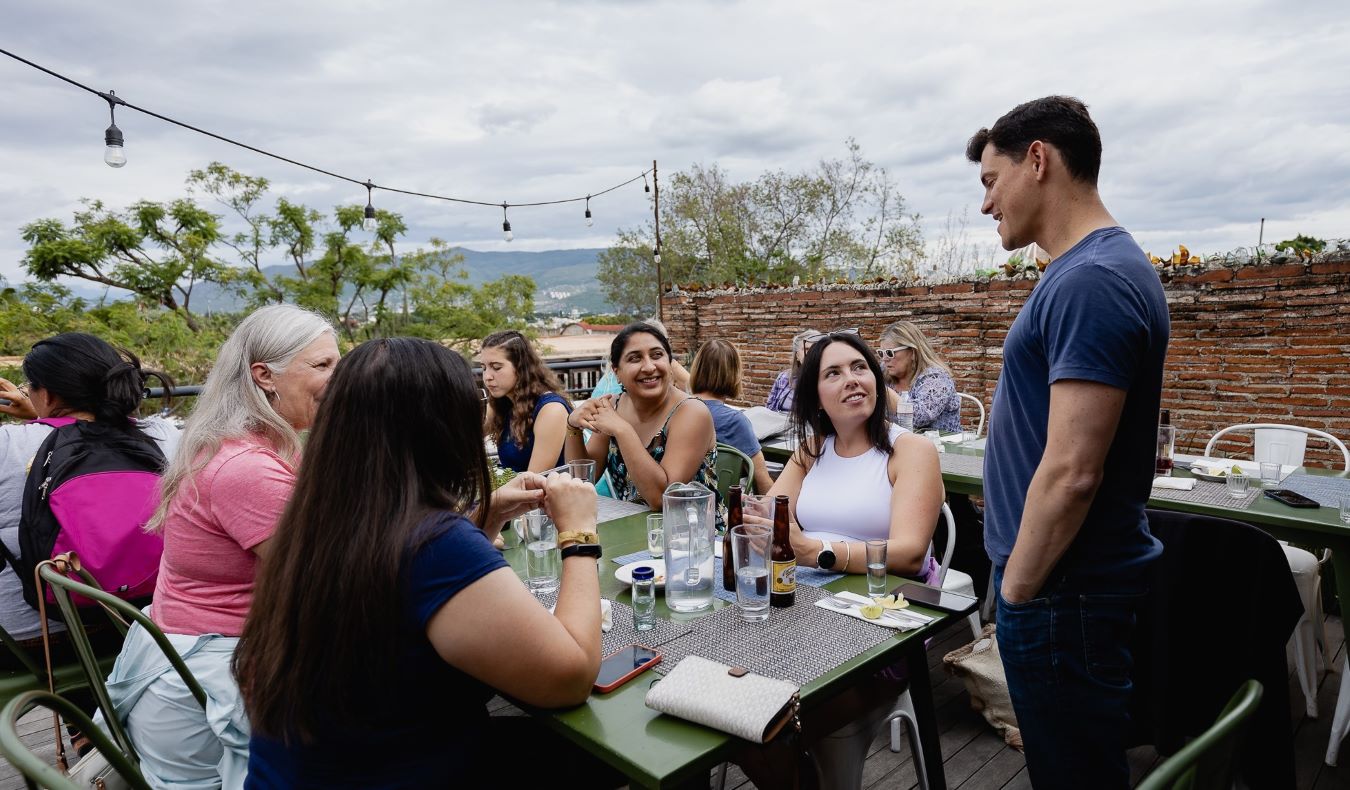
Working holiday programs fundamentally invert this dynamic. Instead of transporting an existing remote job across international borders, participants secure employment directly upon arrival in their destination country. This approach facilitates genuine integration into the local economic ecosystem rather than maintaining an isolated lifestyle hovering above it. Social networks expand naturally through workplace colleagues rather than being restricted to coworking spaces or short-term hostel environments, allowing participants to build a grounded daily routine rather than a temporary vacation schedule.
In many respects, working holiday participants experience a far more grounded and accessible manifestation of the lifestyle many associate with digital nomadism. By maintaining a regular work schedule, interacting with local coworkers, and committing to an extended duration in a single community, these travelers form lifetime connections rooted in shared daily experiences rather than transient tourism.
This model removes the prerequisite of establishing a location-independent business or accumulating years of corporate experience. Consequently, contemporary travel discourse is witnessing a noticeable shift away from inquiries centered on remote employment mechanics toward practical strategies for living and working abroad for extended periods. Structured intermediary platforms accelerate this transition by systematically resolving visa complexities, securing placements, and eliminating administrative barriers.
Evaluating the Real Impact of International Volunteering
The landscape of international volunteering carries a complex and occasionally controversial reputation. Within the global travel sector, numerous programs have faced legitimate criticism for operating primarily as profit-driven enterprises that prioritize making temporary visitors feel virtuous over delivering measurable community benefits.
Recognizing these systemic challenges, reputable organizations employ rigorous vetting protocols to evaluate volunteer placements across sectors such as wildlife conservation, community development, education, and healthcare. When structured ethically and implemented in direct collaboration with host populations, volunteer initiatives can yield meaningful outcomes.
When participants work alongside local communities—such as populations in Zanzibar addressing locally prioritized challenges, conservationists in South Africa, or elephant rescue teams in Thailand—the nature of international engagement shifts significantly. Rather than viewing a region through an observational lens, participants gain direct insight into the systemic struggles and operational needs of local ecosystems and human populations. This direct involvement broadens perspectives and fosters a nuanced comprehension of international communities that no standard tourist itinerary can replicate. Furthermore, dedicated funding mechanisms, such as specialized animal welfare funds, channel financial resources directly into conservation efforts at partner sites, ensuring that the impact of a program extends far beyond the tenure of an individual participant.
The Comprehensive Benefits of Extended Working Holidays
The appeal of working holidays lies in their capacity to transform temporary travel into a sustained lifestyle choice. By immersing themselves in daily local routines, participants engage with diverse cultural practices, establish lasting personal relationships with both residents and fellow international travelers, and secure financial support that underwrites extended stays.
This financial sustainability allows individuals to avoid the rushed itineraries typical of short vacations, enabling them to uncover regional nuances, develop professional competencies, enhance their resumes with international credentials, and achieve a profound level of cultural literacy. Rather than functioning as a brief interruption to everyday life, structured working holidays redefine international travel as a viable, long-term exercise in global citizenship.