After an absence of nearly two decades, a veteran traveler and travel author has returned to Ko Lipe, a remote island in southern Thailand where he spent nearly a month living the quintessential backpacker lifestyle back in 2006. However, what was intended as a nostalgic holiday and a lively spot to ring in the New Year turned into a sobering encounter with unchecked mass tourism.
Reflecting on his journey, the writer warns that Ko Lipe has followed the cautionary trajectory of popular destinations like Ko Phi Phi, transforming from a serene paradise into a victim of unsustainable overdevelopment, heavy construction, and environmental degradation.
A Ghost of Backpacking Past
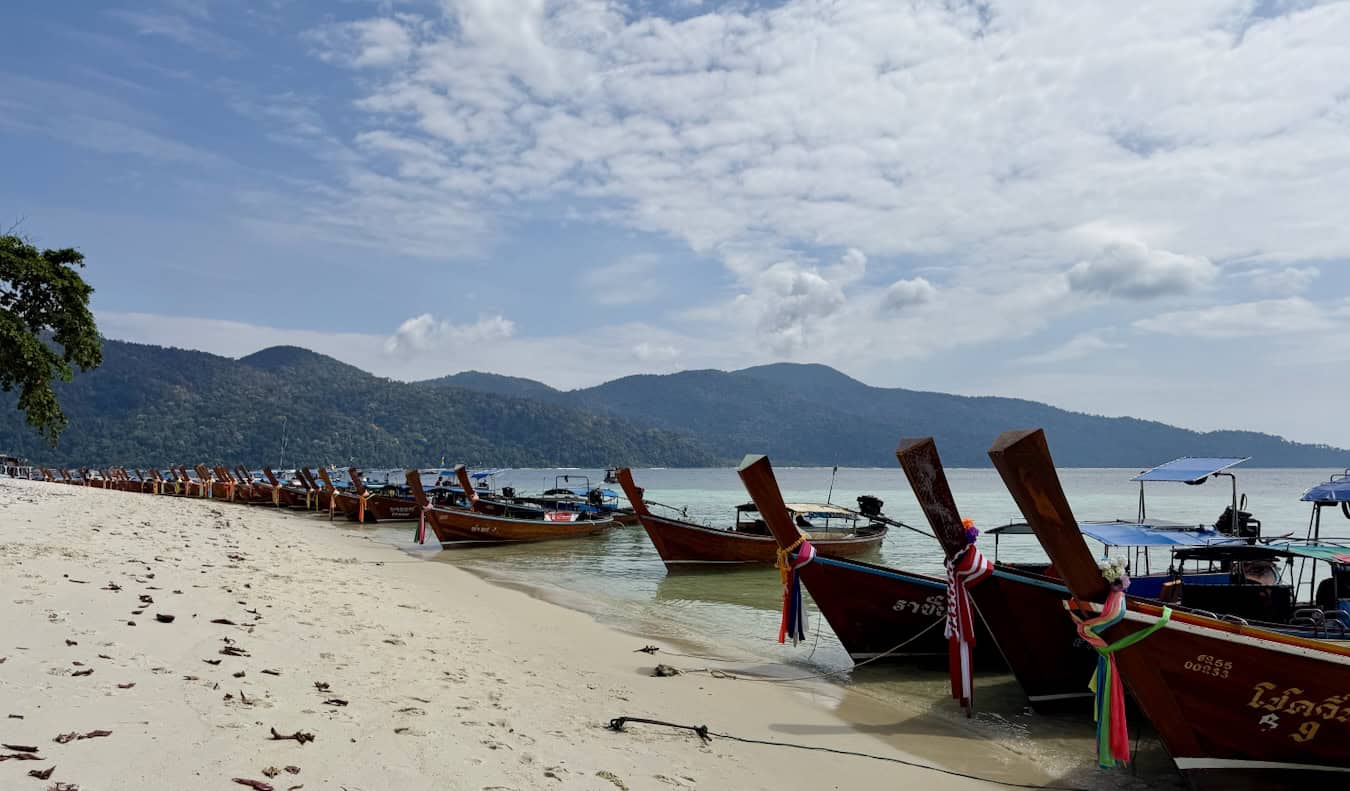
In 2006, Ko Lipe was firmly off the beaten path. Accessible only by a lengthy journey, it was the kind of sanctuary visited by the most intrepid travelers. Basic beachside bungalows cost roughly two dollars a night, electricity was limited to a few flickering hours each day, and the island felt delightfully detached from the modern world. Life moved at a tranquil, unhurried pace defined by swimming, reading, snorkeling, and sharing quiet evenings at the island’s single beach bar among a rotating handful of local restaurants.
For years, the writer deliberately avoided returning, fearing that a second visit would shatter a pristine memory. Traveling back, he knew, often means chasing ghosts of a past that cannot be recreated, especially when the unique community of travelers and locals who defined that era has moved on. Yet, while planning a journey down the Indian Ocean coast of Thailand toward Malaysia, convenience and the search for a festive New Year’s Eve destination drew him back to the familiar shores.
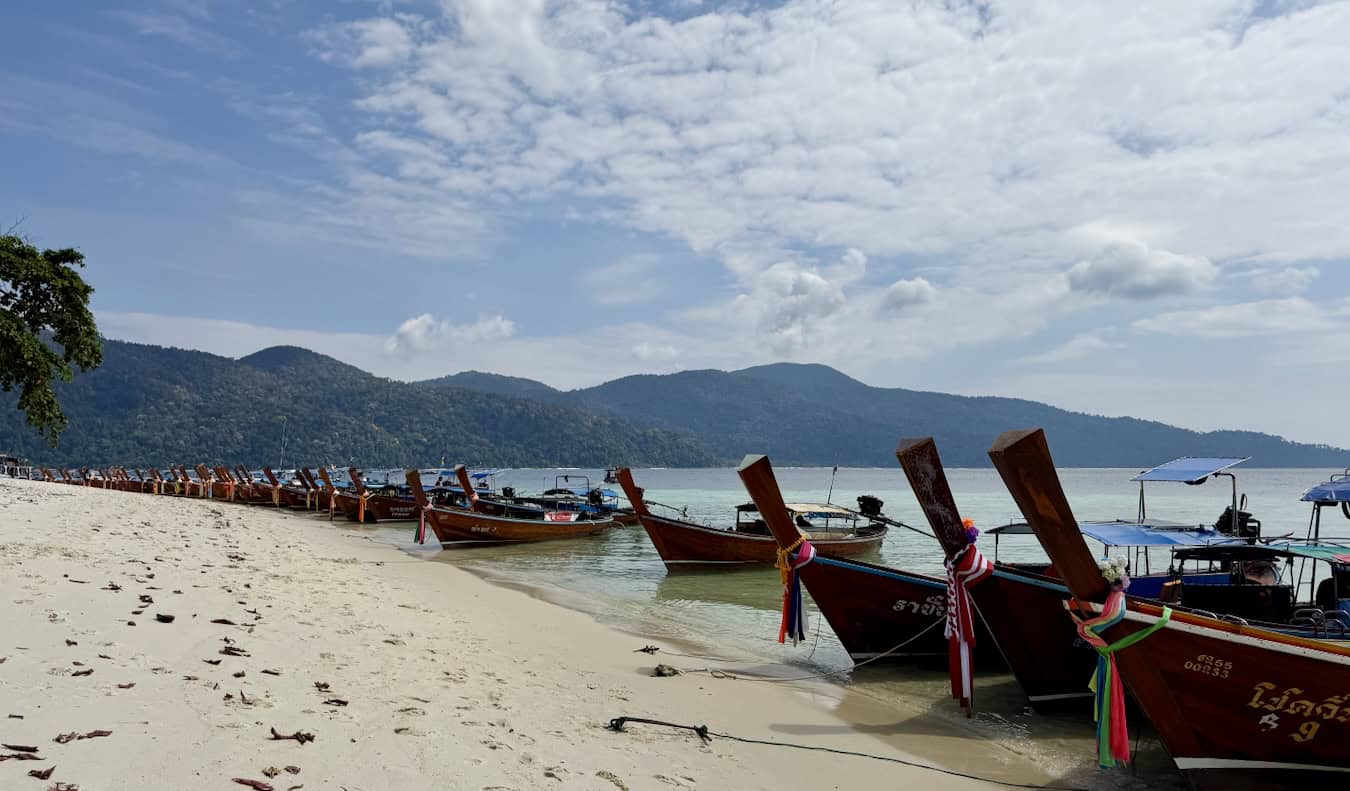
Stepping off the boat, however, brought immediate disappointment. The sleepy haven of yesteryear has given way to rapid, aggressive commercialization.
Rapid Development and Environmental Strain
The physical landscape of Ko Lipe has undergone a radical transformation. Much of the island’s interior has been paved over, replacing historic dirt footpaths with concrete roadways designed to accommodate cars and heavy construction trucks. Vast swaths of native palm trees have been cleared to make way for high-end luxury resorts complete with swimming pools—a troubling addition on an island that lacks a natural freshwater supply.
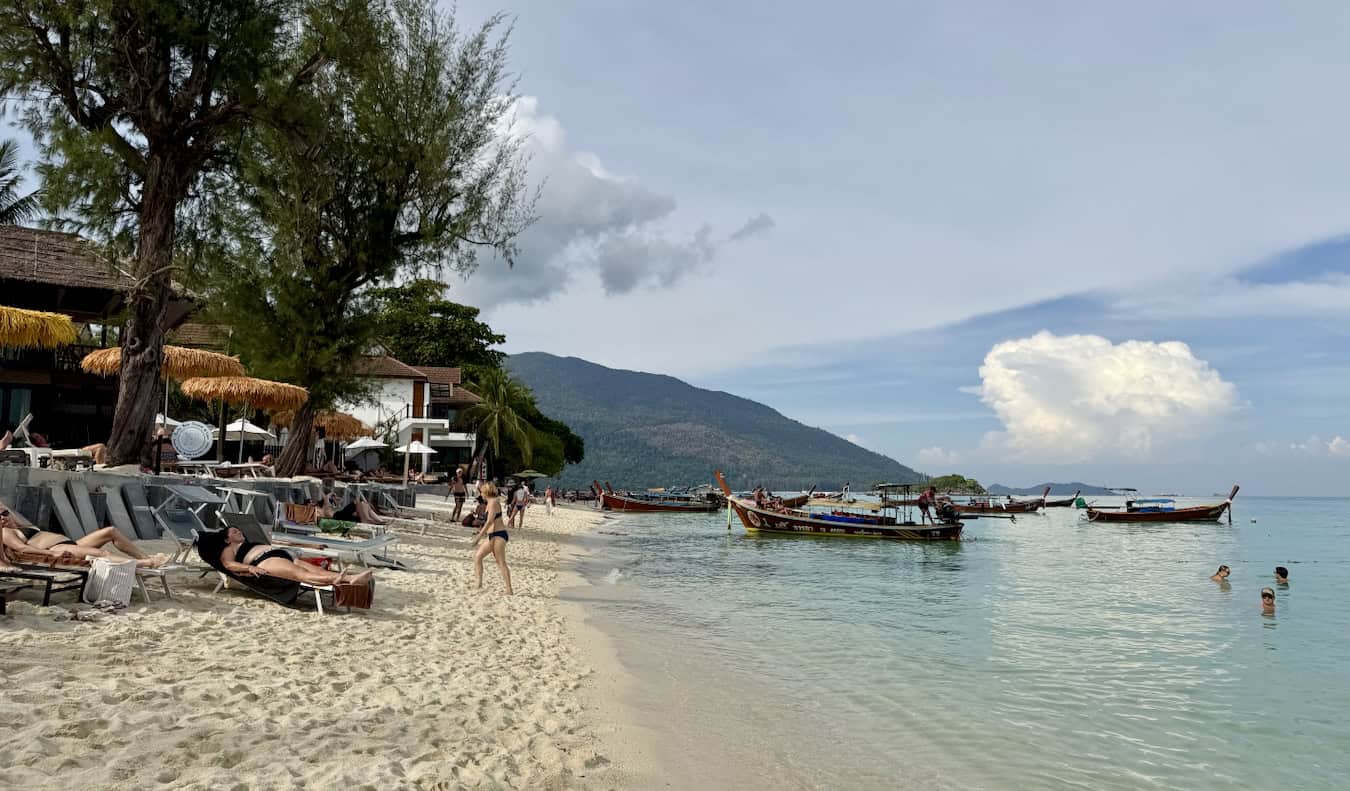
This relentless construction boom continues at a rapid pace, putting immense pressure on fragile local ecosystems. The vibrant coral reefs surrounding the island are reportedly dying off, choked by the constant churn of tour boats, heavy anchors, marine pollution, and overfishing. Along the shorelines, longtail boats crowd the beaches, their exhaust creating a visible oily film across the azure waters where tourists swim. Furthermore, the island’s culinary landscape has largely shifted away from authentic Thai cuisine to cater to mass-market tourists demanding Western comfort food.
The economic reality of the boom has also left many local residents behind. Numerous families have been pressured or forced to sell their land to mainland developers. Consequently, a significant portion of the island’s contemporary workforce originates from the mainland, reaping few long-term benefits from the booming tourism economy.
The Conundrum of First-Time Visitors and the Call to Action
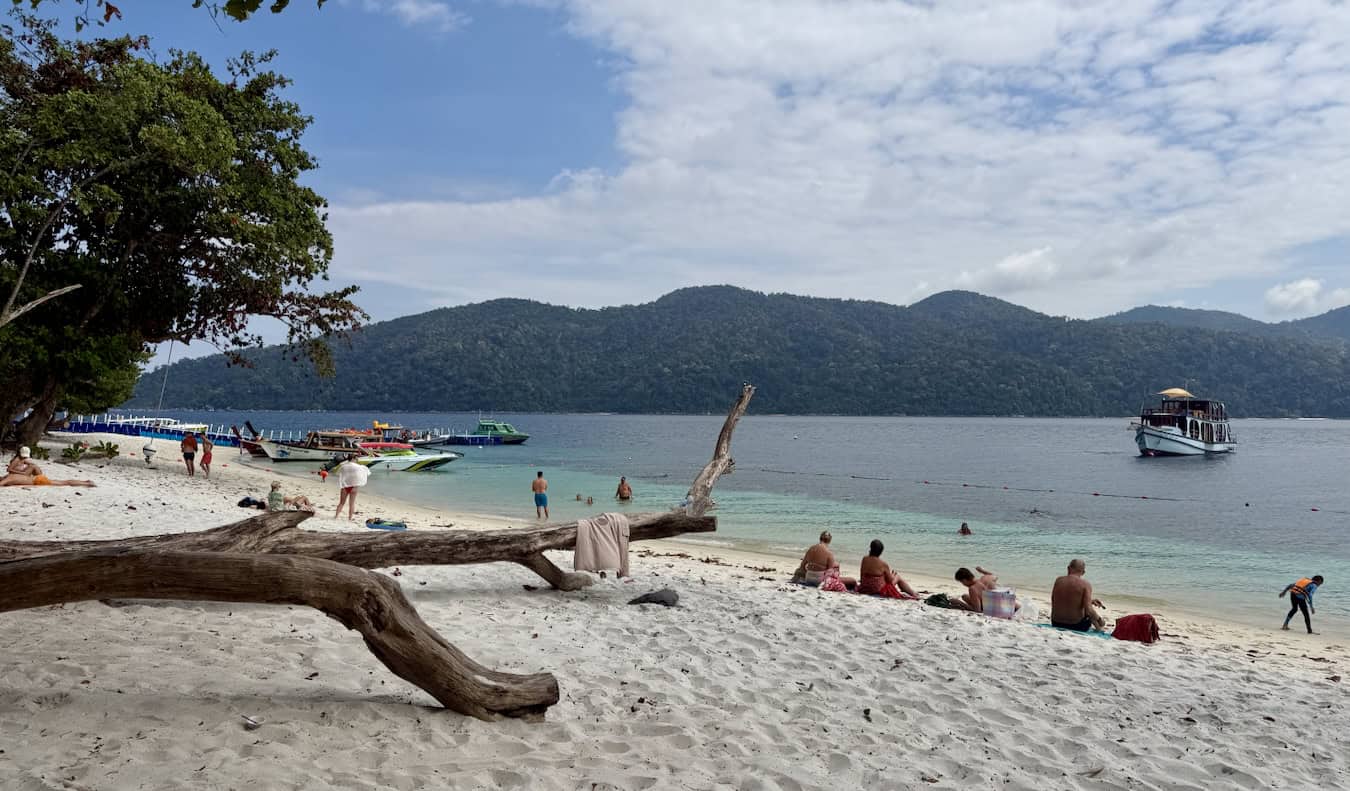
Despite these stark changes, the writer acknowledges why first-time visitors continue to fall under Ko Lipe’s spell. Surrounded by a protected national park, the island still boasts postcard-perfect geography, characterized by powdery white-sand beaches and brilliant azure waters. For travelers comparing it to heavily industrialized mainland hubs like Phuket or Krabi, Ko Lipe can still feel relatively compact and striking.
Nevertheless, the overarching conclusion is severe: travelers should reconsider visiting altogether.
While growth is an inevitable part of economic development, the specific model of expansion seen on Ko Lipe is viewed as fundamentally unsustainable. Local residents cannot be expected to remain economically disadvantaged simply to preserve a traveler’s romanticized ideal, yet over-tourism continues to strain the island’s finite natural resources beyond their limits. With numerous nearby destinations—such as Ko Lanta, Ko Jum, and Ko Mook—offering better environmental management and sustainable infrastructure, skipping Ko Lipe is framed as a necessary choice for responsible tourism.
Drawing parallels to successful global shifts in consumer behavior, such as the decline in elephant tourism and the rise of eco-lodges, the writer argues that individual consumer choices collectively shape industry standards. By consciously choosing to avoid mismanaged destinations, travelers can send a clear message about the value of sustainable stewardship, ensuring that future travel choices protect rather than exploit the world’s remaining natural sanctuaries.