To address the ongoing housing affordability crisis and stimulate neighborhood reinvestment, local governments across the United States are increasingly attempting to untangle decades-old zoning codes that frequently hamper modern development. In Ohio, the Cuyahoga County Planning Commission has taken a remarkably bold approach to this widespread challenge by proposing not only a comprehensive update to its local regulations, but the creation of a single, standardized framework designed to govern all 59 of its distinct municipalities, villages, and townships.
The ambitious strategy, officially known as the Unified Zoning Code initiative, is intended to provide local governments with modern, flexible regulations that streamline the often cumbersome development process while simultaneously establishing a coordinated, regional approach among partnering communities. Mary Cierebiej, executive director of the Cuyahoga County Planning Commission, highlighted the necessity of the program when unveiling the initiative. She emphasized that the county is largely built out and requires innovative strategies to repopulate its neighborhoods and maximize existing infrastructure. According to the planning agency, the initiative supports neighborhood reinvestment by offering communities a significantly faster and more cost-effective path toward updated zoning regulations.
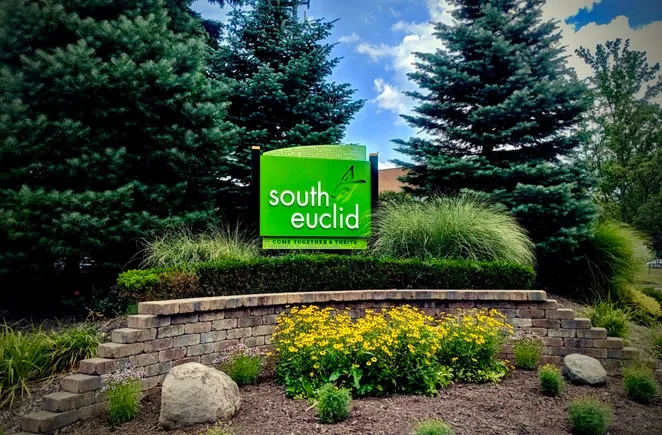
Following the initial announcement of the initiative during the summer, the planning commission moved forward by officially issuing a request for proposals to find a qualified consultant to begin the complex work of drafting the code. The rollout of the project includes six initial participant cities that have stepped forward to help pilot the program: Brook Park, East Cleveland, Euclid, Maple Heights, North Olmsted, and South Euclid. These municipalities represent a diverse cross-section of the county and will serve as the testing ground for the unified framework.
Cuyahoga County is home to approximately 1.2 million residents living across a rich tapestry of cities, villages, and townships that range from dense urban centers to small, established suburban communities. However, many of these local jurisdictions are currently operating under severely outdated zoning codes that are frequently incompatible with contemporary development needs and housing demands. The planning commission has noted that numerous communities either lack up-to-date zoning maps entirely or continue to rely on outdated, physical hard-copy versions, which creates additional layers of administrative friction and further complicates local redevelopment efforts. While the county as a whole addresses these regional challenges through the new initiative, major urban centers like Cleveland, which serves as the county seat, have simultaneously pursued their own modern approaches, such as implementing localized form-based zoning codes to guide growth.
Under the framework of the county’s new initiative, any local municipality that opts in to the unified zoning code will gain the authority to adopt, administer, and enforce the newly established regulations. Furthermore, participating localities will become part of a centralized, modern online zoning map, replacing the fragmented and obsolete mapping systems that currently plague many local planning departments. Local leaders have voiced strong optimism regarding the potential benefits of this regional cooperation. South Euclid Mayor and Cuyahoga County Planning Commission Board member Georgine Welo noted that developing a unified zoning code that every community in the county can utilize provides a tremendous advantage in ensuring that the region maintains the most up-to-date zoning standards possible.
Despite the clear benefits of modernizing local regulations, financial constraints have historically presented a major barrier for many local governments attempting to overhaul their planning policies. Comprehensive zoning code updates within Cuyahoga County regularly exceed $200,000 per community, a price tag that places a heavy burden on municipal budgets. The planning commission pointed out that many local communities frequently seek financial assistance just to execute full zoning code updates, while others simply lack the fiscal resources altogether, often forcing them to tackle tiny, piecemeal amendments over extended periods.
The unified zoning code process offers a structural solution to this financial hurdle by allowing multiple community zoning codes to be updated simultaneously. In addition to sharing the financial burden, participating localities gain the distinct advantage of continuous regional collaboration and ongoing maintenance support from planning professionals. To ensure the long-term success and viability of the initiative, the planning commission anticipates working closely with a specialized zoning consulting firm, legal advisors, and its own internal staff of approximately 20 professionals who will be responsible for maintaining the unified code over time.
Crucially, the ambitious initiative has secured vital backing from key funding partners committed to regional development and housing stability. The Cleveland Foundation, the Cuyahoga Land Bank, and the Akron Cleveland Association of Realtors have all stepped forward as financial partners for the project, providing the necessary resources to advance the initiative from a conceptual proposal into a concrete planning reality. As the consulting selection process moves forward and the initial participant cities prepare to collaborate on the drafting phase, county officials remain focused on creating a resilient, efficient, and forward-looking regulatory environment designed to meet the housing and economic development needs of Cuyahoga County’s residents for years to come.