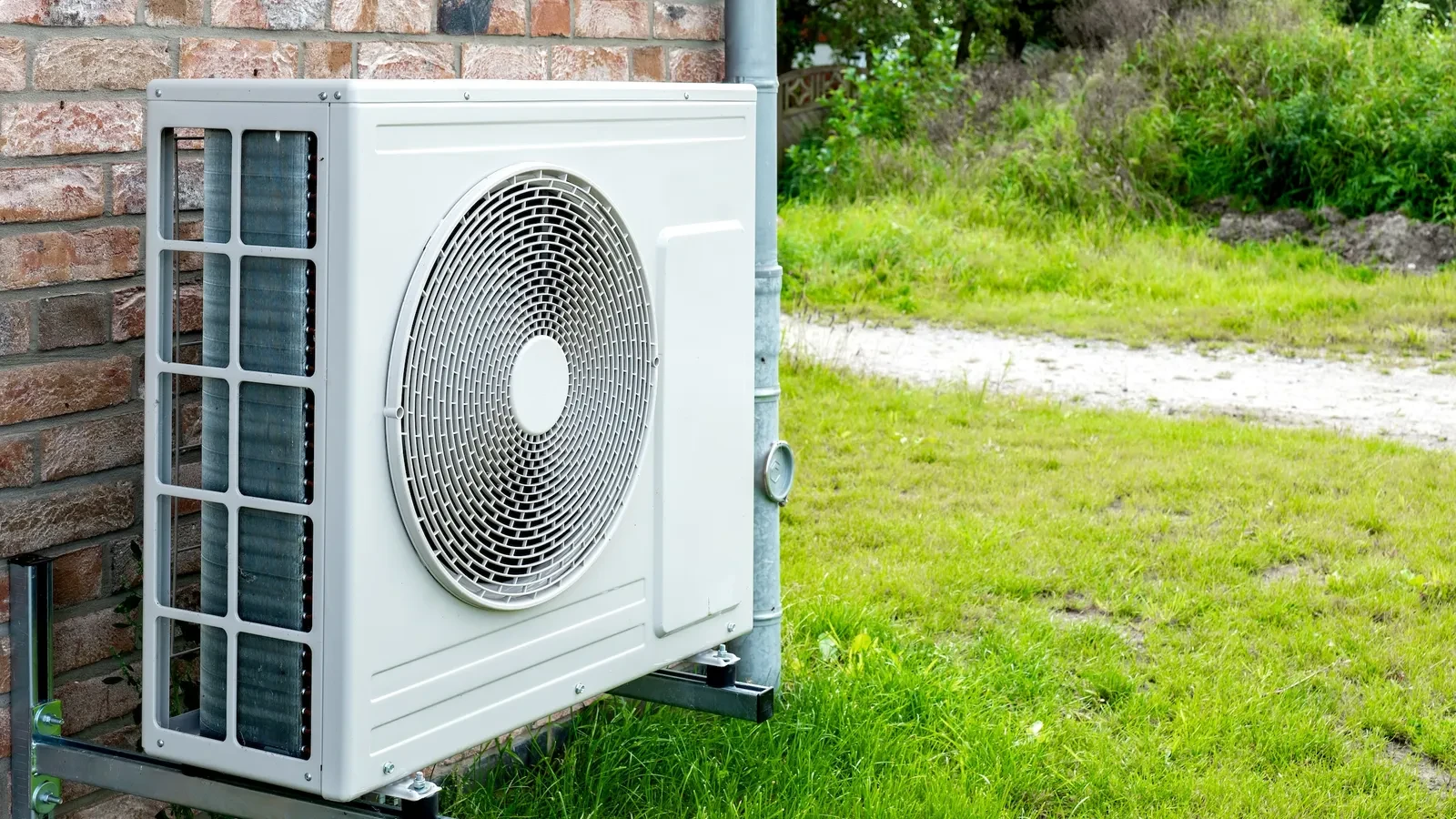
Four years after federal legislation helped jumpstart the home electrification movement—and a year after subsequent policy shifts rolled back key incentives—the heat pump industry is entering a critical new chapter.
While the technology has long proven its ability to provide efficient heating and cooling, enhance year-round home comfort, and drive down energy bills over time, the financial barrier to entry remains stubbornly high. Upfront installation costs can easily exceed $15,000, placing modern climate control systems out of reach for a vast number of households across the country.
At the same time, environmental pressures are mounting. Average temperatures are climbing, extreme weather events are occurring with greater frequency, and regional electricity demand is rising while existing heating, ventilation, and air conditioning systems age. In response to these converging challenges, communities across the United States are beginning to test an innovative alternative to individual purchasing: lowering costs by buying together.
This emerging approach treats home electrification less like an isolated consumer purchase and more like essential community infrastructure. By aggregating collective neighborhood demand, communities are unlocking lower overall costs for residents who want to make the green transition.
Drawing clear parallels to the community solar programs that successfully brought renewable energy to thousands of households over the past decade, heat pump bulk-buy programs allow neighbors to coordinate their efforts to secure preferential pricing on equipment and professional installations.
The mechanics of the model are straightforward. Homeowners enroll through a coordinated community-backed program, which allows participating contractors to schedule and complete multiple projects within a tight geographic footprint. By streamlining site assessments, project planning, and everyday installation logistics, contractors can achieve significant operational efficiencies. These savings are then passed directly on to the participating homeowners.
The advantages of this collective model reach well beyond immediate financial discounts. Bulk-buy programs fundamentally simplify what can often feel like an intimidating and overwhelming purchasing process for the average consumer. They provide residents with thoroughly vetted information, trusted local contractors, and a structured, transparent pathway to adoption. Just as importantly, visible community participation helps build localized awareness and confidence among residents who might otherwise delay or completely forgo upgrading their aging home systems.
Why This Matters for Lower-Income Families
While reducing upfront capital costs is an important objective for all homeowners, it is an absolute necessity for lower-income families.
These vulnerable households frequently bear the highest energy burdens relative to their income. They are also statistically much more likely to live in older, drafty homes equipped with aging HVAC systems, inconsistent cooling, compromised indoor air quality, and deeply inefficient heating equipment. Yet, despite standing to gain the most from modern upgrades, these families routinely lack the financial flexibility to make major capital investments in their homes, even when those investments would lead to long-term monthly utility savings.
Every single dollar removed from the upfront price of a heat pump expands the demographic pool of households capable of making the switch. Bulk-buy programs can work in tandem with existing rebates, specialized financing initiatives, and local utility incentives, creating multiple, overlapping pathways for families to afford equipment that would otherwise remain financially out of reach.
States Are Stepping Up, But Affordability Gaps Remain
The shifting federal policy landscape does not mean that government has been entirely sidelined in the effort to accelerate heat pump adoption. Across the country, various state and local governments are stepping into the breach with ambitious regional programs designed to trim costs and broaden market access.
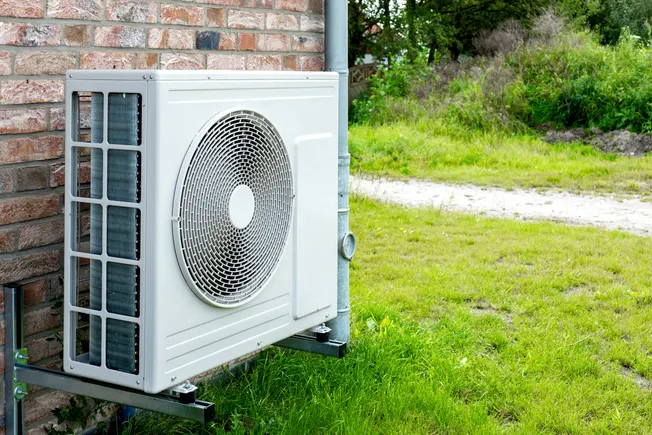
In Colorado, for instance, the state’s Home Electrification and Appliance Rebates program actively assists income-qualified households in offsetting the steep price of advanced technologies like heat pumps. By offering substantial financial assistance, the program makes vital electrification projects far more feasible for working-class residents.
While initiatives of this scale provide essential support and must continue, industry experts note that they alone cannot entirely solve the persistent affordability challenge. Even after applying available rebates, many homeowners still face high out-of-pocket expenses that can delay or derail necessary upgrades.
State and local officials can further accelerate market adoption by making bulk-buying and group-purchase frameworks more accessible. This can be achieved through strategic partnerships with local utilities, certified installers, community advocacy groups, and nonprofit organizations to negotiate lower wholesale equipment costs, streamline municipal permitting processes, and supply residents with a vetted directory of participating contractors.
A clear example of this approach can be found in the city of Glendale, located within Los Angeles County, California. Glendale Water and Power provides direct rebates for heat pump installations at the point of sale, offering a tangible demonstration of how effective public-private partnerships can make clean energy technologies more accessible to everyday consumers.
Municipal leaders can also launch targeted public outreach campaigns and host educational community workshops to answer resident questions, utilizing local public facilities as physical demonstration sites to build wider awareness and confidence around modern heat pumps.
Creating supportive public policies that make heat pumps easier and more economical to install over the long term remains essential. Potential policy measures include updating local building codes to encourage or mandate efficient electric heating, smoothing out cumbersome permitting and grid interconnection procedures, and dedicating resources to regional workforce training and contractor development.
To reach a broader segment of the population—particularly those households operating on tighter financial budgets—policymakers must pair public incentives with market-based solutions that drive down costs at the source. Rather than forcing individual families to navigate a complex clean energy transition entirely on their own, communities have the power to construct supportive pathways that render clean, highly efficient HVAC systems far more affordable and accessible.
Communities Can Help Drive the Transition
While ensuring affordability for lower-income households remains a central and urgent priority, the structural benefits of bulk-buy programs extend well beyond any single demographic group.
Greater overall adoption creates vital market scale. As more homeowners install heat pumps within a given region, local contractor networks naturally expand, regional supply chains strengthen, and healthy market competition increases. Over time, these cumulative market dynamics help improve the overall customer experience and exert downward pressure on equipment and labor costs for everyone.
While traditional tax incentives, direct rebates, and government-backed programs remain valuable tools that should be maintained wherever possible, the market can no longer rely solely on government action to drive transformation.
The next phase of the home electrification movement will not be defined solely by the introduction of new hardware, but rather by innovative ways of making proven technology widely available. Communities that successfully organize and leverage their collective demand may ultimately prove just as instrumental to accelerating heat pump adoption as the equipment itself.