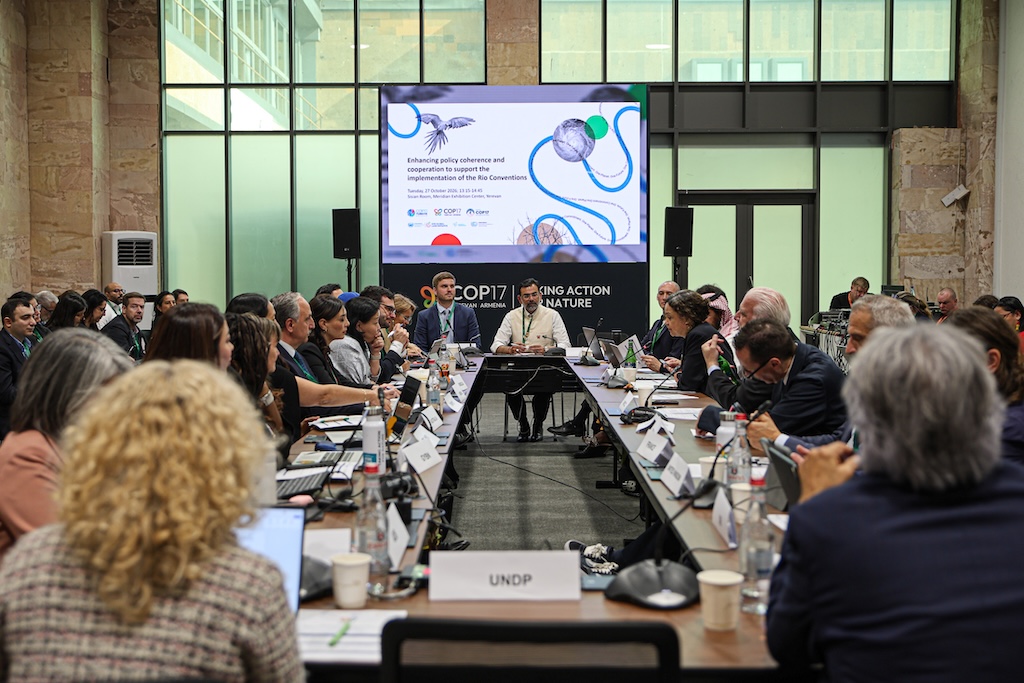
Countries have completed the first "global review" of their progress towards reversing nature loss by 2030 at the COP17 biodiversity talks in Yerevan, Armenia. The landmark review notes with deep concern that, unless action is rapidly accelerated, the goal to reverse nature loss and meet a set of 23 targets by 2030 will not be achieved.

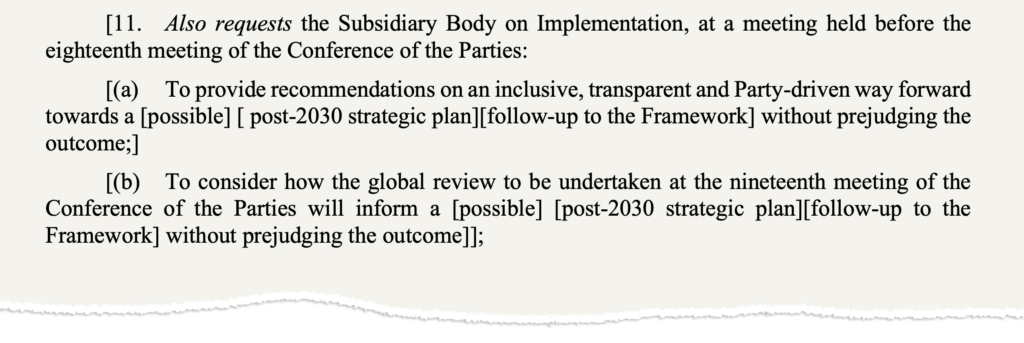
The two-week summit marked the halfway point of the Kunming-Montreal Global Biodiversity Framework (GBF)—often described as the "Paris Agreement for nature"—which was first adopted in 2022 and is due to be achieved by the end of the decade. Throughout the negotiations in Armenia’s capital, discussions were dominated by fierce debates over international finance, digital sequence information, nature-harming subsidies, and the urgent need to bridge a widening implementation gap.
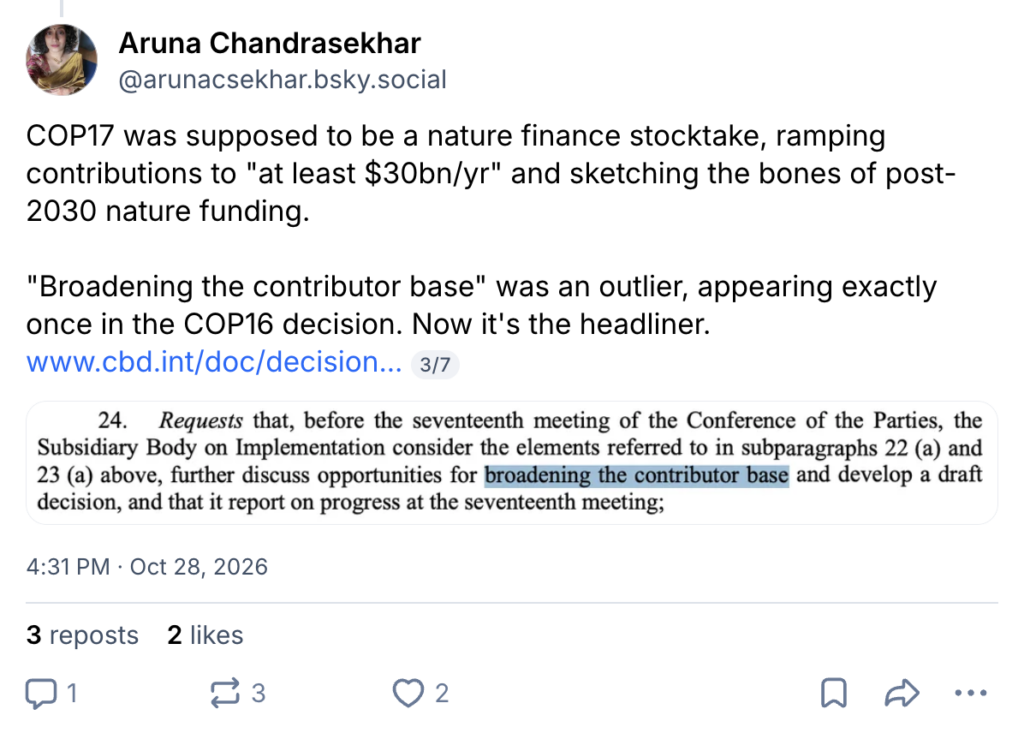
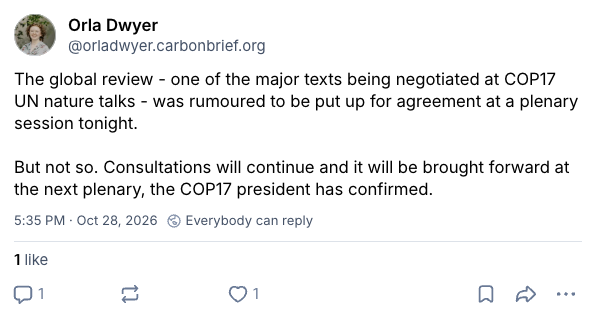
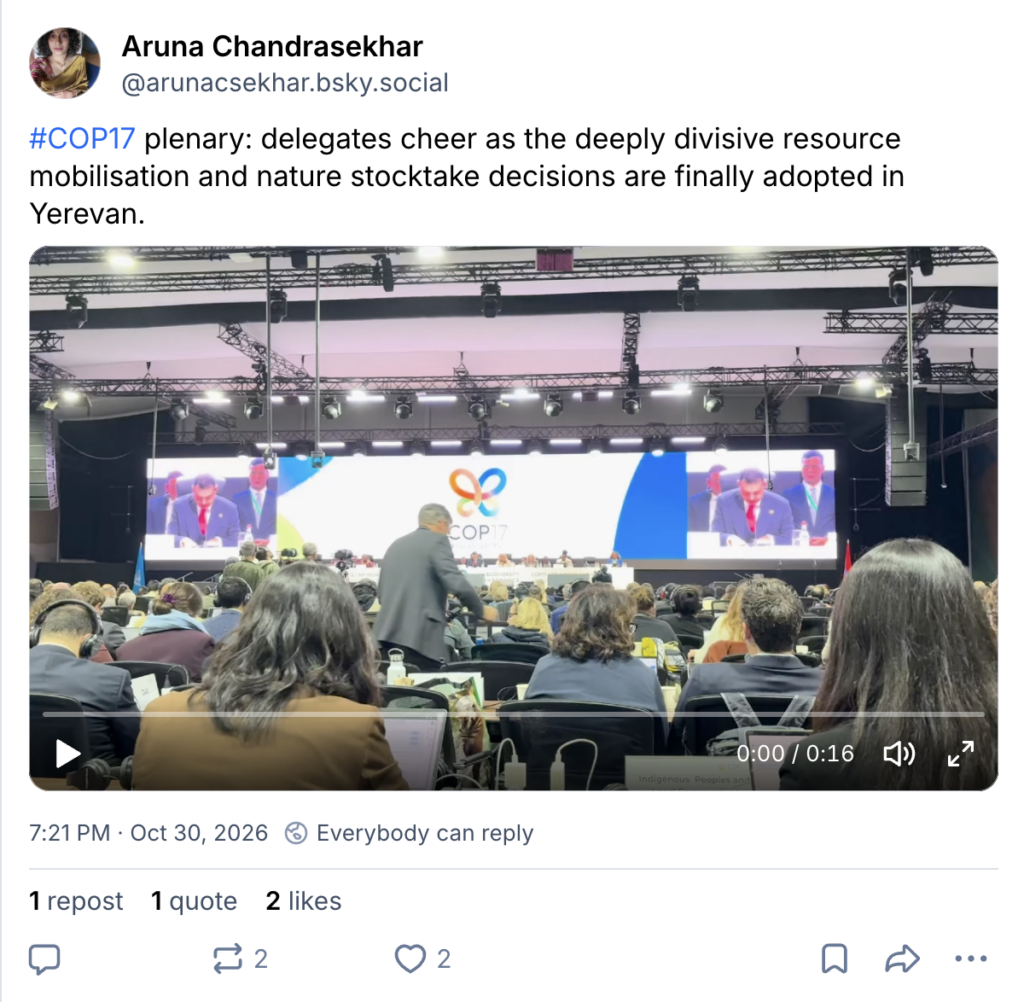
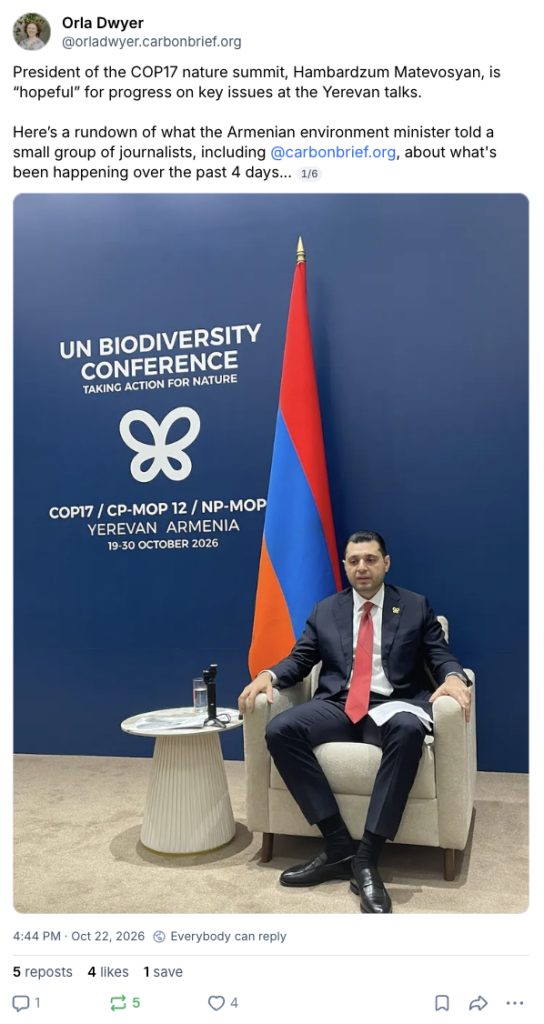
During a nearly 12-hour-long final plenary session that stretched into the early hours of the morning, countries voted for Quito, Ecuador, to host the COP18 nature talks in 2028. Delegates managed to sign off on all major negotiation texts, marking a stark contrast to COP16 in Cali, Colombia, which ran so far over time that the presidency lost quorum and forced talks to resume months later in Rome.
Formal Negotiations and Finance
Finance remained at the heart of the discord and deadlock throughout the Yerevan summit. Discussions on funding had to achieve two primary outcomes: taking stock of the biodiversity finance mobilized so far, and agreeing on how to mobilize resources for the next four years to meet the GBF’s targets.
As highlighted by the global review, developed countries fell far short of their commitments to raise at least $20bn a year by 2025 for nature conservation, with delegates pointing to falling aid levels and a sharp 27% decline in environmental funding projected for the 2026-30 period. Meanwhile, the Cali Fund—agreed upon at COP16 to pay communities for genetic resources derived from nature—remained nearly empty two years after its inception, with major corporations hesitating to contribute.
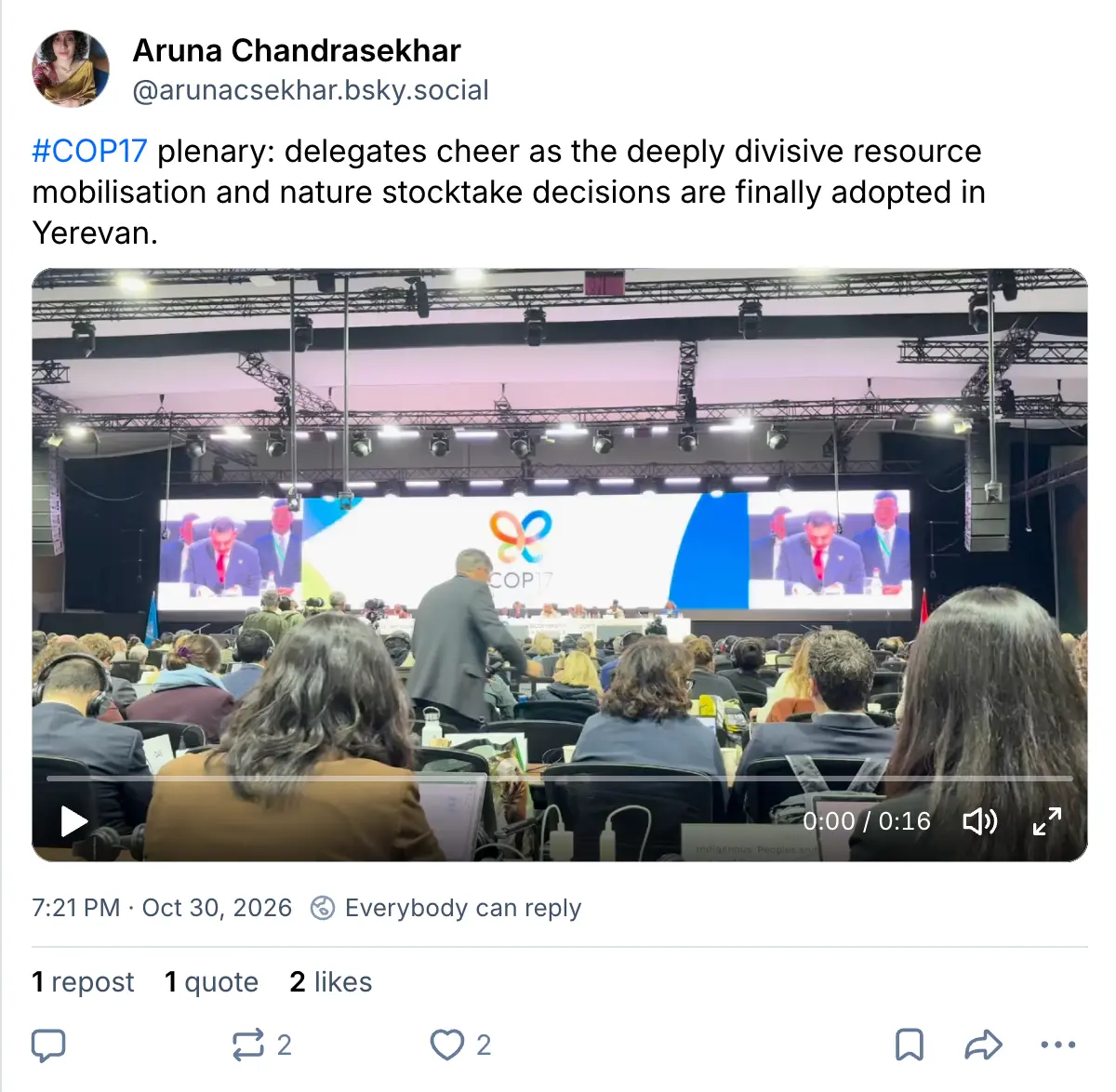
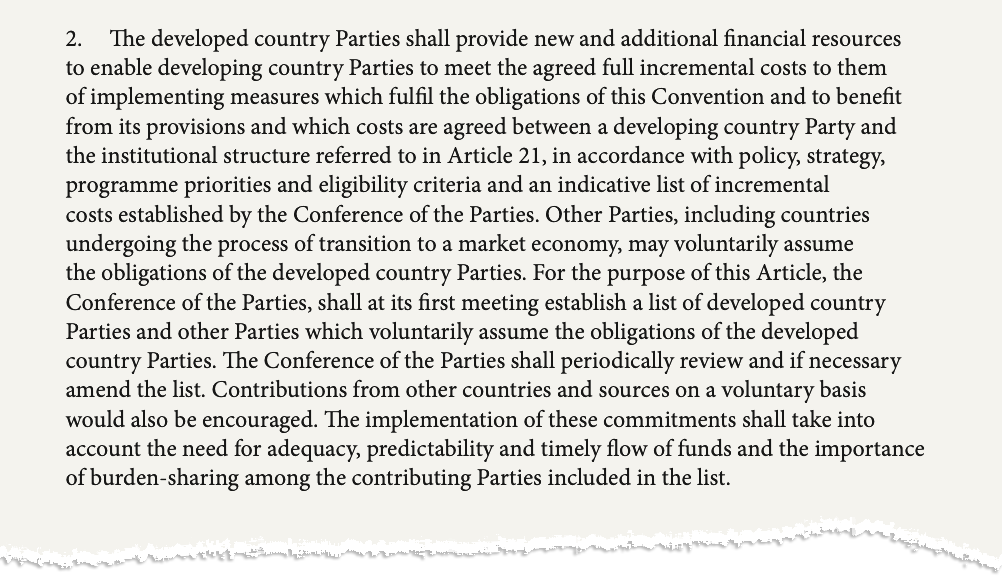
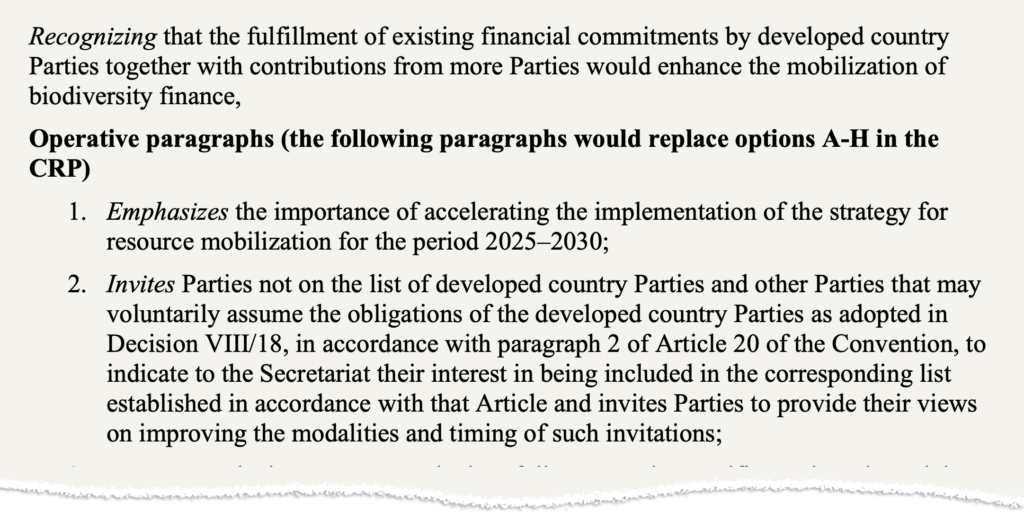
A major flashpoint in Yerevan was the push by developed nations to broaden the contributor base to include emerging economies such as China, Saudi Arabia, India, and Qatar. While Article 20 of the UN Convention on Biological Diversity states that developed countries shall provide new and additional financial resources, it also notes that other parties may voluntarily assume these obligations.
After intense ministerial consultations and deadlocked contact groups, countries reached a compromise text. The final decision avoids imposing strict criteria to automatically expand the list of mandatory donors. Instead, countries keen to join the list of developed country contributors can signal their interest through confidential consultations before COP18, while developing nations can contribute on a voluntary basis.
The decision also establishes a permanent financial mechanism for nature funding after 2030 under the governance of the COP, fulfilling a key demand of developing countries. However, decisions regarding the institutional structure of this mechanism—including whether it will be a brand-new fund or rely on existing frameworks—were deferred to COP18.
Global Review and Collective Progress
The global review served as the central pillar of COP17, providing the first official stocktake of collective progress toward the 2030 targets. The review was informed heavily by a UN global report released just ahead of the summit, which revealed that the world is falling behind on 22 out of 23 nature targets.
The final review text welcomes the comprehensive findings of the global report while noting with deep concern that the broader 2050 nature goals may be placed at risk if the 2030 milestones are missed. Negotiators sparred over the inclusion of the word "ambition," with some developing nations arguing that higher ambitions are impossible without guaranteed financial support. Ultimately, the text urges parties to accelerate implementation through increased ambition while explicitly recognizing that developing nations require enhanced international support.
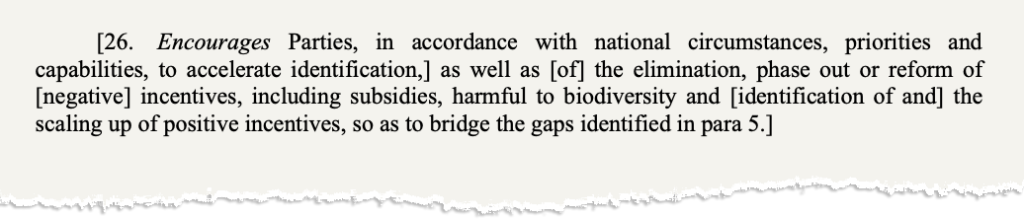
The review also encourages countries to accelerate the reform of nature-harming subsidies in accordance with national circumstances and emphasizes the critical role of Indigenous peoples and local communities in biodiversity stewardship.
Digital Sequence Information and the Cali Fund
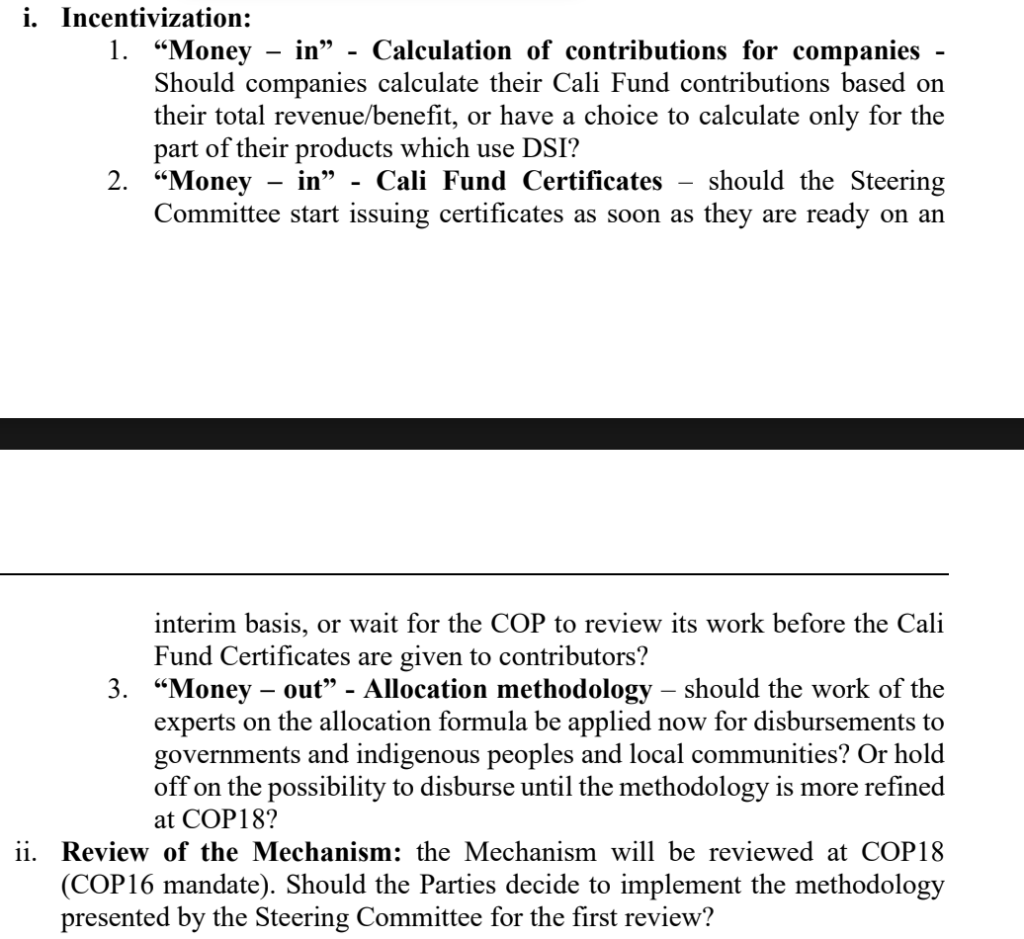
Digital sequence information (DSI)—the genetic data derived from nature that is utilized extensively by the pharmaceutical and agribusiness sectors—remained one of the most closely watched issues at the summit. Following COP16’s agreement to establish the Cali Fund, COP17 was tasked with hammering out the practical details of "money in" and "money out."

With the Cali Fund holding barely any deposits after two years, debates focused heavily on contribution thresholds, contribution rates, and the implementation of certification schemes. Industry representatives pushed for greater legal clarity and certainty before making mandatory or large-scale financial commitments, while developing nations and Indigenous groups expressed deep frustration over corporate delays.
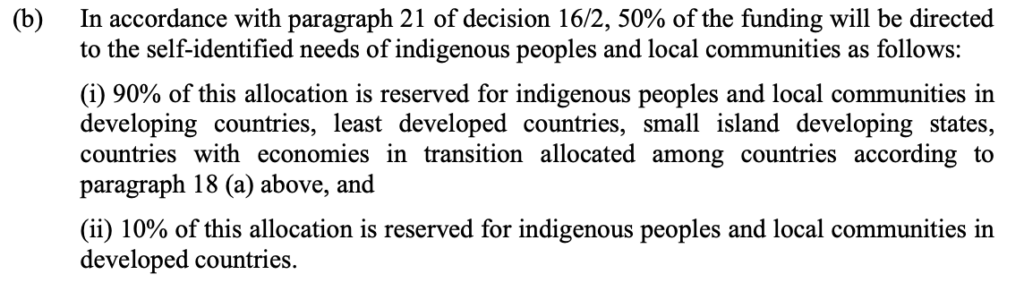
The final DSI decision adopted by the presidency reaffirmed the indicative contribution rates set at COP16—0.1% of revenue or 1% of profits—and established an allocation methodology for disbursing funds after COP18. Crucially, the text dictates that 50% of the funding will be directed toward the self-identified needs of Indigenous peoples and local communities.
Harmful Subsidies and Marine Biodiversity
Governments worldwide spend up to $1.8tn annually on subsidies and incentives that harm biodiversity, primarily within the fossil fuel and agricultural sectors. Target 18 of the GBF mandates the identification and elimination, phase-out, or reform of these harmful incentives by 2030. Despite a general lack of progress globally, COP17 saw renewed momentum around subsidy reform, driven partly by economic pressures and fiscal constraints facing governments.
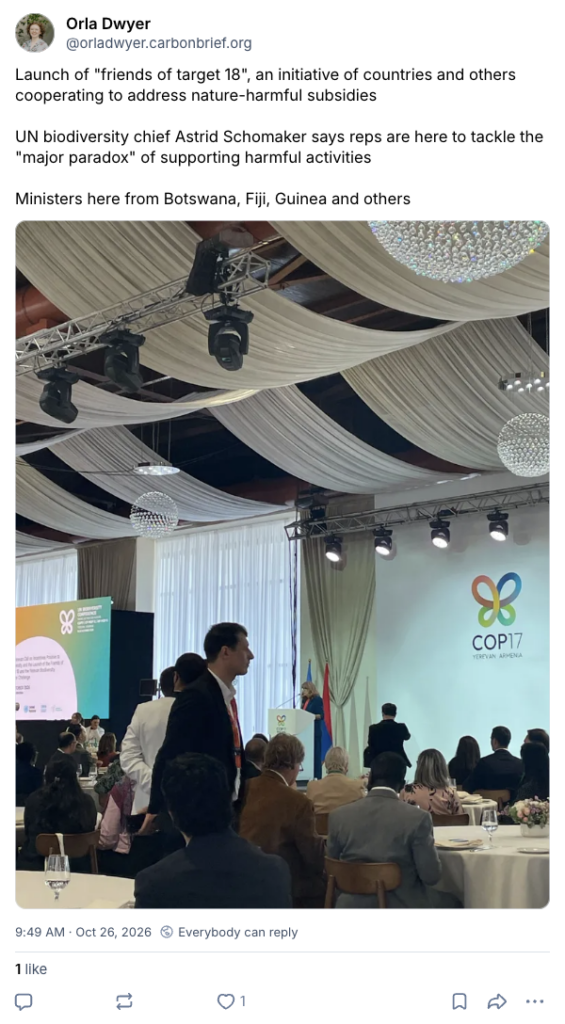
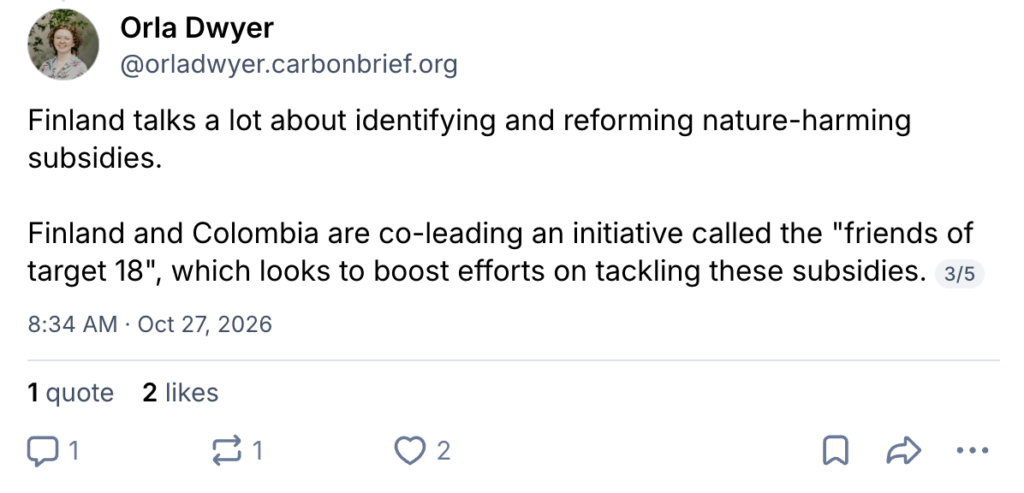
During the summit, the presidency launched the "Yerevan call" on positive biodiversity incentives, and a new collaborative platform called "Friends of Target 18" was formed, co-chaired by Colombia and Finland, to help nations share strategies for subsidy reform.
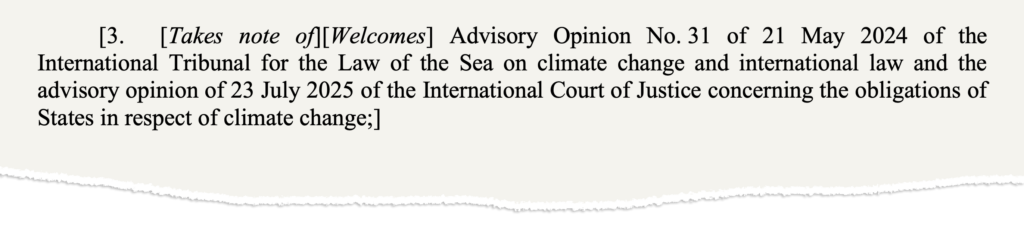
In marine biodiversity negotiations, discussions centered on recognizing the newly enacted High Seas Treaty and establishing voluntary guidance for peer-review processes regarding ecologically or biologically significant marine areas (EBSAs). Despite resistance from select nations regarding direct references to external legal agreements and vulnerable communities, the summit successfully preserved key cooperation frameworks.
As delegates departed Yerevan, attention turned immediately toward translating the compromises and frameworks forged at COP17 into concrete, domestic action ahead of the next gathering in Ecuador.