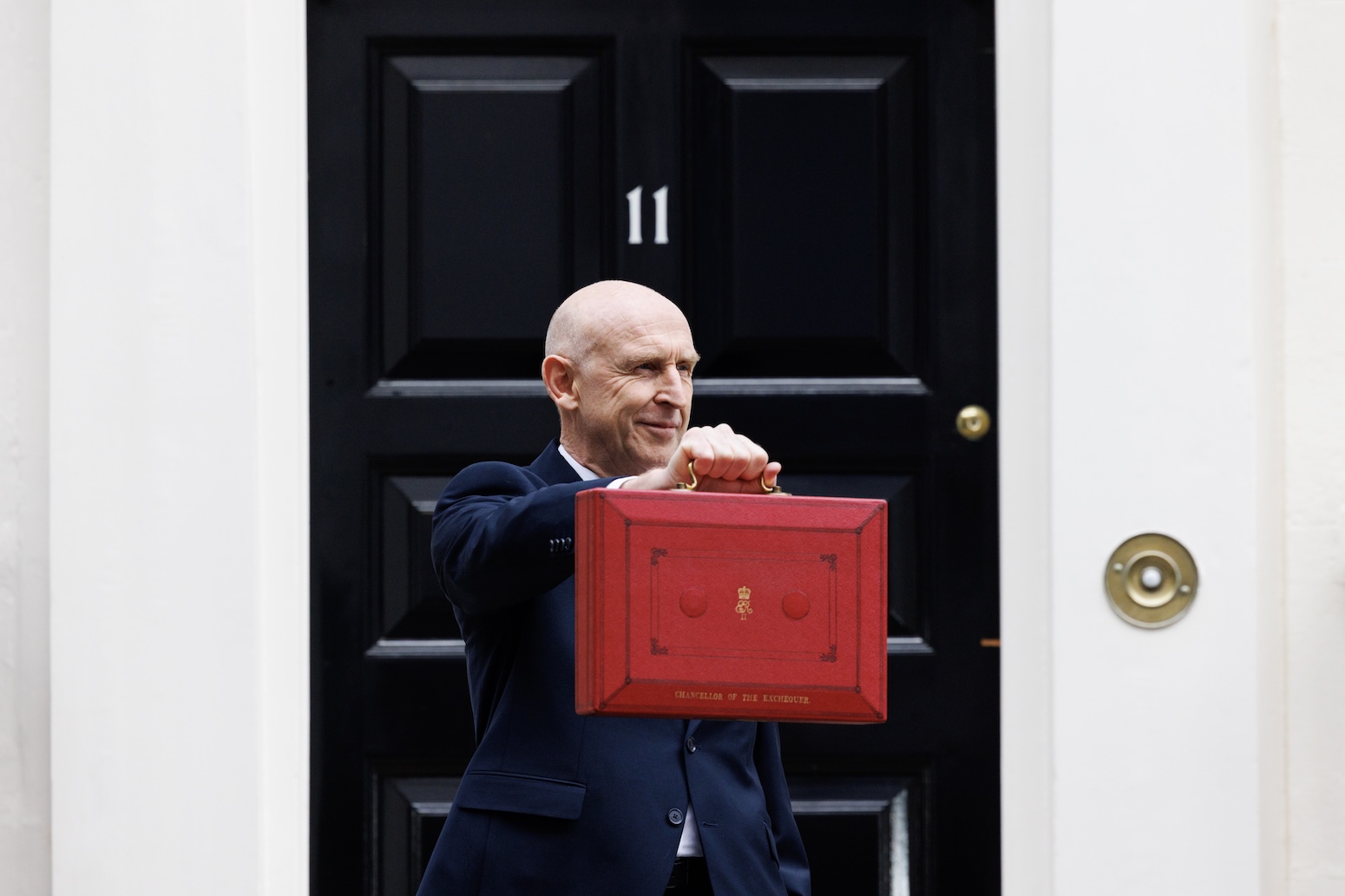
Chancellor John Healey has announced what he describes as a “new course on energy” for the United Kingdom, placing a primary focus on keeping household and industrial energy bills low amid a severe global crisis triggered by conflict in the Middle East. Laying out his first major budget, Healey maintained that the Labour government remains unshakably committed to achieving net-zero emissions while accelerating the expansion of clean power to safeguard the nation’s economic future.
The fiscal package details what the chancellor termed a radical reform of energy, featuring both immediate relief mechanisms and a longer-term effort to break the persistent grip of volatile gas prices on consumer bills. However, the announcements also incorporate substantial spending reallocations. To fund heightened national defence requirements, the government is cutting £1bn from its flagship warm homes plan and stripping £700m from low-carbon hydrogen and carbon capture and storage projects. Furthermore, additional reductions affecting the warm homes initiative, the extension of a temporary 5p cut in fuel duty, and changes to value-added tax rules have drawn immediate scrutiny from energy analysts, industry bodies, and environmental campaigners.
A Shift in Strategy: The "New Course on Energy"
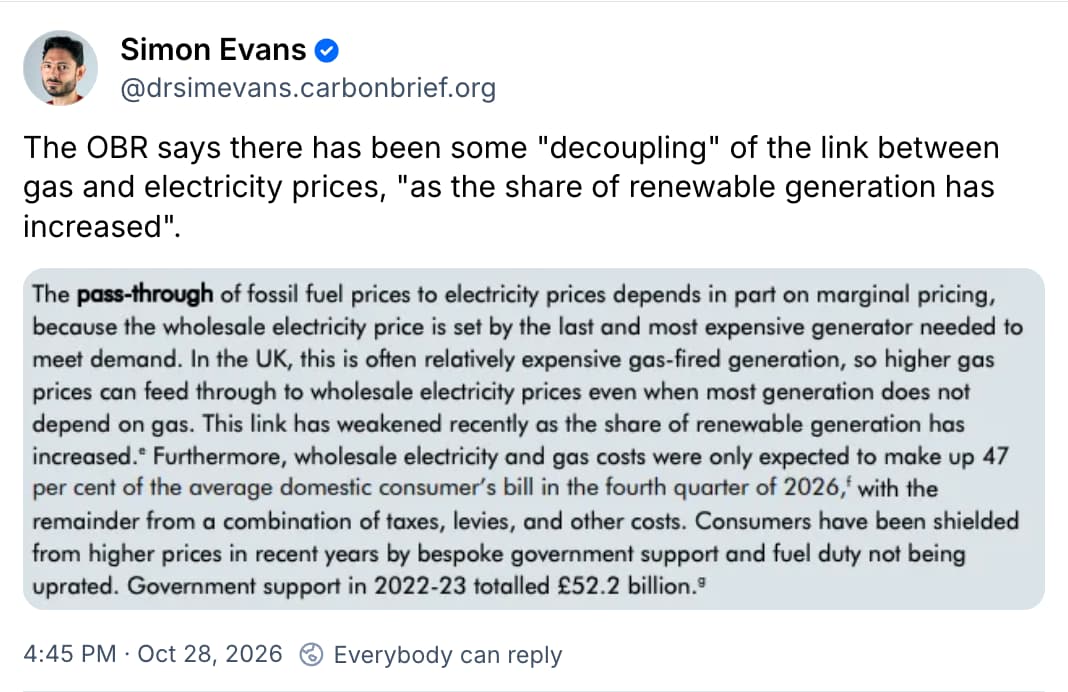
Geopolitical tensions and active conflict in the Middle East have profoundly destabilized global trade in oil and gas, driving up utility expenses for families and businesses across the United Kingdom. Office for Budget Responsibility figures released alongside the fiscal statement highlight the severity of the market shock, noting that fossil-fuel prices surged by 83% in the year leading up to September 2026.
Against this turbulent backdrop, the budget signals a distinct shift in government priorities, placing cheaper energy at the forefront of national policy. Addressing Parliament, Healey stated that cheaper energy is essential for the government’s cost-cutting agenda and that clean power is the key to achieving long-term stability, aided by the steady progress made in renewable energy generation over the preceding two years.
While opposition politicians from conservative and reform factions have repeatedly argued that the UK should abandon its legally binding net-zero targets—including the ambitious clean power by 2030 goal—to lower consumer costs, the government has rejected this approach. Ministers point out that expensive imported gas has been responsible for the vast majority of recent price spikes, whereas domestic renewables have successfully shielded the economy from billions of pounds in costly fuel imports throughout the ongoing regional crisis. Reaffirming official policy, Healey stressed that the government remains fully committed to meeting the target of net-zero carbon emissions by 2050, framing the transition to electrified systems as the ultimate guarantor of national energy security and economic decarbonization.
Short-Term Bill Relief and Long-Term Structural Reforms
The budget introduces a mix of short-term financial interventions and structural policy changes aimed at reining in spiraling utility costs, though the measures fall significantly short of pre-budget proposals advocated by energy companies, think tanks, charities, and industry organizations. With typical annual household energy bills projected to climb significantly heading into 2027, anticipation remains high that further government intervention will be required.
Among the immediate household measures is a £100 council-tax rebate directed at English properties in bands A through D, costing an estimated £2.6bn, alongside corresponding funding allocations for devolved administrations. Local authorities will also receive an additional £100m to deliver targeted support to households most acutely impacted by soaring bills. Additionally, the temporary removal of value-added tax from household electricity bills—saving consumers roughly £45 annually—will be extended by three months, running from April through July 2027.
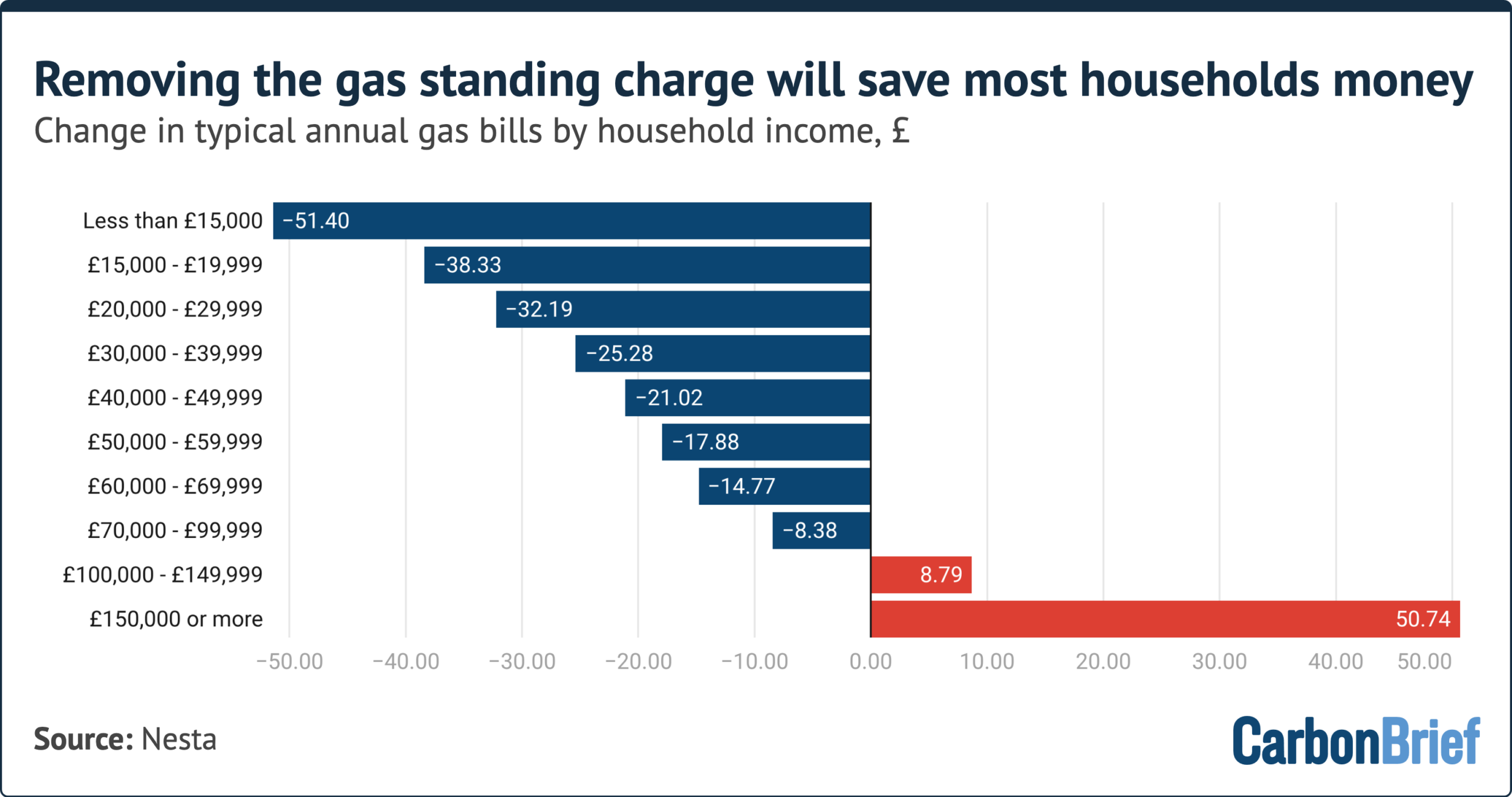
In a move addressing long-standing consumer complaints, the government confirmed that the unfair and outdated gas standing charge will be eliminated for approximately 23 million homes. The standing charge, a fixed daily fee paid regardless of actual consumption, adds about £108 a year to a typical household utility bill. Regulators will be instructed to shift these costs onto gas unit rates to ensure fairer pricing. Industry analysis indicates this adjustment will disproportionately benefit lower-income households and help narrow the "spark gap" between electricity and gas prices, thereby encouraging a broader transition toward clean heating technologies like heat pumps.

To protect consumers from mounting arrears, the government will introduce an energy debt circuit breaker next year, designed to alleviate the financial burden of customer debt projected to reach billions of pounds across the sector. Businesses will also receive enhanced backing through an expanded industrial competitiveness scheme, offering substantial electricity price discounts to thousands of energy-intensive manufacturing firms.
Cutbacks to the Warm Homes Plan and Home Decarbonization
Despite the overarching goal of reducing reliance on fossil gas, the budget confirms significant funding reductions for domestic energy efficiency initiatives. To help cover a shortfall in defence spending, the chancellor has trimmed £1bn from the warm homes plan, a major national program designed to deliver billions in grants and loans for insulation, rooftop solar panels, and heat pump installations.
While the government maintains that it remains committed to scaling up heat pump deployment and will continue funding the boiler upgrade scheme at current levels, analysts warn that the cumulative funding cuts will significantly slow the pace of residential decarbonization. Experts calculate that reduced subsidies could result in tens of thousands fewer heat pumps being installed over the coming years, dealing a frustrating blow to advocates of household electrification. Furthermore, the reallocation of financial transaction funds originally earmarked for environmental departments has led analysts to estimate that total resources available for the warm homes initiative could face deeper reductions than initially anticipated, creating uncertainty for homeowners and supply chains alike.
Fuel Duty Freezes and Public Charging Controversies
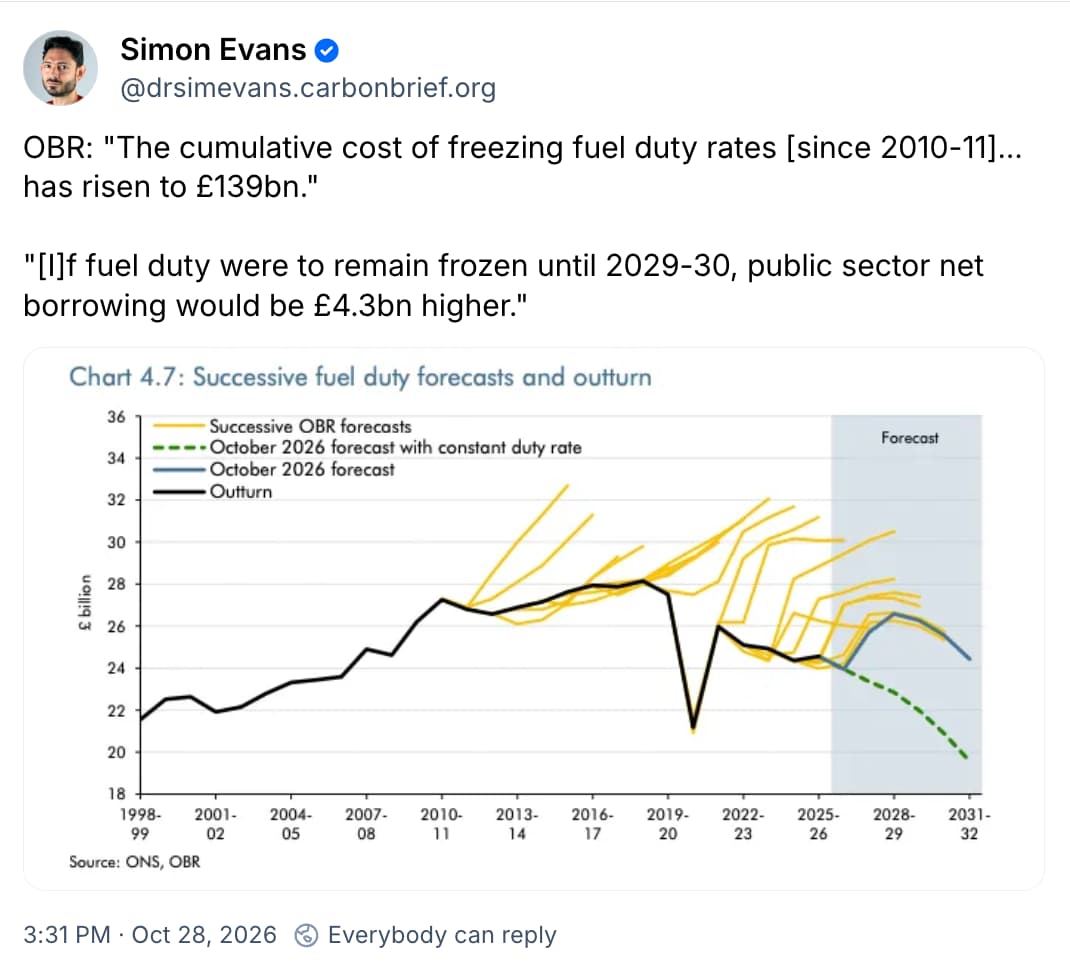
Continuing a long-standing political trend, the budget freezes fuel duty for the sixteenth consecutive year and formally extends the 5p per litre reduction originally implemented in response to the international energy crisis. According to fiscal watchdogs, the cumulative cost of successive fuel duty freezes since 2010 has reached staggering proportions, with projections indicating that maintaining the freeze will continue to add billions to public-sector net borrowing.

In the transport sector, the government unveiled initiatives stemming from an independent review of public electric vehicle charging costs. A multi-million-pound funding package will be deployed to lower prices at local, low-powered public chargers, saving typical drivers around £150 a year. Plans are also underway to establish a taskforce exploring tariff porting options to let drivers access cheaper domestic electricity rates while using public charging points.
However, the budget simultaneously confirms that electricity supplied via public and workplace charging points will be subjected to a 20% value-added tax rate, categorizing it separately from domestic use. Industry leaders and charging networks strongly criticized the measure, warning that maintaining this financial disparity between at-home and out-of-home charging will penalize drivers who lack off-street parking and threaten the broader transition to zero-emission vehicles.

Scaling Back Carbon Capture, Hydrogen, and Industrial Clusters
The government has confirmed capital-grant funding reductions for carbon capture and storage (CCS) and low-carbon hydrogen projects, redirecting £200m and £500m respectively as part of departmental budget reprioritization toward national defence.
While the UK continues to position itself as an early leader in industrial decarbonization, the cuts will directly impact regional infrastructure plans. The government has stated it will prioritize the more mature CCS clusters under development on Teesside, Merseyside, and North Wales, alongside maintaining grant funding for the Viking cluster in the Humber region. Consequently, the funding reductions will fall heavily upon the Acorn cluster planned for north-east Scotland, though ministers insist they are actively exploring loan and equity investment mechanisms to support future project development in the region.

Environmental Safeguards for New Data Centres
To support the rapid expansion of artificial intelligence infrastructure while safeguarding national climate objectives, the budget establishes a rigorous data-centre covenant. Under the new framework, technology developers seeking planning approval must meet strict environmental conditions, including paying for the exact energy costs they generate, supporting electrical grid flexibility, curbing water consumption, and utilizing waste heat to warm neighboring buildings where practical.
In exchange, the government will utilize streamlined planning powers to accelerate grid connections for strategically vital data projects. Where immediate grid access is unavailable, tightly controlled on-site power generation will be permitted under strict regulatory oversight, ensuring that the technology sector’s growing power demands do not derail the United Kingdom’s broader trajectory toward net-zero emissions.