Following the conclusion of this year’s United Nations COP17 biodiversity conference, journalists from Carbon Brief have hosted a comprehensive livestream to unpack the complex negotiations, landmark agreements, and critical shortcomings that emerged from the two-week summit.
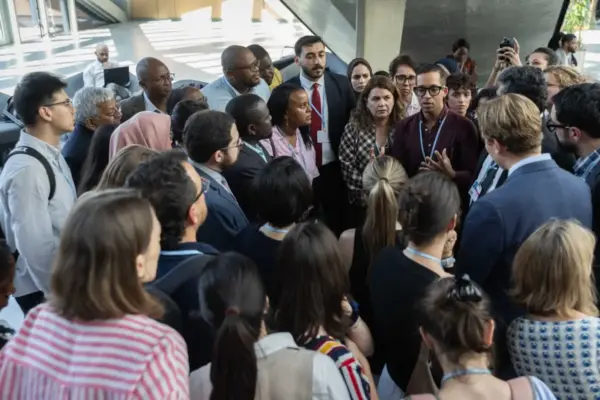
The global biodiversity conference, held in Yerevan, Armenia, brought together international delegates, policymakers, and environmental experts to negotiate the future of the planet’s ecosystems. Carbon Brief’s Orla Dwyer and Aruna Chandrasekhar spent the duration of the summit on the ground in Yerevan, providing firsthand reporting on the closed-door negotiations, high-stakes diplomatic friction, and major announcements.
To provide a holistic view of the summit’s global implications, Dwyer and Chandrasekhar were joined on the livestream by Carbon Brief associate editors Dr Giuliana Viglione and Daisy Dunne. While Viglione followed the talks from Washington DC, Dunne monitored international reactions and policy updates from London. Together, the four journalists offered audiences an in-depth analysis of what the Yerevan summit actually achieved and what the outcomes mean for international conservation efforts moving forward.

Alongside the newly broadcast webinar, Carbon Brief has published a comprehensive 10,000-word explainer detailing the key outcomes of COP17. The extensive written breakdown serves as an authoritative guide to the summit’s official decisions, commitments, and areas of contention, cementing the publication’s rigorous coverage of global environmental policy.
Navigating Nature Finance and the First Global Review
During the livestream, Dwyer and Chandrasekhar kicked off the discussion by identifying the most contentious and significant issues that dominated the agenda in Yerevan. Among the primary focal points were biodiversity finance—a perennial stumbling block at international environmental summits—and the execution of the first-ever "global review" designed to measure collective international progress toward halting and reversing nature loss.
The implementation of the global review is considered a critical test for the Kunming-Montreal Global Biodiversity Framework agreed upon at previous talks. Delegates in Yerevan grappled with how transparently nations are tracking their ecological footprints and whether existing strategies are sufficient to meet the ambitious targets set for the decade.

Furthermore, the question of nature finance overshadowed much of the proceedings. Developing nations consistently pushed wealthier industrialized countries for more robust financial support to safeguard domestic ecosystems. However, early analyses from the summit highlighted substantial gaps in funding fulfillment, with developed nations facing severe criticism for falling short of established international nature finance targets.
Audience Q&A Addresses Subsidies, Marine Life, and Private Sector Funds
Following the initial breakdown of the summit’s overarching themes, the four journalists transitioned into an interactive "ask me anything" format, taking live questions from the audience tuning in from around the world. The wide-ranging discussion touched upon several specific policy areas and financial mechanisms that emerged during the negotiations.
A major topic of audience interest was the status of nature-harming subsidies. Recent Carbon Brief analysis revealed that an overwhelming majority of nations missed critical self-imposed deadlines to identify and catalog subsidies that actively harm ecosystems by 2025. The panel discussed why governments have dragged their feet on this issue, given that redirecting harmful financial incentives is widely viewed as one of the most effective ways to protect biodiversity without requiring entirely new public funds.
The conversation also shifted toward marine biodiversity conservation, an area facing mounting pressure due to overfishing, climate change, and deep-sea mining interests. Journalists addressed how well ocean protections were integrated into the final COP17 texts and whether coastal nations are stepping up to safeguard fragile marine habitats.
Additionally, the panel tackled questions regarding the status of the Cali Fund. Designed to channel private-sector finance into biodiversity conservation and the fair sharing of benefits derived from genetic resources, the fund has faced scrutiny over the pace of its capitalization. The panel discussed recent developments surrounding the fund, including its initial donations, and evaluated whether private enterprise is stepping up quickly enough to meet the monumental financing needs of global conservation.
Comprehensive Coverage and Ongoing Tracking
For those who missed the live broadcast, Carbon Brief has made a full recording of the webinar available to watch on YouTube, allowing a wider audience to benefit from the journalists’ on-the-ground insights and expert analysis.

The livestream sits alongside a robust suite of reporting published by Carbon Brief in the wake of the Yerevan summit. In addition to their flagship 10,000-word COP17 explainer, the team has released dedicated coverage examining which countries managed to deliver new pledges to tackle nature loss, alongside interactive tools designed to track international progress toward the United Nations’ overarching 2030 nature targets.
Through these various digital formats, Carbon Brief continues to provide detailed documentation of the evolving global architecture for biodiversity protection, keeping policymakers, researchers, and the public informed as the international community attempts to translate conference room promises into tangible ecological preservation.