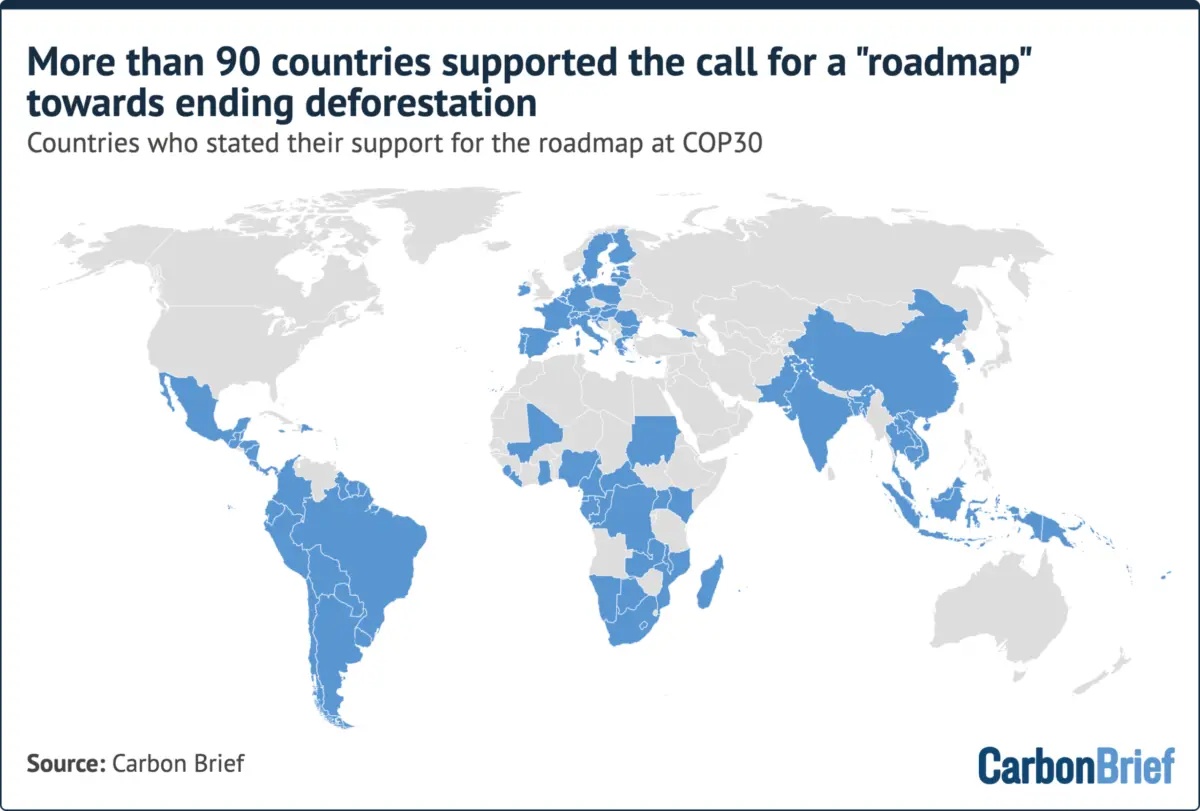
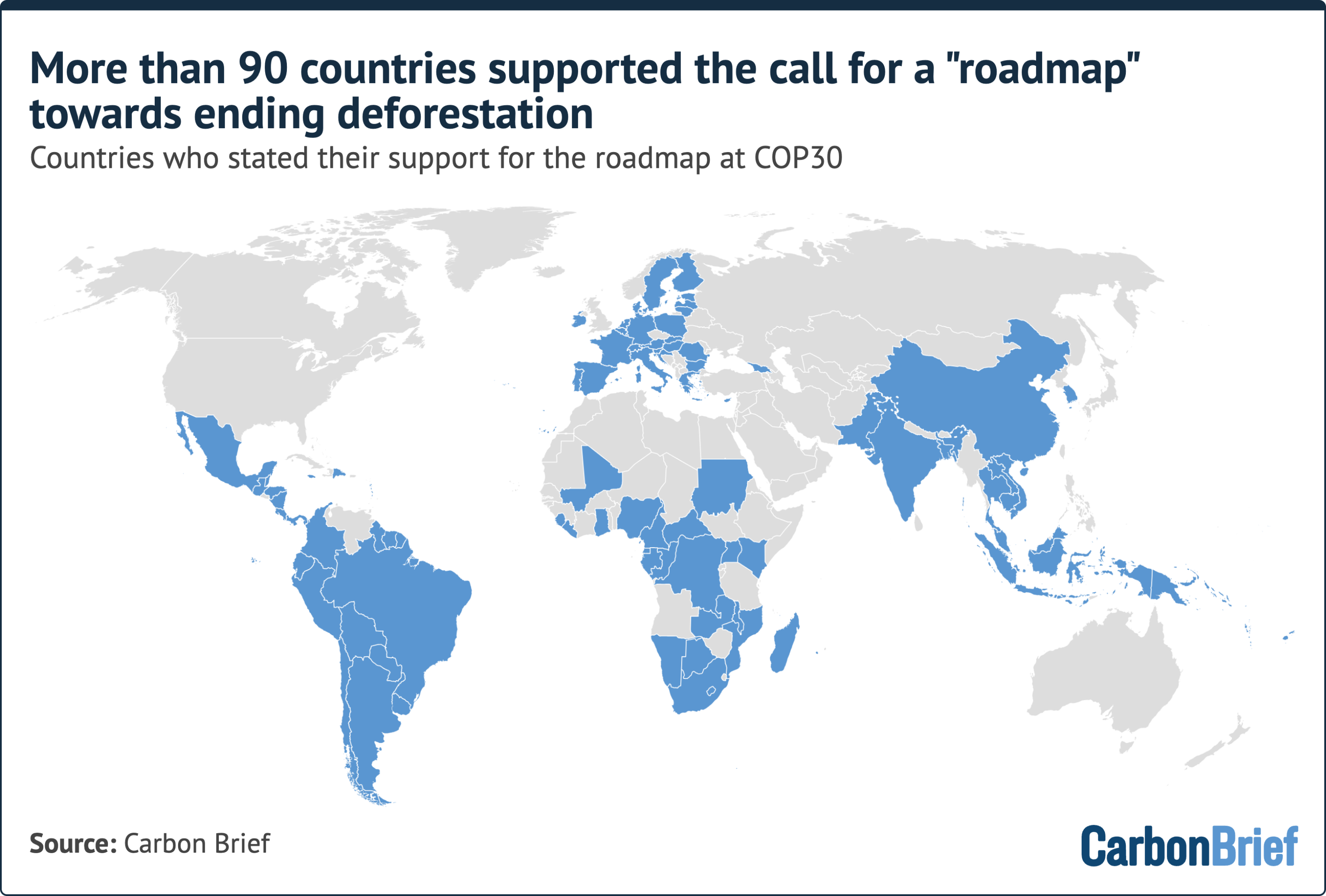
The Brazilian presidency of the COP30 climate talks has officially released its long-awaited "roadmap" aimed at halting and reversing global deforestation. The framework, published on November 3 ahead of the subsequent climate summit, stems from an initiative first championed by Brazilian President Luiz Inácio Lula da Silva ahead of the landmark Belém summit. Although the voluntary roadmap ultimately fell outside the official negotiated agenda of the United Nations climate process due to a lack of complete consensus, it rapidly evolved into a central rallying point during what was widely designated as the "Amazon COP."
During the summit in Belém, nearly 100 countries—including the 27 member states of the European Union and the 56-member Coalition for Rainforest Nations—expressed strong support for incorporating a reference to a new deforestation roadmap into the formal negotiated outcomes of COP30. However, because UN climate decisions require unanimous agreement among all 196 parties, the presidency announced at the close of the conference that the necessary consensus could not be reached for the text to be formally adopted. Instead, Brazil pledged to advance a voluntary roadmap outside the formal UN climate process, a call subsequently answered by 18 countries, four major negotiating blocs, and scores of non-governmental organizations, research centers, and civil society groups.
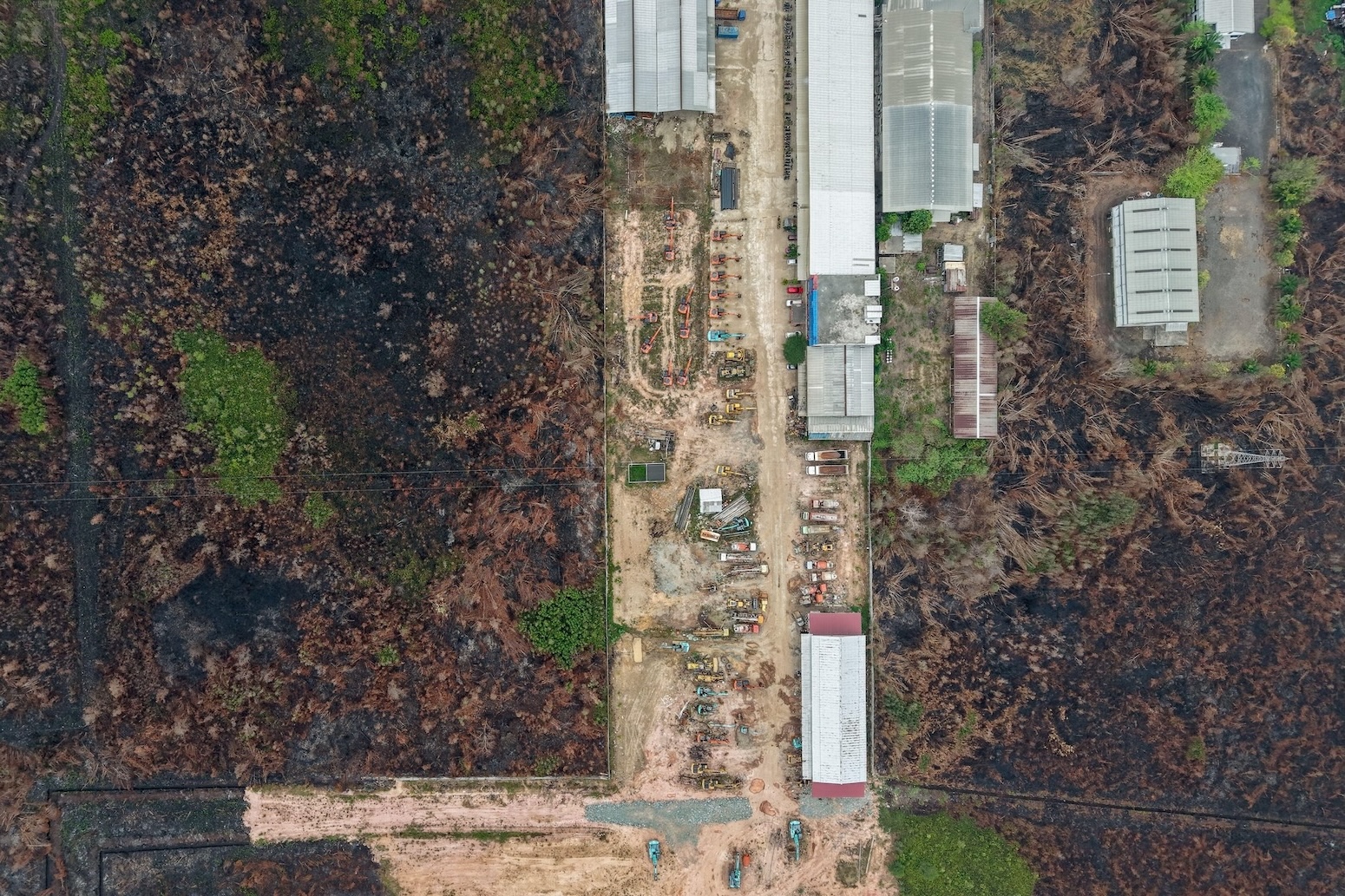
The unveiling of the official document follows a period of extensive consultation led by the Brazilian presidency alongside the Climate Policy Initiative, which served as the technical partner and secretariat for the process. Organizers reported receiving more than 200 contributions, though national-level formal inputs remained concentrated among 18 individual countries and four blocs: the European Union, the Coalition for Rainforest Nations, the Alliance of Small Island States (AOSIS), and the Least Developed Countries (LDCs).
Background and Evolution of Global Forest Pledges
The new deforestation roadmap represents the latest milestone in a lengthy series of international political commitments designed to curb forest loss worldwide. In 2014, during UN Climate Week, 39 countries endorsed the New York Declaration on Forests, pledging to halve natural forest loss by 2020 and end it entirely by 2030. Seven years later, at COP26 in Glasgow, more than 140 countries signed the Glasgow Leaders’ Declaration on Forests and Land Use, committing to work collectively to halt and reverse forest loss and land degradation by the end of the decade, though subsequent implementation debates arose regarding the precise legal nature of the signatories’ commitments.
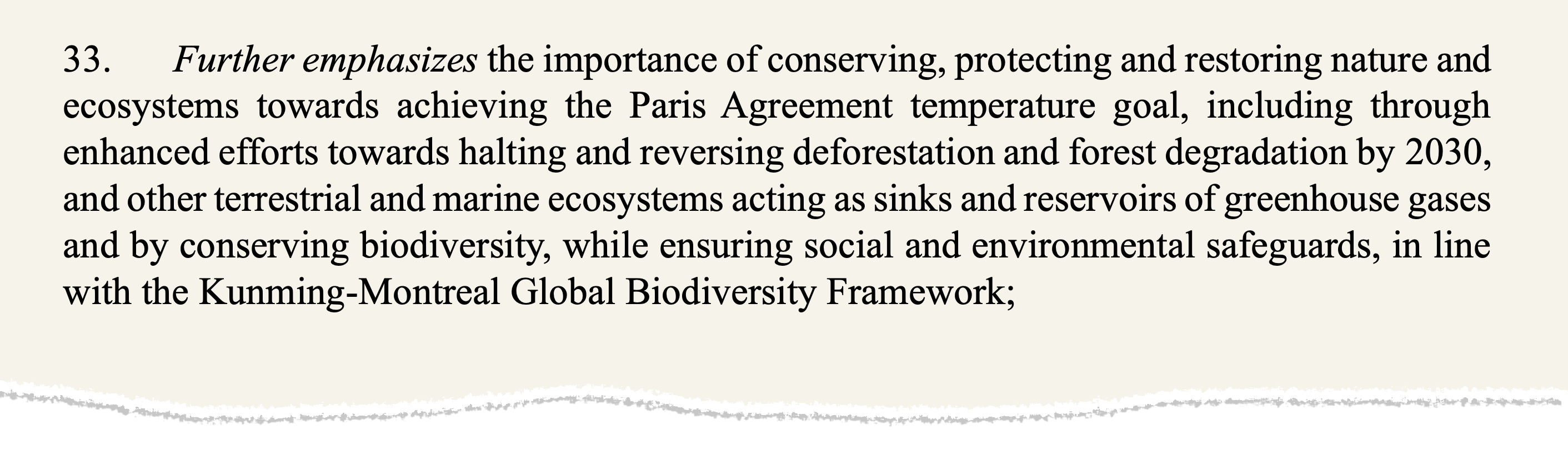
The objective of halting and reversing deforestation by 2030 was formally integrated into a negotiated UN text for the first time at COP28 in Dubai, appearing prominently within the mitigation section of the first global stocktake. Unlike these earlier declarations, the newly published roadmap does not introduce entirely new political commitments or seek to reopen previously agreed-upon decisions. Rather, its stated objective is to translate existing forest-related mandates into coordinated, country-led actions that respect diverse national circumstances, priorities, and unique implementation challenges.
The roadmap was officially launched less than a week before the opening of COP31 during an event hosted by the UN Development Programme in Brasilia. At the launch, COP30 president André Corrêa do Lago emphasized recent government figures demonstrating that Brazil’s domestic deforestation rate had fallen to its lowest level on record, dropping by more than 70 percent since 2022. Expressing surprise at the speed of the decline, do Lago stated that the administration hoped the roadmap would function as a living document, providing governments worldwide with a practical pathway for sustained climate action.
Structure and Core Focus Areas of the Roadmap
The document categorizes forest action into three complementary pillars: national action, international architecture, and financial mechanisms. For each pillar, the text outlines current instruments, identifies necessary enabling conditions, and puts forward specific presidency proposals for the path forward.
Under national efforts, the framework addresses the multifaceted challenge of curbing forest loss across five distinct forest dimensions. It outlines 18 implementation approaches and policies that nations can adapt to address degradation and conversion, emphasizing that the list is non-exhaustive and non-prescriptive. Recommended strategies range from the establishment and expansion of legally protected areas and the formal recognition of indigenous territorial rights to pest management protocols and the restriction of permits for activities linked to forest conversion. For each approach, the roadmap synthesizes available evidence regarding effectiveness and provides practical international examples. Furthermore, it proposes a five-step process guided by targeted questions to assist governments in tailoring national strategies.

Regarding the international architecture for forest action, the roadmap explores how disparate environmental and human rights regimes intersect with forestry, noting that climate change, biodiversity loss, land degradation, indigenous rights, and species protection are frequently managed through separate international frameworks. It highlights existing global forest-monitoring initiatives while acknowledging that national capacities to access and utilize satellite and technical data remain uneven, thereby underscoring the urgent need for enhanced international technical cooperation and capacity-building. The framework also addresses cross-border challenges, including environmental crime and international trade, noting that trade policies rewarding verified compliance are generally more effective than measures imposing heavy administrative burdens on exporters.
On the critical issue of financing, the roadmap points out that halting and reversing deforestation will require an estimated $300 billion per year by 2030, whereas current financial flows reach less than a third of that target. Nearly 90 percent of existing funds originate from domestic public finance, reflecting the substantial efforts already made by forest-rich nations within their own national budgets. To bridge this gap, the roadmap offers ten financial proposals, including aligning domestic public expenditure with forest protection, implementing effective benefit-sharing systems, and strengthening the integration of forests within carbon markets.
Divergent Views and Barriers to Implementation
Despite widespread backing, negotiations surrounding the roadmap in Belém were complex, with several prominent nations choosing not to sign on. India, consistent with its long-standing opposition to top-down mitigation targets and the linkage of trade measures to climate action, objected alongside the Like-Minded Developing Countries bloc to the inclusion of voluntary roadmaps outside the formal COP agenda. Nevertheless, India’s environment minister subsequently stated that New Delhi welcomes the forest roadmap and endorses Brazil’s proposed Tropical Forest Forever Facility fund.
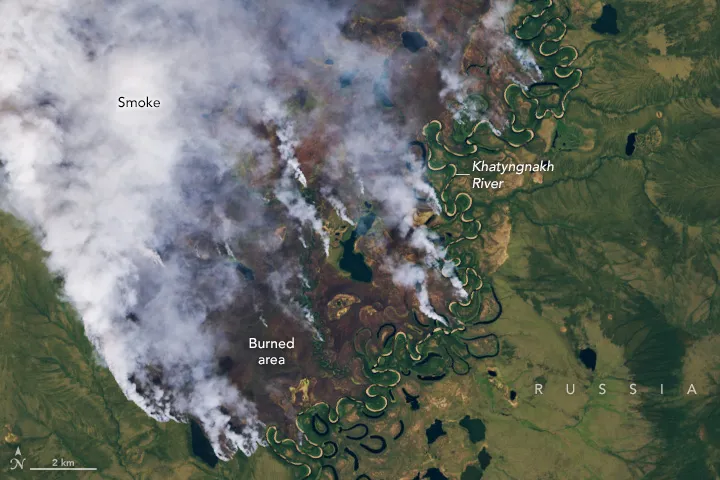
Russia was an early and vocal objector, arguing in formal submissions that universal roadmaps lack a mandate within the agreed international climate architecture and exceed decisions adopted under the UN Framework Convention on Climate Change and the Paris Agreement. Russia, which hosts the world’s largest boreal forests, also highlighted the lack of a universally agreed legal definition of forest degradation and pointed to severe wildfires as a primary driver of forest loss rather than deliberate land conversion.
Other nations expressed caution about shifting negotiating capital toward non-binding mitigation commitments at the expense of core priorities such as adaptation finance. However, defenders of the process argue that because the core objective of halting deforestation by 2030 was already adopted by consensus within the global stocktake at COP28 and the Kunming-Montreal Global Biodiversity Framework, the roadmap is not intended to secure new commitments, but rather to build upon an existing international consensus.
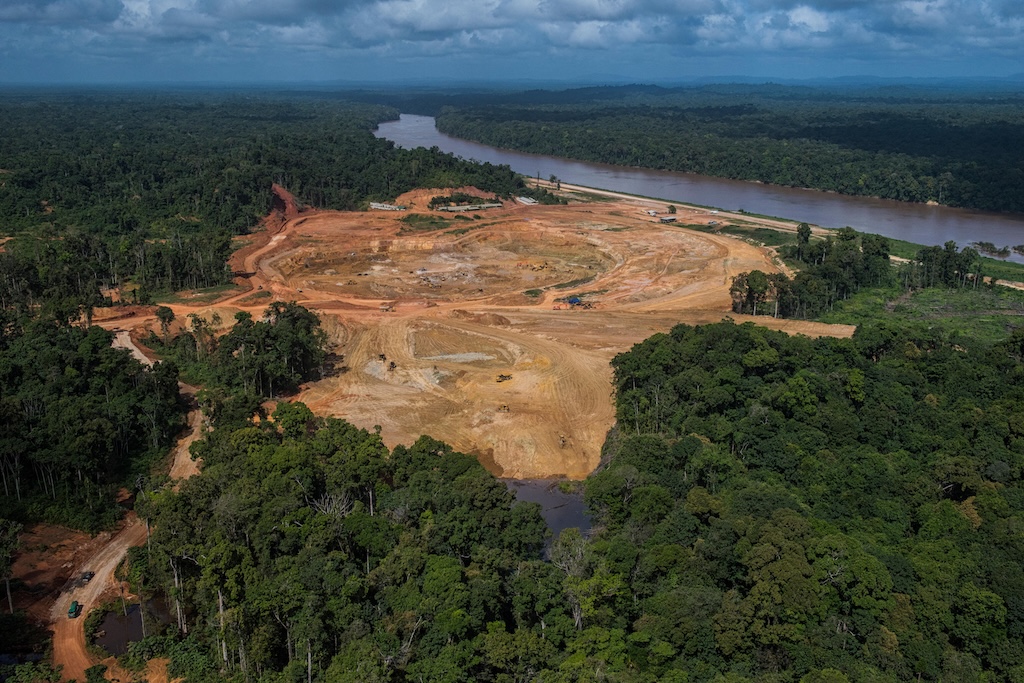
In their detailed submissions to the COP presidency, participating nations outlined a wide array of localized barriers to implementation. Countries such as Guyana and Suriname emphasized that keeping forests intact remains economically undervalued relative to extractive pressures like commercial mining and agriculture. Meanwhile, major economies in the European Union, along with Switzerland, Mexico, and Norway, highlighted the persistent drivers of agricultural expansion and illegal logging. Nations across multiple continents cited intensifying wildfires, shifting climate patterns, and technical monitoring deficits as major threats to long-term forest resilience, illustrating that while a global framework provides shared direction, successful implementation remains deeply dependent on addressing unique national and socioeconomic realities.