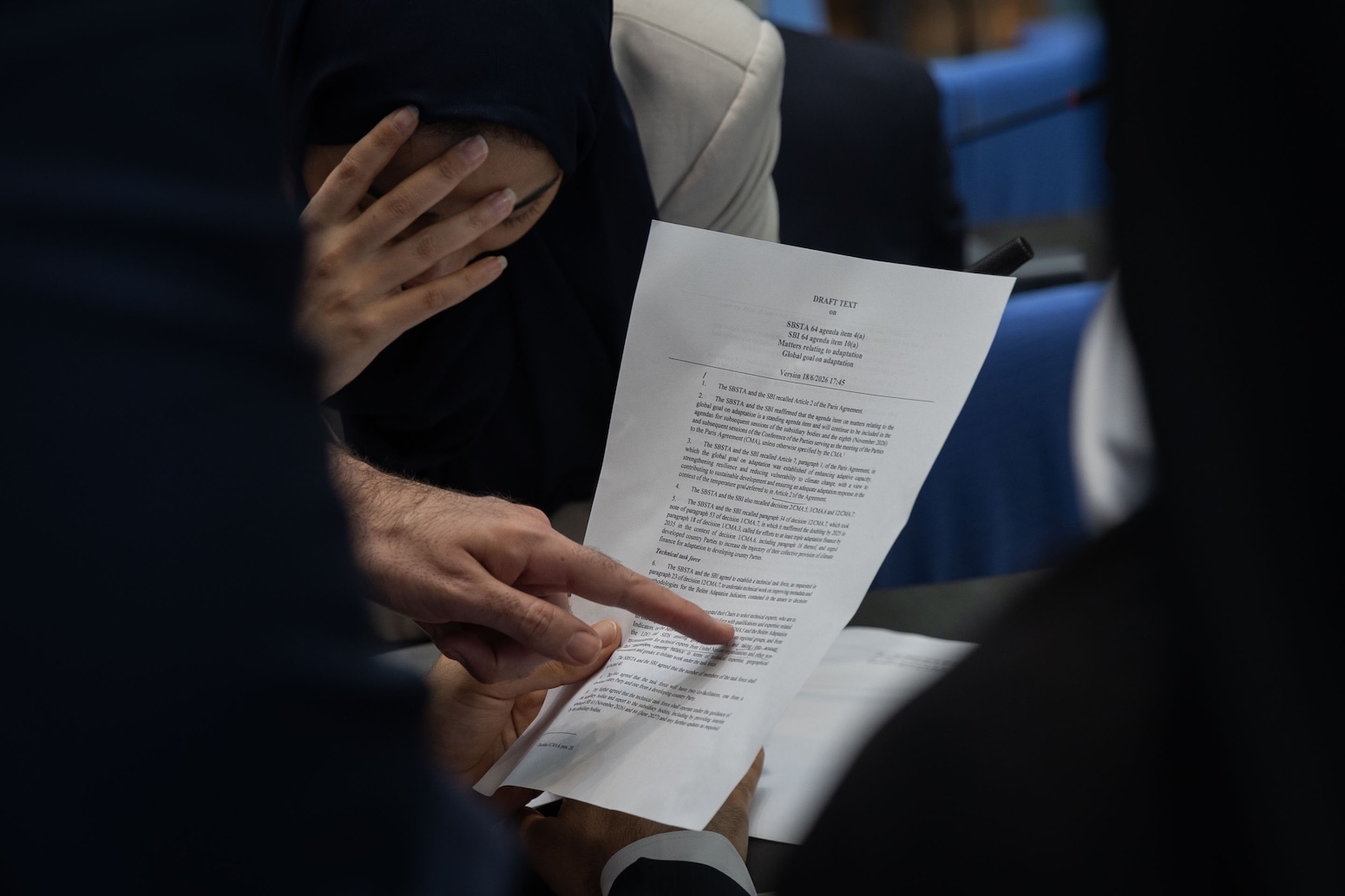
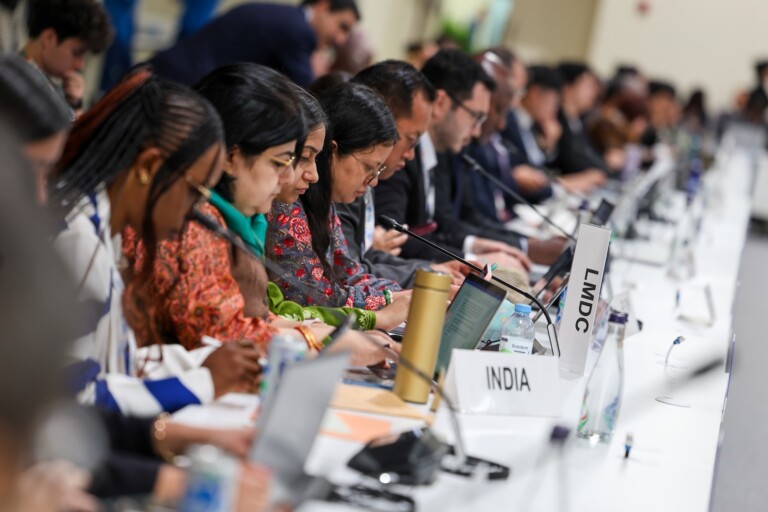
The high-stakes core of every United Nations climate summit is the painstaking negotiation of legal agreements word by word, and COP31 in the Turkish city of Antalya is proving to be no exception. These critical texts are hashed out behind closed doors within the high-security "blue zone" of the conference venue. Here, diplomats representing nearly 200 nations—not including the United States—hicker and haggle over individual verbs, commas, and qualifying clauses that could dictate global climate policy for years to come.
Over the course of the two-week summit, negotiators are attempting to reach consensus on more than 100 separate agreements. However, before the substantive text discussions can even begin, delegates must first agree on which contentious issues are officially allowed onto the agenda. The sheer complexity of this bureaucratic and political process often makes it exceptionally challenging for observers, journalists, and even delegates to keep track of what countries are actively fighting about and how negotiations are actually progressing in real time.
To help decode this labyrinth, analytical tools like Carbon Brief’s real-time text tracker offer a valuable helping hand, categorizing the agenda and maintaining a searchable record of documents for every distinct track of the negotiations. The initial columns of such interactive tracking tables list the topics of each agenda item, supplemented by dates, page counts, and direct links to the original documentation.
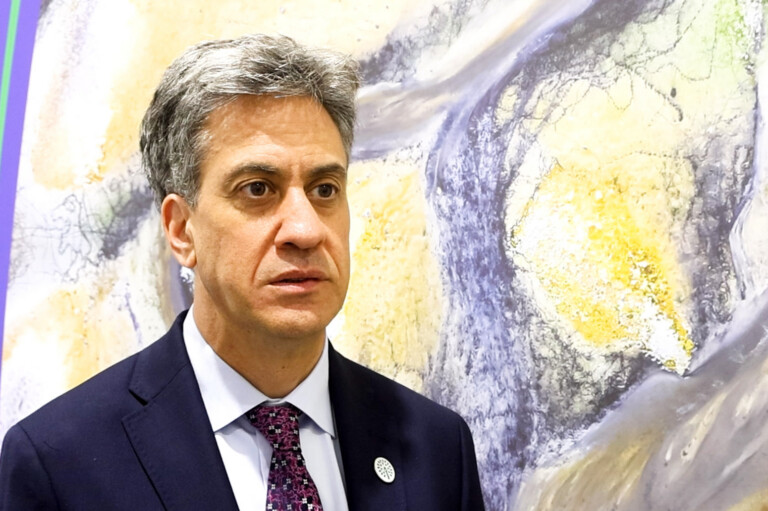
This year’s talks come with a unique twist in leadership: Turkey holds the official presidency and is hosting COP31, but Australia is jointly running the operational show as the designated "president of negotiations." This dual leadership dynamic has already resulted in announcements regarding their shared intention to produce a comprehensive "cover text." This overarching political document is designed to summarize key negotiated outcomes alongside critical issues that failed to make the official agenda.
Such a cover text could formally recognize the growing reality that global warming is set to overshoot the critical 1.5C limit, while highlighting the severe impacts this trajectory is already causing worldwide. It may also incorporate potential forward-looking solutions, such as the Turkish presidency’s targeted push for electrification, which aims to have 35 percent of global final energy consumption sourced from electricity by 2035.
Although the Antalya summit is not widely viewed as a banner year for monumental breakthroughs—falling awkwardly halfway between two major "global stocktakes" designed to measure collective progress under the Paris Agreement—there remain plenty of major topics up for robust discussion. These include ongoing efforts to finalize the elusive "global goal on adaptation" and fierce debates over whether to continue a highly contested process focused on cutting greenhouse gas emissions, commonly known as the mitigation work programme.
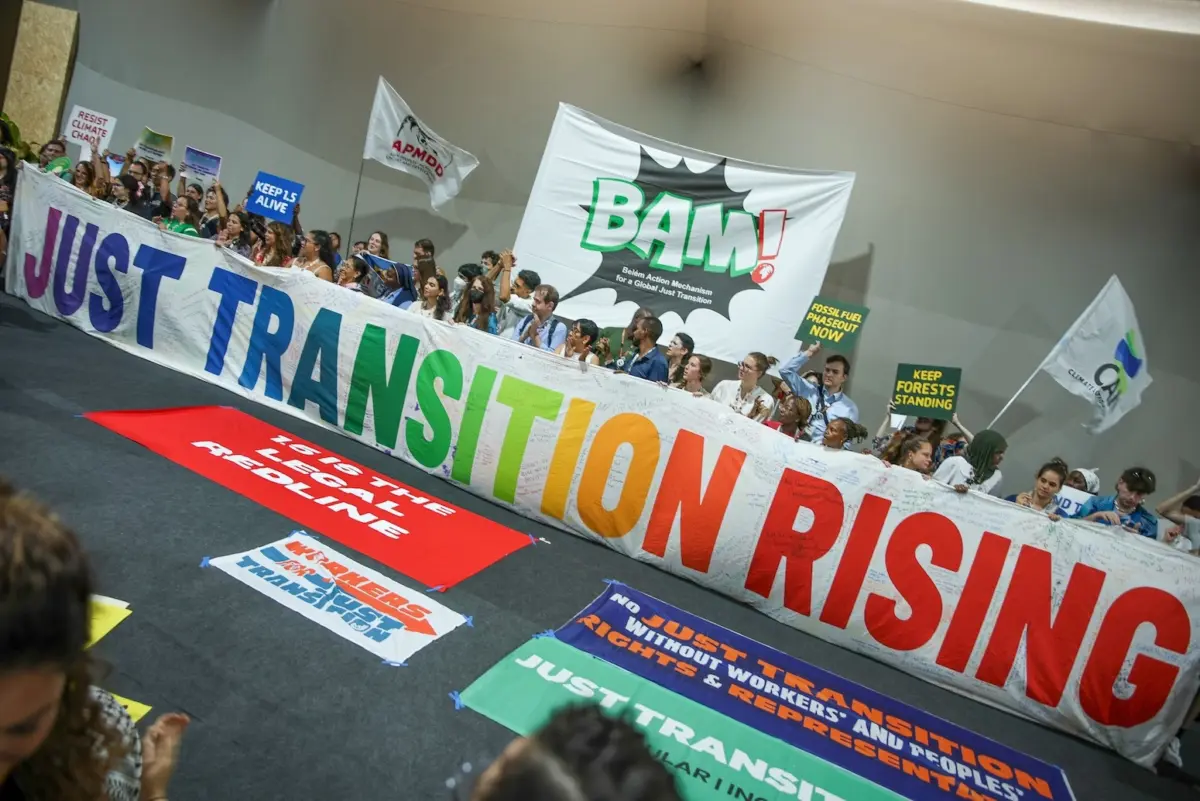
Furthermore, negotiators are attempting to hammer out the intricate operational details of a new "just transition mechanism," also referred to as the Belém-Antalya mechanism for global just transitions (BAM).
While the majority of agenda items are agreed upon well in advance of the summit, participating nations retain the right to suggest late additions. These eleventh-hour proposals must be formally signed off before full negotiations can begin, a procedural gatekeeping phase that frequently results in fierce "agenda fights."
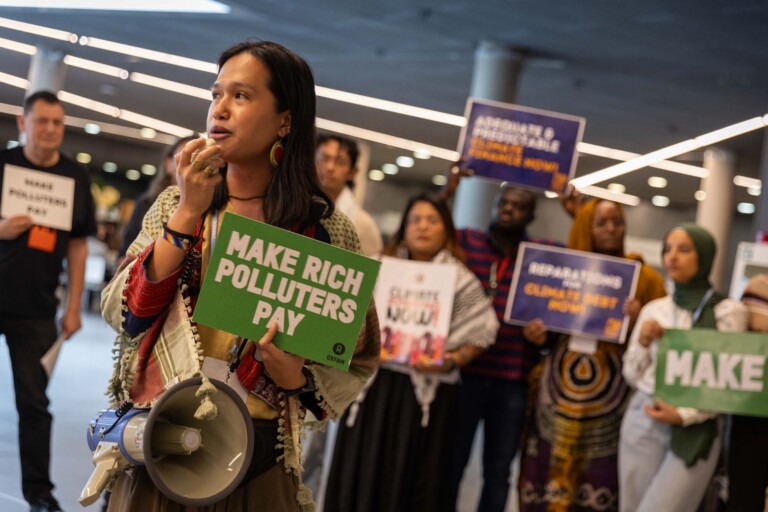
For instance, COP30 previously agreed to place two new items on the agenda for future summits: the provision of climate finance by developed countries under Article 9.1 of the Paris Agreement, and the alignment of broader global finance flows with the treaty under Article 2.1c. Ahead of the opening of COP31, the African group of nations filed a formal request to add climate-related trade tariffs to the agenda, following up on annual dialogues agreed upon during the previous intersessional Bonn climate talks. The African group has also pushed for additional items addressing the tripling of adaptation finance and securing sustained funding for the Green Climate Fund, a flagship UN institution designed to support developing nations in their climate action.
Ahead of the formal opening of the summit, tracking data counts 102 substantive items on the agenda, excluding purely procedural matters such as the election of COP officials. To monitor the fluid status of these talks, observers often categorize negotiations using a traffic-light format where each agenda item is color-coded according to its current developmental stage.
For topics marked in red, negotiators have not yet managed to produce any formal text on paper, often because participating parties hold fundamentally irreconcilable views on how to proceed. Items colored orange indicate that delegates are actively working on an "informal text"—an early, exploratory draft setting out the divergent views of various blocs without yet employing formal legal language.
Once a draft legal agreement officially becomes available, topics shift to yellow. At this critical juncture, areas of lingering disagreement are denoted directly within the text using square brackets and alternative options. Texts riddled with numerous square brackets or competing options typically serve as a reliable indicator of deep-seated disagreements between negotiating blocs.
Throughout the course of the two-week summit, negotiators may churn through dozens of successive iterations of texts for each agenda item. These documents frequently incorporate "bridging text," which is strategically drafted by chairs to resolve differences of opinion and find a political "landing zone" that all opposing groups can ultimately accept.
Agreement on a specific topic is formally reached only when all brackets and options have been successfully resolved, at which point the item turns green on the status chart. Conversely, where insurmountable impasses prevent an agreement, discussions may be subjected to procedural rules that postpone negotiations until the next official session, resulting in a grey color-coding.
As parties systematically narrow down the remaining options and brackets toward the tail end of the summit, they begin generating "clean" texts. These unblemished documents contain zero areas of disagreement and can be seamlessly converted into draft decisions ready for formal adoption at the closing plenary of the meeting.
During this final plenary, each draft decision must be officially gavelled through by the COP president, signifying its formal adoption as a binding legal agreement and the ultimate collective outcome of the summit. While this final administrative step is traditionally treated as a routine formality, dramatic historical exceptions prove that things can unravel at the very last minute. A notable example occurred during the chaotic closing plenary at COP29, when the summit president famously failed to adopt a deal relating to the global stockdate that called for transitioning away from fossil fuels.
As the delegations in Antalya navigate the dense thicket of brackets, texts, and procedural hurdles, the true measure of COP31 will depend heavily on whether this dual presidency can successfully bridge deep geopolitical divides before the final gavel falls.