The American South has rapidly transformed into the nation’s epicenter for data center development, drawing massive investments from the technology sector as the artificial intelligence boom accelerates. However, this unprecedented infrastructure expansion is triggering widespread friction, pushing local government systems to their absolute limits, and sparking intense grassroots opposition across both urban neighborhoods and rural communities.
According to environmental advocates, local officials, and policy experts who gathered during a Climate Week NYC panel discussion, the breakneck speed of the digital infrastructure buildout is creating profound stress tests for regional power grids, municipal resources, and regulatory frameworks. Amanda Garcia, a data center project leader for the Southern Environmental Law Center, noted that communities throughout the region are directly feeling the immense impacts of this sudden industrial influx.
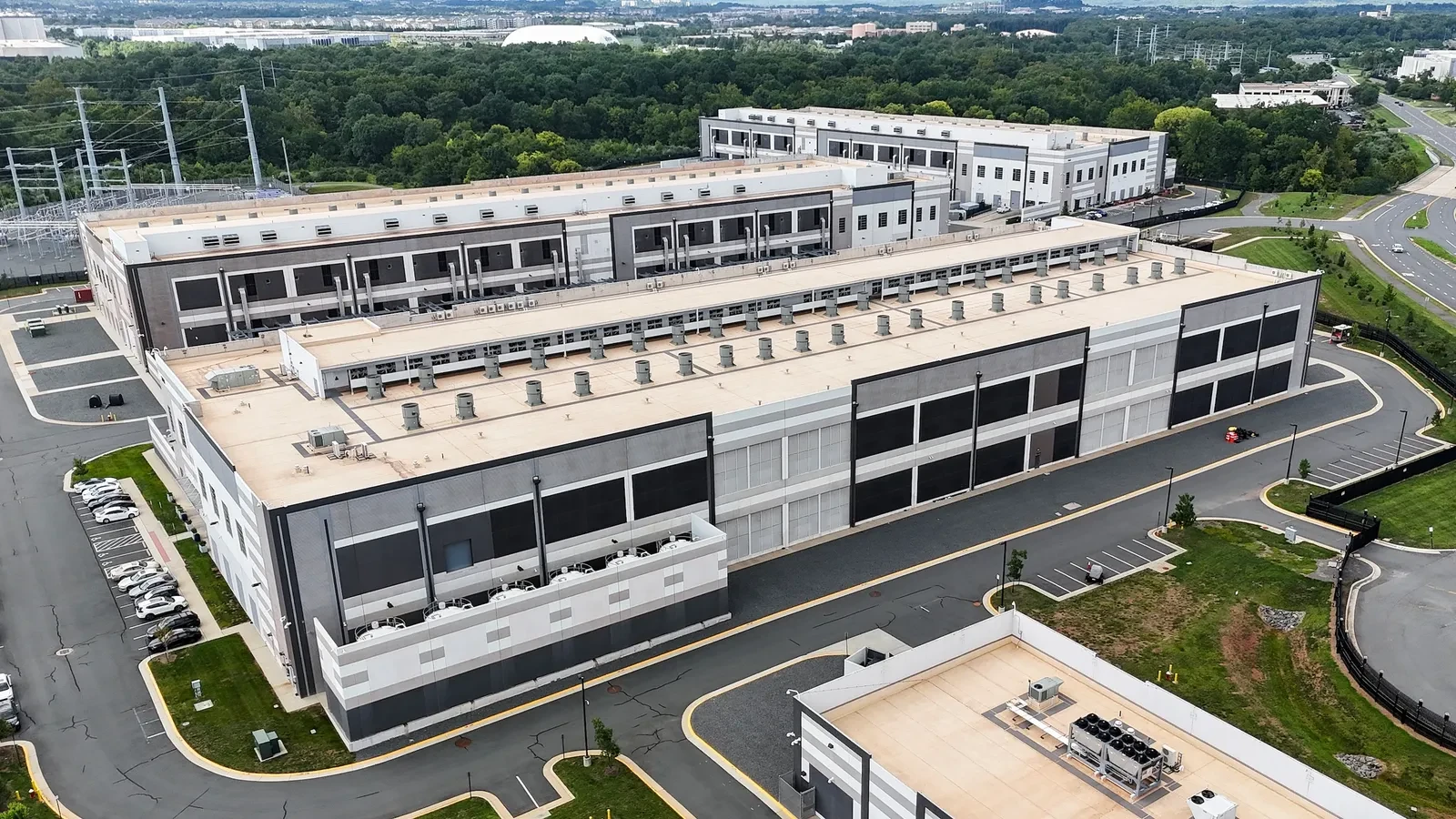
The pressure is acutely visible in regions like Northern Virginia. Loudoun County—historically recognized as "Data Center Alley"—already hosts more than 200 data centers, yet local communities and county officials continue to struggle to keep pace with continuous proposals, zoning debates, and regulatory updates as developers look to expand further into surrounding areas.
DJ Gerken, president and executive director of the Southern Environmental Law Center, emphasized that the current artificial intelligence buildout is happening at a velocity that far exceeds the capacity of existing infrastructure and administrative systems.
"The AI buildout is happening faster than our systems can absorb it—faster than the grid can be built, faster than our regulators can respond, faster than the state and local governments who will ultimately decide where these facilities can be sited have time to craft their rules," Gerken said during the panel. He added that this extreme operational speed acts as a stress test, revealing pre-existing cracks in public systems rather than creating them from scratch.
Opposition to the relentless march of data centers has cut across traditional political divisions, uniting diverse constituencies in shared frustration. David Roberts, founder of the clean energy newsletter and podcast Volts, observed that widespread discontent has turned into active civic engagement. "Everybody’s got some beef with these things," Roberts remarked, while Garcia emphasized that local residents are refusing to remain passive observers. Grassroots organizers and advocates are increasingly collaborating with affected communities to demand policy changes at the municipal level, while simultaneously pushing for greater corporate and governmental transparency across the board.
Industry observers and municipal leaders highlight several critical areas where cities must navigate the complex challenges posed by the data center onslaught, public pushback, and regulatory gaps.
Transparency and Information Access
A primary driver of public backlash is the pervasive secrecy surrounding data center proposals. Community members frequently find themselves entirely in the dark, unable to access even the most fundamental facts regarding facilities slated for their neighborhoods because local officials have signed nondisclosure agreements with corporate developers.
Garcia pointed out that citizens are left asking basic questions about resource consumption and community impacts without receiving answers. Residents routinely inquire about the exact power requirements of a proposed facility, whether it intends to construct on-site power generation, how much water it will consume, and where that water supply will originate. Economic anxieties are equally prominent, with residents voicing fears that massive industrial utility demands could artificially inflate local electricity and water bills. Despite these pressing inquiries, communities often hit a brick wall of corporate and municipal opacity.
This lack of transparency does not exclusively affect everyday residents; local lawmakers and planning commissioners are frequently blindsided by the opaque application processes utilized by developers. Abré Conner, director of the NAACP’s environmental and climate justice center, highlighted a striking example in Clarksdale, Mississippi. In that instance, local planning and zoning commissioners reported that they did not discover a newly approved project was actually a data center until after the approval had already been granted.
Conner explained that due to the specialized wording within the initial project applications, commissioners were completely unaware of the facility’s true nature. When they attempted to reverse their decision, they found themselves isolated, lacking proper administrative or county-level guidance because local council members were actively pushing the project forward.
Leveraging Local Authority and Negotiating Power
Despite the immense financial muscle wielded by technology giants and infrastructure developers, municipal governments actually hold significant leverage in the negotiation process. Roberts noted that data center developers operate under severe time constraints, facing intense corporate pressure to construct facilities and bring them online as quickly as possible.
"These companies are desperate," Roberts said. "They need the communities. They can’t just go anywhere; everybody’s fighting them now. They are losing millions, billions of dollars every day that they don’t get these things up and running."
Given this dynamic of corporate urgency, Roberts argued that local governments should adopt a much stronger posture, questioning the continued practice of offering lucrative tax exemptions and financial incentives to multi-trillion-dollar corporations. Instead of courting developers with tax giveaways, cities must formulate serious, enforceable demands regarding long-term community preservation, ensuring that these industrial installations genuinely deliver the promised property tax revenue and sustainable economic development.
Grid Connections Versus On-Site Fossil Fuels
One of the most powerful policy levers available to local governments lies in zoning and land-use permitting. Cities can actively shape the energy landscape by prohibiting on-site fossil fuel generation—such as dedicated natural gas plants—and mandating that data centers tie directly into the shared electrical grid while supporting new clean energy capacity development.
Major technology companies have increasingly sought ways to bypass traditional public utility frameworks to secure uninterrupted power for energy-intensive artificial intelligence workloads. Roberts criticized this impulse, comparing it to the privileges sought by economic elites.
"The thing about billionaire power is that they want private schools, they want private planes, they want to skip the line at Disney World. They want to skip the grid," Roberts said. "They want their own special tier of service, and it’s like, ‘No, we’re a democracy. You’re in this with us. You’re going to use the grid we’re all using, and you’re going to help make the grid better.’"
By enacting local ordinances that mandate shared grid integration and prohibit on-site gas combustion turbines, cities can address concurrent public concerns regarding local air quality, water usage, and retail utility rate hikes through a single regulatory mechanism.
Redefining Community Benefits
Municipalities and community advocates also have a unique opportunity to modernize the concept of "community benefits," moving beyond superficial corporate concessions. Conner noted that for too long, the tech industry has dictated the terms of engagement, limiting community investments to minor contributions like donating laptops to local schools or purchasing a fire truck.
While such contributions are often welcomed, Conner argued they are entirely insufficient given the massive scale of industrial disruption. However, local planning staffs and zoning boards frequently lack the necessary legal support and specialized training required to wield their regulatory authority effectively.
To bridge this gap, organizations like the NAACP have developed comprehensive engagement frameworks covering land use, environmental protection, labor standards, and local hiring commitments. Additionally, the organization has formulated templates for cost-recovery support agreements, designed to help local governments properly evaluate project impacts, review technical disclosures, and negotiate robust mitigation terms.
The Broader Resistance to Oligarchic Control
Ultimately, panelists emphasized that the fierce local resistance against data centers extends far beyond concerns over zoning, noise, or power consumption. For many citizens, data centers have become a physical manifestation of broader frustrations regarding corporate consolidation and a perceived lack of democratic accountability.
"It has just felt, for the last five to 10 years, like there’s a cabal of rich people deciding the future of the world, and none of us are involved," Roberts said. He noted that data centers—which are fundamentally large commercial buildings packed with computer servers—have absorbed a wide array of societal anxieties, ranging from local environmental degradation and existential fears over artificial intelligence to a general weariness with corporate elites overriding democratic procedures.
For communities caught in the path of the digital infrastructure expansion, the local zoning board has unexpectedly emerged as a primary battleground for civic pushback. Bill McKibben, an author, educator, and founder of the climate advocacy organization Third Act, reflected on this dynamic within the broader context of American governance.
"This is the one place where we’ve gotten to stand up to the oligarchy in some way," McKibben said. "It’s strange, in our wrecked, dysfunctional American political system at the moment, that the only way we have to stand up to any of this is to go to the zoning board and say, ‘Don’t build a fortress in my town.’"