Emirates has no plans to slow its aggressive expansion out of Dubai anytime soon, with airline leadership setting its sights on several major unserved North American markets as part of a sweeping long-term growth strategy.
Speaking on the sidelines of the Routes World conference, Emirates President Tim Clark revealed that the Dubai-based carrier is actively eyeing potential flights to Denver International Airport (DEN), Detroit Metropolitan Airport (DTW), and Philadelphia International Airport (PHL). These destinations represent only a fraction of a broader pool of potential markets that Clark described as extending "on and on."
"There aren’t many cities in the world that we will not be able to touch if we want to get there," Clark said during the interview, underscoring the carrier’s relentless global ambitions.
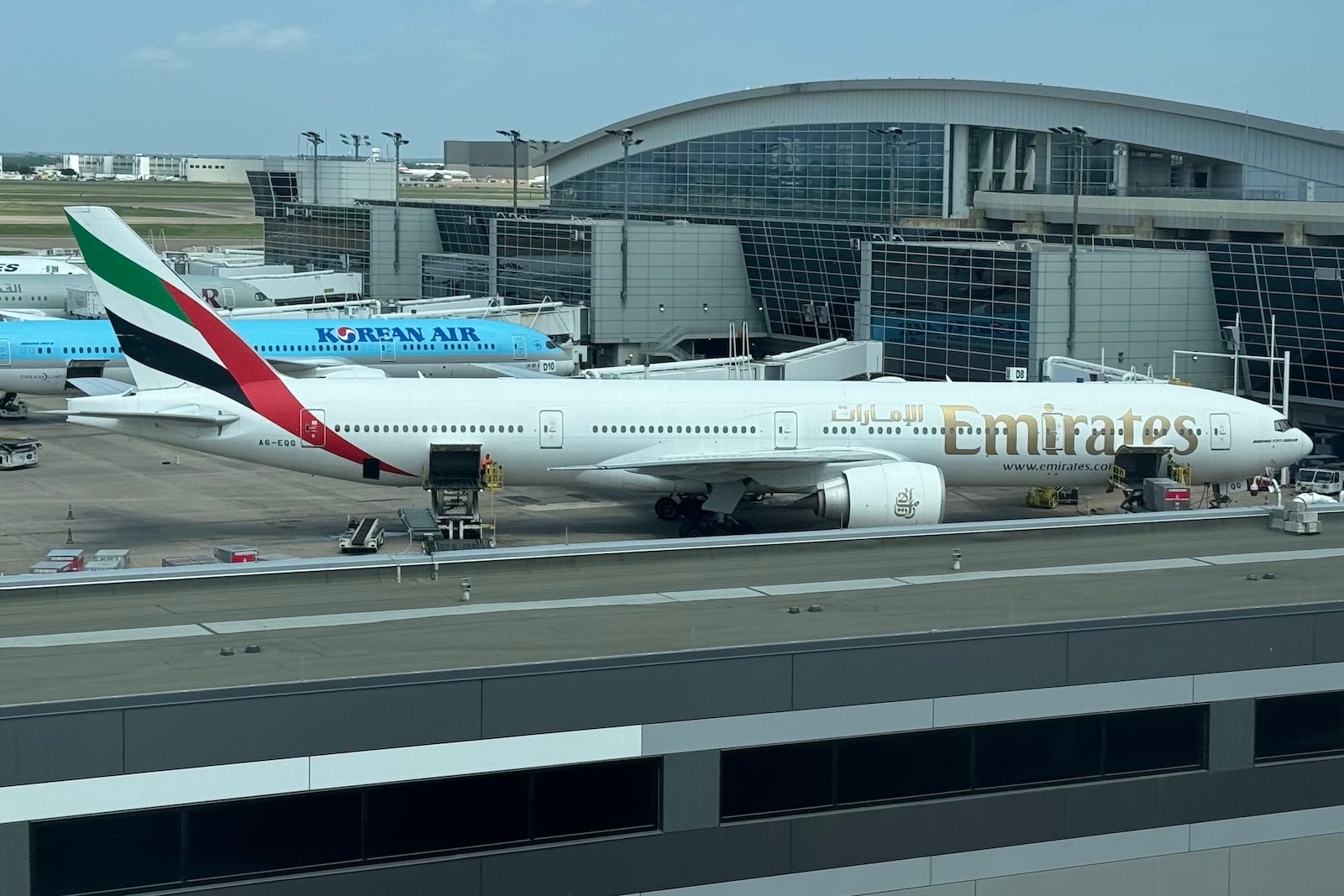
The Gulf airline has not added a brand-new destination to its United States network since 2017, when it inaugurated flights to Newark Liberty International Airport (EWR). Its most recent U.S. network adjustment occurred in 2021 when it shifted its South Florida gateway from Fort Lauderdale-Hollywood International Airport (FLL) to Miami International Airport (MIA), according to scheduling data from aviation analytics firm Cirium. However, shifting macroeconomic conditions, strategic partnerships, and a massive influx of modern aircraft are poised to alter the airline’s footprint across North America.
Next-Generation Fleet Deliveries Fuel US and Global Opportunities
The foundation of Emirates’ upcoming network expansion relies heavily on the modernization and growth of its widebody fleet. The carrier’s massive order book includes more than 300 next-generation aircraft distributed among Airbus A350s, Boeing 787 Dreamliners, and the long-delayed Boeing 777Xs. Furthermore, the airline holds the flexibility to convert some of its pending 777-9 orders into the smaller 777-8 variant or a potential larger 777-10 iteration, giving fleet planners unprecedented versatility.
Among these upcoming deliveries, the long-awaited Boeing 777-9 holds a prominent role. Emirates expects to take delivery of its first 777-9 aircraft—configured to seat between 300 and 400 passengers—in 2027, according to Clark. The arrival will mark a significant milestone for a program that has faced years of regulatory hurdles and manufacturing setbacks, having originally been scheduled for delivery back in 2020.
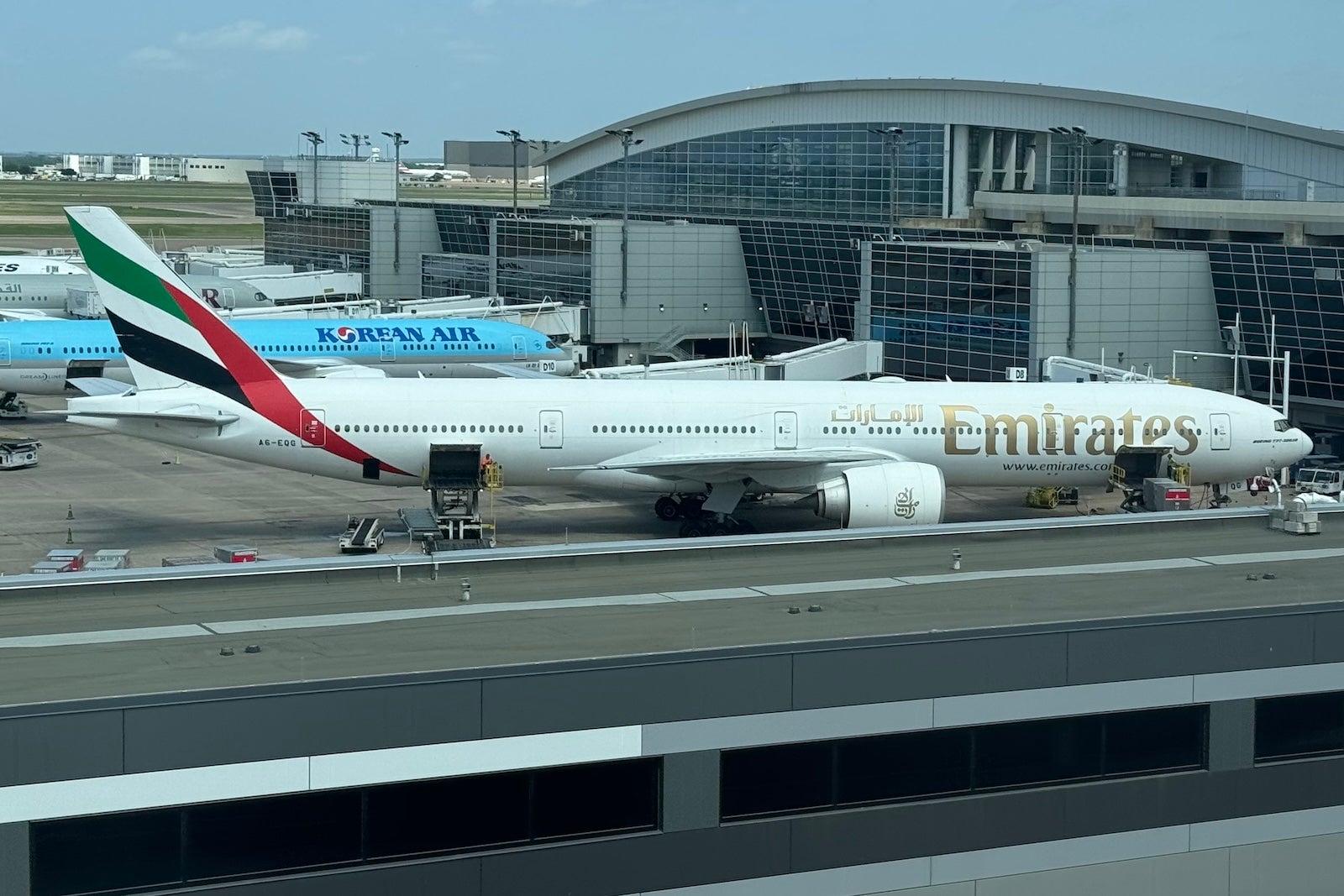
While Clark declined to provide specific details regarding the aircraft’s cabin configurations and layout plans, he assured passengers that the interior products would meet the carrier’s trademark standards of luxury. The new cabins, he promised, will be "stylish, luxurious and cool," adding that "nobody is going to be disappointed regardless of the class of travel they travel in."
Strong Passenger Demand Persists Amid Regional Geopolitical Pressures
The push for rapid expansion comes at a time when the broader aviation sector faces various geopolitical headwinds. Despite ongoing conflicts involving Iran and Houthi forces in Yemen, Emirates remains resolutely committed to its strategic roadmap.
"The demand in the multiple segments that we have been in traditionally is still strong for us," Clark remarked, addressing the current operational environment and macroeconomic pressures.

As the dominant carrier anchoring Dubai International Airport (DXB), Emirates has capitalized on structural capacity shifts in the global market, benefiting particularly from flight suspensions enacted by several Western carriers. By leveraging its hyper-efficient hub-and-spoke model, the airline seamlessly funnels travelers from Europe and North America through Dubai, connecting them onward to expansive networks spanning India, Southeast Asia, and Africa.
Passenger demand across these diverse regional corridors remains robust. Pointing to specific leisure and business routes as indicators of healthy traffic, Clark noted that flights to the Thai capital of Bangkok continue to operate at maximum capacity.
This sustained passenger volume has helped buffer the airline against rising operating expenditures, particularly the volatile cost of jet fuel. Emirates maintains its profitability despite the financial headwinds introduced by elevated fuel prices. According to data published by the International Air Transport Association (IATA), the average global price of aviation kerosene stood at $4.58 per gallon during the week ending October 16.
Strategic Partnership with United Airlines Strengthens Network Reach

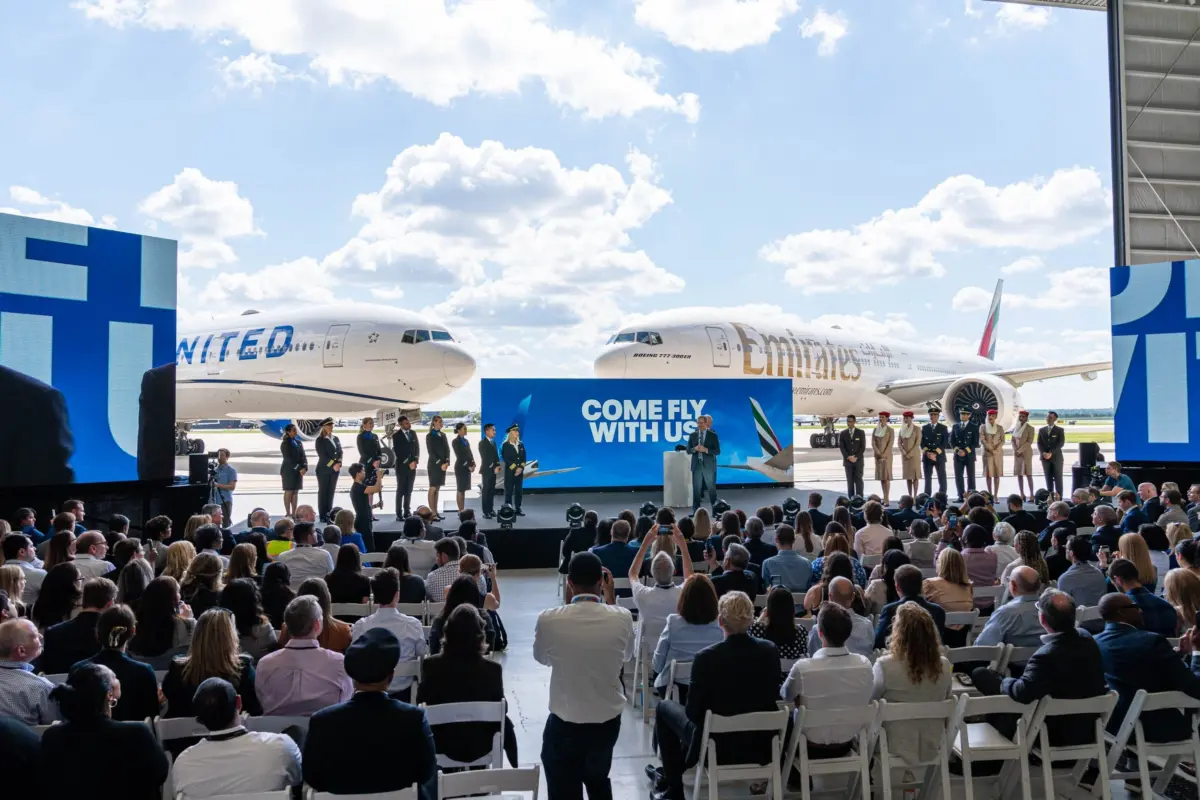
A key component of Emirates’ broader North American strategy involves its ongoing collaboration with United Airlines. The two carriers officially launched a comprehensive codeshare agreement alongside a loyalty tie-up linking Emirates Skywards and United MileagePlus programs in 2023.
The partnership has already yielded significant network synergies. As part of the pact, United introduced direct service to Dubai International Airport from its primary hub at Newark Liberty International Airport. Although United temporarily suspended the route in February following coordinated U.S. and Israeli actions involving Iran, the foundational framework of the alliance continues to reshape how passengers move between the United States and the Middle East.
While Clark did not explicitly link United’s network to Emirates’ upcoming U.S. evaluation list, aviation analysts have noted that Denver International Airport stands out as a particularly intriguing prospect. Among the three cities mentioned by Clark, DEN is notably the only major hub operated by United Airlines that Emirates does not currently serve with its own metal, suggesting potential for deeper connectivity under the existing partnership umbrella as new aircraft join the fleet later this decade.