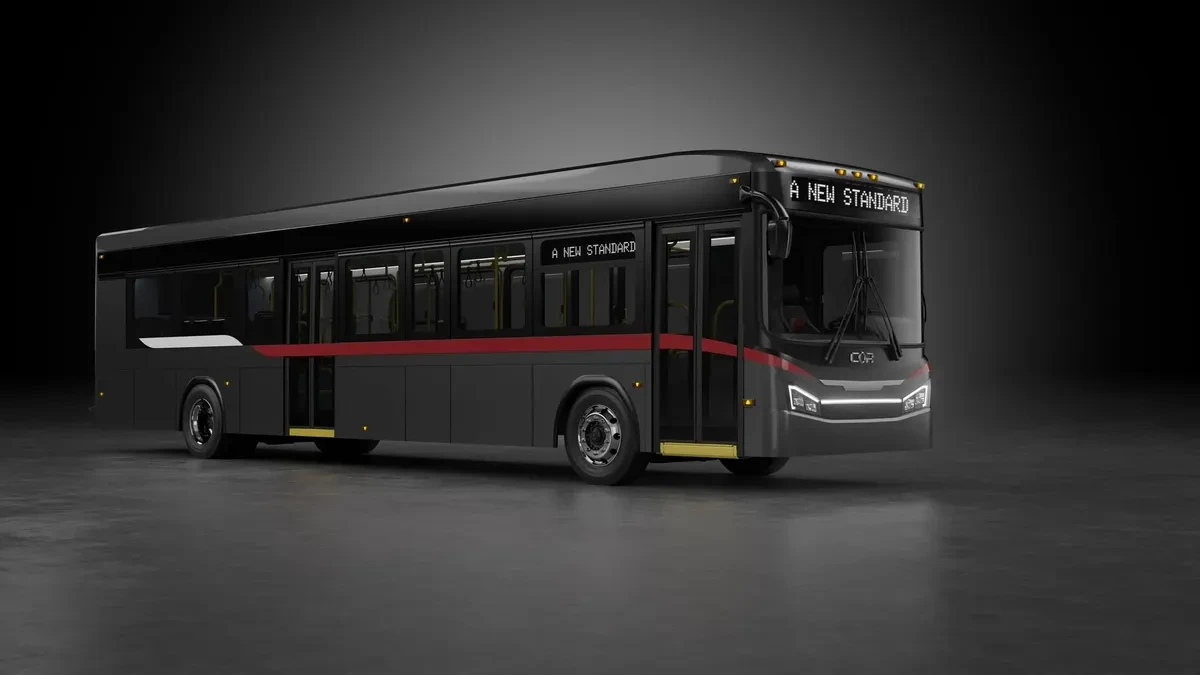
The North American transit bus landscape is experiencing a significant shift as new competitive options emerge to address a prolonged period of supply chain disruptions, manufacturing consolidation, and high vehicle demand. ABC Companies has officially announced the launch of a brand-new line of heavy-duty transit buses under the Cor Transit brand, introducing a fresh domestic competitor to the market. Simultaneously, Vietnamese electric vehicle manufacturer VinFast is preparing to bring its electric buses to the United States through a strategic partnership with NexMove Certified, a joint venture formed by Transportation Management Services and electric vehicle charging infrastructure provider Zeem Solutions.
These developments arrive at a critical time for transit agencies across the United States and Canada. In recent years, the sector has grappled with severe supply chain shortages, shifting tariffs, and the departure of notable bus manufacturers from the marketplace. This confluence of challenges has left many municipalities and transit authorities facing extensive vehicle backlogs and prolonged delivery timelines when trying to modernize or expand their fleets.
Addressing Market Demand and Manufacturing Challenges
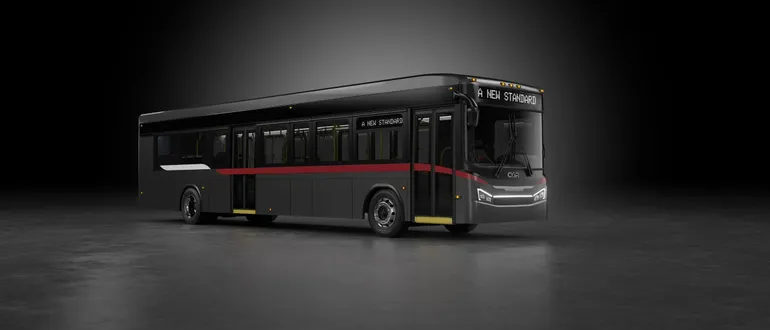
According to industry leaders, the timing could not be more critical for fresh entrants to establish a footprint. "There’s a high demand in the market right now, and I think we’ll be able to fill it," said John Walsh, Chief Commercial Officer at ABC Companies, in an interview regarding the new initiative. "It should help delivery times."
ABC Companies expects its newly established Cor Transit heavy-duty transit bus manufacturing operation to roll out its very first vehicle deliveries by 2028. While the company has not yet finalized or publicly announced the specific geographic location for its manufacturing facility, leadership has confirmed a key compliance detail for potential municipal buyers. The newly designed buses will meet the applicable requirements of the federal Build America Buy America Act, ensuring that transit agencies relying on federal grants can purchase the vehicles without running afoul of domestic sourcing mandates.
Designing a modern transit bus requires balancing the practical needs of transit agencies, service technicians, and daily passengers. Michael Ammann, Vice President of the Transit Division at ABC Companies, emphasized the careful thought put into the vehicle’s design philosophy. "The goal is to develop a product that the transit agencies will understand," Ammann said, noting that the company aims to bridge the gap between traditional reliability and modern passenger expectations.
Furthermore, the company wants to create an environment that attracts riders back to public transportation. "We want to have an inviting vehicle for people to get into," Ammann explained. To achieve this, the interior design has been conceptualized to feature a calming aesthetic, complete with soft ambient lighting and what designers describe as a distinctive "European feel." Accessibility and passenger flow were also primary considerations during development. The vehicle is engineered to accommodate a wheelchair ramp configuration at either the front door, the center door, or both, depending on the specific operational needs of the transit agency. Additionally, the bus will feature a wide aisle to facilitate smoother boarding and alighting for all passengers.

Engineering for Operators and Technicians
Beyond passenger comfort and aesthetic appeal, the engineering team at ABC Companies took a holistic approach to the practical realities of operating and maintaining a heavy-duty transit vehicle. Walsh noted that the bus was designed "from the ground up" with a strong focus on the daily experiences of service technicians and bus operators who spend their shifts behind the wheel.
One common challenge in modern transit bus design involves safety partitions installed to protect drivers. While these physical barriers are crucial for operator security, they can inadvertently restrict airflow within the operator’s compartment, leading to discomfort during warmer months or visibility issues caused by window fogging. To solve this engineering hurdle, ABC Companies made a specific design choice for its new line. "Our bus will be standard with a driver’s air conditioning system" that not only keeps the operator comfortable but also assists in defogging the windows and improving air circulation on warm days, Ammann detailed.
When production begins, the initial rollout of Cor Transit vehicles will feature traditional diesel-powered powertrains. However, the company has structured its manufacturing platform with future flexibility in mind, planning to introduce alternative powertrains as market demand and technological readiness evolve.

Expanding Zero-Emission Options Through Strategic Partnerships
While ABC Companies prepares its domestic manufacturing pipeline, the zero-emission transit sector is also welcoming international competition through new collaborative frameworks. VinFast, the prominent Vietnamese automotive manufacturer, is setting its sights on the North American public transit market through a newly formed partnership with NexMove Certified. NexMove operates as a joint venture combining the operational expertise of Transportation Management Services with the specialized EV charging infrastructure capabilities of Zeem Solutions.
Rather than selling buses strictly as standalone assets, the collaborating companies plan to offer a comprehensive, bundled model. Transit agencies and private operators will be able to acquire the vehicles alongside integrated charging infrastructure, ongoing maintenance, and operational support packaged together within a single purchase agreement. This holistic approach aims to reduce the logistical hurdles that fleet operators often encounter when transitioning from traditional internal combustion engines to battery-electric technology.
Unlike the domestic offerings designed to comply with federal funding rules, the VinFast buses will be manufactured in Vietnam. Robert Hill, Vice President of Electric Bus Sales for VinFast in the United States, confirmed that these imported vehicles will not meet the stringent domestic content criteria outlined in the Build America Buy America Act. Consequently, agencies utilizing federal grants for their purchases may need to look toward alternative funding sources or rely on private operators. To instill confidence in buyers regarding the reliability of an imported vehicle line, Hill noted that the electric buses will be backed by a comprehensive 15-year warranty, providing long-term security for transit agencies investing in the new technology.