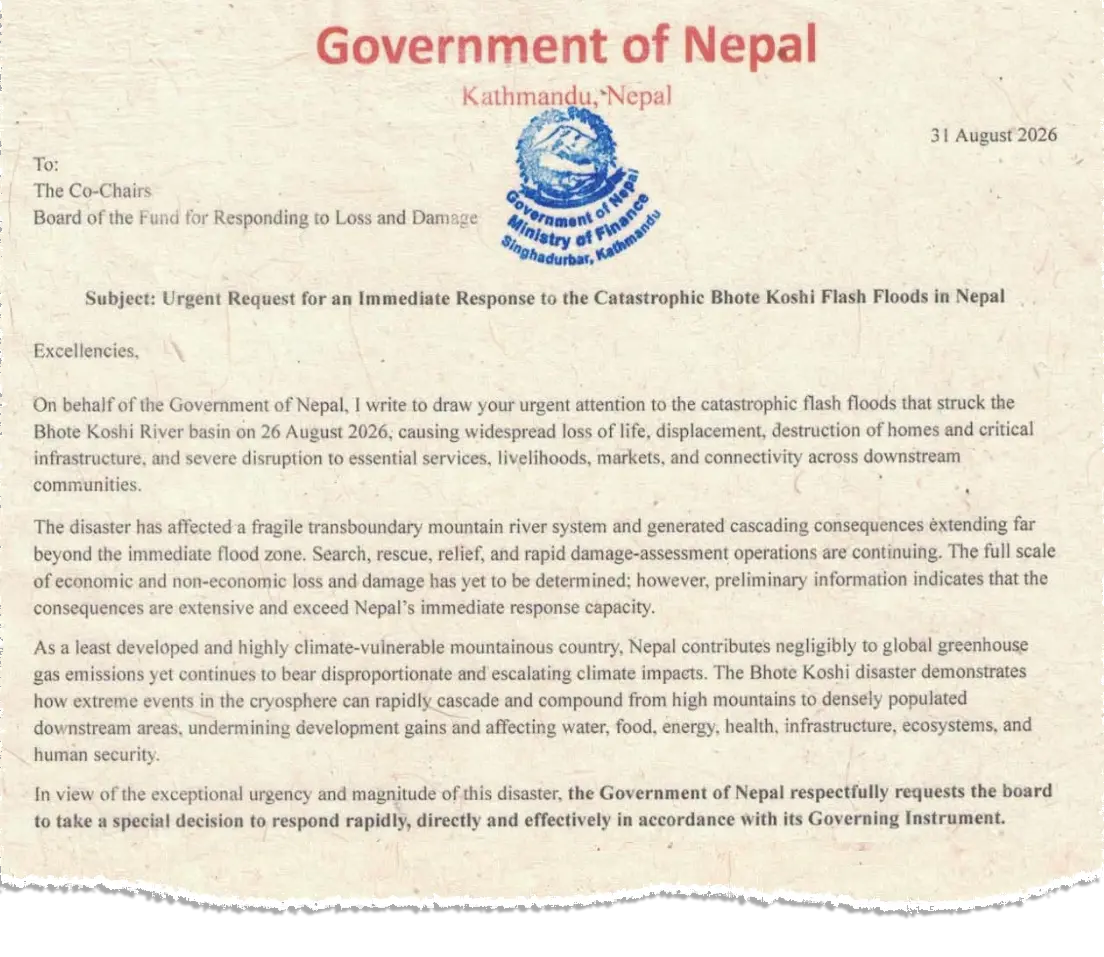
The Nepali government has formally requested $20 million from the United Nations fund for loss and damage following the devastating flash floods that swept across the Himalayan nation in late August. While this financial appeal represents a critical lifeline for a country grappling with immense human and physical destruction, the request highlights a stark discrepancy within global climate finance. The $20 million sought by Kathmandu amounts to a mere 0.7 percent of the $2.7 billion the government has estimated in physical infrastructure damage and direct economic losses resulting from the disaster.
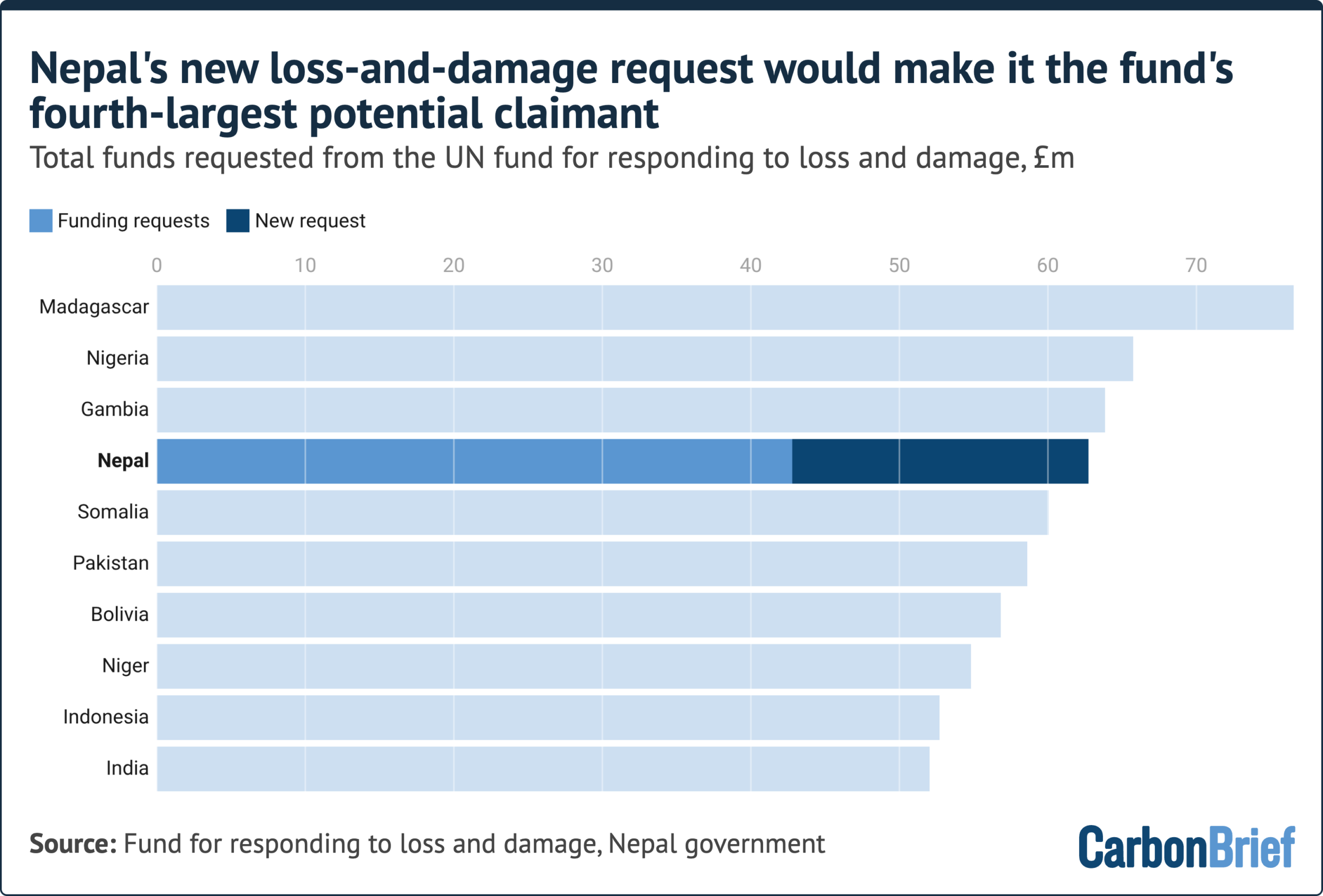
Despite the relatively small fraction it represents of Nepal’s total needs, the request makes the country the fourth-largest claimant to the UN loss-and-damage fund. Established in 2023 after decades of persistent lobbying by climate-vulnerable nations, the fund is intended to help developing countries manage the severe, often irreversible impacts of climate change. Yet, as nations increasingly confront intensifying extreme weather events, the early performance of the fund has sparked intense debate over its capacity, structure, and the willingness of developed countries to meet the financial responsibilities of historical emissions.
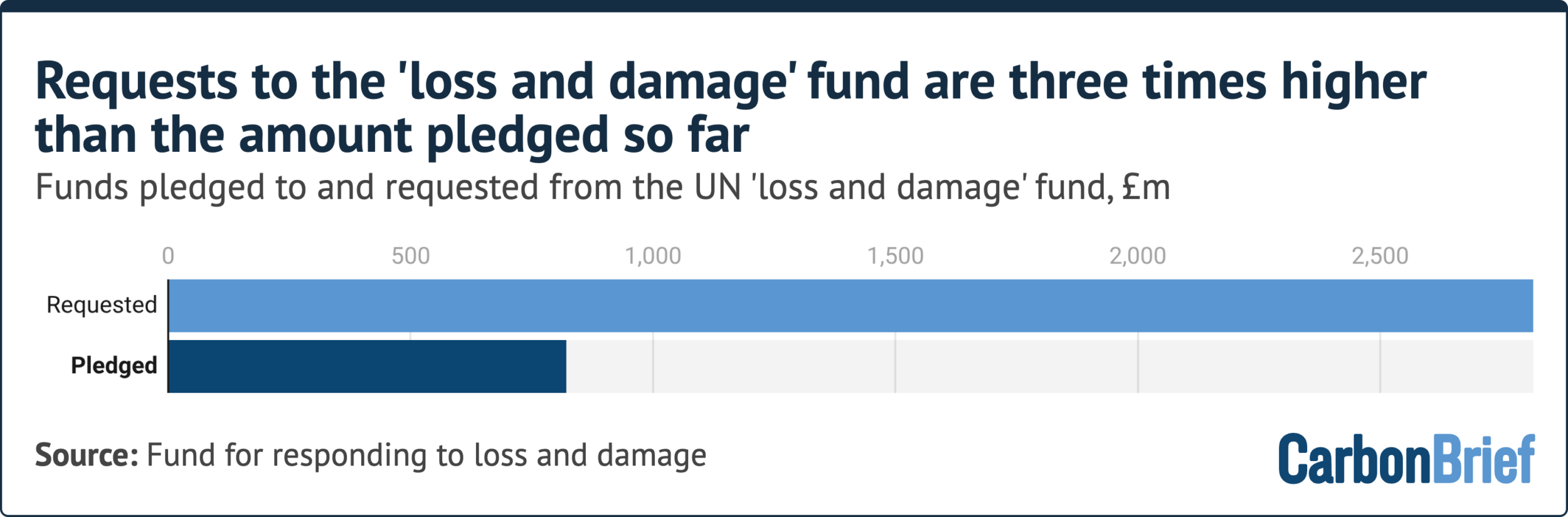
Across the developing world, the demand for assistance has vastly outpaced available resources. Nations have submitted 176 applications to the UN fund, requesting a total of $2.8 billion to recover from disasters such as droughts, severe storms, and catastrophic floods. In stark contrast, predominantly developed nations have collectively pledged only $800 million to support the mechanism. This dynamic leaves total funding requests sitting at more than three times the pledged amount, casting serious doubt on the fund’s potential to respond effectively to escalating global climate emergencies. Furthermore, as of September, not a single cent has actually been paid out to developing countries grappling with these intensifying crises since the fund’s inception.
Nepal’s Immediate Needs and the Scale of Devastation
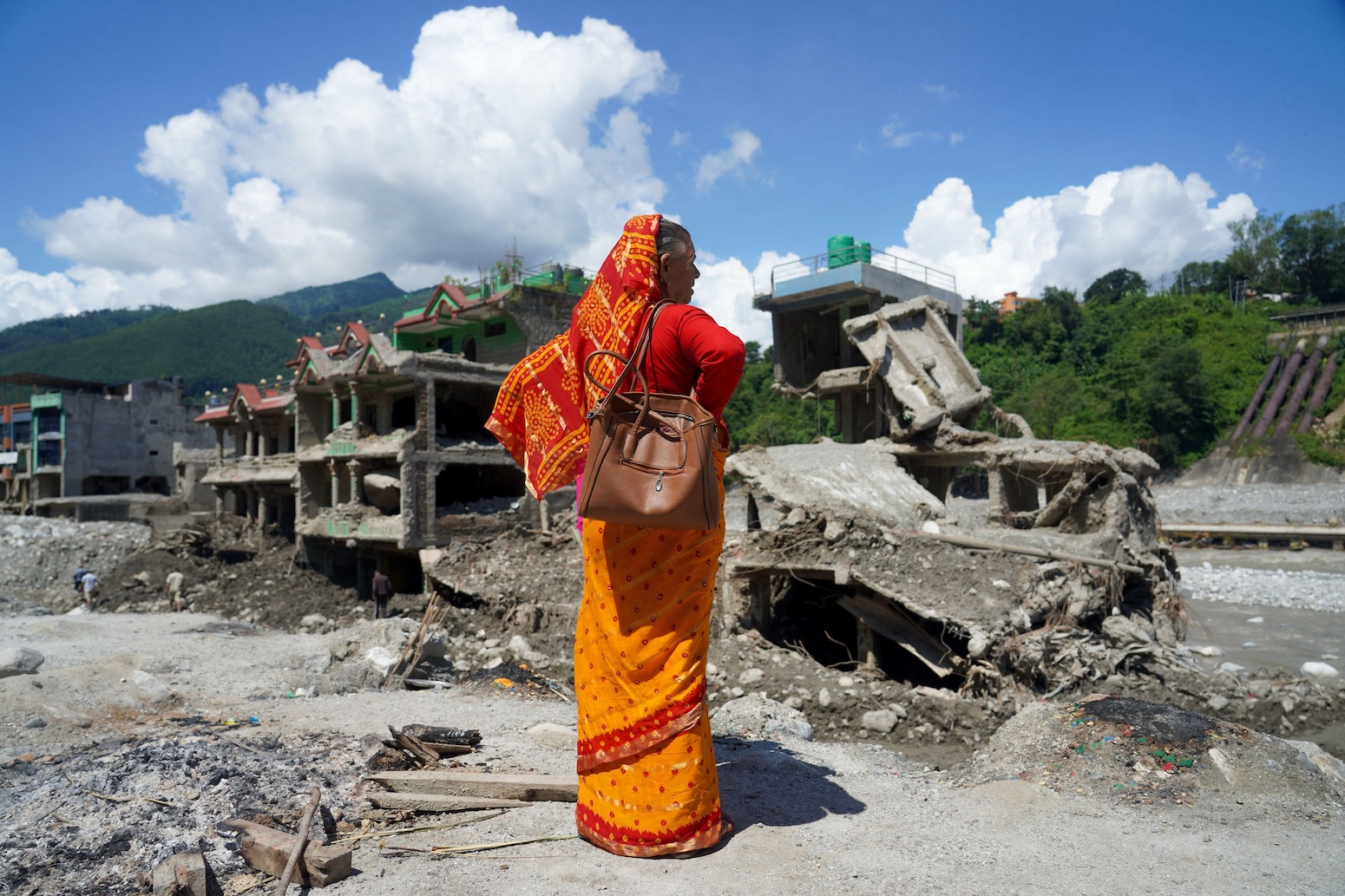
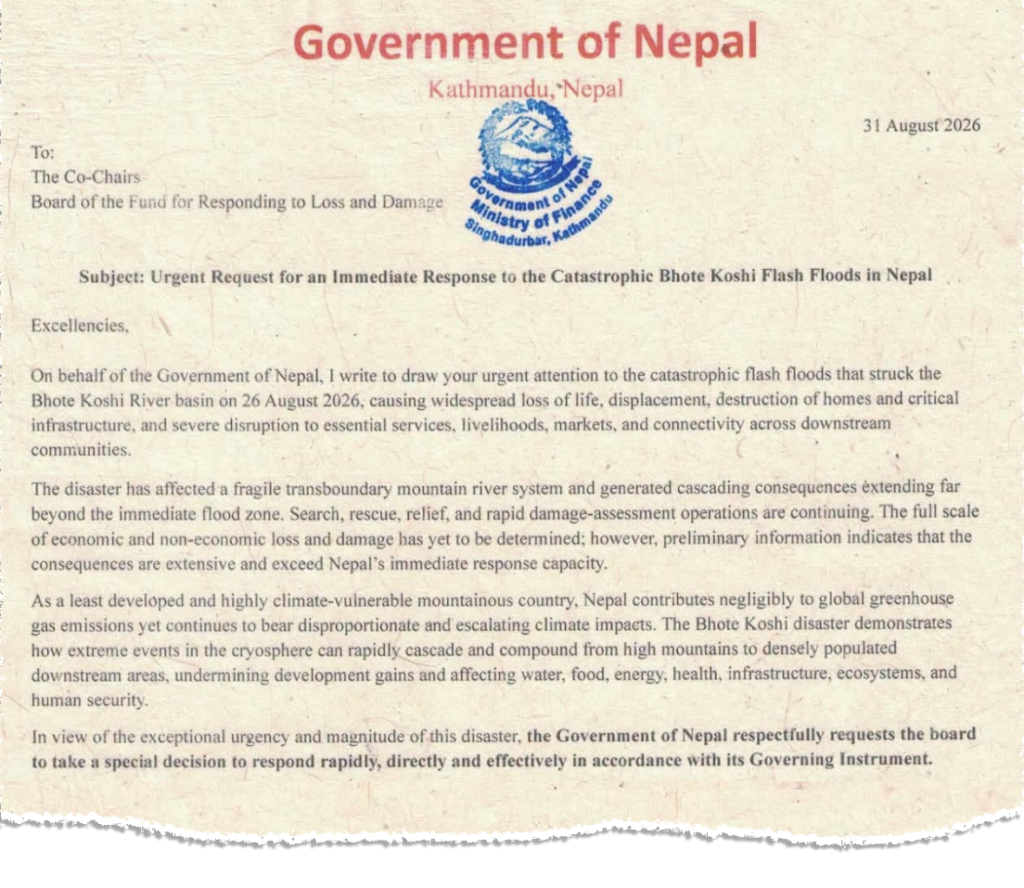
The crisis in Nepal began on August 26, when a catastrophic rock-ice avalanche in the Himalayan border region triggered massive flash floods. The disaster has claimed the lives of more than 1,400 people, while thousands remain missing, leaving communities fractured and struggling to recover. Days after the deluge, the Nepali government issued an urgent appeal to the board of the UN fund, seeking swift financial intervention.
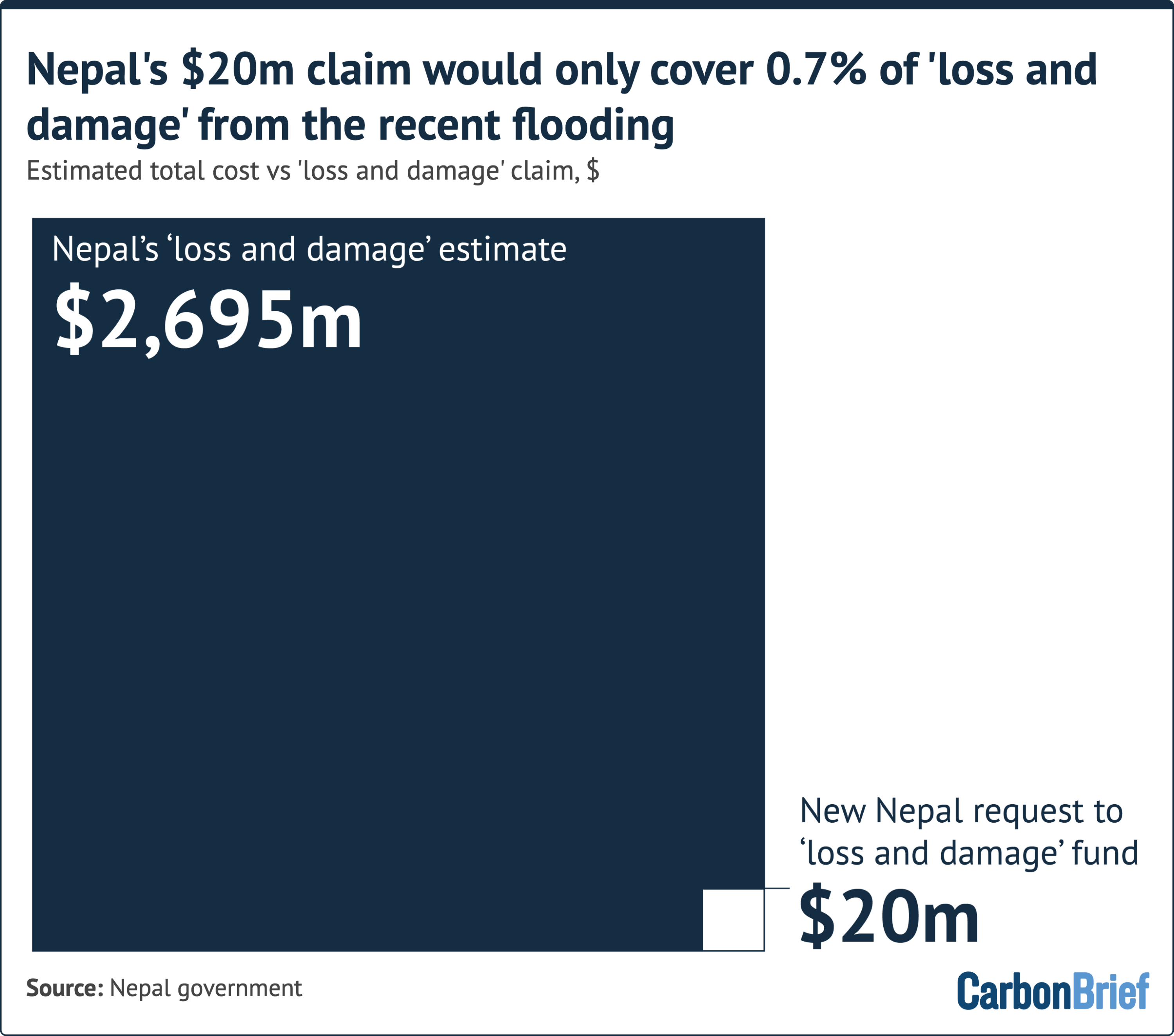
The subsequent formal request for $20 million represents the maximum amount that can currently be disbursed for a single project under the fund’s existing rules. Nepal’s national disaster management authority has since released an extensive rapid preliminary assessment outlining the true scale of the catastrophe. According to the government’s findings, the $20 million claim covers less than 1 percent of the $2.7 billion in total physical damage and economic loss. When factoring in an additional $4.8 billion required for long-term recovery and reconstruction—which forms part of the international definition of loss and damage—the requested sum drops to a mere 0.3 percent of the nation’s total estimated requirements.
Reacting to these figures, Raju Pandit Chhetri, a prominent climate negotiator representing Nepal, emphasized the vast gulf between immediate relief and long-term rebuilding. He noted that while the $20 million request is crucial for a rapid initial response, the money would amount to virtually nothing if spread across the monumental task of nationwide reconstruction.
Requests Versus Pledges: A Growing Disconnect
The tension surrounding Nepal’s application is rooted in longstanding debates within international climate diplomacy. Vulnerable developing nations have consistently argued that developed countries, whose historical industrial emissions are the primary driver of global warming, should bear financial responsibility for loss and damage. Conversely, major industrialized nations, including the United States, have historically resisted frameworks that could establish legal liability for climate-related damages.
Between December 2025 and July 2026, developing countries submitted 176 formal applications to the loss-and-damage fund. While wealthy nations have pledged roughly $822 million—with contributions also coming from non-traditional donors like the United Arab Emirates and South Korea—actual cash flow into the fund remains sluggish. Only about half of the pledged money has been deposited by donor nations, with significant sums from countries such as France, Italy, and the UAE still outstanding.
Although the fund made $342 million available during its initial funding round in July, bureaucratic processes have slowed disbursement to a standstill. More than 60 percent of the 176 requests received by the fund originate from least developed countries, such as Nepal, and small-island developing states. Because individual funding requests are capped at $20 million, nations facing multi-hazard crises have had to submit multiple applications. Madagascar, for instance, has made six total requests following back-to-back cyclones and prolonged droughts, while nations like Suriname, Ecuador, Brazil, and Barbados have framed their submissions as urgent emergency responses.
The Test of Rapid Response Capabilities
Nepal’s high-profile claim has ignited broader discussions regarding climate justice and whether global financial architectures are agile enough to handle fast-moving climate disasters. In a letter dispatched five days after the disaster, Nepal’s finance minister, Dr. Swarnim Wagle, urged the fund’s board to mount an urgent response. He argued that doing so would demonstrate whether the institution possesses the humanity, speed, flexibility, and solidarity necessary to support vulnerable nations facing crises beyond their domestic capacities.
Board members representing Asia-Pacific and African nations rallied behind Nepal, writing a joint letter urging the board to convene and establish a provisional resource allocation specifically for rapid response funding. They argued that handling the crisis effectively could provide crucial procedural lessons for addressing sudden-onset extreme weather events in the future. However, during mid-September communications, developed-country board members expressed support only for a general consultation regarding Nepal, stopping short of making any concrete financial commitments.
Harjeet Singh, a loss-and-damage expert and global convenor of the Fill the Fund campaign, criticized the reception of Nepal’s appeal. He noted that the board often treats funding requests through the lens of traditional, slow-moving development projects rather than urgent humanitarian emergencies. According to Singh, wealthy nations have offered a cold response out of concern that stepping up for Nepal would set a precedent, placing them under continuous financial pressure.
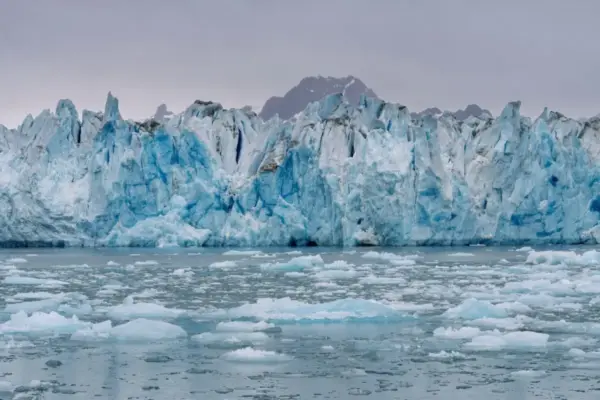
To bolster its case, Nepal has increasingly turned to scientific validation. The country plans to incorporate climate attribution studies into its claims, highlighting research from World Weather Attribution and other experts. These studies indicate that glacial retreat and permafrost thaw—both driven by regional warming—played a significant role in exacerbating the geohazard cascades that led to the flooding.
As diplomatic efforts continue, Nepali Prime Minister Balendra Shah is scheduled to address the United Nations General Assembly, where he is expected to center his remarks on climate justice, mountain vulnerability, and the shortcomings of current international funding mechanisms. The next formal meeting of the loss and damage fund board is scheduled for December 15, arriving just two weeks after the conclusion of COP31 in Turkey.

Reflecting on the weeks of waiting without a definitive financial decision, Pandit Chhetri underscored the existential stakes facing the institution. He remarked that receiving little more than messages of solidarity in the wake of catastrophic destruction exposes a critical vulnerability in global climate governance. For nations on the front lines of the climate crisis, the test facing the fund is simple: if it cannot deliver resources during an immediate, large-scale disaster for a desperately vulnerable country, its foundational purpose remains unfulfilled.