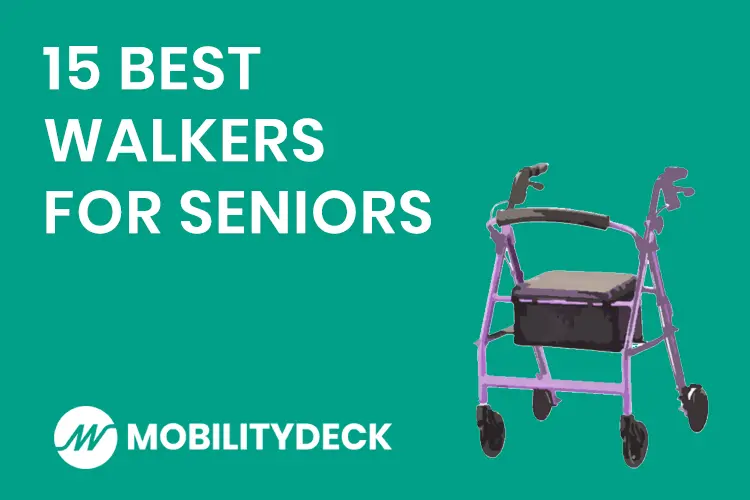
For senior citizens and elderly individuals grappling with mobility or balance challenges due to aging and its associated complications, choosing the right assistive device is a crucial step toward maintaining an active and independent lifestyle. Walkers and rollators offer a simple yet effective way to stay mobile, but finding a suitable model requires careful consideration of individual needs, physical capabilities, and daily environments.
Medical experts and physical therapists generally advise older adults with specific medical needs to consult a professional before selecting a mobility device. However, for those seeking general guidance, a comprehensive review of dozens of models currently on the market provides clear insights into the best options available for various types of users. By examining essential features, styles, and brands, caregivers and seniors can better navigate the marketplace to find a device that balances their personal requirements and budgetary constraints.
When Should an Elderly Person Get a Walker?
There is no definitive age at which a person should begin using a walker, as the decision depends entirely on individual circumstances and physical health. Generally speaking, once an individual begins experiencing difficulty placing their full body weight on one or both legs, a walker or similar mobility aid becomes strongly recommended to prevent falls and maintain stability.
Beyond age-related mobility decline, walkers are frequently utilized during recovery from major lower-body surgeries, such as knee replacements or hip procedures. Medical professionals routinely recommend mobility aids during the rehabilitation phase to support independence and ensure safe movement. Researching and preparing for these devices prior to undergoing surgery can significantly ease the transition during the post-operative recovery period.
Furthermore, anyone suffering from chronic balance issues or general mobility limitations can benefit from a walker as a reliable and accessible option for moving around with ease. Whether assistance is required strictly indoors or for outdoor excursions, these devices facilitate freedom of movement for those who need it most.
Important Features to Consider When Choosing a Walker or Rollator
Selecting the ideal walker involves finding a model that matches both the user’s physical dimensions and their daily lifestyle. With a vast array of options available on the market, understanding critical features helps narrow down the choices.
Weight and Portability
While walkers are significantly lighter than wheelchairs, substantial weight variances exist among different models. For seniors, lightweight options are generally recommended because they support mobility rather than hindering it. Although a heavier walker might still be operable, it can quickly become cumbersome for individuals who travel frequently or need to load the device into a vehicle. Lightweight models are typically much easier to fold, store, and transport.
Walker Width
Choosing the appropriate width is essential for ensuring that the walker can navigate through all the interior doorways of a home. Users must confirm that a prospective model will function smoothly indoors, a consideration that takes precedence over outdoor usability. For individuals primarily using their device outdoors, width remains important primarily for ensuring a comfortable seat size, if applicable.
Seat Height
Many four-wheeled rollator models come equipped with built-in cushioned seats. When selecting a rollator, finding a model with a seat height suitable for the user’s stature is vital. Extensive product descriptions and dimensions allow buyers to measure their height and cross-reference specifications before making a purchase.
Braking Systems
Standard walkers typically do not require brakes, but wheeled rollators necessitate reliable stopping mechanisms. Most rollators feature loop brakes operated by squeezing a lever. While standard, these can prove challenging for individuals suffering from hand weakness, as loop brakes often require a tight grip. To accommodate reduced hand dexterity, some manufacturers offer push-down brakes that demand very little force to operate.
Weight Capacity
All mobility devices feature strict weight limits. While standard models support up to approximately 300 pounds—accommodating the vast majority of seniors—individuals requiring higher weight capacities must seek out bariatric alternatives, such as heavy-duty rollators capable of supporting up to 500 pounds, to ensure safety during daily use.
Foldability and Price
The ease of folding a walker is another critical factor for those who travel or live in compact spaces. Additionally, pricing plays a major role, with most standard walkers and rollators ranging from $80 to $200. Setting a budget within this range typically ensures access to high-quality features without experiencing diminishing returns. Furthermore, if a healthcare provider deems a walker a medical necessity, the cost may be covered under Medicare Part B.
Frequently Asked Questions
Elderly individuals primarily use walkers to enhance their mobility, allowing them to walk longer distances safely and independently while mitigating age-related discomfort. Accurate measurements—including handlebar height and seat dimensions—are especially important for individuals with severe weakness or bone conditions, though many modern models feature adjustable components to fit a wide range of users.
When it comes to stopping, wheeled walkers typically feature brake locks that can be engaged by pushing the lever downward until a click is heard. Shopping online through established retailers or medical supply websites offers a convenient alternative for those unable to visit physical storefronts due to mobility restrictions. Finally, the choice between a standard walker and a rollator depends largely on user strength and environment; rollators provide smooth rolling and built-in seats for resting, while standard walkers offer maximum stability and maneuverability in tighter indoor spaces.
Top-Rated Walkers and Industry Selections
Among the top-rated models on the market, the NOVA Vibe 6 Rollator Walker stands out as a leading overall choice. Praised for its comfortable, lightweight design, user-friendly braking mechanism, and affordable price point, it features four six-inch wheels, a padded seat, a storage pouch, and a robust frame supporting up to 300 pounds. While slightly heavier than some specialized models, its extensive warranty coverage makes it a dependable long-term investment.
For those prioritizing portability, the Hugo Mobility Explore Side-Fold Rollator Walker weighs just 15.4 pounds and features a side-folding frame that makes storage and transportation effortless. Its eight-inch wheels handle various terrains with ease, while the contoured backrest provides reliable trunk support.
Individuals navigating tight indoor spaces often turn to the NOVA Traveler 3 Wheel Rollator Walker. Its slim, three-wheeled design allows it to maneuver seamlessly through narrow hallways and doorways. Although it omits a built-in seat to maintain its ultra-compact frame, it includes a zip pouch, basket, and tray for convenience.
Budget-conscious shoppers frequently select the Lumex Walkabout Lite Rollator, which offers an aluminum frame, cushioned seat, storage basket, and reliable braking system for under $100. Meanwhile, for users preferring a traditional device without wheels, the Vive Folding Walker serves as a sturdy, height-adjustable standard frame that can support up to 250 pounds while offering exceptional simplicity and stability.
Other notable options include the Medline Premium Empower Rollator, featuring antimicrobial memory foam and outdoor versatility, and the Medline Heavy Duty Rollator Walker, engineered with a steel-reinforced frame to support up to 500 pounds. Specialized alternatives like the Drive Medical Trigger Release Folding Walker and the Vaunn Medical Two-Button Folding Walker cater specifically to individuals with limited hand dexterity, ensuring that seniors across all spectrums of mobility can find a device tailored to their exact requirements.