Most conventional travel is inherently extractive and passive. Travelers typically arrive at a destination, capture photographs of the same iconic landmarks that countless others have documented, dine at establishments endorsed by mainstream guidebooks, and frequent popular local bars. They often enroll in structured sightseeing tours to absorb historical context and, occasionally, converse briefly with local residents. However, beneath the surface, these fleeting interactions rarely scratch the depths of a culture.
Even long-term travelers who frequently distance themselves from the label of "tourist" often engage in identical behaviors—merely at a slower cadence and with a heightened focus on minimizing daily expenditures. While there is no fundamental flaw in this approach, it remains the standard paradigm of modern tourism. Many individuals harbor romantic notions of dropping into a foreign environment, swiftly forging deep friendships with locals, and experiencing cinematic, transformative adventures. In reality, such expectations rarely materialize. Because transients are merely passing through, local residents rarely possess the inclination or time to cultivate profound relationships with short-term visitors. In fact, large segments of local populations rarely
interact meaningfully with tourists at all.
For those seeking genuinely deep and immersive travel experiences, extended duration is an absolute prerequisite. To truly comprehend a foreign environment, one must stay long enough to become embedded within the fabric of the community rather than remaining a transient observer. The most transformative experiences in global exploration frequently involve contributing tangible effort and remaining in a location long enough to construct authentic interpersonal relationships.
Rethinking the Modern Travel Paradigm
The travel community has increasingly begun to reevaluate how visitors can give back to the destinations they explore. Historically, identifying legitimate, thoroughly vetted organizations and opportunities that genuinely enhanced the well-being of local populations presented a formidable challenge. Navigating the landscape of international volunteering often meant sorting through opaque operations with questionable impacts.
Today, however, an array of established organizations assists travelers in securing meaningful volunteer positions, paid employment opportunities, and structured internships abroad. Among the prominent names in this sector is Global Work & Travel, an organization that helps travelers bridge the gap between passive tourism and active cultural immersion.
What Global Work & Travel Does
Operating as a major international gap-year organization, Global Work & Travel has facilitated international placements for nearly two decades. The organization coordinates working holidays, volunteer programs, teaching positions, and structured internships across diverse regions, including the United Kingdom, Europe, the Americas, Asia, Africa, and the Pacific.
Even for seasoned global explorers, the logistics of relocating abroad present significant hurdles. Securing employment independently, negotiating permanent housing contracts, avoiding months in cramped shared dormitories, managing transportation expenses within an unfamiliar metropolitan area, and competing against domestic applicants in interviews represent only a fraction of the challenges long-term travelers face.
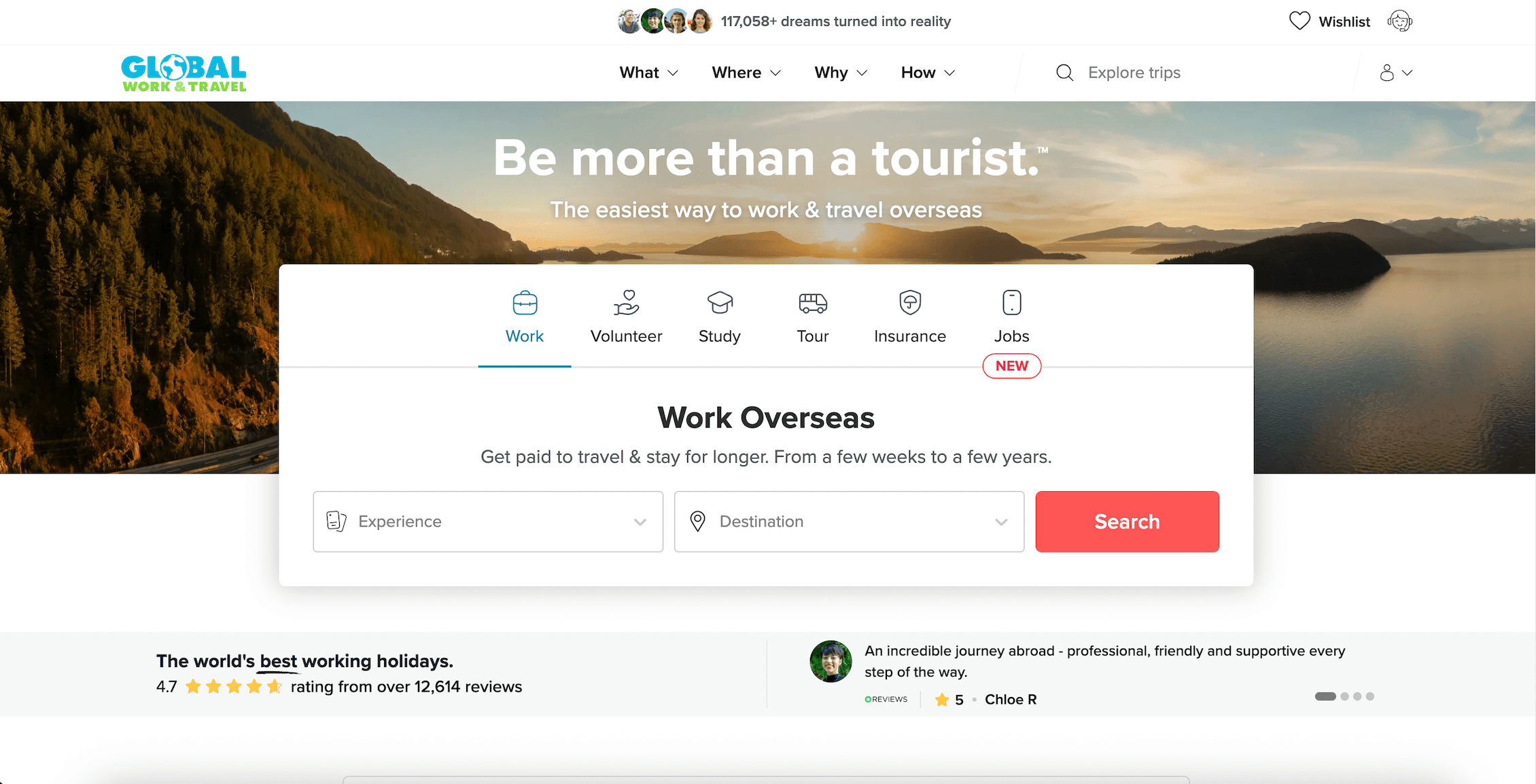
Structured programs function as a vital safety net, rendering international relocation feasible for individuals who prefer not to manage every logistical detail autonomously. Services typically encompass job matching, pre-departure preparation, visa application guidance, placement coordination, and ongoing support via integrated digital management portals. For first-time travelers, this foundational support structure often determines whether an ambitious relocation plan successfully materializes or dissolves into endless deliberation.
Why Working Holiday Makers Are Shifting the Landscape
For the past decade, the concept of the "digital nomad" has reigned supreme as the aspirational model for long-term international mobility. The formula appeared straightforward: maintain remote employment, earn a strong home currency, relocate to a destination with a lower cost of living, and repeat the cycle.
Yet, this lifestyle model primarily accommodates a narrow demographic. It demands a fully remote profession, a reliable and substantial income level, and a degree of career stability that younger travelers or those in transitionary life stages rarely possess.
Working holiday programs fundamentally invert this dynamic. Instead of transporting an existing remote job across international borders, participants secure employment directly upon arrival. This approach integrates the traveler into the domestic economy rather than allowing them to float above it as an isolated outsider. Relationships develop naturally through workplace interactions rather than being restricted to coworking spaces or transient hostels, fostering a genuine routine rather than a temporary vacation itinerary.
In many respects, working holiday participants experience a more grounded and accessible version of long-term international living. They maintain daily schedules, collaborate with local colleagues, and possess a compelling reason to remain in a single location for extended periods, paving the way for lasting interpersonal connections. Furthermore, this pathway demands neither an established remote business nor years of prior specialized career experience—only the willingness to relocate and access to a reliable organizational framework.
This reality has catalyzed a noticeable shift in traveler priorities. Inquiries increasingly center on how to live and work abroad for a sustained period rather than merely maintaining a remote office from a foreign beach. Structured support networks effectively eliminate primary barriers—such as bureaucratic visa navigation and overseas job placement—enabling individuals to transition from conceptual planning to tangible reality.
The Evolution of Ethical Volunteering
International volunteering has historically carried a complex reputation, demanding transparency regarding industry shortcomings. Numerous poorly managed programs fail to generate positive local impacts, functioning primarily as profit-driven enterprises designed to make transient visitors feel temporarily accomplished without enacting sustainable change.
In response to these criticisms, reputable organizations vet initiatives across critical sectors such as wildlife conservation, community development, education, and healthcare. When structured effectively, volunteer programs establish robust frameworks for ethical engagement. Collaborating directly with local communities on locally prioritized objectives—whether participating in community development initiatives in Zanzibar, wildlife conservation efforts in South Africa, or elephant rehabilitation projects in Thailand—fundamentally transforms a traveler’s global perspective.
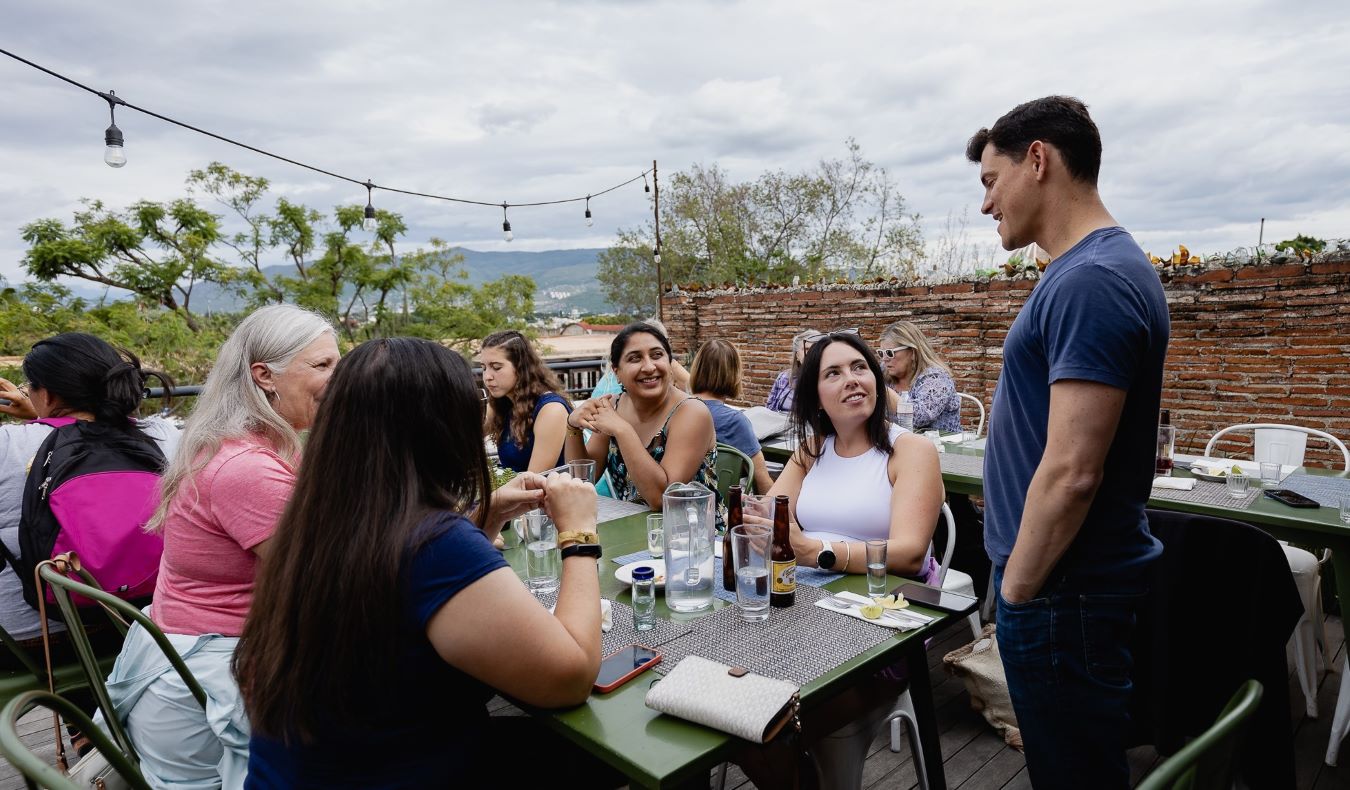
Beyond contributing directly to a host community, ethical volunteering exposes participants to the genuine needs, systemic challenges, and ecological realities of the host region. Dedicated welfare funds further extend this impact by channeling resources directly into conservation initiatives at established partner sites, ensuring that outcomes endure well beyond individual placements.
The Value of Extended Cultural Immersion
Working holidays transform travel from a brief intermission into a comprehensive lifestyle. By adopting daily local routines, participants immerse themselves thoroughly in regional cultures while cultivating enduring bonds with both local residents and fellow international peers. Earning a local income simultaneously alleviates financial pressure, making extended stays economically viable without the necessity of rushing through multiple destinations in a matter of weeks.
Beyond cultural enrichment, working holiday programs offer professional advantages by fostering cross-cultural adaptability and supplying international experience that enhances career credentials. By transforming international mobility into a sustainable, income-supported lifestyle, travelers gain a nuanced comprehension of global societies that traditional tourism simply cannot replicate.
Practical Planning and Financial Logistics
Embarking on an extended international journey requires careful logistical preparation, spanning transportation, accommodation, and comprehensive insurance coverage. Securing economical airfares often involves utilizing global aggregation platforms to survey routes and carrier options thoroughly. Similarly, securing reliable lodging ranges from community-focused hostels to traditional guesthouses and hotels via established reservation networks.
Equally critical is comprehensive travel protection. Safeguarding against unexpected medical expenses, trip cancellations, loss of personal property, and sudden itinerary disruptions remains an essential priority for experienced global travelers. Likewise, leveraging specialized financial tools, such as travel credit cards designed to accumulate reward points without incurring foreign transaction fees, can substantially mitigate the ongoing costs of transit and lodging.
For those requiring vehicular mobility during extended stays, international budget rental platforms provide accessible transportation options across diverse global regions. Additionally, curated activity marketplaces assist travelers in discovering authentic walking tours, regional excursions, and cultural experiences once they arrive at their destination.
Ultimately, the most memorable aspects of international exploration rarely stem from standard sightseeing queues or fleeting tourist excursions. Instead, they arise from active participation, meaningful engagement, and deep human connection. Structured international programs continue to broaden access to these immersive experiences, offering a practical bridge for individuals seeking to move beyond observation and truly experience life abroad.