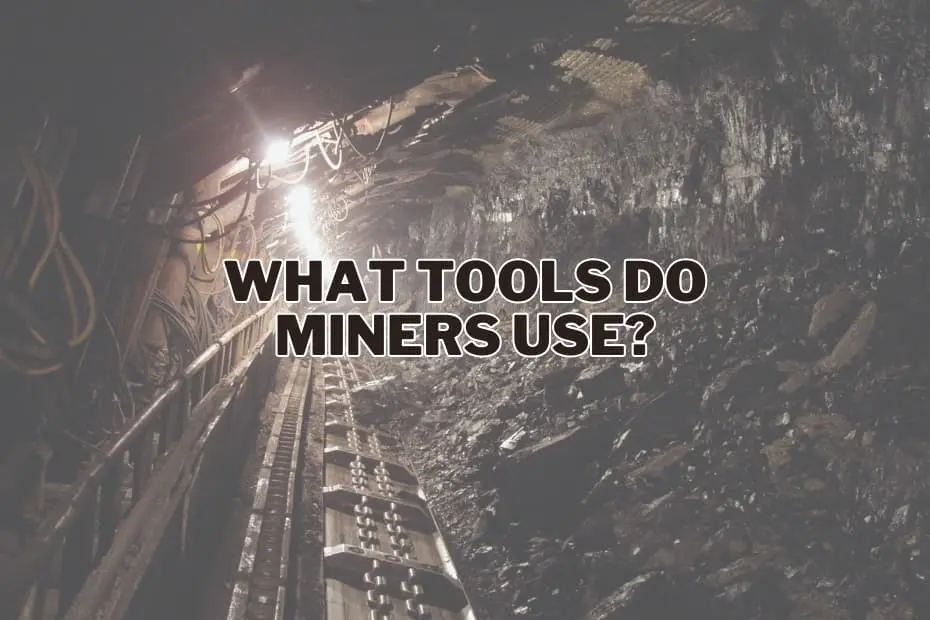
Mining stands as one of the world’s oldest and most fundamental industries, providing the raw minerals, metals, and energy resources that fuel global infrastructure and technological development. However, modern mining operations bear little resemblance to the manual labor of past centuries. Today, the extraction process relies on a highly specialized array of tools and heavy machinery engineered to operate safely, efficiently, and precisely across every stage of production—from initial geological exploration to heavy extraction, material transit, and industrial refining.
Understanding the tools used by modern miners highlights the balance between manual effort, mechanical force, and sophisticated safety systems required to unearth resources buried deep within the earth.
Traditional Hand Tools in Modern Extraction
Despite the widespread adoption of heavy automation and industrial machinery, manual hand tools remain indispensable on active mine sites. These tools allow miners to perform precision tasks, work in tight structural quarters, and carry out preliminary exploration where large equipment cannot maneuver.
Pickaxe
The pickaxe remains an enduring symbol of the mining trade, but its modern iteration is far advanced from primitive historical tools. Constructed from high-durability forged steel alloys, the contemporary pickaxe is designed to withstand continuous high-impact strikes against dense rock faces.
Miners utilize pickaxes primarily for fine-detail extraction, scraping away loose mineral layers, clearing narrow crevices, and breaking apart small rock obstructions. Its dual-headed design—typically featuring a pointed pick on one side for fracturing hard surfaces and a flat chisel edge on the other for prying and cutting—makes it a versatile tool for precision geological work. When paired with personal protective equipment such as heavy-duty gloves and reinforced hard hats, the pickaxe remains a fundamental instrument in a miner’s daily workflow.
Shovel
No mining operation, whether open-pit or deep underground, can operate without heavy-duty shovels. Shovels are essential for moving bulk quantities of loose material, clearing rock fragments after blasting, and cleaning transport pathways.
Mining shovels come in various designs tailored to specific tasks, including wide-scoop shovels for high-volume loose rock removal, flat-edge shovels for scraping smooth tunnel floors, and narrow trenching shovels for excavating utility channels. Because shoveling generates continuous flying dust and sharp fragments, miners routinely wear impact-resistant safety goggles while operating these tools to prevent eye injuries.
Sledgehammer
The sledgehammer delivers immense manual impact force, making it vital for breaking apart stubborn, oversized boulders that are too large for manual shoveling but too isolated to warrant mechanical excavation.
Sledgehammers are frequently deployed during the initial stages of mine exploration and shaft clearing, particularly in remote or confined spaces where heavy machinery cannot yet be deployed. Driving a heavy steel sledgehammer against hard rock poses significant physical risks, requiring operators to employ proper posture, wear safety harnesses when working near ledges or slopes, and keep protective helmets secured at all times.
Mechanical Penetration and Demolition Equipment
When rock formations exceed the limits of manual hand tools, miners turn to powered mechanical tools designed to penetrate, shatter, and pulverize dense geological strata.
Mining Drills
Drilling is a foundational activity in modern mining operations. Drills are used to penetrate deep rock faces to pull core samples, assess mineral concentration, create anchor points for structural supports, and bore placement holes for blasting agents.
Miners utilize a range of drilling equipment tailored to site conditions, ranging from handheld pneumatic power drills for localized work to massive, track-mounted hydraulic drill rigs used for deep subsurface penetration. By rapidly cutting through dense granite, quartz, and limestone, these excavation tools dramatically reduce manual labor requirements and significantly elevate daily output on active mine sites.
Jackhammer
Combining the rapid hammering action of a sledgehammer with the rotational power of a drill, the jackhammer is a high-powered demolition tool used in both surface and underground mining. Powered by compressed air (pneumatic) or hydraulic fluid, jackhammers deliver thousands of high-impact blows per minute to break apart dense rock strata.
Jackhammers are commonly used to carve out tunnel walls, break down hard footings, and break up massive rock slabs following primary blasts. Due to the extreme noise levels and dense clouds of silica dust generated by prolonged jackhammer operation, safety regulations mandate that operators wear specialized protective equipment, including anti-fog safety goggles, ear protection, and high-efficiency particulate ventilation masks.
Rock Splitters
In situations where explosive blasting poses structural hazards, excessive noise concerns, or geological instability, rock splitters provide an efficient, controlled alternative. These specialized hydraulic tools are inserted into pre-drilled holes in large rock masses.
Once positioned, the rock splitter applies extreme outward hydraulic pressure, forcing the rock to fracture smoothly along natural stress lines without creating dangerous flying debris, ground vibrations, or toxic fumes. Rock splitters are particularly valuable when excavating near sensitive tunnel walls, underground infrastructure, or delicate geological features where precise rock removal is paramount.
Chemical Blasting and Industrial Machinery
To unlock large-scale mineral deposits buried deep within dense rock structures, modern commercial mining relies on controlled explosive charges and massive earthmoving equipment.
Dynamite and Explosives
Dynamite and modern blasting agents remain among the most efficient tools for large-scale rock fragmentation. When miners encounter vast walls of solid bedrock, drilling alone is often insufficient for rapid progress. By placing controlled charges into precisely calculated drill holes, miners can shatter thousands of tons of rock in a single, synchronized detonation.
The application of dynamite requires extensive preparation, precise engineering, and strict adherence to safety protocols. Before a blast is initiated, mining crews clear the area, establish secure perimeters, and verify that underground ventilation systems are fully operational to rapidly evacuate hazardous post-detonation gases and airborne dust from the workings.
Heavy Excavators
Excavators are the heavy lifting giants of open-cast mines and large underground chambers. Equipped with heavy hydraulic booms and reinforced steel buckets, these massive machines scoop, lift, and load hundreds of tons of earth, blasted rock, and ore into haul trucks or processing hoppers.
Excavators perform critical tasks throughout the mining lifecycle, including stripping away unproductive topsoil (overburden) to expose underlying mineral veins, shaping pit walls, and clearing heavy debris after major blasting operations. Their power and speed make them an essential engine of productivity on high-volume industrial jobsites.
Conveyor Belts
Once ore is extracted from the rock face, transporting it out of deep underground shafts or across vast open-pit operations presents a major logistical challenge. Automated conveyor belt systems solve this by providing continuous, automated bulk transit over long distances.
Conveyor systems reduce the need for constant haul truck traffic in confined underground tunnels, lowering fuel consumption and minimizing diesel emissions. By maintaining a constant flow of extracted material from the rock face directly to surface stockpiles or processing plants, conveyor belts greatly increase processing efficiency while reducing manual labor risks.
Mining Carts and Rail Systems
In underground mining operations, heavy-duty mining carts running along fixed steel tracks provide a reliable method for moving heavy loads of raw ore and waste rock out of extraction zones.
Guided along rail networks established within subterranean shafts, modern electric or diesel-pulled mining carts move dense materials from deep underground work sites directly to primary hoisting shafts or surface processing facilities. Rail-based transport remains a cost-effective, high-capacity solution for navigating tight underground tunnels where large rubber-tired vehicles cannot fit.
Ore Crushers
Extracted rock rarely leaves a mining site in its raw form; it must first be processed into manageable sizes for mineral extraction. Ore crushers are heavy industrial machines designed to break down large, irregular rock masses into small, uniform fragments.
Using heavy mechanical jaws, rotating cones, or high-impact hammers, ore crushers reduce massive boulders into fine gravel or powder. This sizing process is a vital precursor to chemical extraction, smelting, or refining, as it exposes the valuable minerals trapped within the surrounding host rock.
Critical Safety Equipment and Subsurface Support Systems
Mining inherently presents unique environmental hazards, including low visibility, falling rock risks, airborne dust, and hazardous atmospheric gases. Consequently, personal protective gear and environmental control systems are just as critical to mining operations as extraction machinery.
Helmets with Integrated Mounts
A durable, impact-resistant helmet (hard hat) is mandatory for every individual entering a mining facility. Engineered from high-strength polymers or composite materials, mining helmets protect workers against falling rock chips, low-hanging structural hazards, and accidental impacts in tight spaces.
Modern mining helmets are built to integrate seamlessly with critical accessories, featuring built-in mounts for high-intensity headlamps, ear protection attachments, and internal suspension systems designed to absorb severe overhead impacts.
Headlamps
Navigating subterranean tunnel networks requires dependable, hands-free lighting. Modern LED headlamps attach directly to a miner’s helmet, casting a powerful, directed light beam directly into the miner’s line of sight.
Equipped with long-lasting rechargeable batteries and housed in rugged, water-resistant enclosures, headlamps allow miners to operate tools, inspect rock stability, and navigate dark shafts with both hands completely free. In underground gaseous environments, headlamps are designed to be intrinsically safe, preventing electrical sparks that could ignite volatile gases.
Safety Goggles
Eye protection is vital on active mining sites, where high-speed rock drilling, blasting, chiseling, and material crushing produce constant airborne particles.
Mining safety goggles feature scratch-resistant, impact-rated polycarbonate lenses fitted with anti-fog coatings to maintain clear vision in humid underground environments. Sealed perimeter gaskets protect miners’ eyes from fine mineral dust, liquid chemical splashes, and high-velocity rock splinters generated during manual or mechanical cutting.
Ventilation Systems
Underground mining shafts extend deep into the earth, far beyond the reach of natural airflow. Without artificial circulation, subterranean environments rapidly accumulate deadly gases—such as carbon monoxide, methane, and hydrogen sulfide—while suffering from severe oxygen depletion and extreme heat.
Industrial ventilation systems are the ultimate life-support technology in underground mining. Utilizing high-capacity surface fans, air ducts, and atmospheric scrubbers, these systems continuously pump fresh, oxygen-rich air down into deep shaft networks while forcing out toxic fumes, explosive gases, and fine rock dust. Proper ventilation maintains safe, breathable working conditions and prevents dangerous accumulations of explosive airborne dust.
Key Insights into Mining Tools and Equipment
What is the most critical safety item for an underground miner?
A heavy-duty helmet equipped with an integrated, intrinsically safe headlamp is widely considered the most vital personal safety tool. It protects the head from falling rock debris while providing hands-free illumination necessary to identify hazardous conditions in zero-light environments.
Why do mining operations continue to use dynamite?
Controlled explosives like dynamite remain the most efficient and cost-effective method for fracturing dense, high-volume rock formations. Explosives allow mining crews to rapidly break apart solid bedrock that would otherwise require weeks of continuous mechanical drilling or manual breaking.
How do modern ventilation systems protect underground workers?
Ventilation systems continuously circulate fresh atmospheric air throughout underground tunnel networks. They actively dilute and exhaust dangerous accumulations of toxic gases such as carbon monoxide, dissipate explosive methane gas, reduce ambient temperatures, and clear airborne silica dust to ensure a safe, breathable workspace.