VILNIUS — In a European economy where more than two-thirds of working-age citizens with disabilities remain locked out of the formal labor market, Lithuania is fundamentally reimagining how public money is spent. With over 4,000 procuring entities moving roughly €10 billion annually through the national public procurement system—accounting for approximately 12% of the country’s entire gross domestic product—the state stands as one of the largest indirect employers in the nation. Rather than viewing public purchasing purely as an administrative exercise in acquiring goods and services at the lowest cost, Lithuanian authorities are deploying this immense economic leverage to tackle systemic inequalities, uplift marginalized communities, and reshape market behaviors from the ground up.
The scale of the underlying challenge is stark. Approximately 151,600 working-age individuals in Lithuania live with a disability. Among them are software developers, skilled academics, qualified tradespeople, and eager professionals ready to contribute to the workforce. What these qualified candidates require from prospective employers is rarely complicated or cost-prohibitive: mostly, it is simply reasonable accommodation. Yet, structural hurdles remain formidable. Employers across Lithuania have historically demonstrated reluctance to integrate disabled workers into their teams, driven by persistent misconceptions regarding what individuals with disabilities can achieve, alongside financial and systemic incentives that remain insufficient to shift prevailing hiring practices.
Public agencies and municipalities are uniquely positioned to offer a definitive solution. By strategically redirecting a portion of their massive purchasing power toward businesses and social enterprises that actively practice inclusive hiring, the state can alter market dynamics. Recognizing this untapped potential, Lithuania introduced a robust framework of eight criteria for socially responsible procurement in late 20th 2023. These voluntary requirements and supporting guidelines were explicitly designed to help generate sustainable employment opportunities for people with disabilities, improve gender equality and staff well-being, and encourage commercial suppliers to commit to more responsible, ethical, and sustainable production processes.
These social criteria are versatile, capable of being integrated across different stages of the procurement lifecycle. Depending on the nature of the contract, government buyers can embed social considerations into technical specifications, bid evaluation criteria, contract performance terms, and supplier qualification requirements.

Operationalizing Social Procurement: From Guidelines to Practice
Translating high-level policy guidelines into everyday procurement reality required a coordinated, highly collaborative approach. The Lithuanian Public Procurement Office (PPO) did not work in isolation. Instead, it co-created the social criteria and supporting guidelines alongside a dedicated working group comprising 12 institutions deeply active in disability rights and social welfare. This coalition included the Ministry of Labor and Social Affairs, the Lithuanian Public Employment Service, the Agency of People with Disabilities Rights Protection, and the Data Protection Agency.
To ensure the framework was practical and grounded in real-world realities, the PPO partnered with the Open Contracting Partnership’s (OCP) Lift impact accelerator program. Through this collaboration, officials undertook a comprehensive, people-led policy redesign. Expert recommendations were also drawn from the NGO Diversity Charter, an organization specializing in workplace inclusion and diversity, which helped refine the social criteria and inform robust training programs tailored for both public buyers and commercial suppliers.
Rygilė Trumpytė, Chief Executive of the Diversity Charter, emphasizes the critical importance of early community engagement in public policy. When addressing vulnerable populations such as immigrants and people with disabilities—traditionally the most marginalized groups in the labor market—public procurement can serve as a vital lifeline. However, Trumpytė notes that these communities must be included directly in the decision-making process from the very beginning.
This collaborative ethos extended to major corporate buyers. The PPO worked directly with some of Lithuania’s largest procurement entities, including the Ignitis Group and Lithuanian Airports, to help them seamlessly integrate social procurement into their annual purchasing plans. Livija Šepetytė, Sustainability Partner at the Ignitis Group, underscores the practical necessity of this collaborative dialogue, noting that blindly inserting a social tender requirement without consulting the market is a direct path to failure.
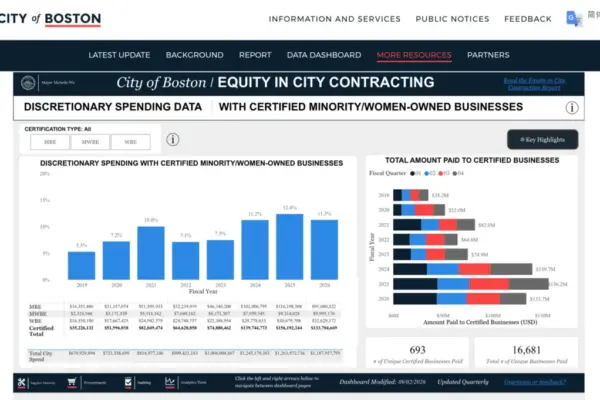
To ensure transparency and accountability, the Public Procurement Office needed a reliable mechanism to monitor progress. Following a successful blueprint previously established for greening the nation’s procurement system—which incorporated environmentally friendly criteria into 100% of applicable procedures—the PPO upgraded the e-procurement (e-GP) system. The contract reporting sub-system was outfitted with a mandatory new set of data fields designed to capture precisely whether social criteria were utilized, which specific criteria were applied, and at what stage of the procurement process they were implemented. Furthermore, the PPO launched a public reporting dashboard in mid-2024 to track uptake in real time, creating an environment of positive competition and accountability among public institutions.
Early Results and Real-World Impact
The strategy has yielded measurable results that have rapidly surpassed initial expectations. Backed by OCP’s Lift program, the PPO set an ambitious target: to ensure that at least 7% of total public procurement value incorporated socially responsible criteria within the first 18 months.
That threshold was crossed ahead of schedule. By the end of 2025, the share of total public procurement value carrying social criteria rose to 10.9%, representing roughly €1.2 billion in public spending. By September 2026, that figure climbed further to 12.6%, accounting for approximately €955 million. Simultaneously, the proportion of individual contracts utilizing social criteria expanded from just 1.1%—or 1,657 contracts—in 2024, to 2.1% (3,336 contracts) in 2025, and reached 2.5% (2,587 contracts) in the first three quarters of 2026.
Data from the PPO’s real-time monitoring dashboard indicates that in 2025 alone, 376 public buyers—representing approximately 15% of all active procuring entities in Lithuania—awarded at least one contract incorporating social criteria. While adoption varies across institutions, certain buyers have embraced the approach comprehensively. For instance, the social care home Jasiuliškių socialinės globos namai awarded all 83 of its public contracts using social criteria in 2025, totaling more than €2.5 million in localized, socially conscious spending.
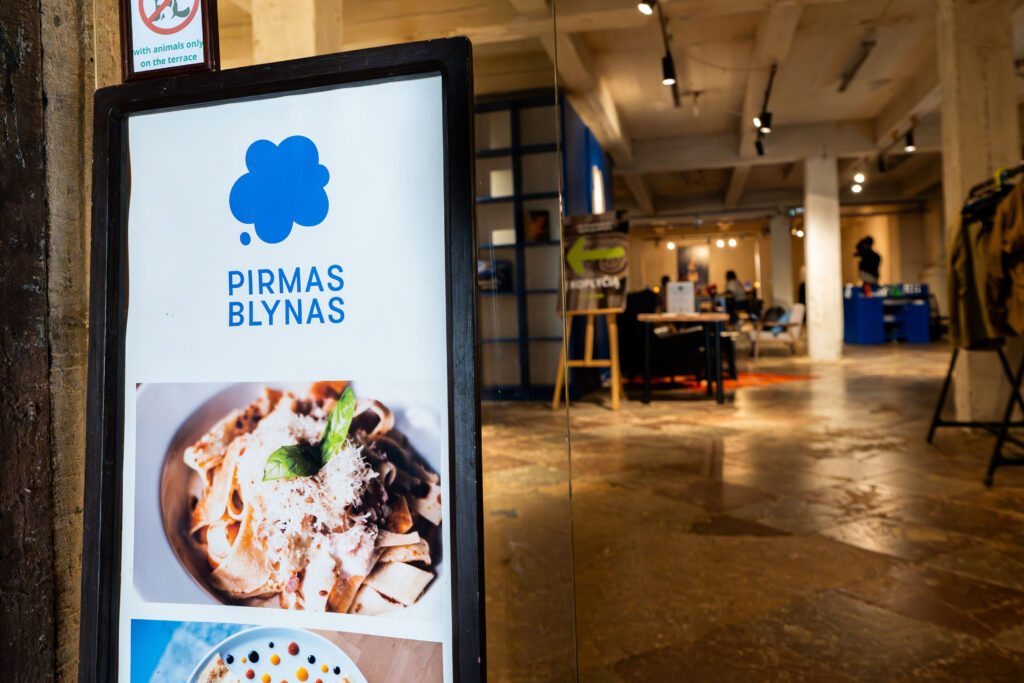
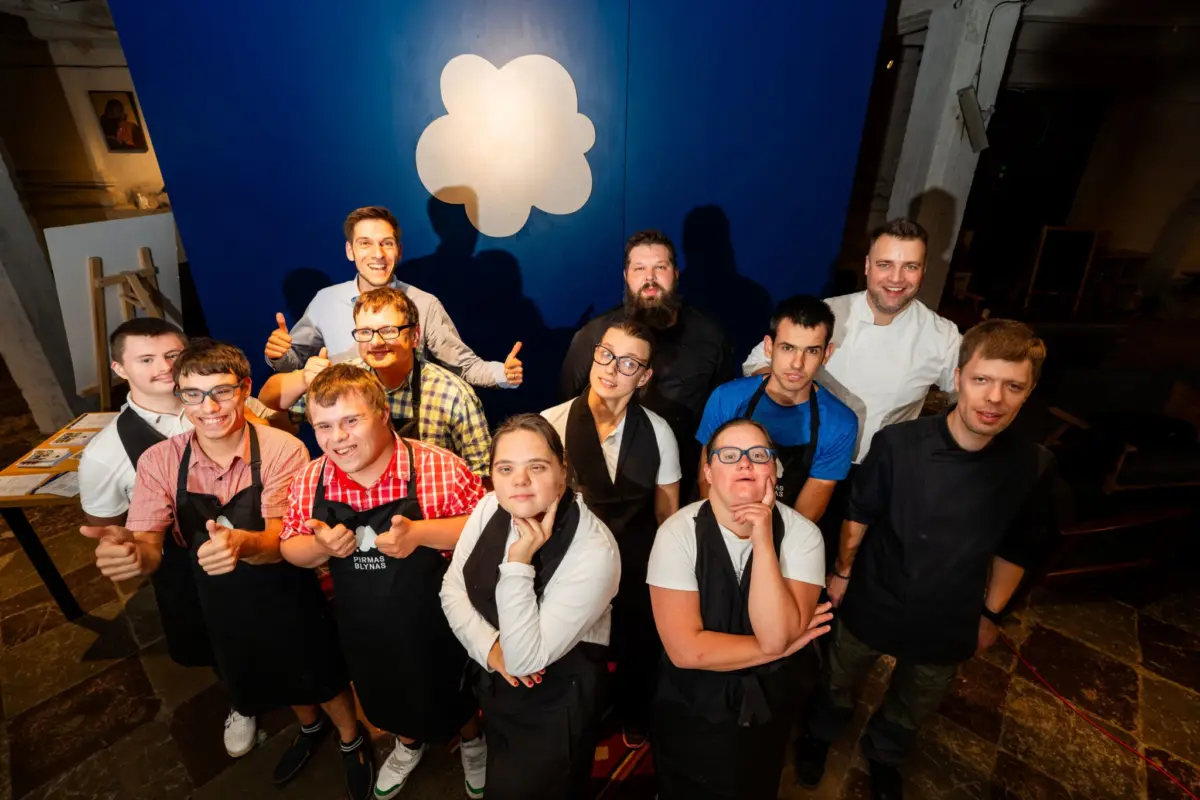
Among the direct beneficiaries of this policy shift are innovative social enterprises like Pirmas Blynas, a popular catering business and coffee shop located in Vilnius that proudly employs people with disabilities. For social enterprises that have historically relied heavily on state subsidies to stay afloat, securing government catering contracts has provided a vital pathway toward financial diversification and long-term economic independence.
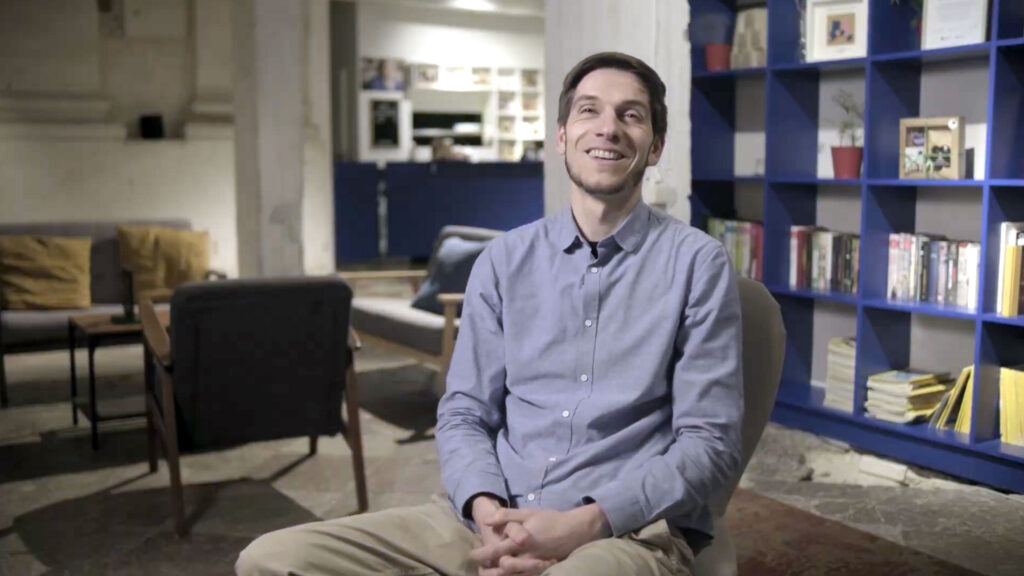
Tim Van Wijk, the founder of Pirmas Blynas, explains that social procurement unlocks transformative opportunities for his enterprise and its workers. By securing public contracts, the business can scale its production, increase revenue, and ultimately amplify its positive impact on society. Last year, Van Wijk’s employees successfully executed catering and hospitality functions for several government institutions, gaining invaluable professional experience, learning new skills, and applying their talents in dynamic new environments.
Looking Ahead: Cultural Transformation and Sustainable Growth
Despite the rapid quantitative growth, public officials and enterprise leaders are mindful of the complexities involved in sustaining high standards. Greta Ambrutytė, Head of the SPP Department at the Lithuanian Public Procurement Office, emphasizes that the primary objective has been ensuring every public buyer across the country recognizes the immense purchasing power at their disposal, thereby boosting the application of inclusion-focused criteria in public contracts.
At the same time, practitioners acknowledge the nuances of implementation. Social criteria are most frequently integrated into the performance terms of public contracts. These performance clauses are notoriously challenging to police, and tracking dashboards typically record whether a criterion was formally applied rather than detailing its minute execution on the ground. Consequently, the PPO continually updates its operational guidance based on ongoing lessons, clarifying what social criteria mean in concrete terms—ranging from physical building accessibility and the promotion of universal design to strict transparency in wage standards.
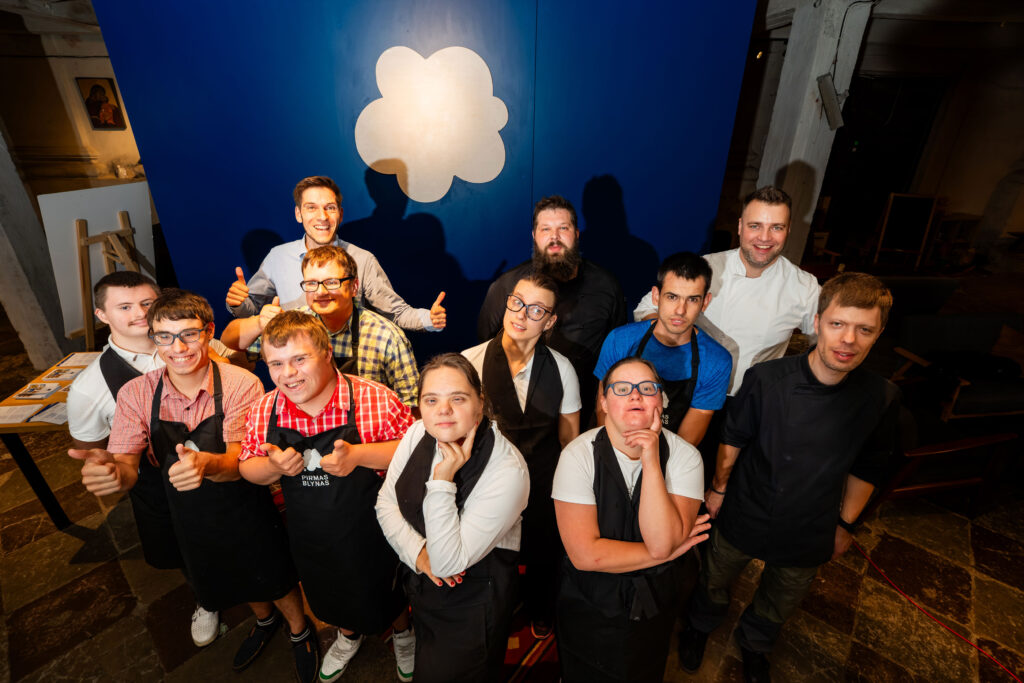
For social entrepreneurs like Van Wijk, whose business name translates from English to "First Pancake"—a nod to the culinary tradition where the initial attempt in the pan is rarely perfect, yet teaches the cook how to refine the recipe—the evolution of social procurement is an ongoing learning curve. He cautions that social criteria should serve as a powerful catalyst rather than a standalone gimmick, maintaining that supplier selection must ultimately remain grounded in the overall quality and competitiveness of the commercial offering.
Ultimately, the reforms unfolding across Lithuania represent much more than a mere shift in administrative policy. They signal a profound cultural transformation regarding how public institutions can generate broad societal value. As the nation looks toward the future, policymakers are actively exploring methodologies to measure the broader socio-economic ripples of this reform, proving that social procurement is not merely a philanthropic nice-to-have, but a powerful engine for sustainable and inclusive economic growth.
Reflecting on the trajectory of the movement at a recent social procurement conference in Vilnius, Darius Vedrickas, Director of the Lithuanian Public Procurement Office, captured the essence of the shift: "Change in public procurement is happening. And it is happening not because someone requires it of us, not because it is somewhere prescribed and mandated—but because we ourselves are beginning to understand that public procurement can deliver on other policy areas too."
As Lithuania’s reform continues to mature, the foundational philosophy remains simple: the first pancake is rarely perfect, but no one ever stops at just one.