VILNIUS — With more than 4,000 procuring entities wielding significant economic leverage, Lithuania has transformed its public procurement system into a powerful engine for social inclusion. By introducing a framework of voluntary social criteria, the country is actively leveraging its nearly €10 billion annual public purchasing power—roughly 12% of the national economy—to uplift vulnerable populations, particularly individuals with disabilities who face disproportionately high unemployment rates.
The initiative, spearheaded by the Public Procurement Office (PPO) in collaboration with institutional partners and supported by the Open Contracting Partnership’s (OCP) Lift program, has already surpassed its initial milestones. The share of public procurement value incorporating social criteria climbed from 4.3% in 2024 to 10.9% in 2025, comfortably exceeding the original 18-month target of 7%. By September 2026, that figure has continued to rise, reaching 12.6%.
The Challenge of Employment and the Power of Public Buying
Employment statistics in Lithuania underscore the urgency of the reform. Out of approximately 151,600 working-age people living with a disability in the country, more than two-thirds remain jobless. This population includes qualified software developers, academics, and skilled tradespeople who are ready to contribute to the workforce. In most cases, what these candidates require from employers is reasonable accommodation—adjustments that are typically simple and low-cost to provide.
Despite this readiness, systemic barriers persist. Employers in Lithuania have historically been reluctant to hire disabled workers, driven by enduring misconceptions regarding their capabilities and financial incentives that remain insufficient to alter traditional hiring practices.

Public agencies and municipalities, however, offer a viable solution. Because the state acts as one of the largest indirect employers in the country through its massive procurement outlays, government buyers possess the market influence necessary to shift hiring trends and foster positive community impacts.
Recognizing this potential, Lithuania introduced eight social criteria for responsible procurement in late 2023. These voluntary requirements and guidelines are designed to create jobs for people with disabilities, advance gender equality, enhance staff well-being, and encourage businesses to adopt responsible and sustainable production methods. Government buyers can apply these criteria across different stages of the procurement process, incorporating them into technical specifications, bid evaluation frameworks, contract performance terms, and supplier qualification requirements.
"We will first ensure that all public buyers in Lithuania are aware of the power they have through public procurement and boost how they use these criteria and promote inclusion through their public contracts," says Greta Ambrutytė, Head of the SPP Department at the Lithuanian Public Procurement Office.
Operationalizing Social Procurement from Guidelines to Practice
To turn policy guidelines into everyday practice, the Public Procurement Office worked closely with a working group comprising 12 institutions dedicated to disability rights. Key partners included the Ministry of Labor and Social Affairs, the Lithuanian Public Employment Service, the Agency of People with Disabilities Rights Protection, and the Data Protection Agency.
Furthermore, the PPO engaged in a people-centered policy redesign with support from the OCP Lift impact accelerator program. The Diversity Charter, an NGO specializing in workplace inclusion and diversity, provided expert recommendations to refine the social criteria and shape training programs tailored for both buyers and suppliers.
"When we talk about immigrants and people with disabilities, they are the most vulnerable groups in the labor market. This is where public procurement can help. We need to include those communities in the decision-making process from the very beginning," emphasizes Rugilė Trumpytė, Chief Executive of the Diversity Charter.
The PPO also coordinated directly with major corporate buyers, including the Ignitis Group and Lithuanian Airports, to integrate social procurement goals into their annual business plans.
"Blindly including a social tender requirement without consulting the market is a straight way to failure," notes Livija Šepetytė, Sustainability Partner at the Ignitis Group.
To ensure transparency and accountability, the electronic government procurement (e-GP) system was updated. A new set of mandatory fields was added to the contract reporting subsystem to track whether social criteria were utilized, which specific criteria were chosen, and at what stage of the procurement process they were applied. This real-time reporting dashboard mirrors an earlier successful Lithuanian initiative focused on green procurement, which successfully integrated environmentally friendly standards across all public tenders.
Tangible Results Across the Public Sector
The impact of the reforms is already visible on the ground. Real-time metrics published by the PPO indicate that the total value of public procurement utilizing social criteria expanded from €467 million (4.3%) in 2024 to €1.2 billion (10.9%) in 2025. By September 2026, the volume stood at €955 million, representing 12.6% of total procurement value. Similarly, the proportion of individual contracts incorporating social considerations grew from 1.1% (1,657 contracts) in 2024 to 2.1% (3,336 contracts) in 2025, and reached 2.5% (2,587 contracts) in the first three quarters of 2026.
By 2025, approximately 376 public buyers—representing about 15% of all active procuring entities—awarded at least one contract featuring social criteria. Certain institutions have embraced the approach comprehensively; for instance, the social care home Jasiuliškių socialinės globos namai awarded all 83 of its contracts using social criteria in 2025, amounting to more than €2.5 million.
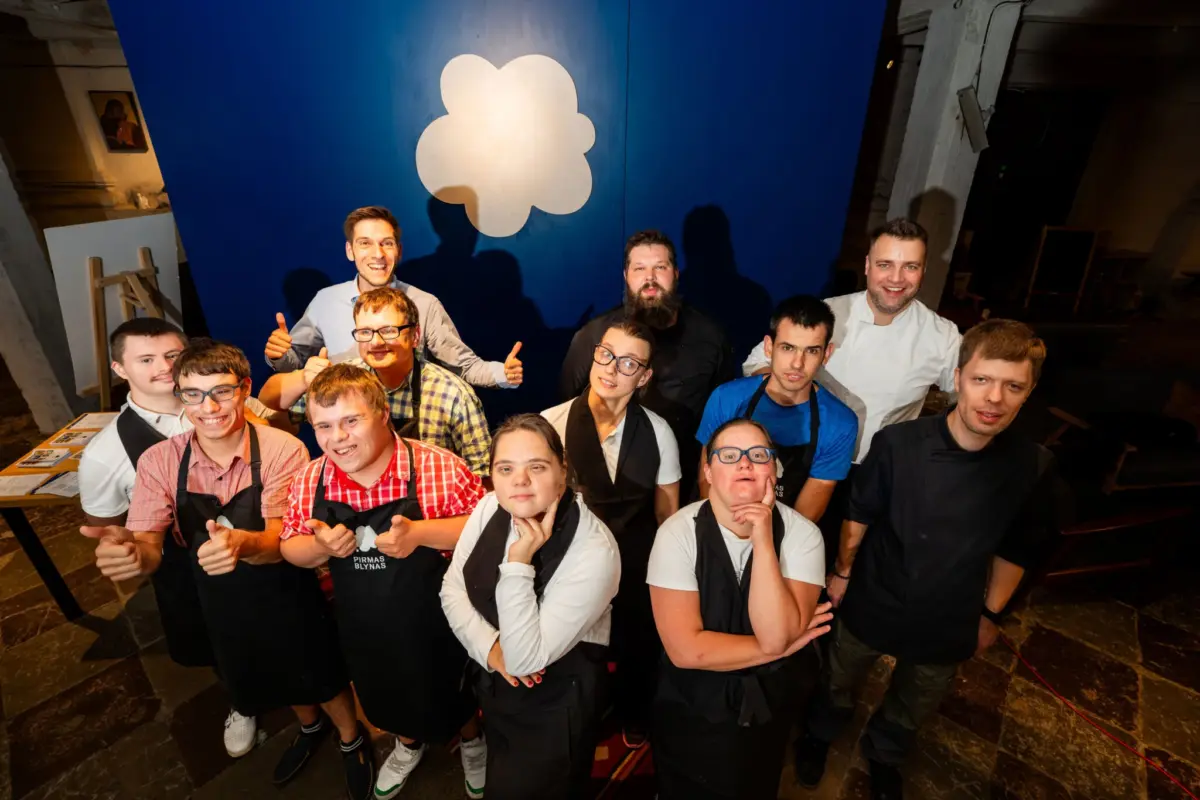
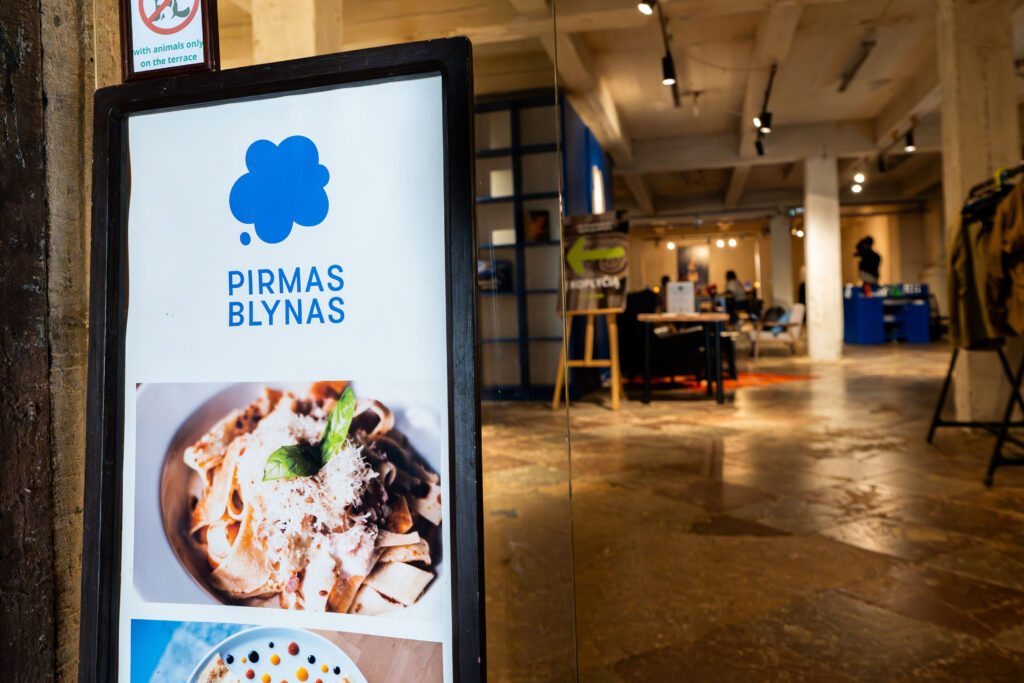
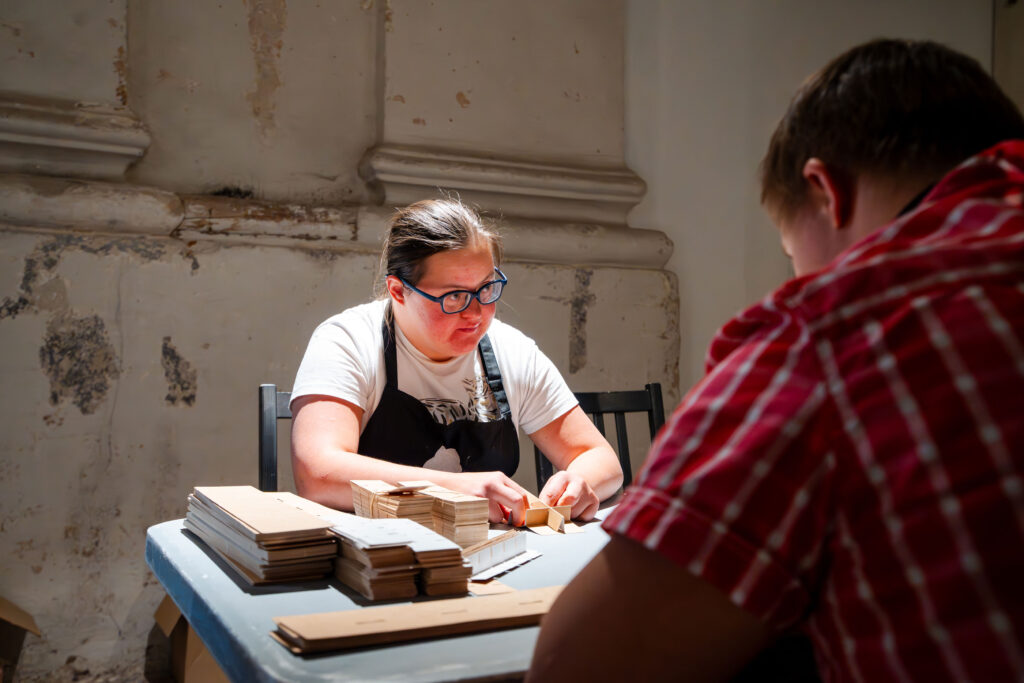
Among the direct beneficiaries is Pirmas Blynas, a catering enterprise and coffee shop in Vilnius that employs people with disabilities. Winning government catering contracts has allowed the social enterprise to diversify its revenue streams, reducing its reliance on traditional subsidies.
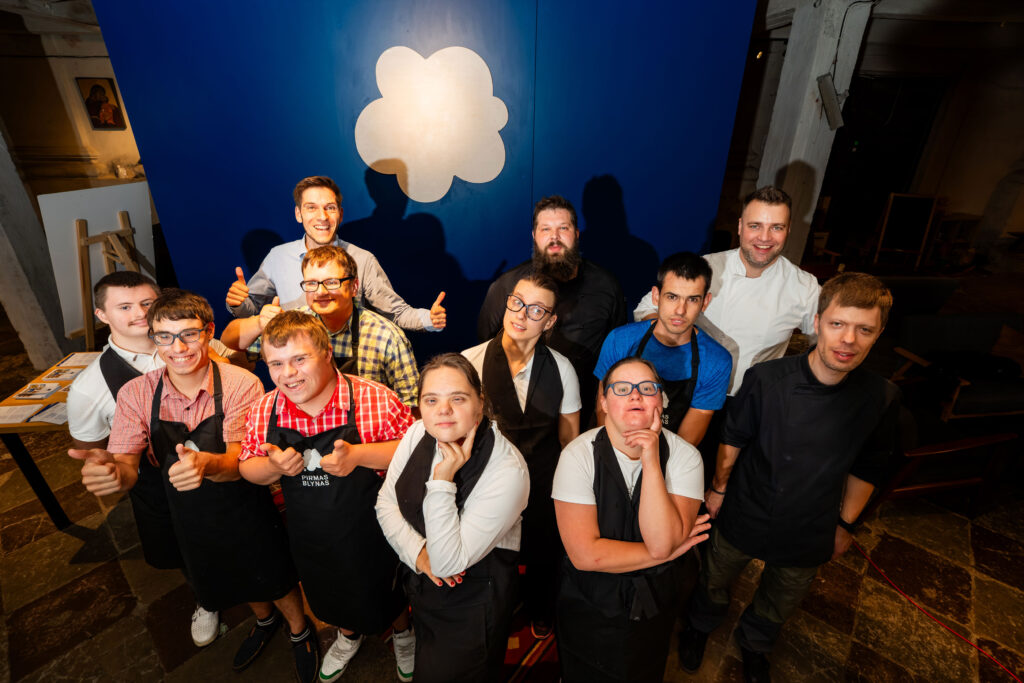
"[Social procurement] gives our company a lot of opportunities," says Tim Van Wijk, founder of Pirmas Blynas. "We can make more products, we have more income, and with that, we have more impact on society."
Van Wijk notes that fulfilling government contracts last year gave his employees valuable opportunities to perform new tasks and build skills in different professional environments. Founded in 2018 as the first enterprise of its kind in Lithuania, the business draws its name—meaning "First Pancake" in English—from the idea that initial attempts at innovation are rarely flawless, but serve as essential learning experiences.
Looking Ahead
As the initiative matures, public officials and enterprise leaders are focused on refining how social criteria are applied and monitored. Because social requirements are most frequently integrated into contract performance terms—historically the hardest aspect of an agreement to police—the public dashboard currently records only whether a criterion was used rather than how it was implemented in practice. In response, the PPO continues to update its guidance, clarifying concrete expectations regarding building accessibility, universal design, and wage transparency.
Looking forward, Lithuanian authorities are exploring methodologies to measure the broader socio-economic effects of the reform, aiming to demonstrate that social procurement is a vital catalyst for sustainable and inclusive economic growth rather than a mere administrative formality.
"Change in public procurement is happening. And it is happening not because someone requires it of us, not because it is somewhere prescribed and mandated—but because we ourselves are beginning to understand that public procurement can deliver on other policy areas too," said Darius Vedrickas, Director of the Lithuanian Public Procurement Office, during a recent social procurement conference in Vilnius.
The first pancake may rarely be perfect, but Lithuania’s experience suggests that public institutions have no intention of stopping at just one.