Transitioning from a traditional, linear reporting path to an engaging narrative arc is rarely an intuitive leap for most analysts and communicators. While brainstorming content and organizing it in a straightforward chronological sequence comes naturally to many, restructuring information around core elements of tension and resolution requires a fundamentally different cognitive approach. In the modern corporate and analytical landscape, this is precisely where artificial intelligence can serve as a powerful tool—not by generating the story out of thin air, but by helping professionals uncover the latent narrative arc embedded within their raw material.
The foundational element that makes this transformation successful is tension. This is not the internal tension experienced by the analyst or the information communicator, but rather the tension that truly matters to the audience. Building on prior assessments of communication strategy, the critical questions remain: What is genuinely at stake for the audience? What is the gap between the current state of affairs and where things need to be? When analysts identify that specific tension and build their presentation around it, they cease merely reporting dry findings and begin telling a compelling story that actively moves people toward decisive action.
Working with AI: Crafting a Story
The core storyboarding process must remain deliberately human. Brainstorming, editing, and arranging content are creative and analytical tasks that should happen away from the screen and away from automated systems. The analog, hands-on nature of this phase is an essential feature rather than a limitation, allowing for deeper cognitive engagement with the material.
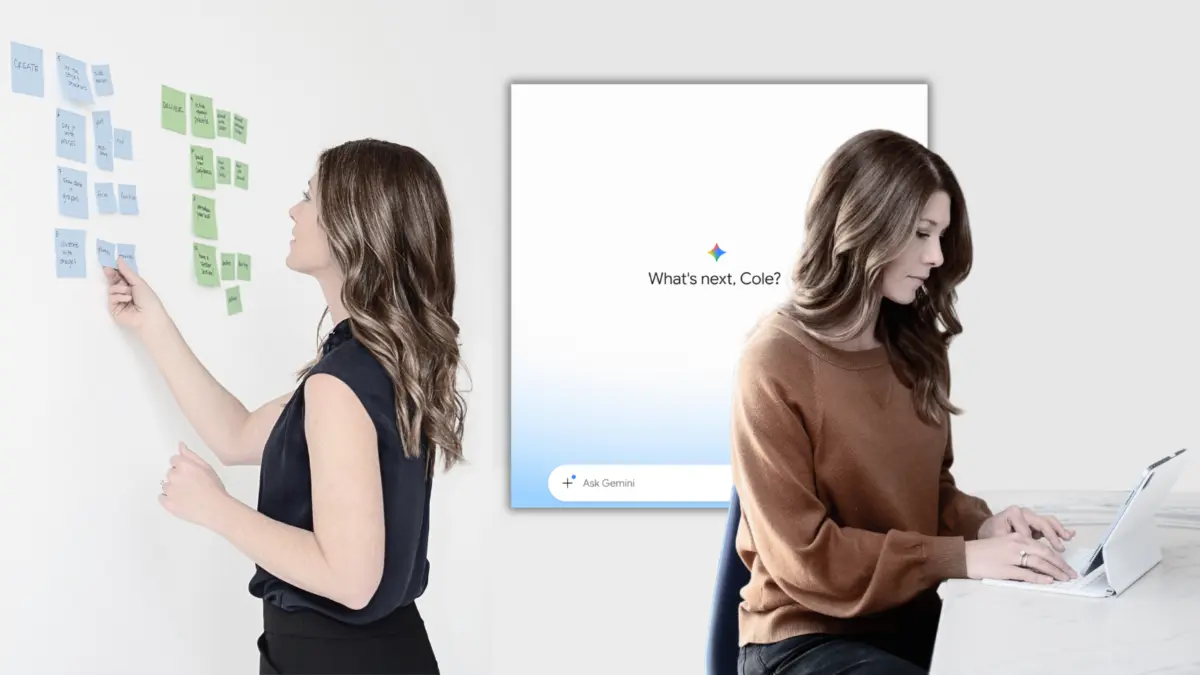
That said, artificial intelligence can act as a valuable thought partner at two distinct and crucial moments in the development process. The first occurs after the initial brainstorming phase, once an analyst has generated an array of ideas on sticky notes but has not yet established a cohesive structure. At this juncture, AI can assist in identifying a potential narrative arc from the raw material by pinpointing underlying tensions, suggesting logical arrangements, and helping creators visualize the story hidden within their notes.
The second opportunity arises after the content has been arranged into a draft structure. At this stage, AI can pressure-test whether the narrative arc truly holds together by evaluating the strength of the tension, spotting critical gaps, and flagging segments where the story loses momentum. In either scenario, the primary objective remains consistent: to surface blind spots and allow for assessment and refinement before investing significant time into building final presentations.
Once a low-tech plan is firmly established, AI can also assist in translating raw brainstorming topics into draft takeaway titles for presentation slides, serving as a practical bridge between strategic planning and final execution. However, before integrating these tools into the workflow, practitioners must remain mindful of potential pitfalls when collaborating with AI during the early stages of data storytelling.
Potential Prompt: Pressure-Test Your Narrative
When continuing within an established AI conversation from previous planning steps, the contextual background is already active, allowing users to move directly into evaluation prompts. For those initiating a new conversation, a brief reorientation is necessary: sharing the core "Big Idea," describing the target audience, and noting what is at stake alongside the primary tension. A few concise sentences are usually sufficient to set the stage before deploying specific prompts for narrative evaluation.
The recommended approach involves instructing the AI to act as an analytical thought partner focused entirely on identifying structural gaps, inconsistencies, or momentum lags. Rather than rewriting content or suggesting the addition of extraneous material, the AI evaluates whether the existing elements form or can be shaped into a clear narrative arc that builds tension and drives toward a resolution. Depending on where the creator is in the process, options range from analyzing raw, unstructured brainstorming ideas to evaluating a fully sequenced draft storyboard, concluding with a request for clarifying questions before the AI delivers its final feedback.
In Practice: Crafting a Story
To understand how these concepts operate in a real-world environment, consider the scenario of a People Analytics Manager at a mid-sized consulting firm. The analytical team has recently concluded a comprehensive examination of the company’s hybrid work policy, evaluating performance ratings, in-office attendance patterns, collaboration network data, and long-term attrition trends. Based on this thorough investigation, the team has formulated a clear recommendation: transition away from the current one-size-fits-all policy requiring three days in the office and two days remotely for all employees, and instead move toward a differentiated approach tailored to specific roles and team types.
The overarching Big Idea is straightforward: it is time to shift from the current rigid three-days-in-office mandate to a flexible, differentiated model that meaningfully reduces operational costs while enabling employees to perform better and remain with the firm longer. With the contextual background established and the core message defined, the challenge shifts toward determining how best to communicate these findings to stakeholders.
The process begins in the traditional manner using physical sticky notes, capturing one idea per note without early filtering. The manager considers the perspective of every individual expected to be in the final decision-making meeting: identifying what a key leader like Diana needs to feel confident championing the recommendation, what would convert another stakeholder like Robert into a supporter, and where a peer like Priya might push back. Simultaneously, the data itself is evaluated to separate essential insights from merely interesting background details.
After roughly ten minutes of intensive generation, twenty-five distinct ideas lay across the workspace. The subsequent phase involves rigorous editing, setting aside elements that served the analytical process rather than the audience’s actual needs—such as detailed methodologies, policy histories, timelines, benchmarking data, and alternative options considered. Granular details that did not lead directly to actionable outcomes, such as location-specific attrition rates, manager feedback, and geographic utilization patterns, are likewise sidelined.
Through this editing and arrangement process, the nature of the notes themselves evolves. Descriptive phrases like "attrition rates before and after" transform into sharper, more impactful statements such as "early-tenure attrition has spiked, and it is costing us." This deliberate act of curation and sequencing forces the analyst to transition from reporting data to thinking like a true storyteller.
The process ultimately yields twelve curated items, which are then arranged into a logical initial sequence. While not yet a fully developed narrative arc, this chronological order—moving from a policy overview to data findings, the core recommendation, and finally a clear call to action—provides the foundational structure needed to begin refining the presentation for maximum impact.