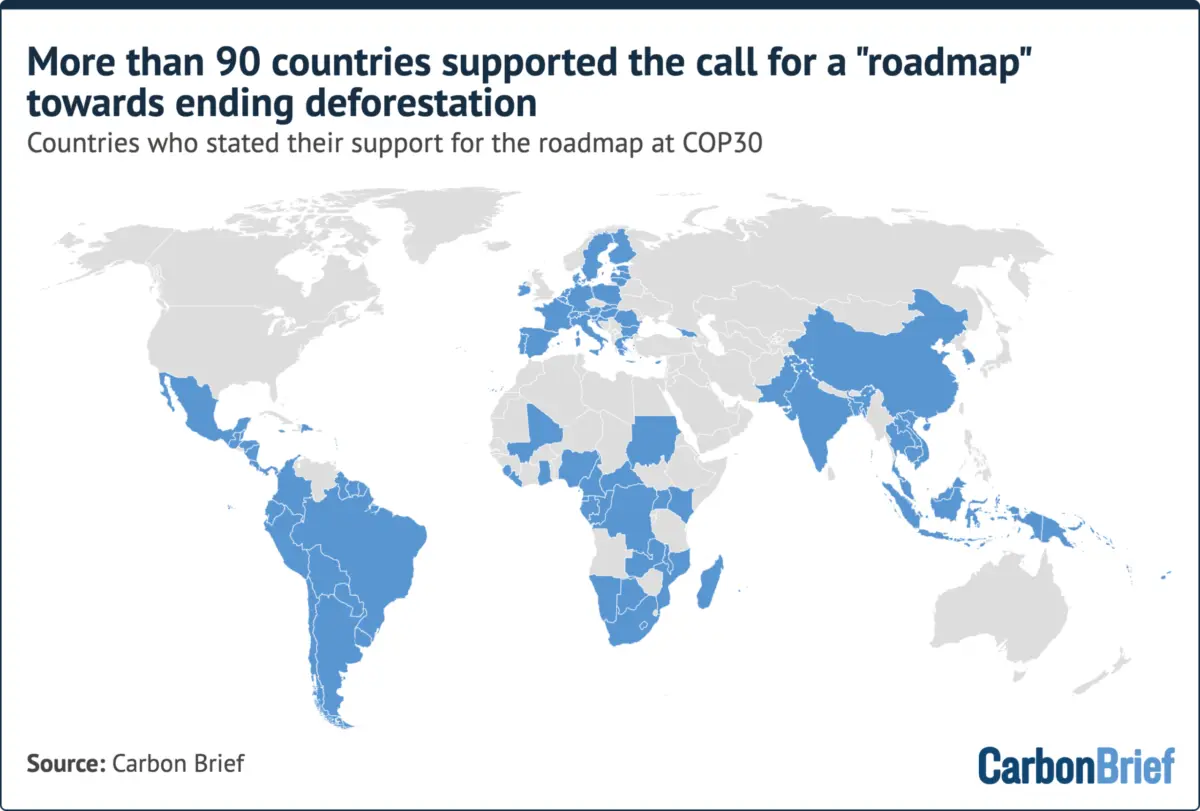
Nearly a year after the conclusion of the landmark COP30 climate summit in Belém, the international community continues to grapple with the complexities of translating voluntary environmental goals into binding, on-the-ground reality. Released on November 3 by the Brazilian presidency of the talks, the long-awaited “deforestation roadmap” has emerged as a central rallying point for forest protection, despite operating entirely outside the formal, negotiated agenda of the United Nations Framework Convention on Climate Change (UNFCCC).
The roadmap traces its origins to the opening sessions of the Belém summit, where Brazilian
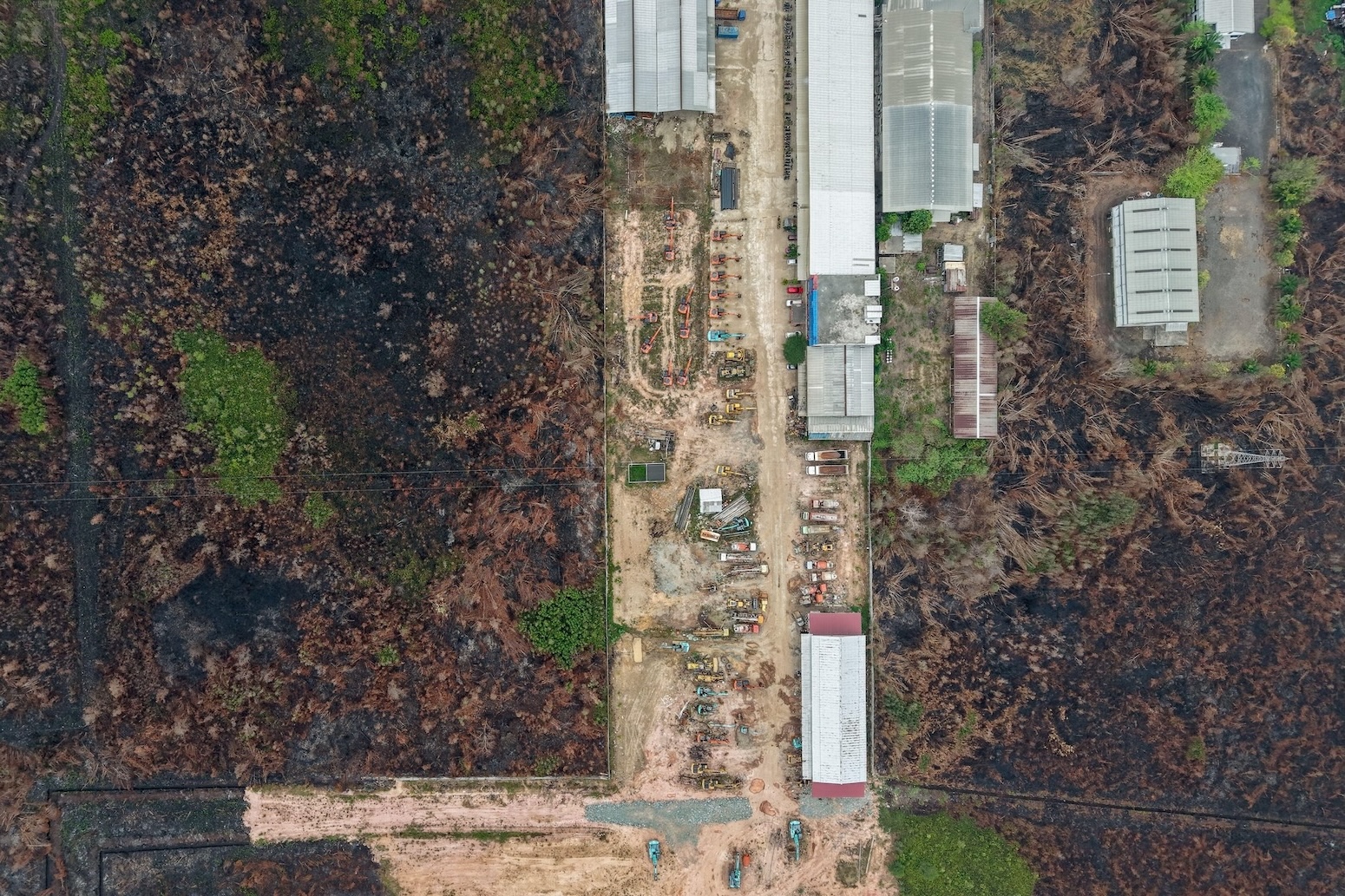
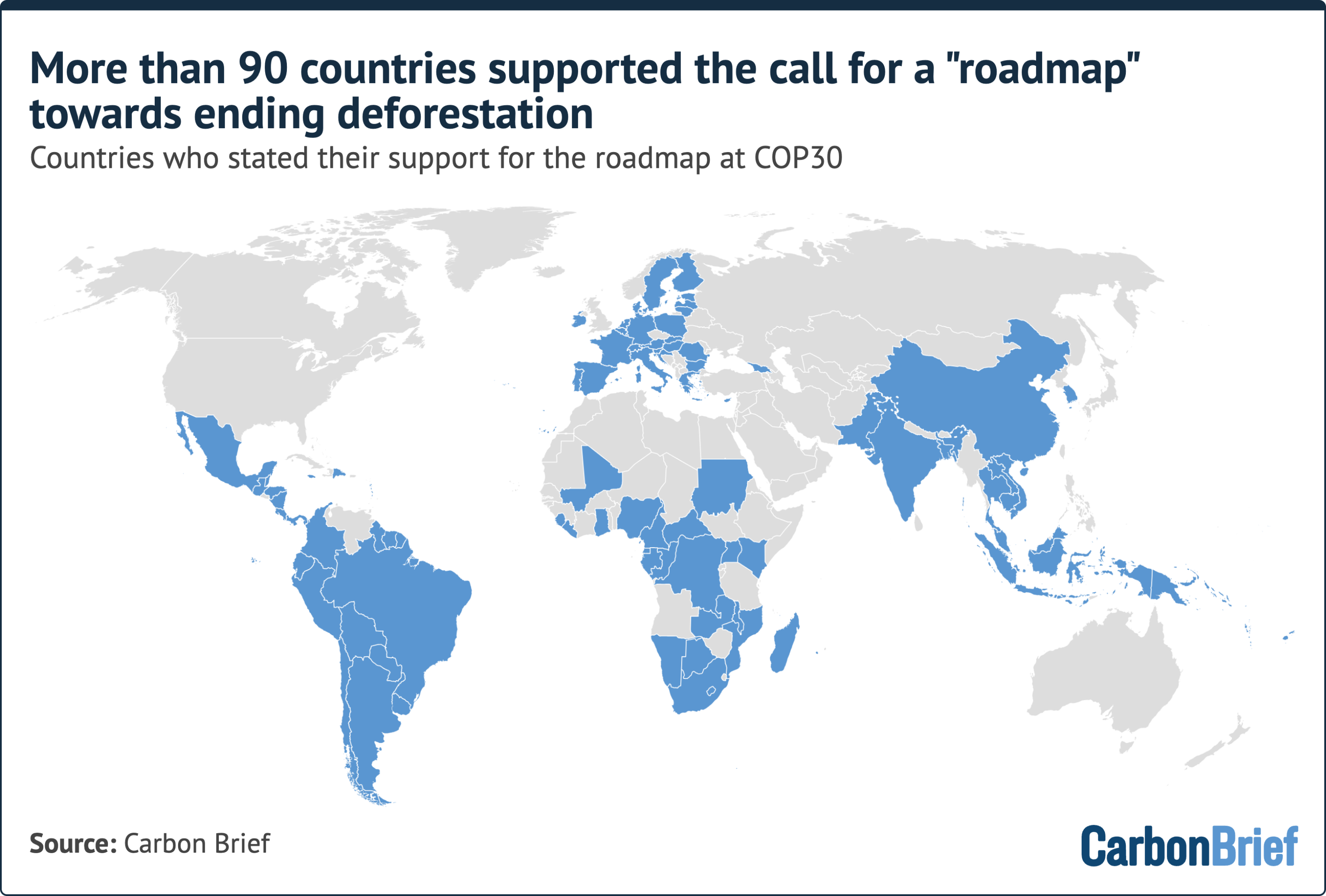
President Luiz Inácio Lula da Silva issued an urgent call for structured pathways to halt and reverse deforestation and forest degradation by 2030. Although the initiative began as a voluntary proposal separate from official text negotiations, it quickly snowballed into a defining feature of what many dubbed the "Amazon COP." By the time the summit drew to a close, 93 countries had formally signed on, committing to develop voluntary pathways to stem forest loss over the remainder of the decade.
The strategy behind the rollout invited nations, negotiating blocs, research centers, and non-governmental organizations to describe what a transition away from deforestation would look like in their respective jurisdictions, alongside the unique challenges and support mechanisms they would require. In response, 18 countries and four major negotiating blocs—including the European Union, the Coalition for Rainforest Nations, the Alliance of Small Island States, and the Least Developed Countries—submitted formal inputs, joined by scores of academic institutions and civil society groups.
The unveiling of the final document in Brasília, hosted by the UN Development Programme ahead of upcoming climate talks, highlighted the dual nature of modern global climate diplomacy. While official consensus remains difficult to forge among nearly 200 UNFCCC parties, presidency-led initiatives like the deforestation roadmap provide an alternative avenue to mobilize political will, share technical expertise, and align disparate international regimes.
The Evolution of Global Forest Commitments
The deforestation roadmap represents the latest chapter in a decades-long international effort to stem the tide of global forest loss. The objective gained significant momentum in 2014 during UN Climate Week, when 39 countries endorsed the New York Declaration on Forests, pledging to end natural forest loss by 2030. Seven years later, at COP26 in Glasgow, more than 140 nations signed the Glasgow Leaders’ Declaration on Forests and Land Use, committing to work collectively to halt and reverse forest loss and land degradation by the end of the decade—though subsequent debates arose over the precise nature and enforceability of those commitments.
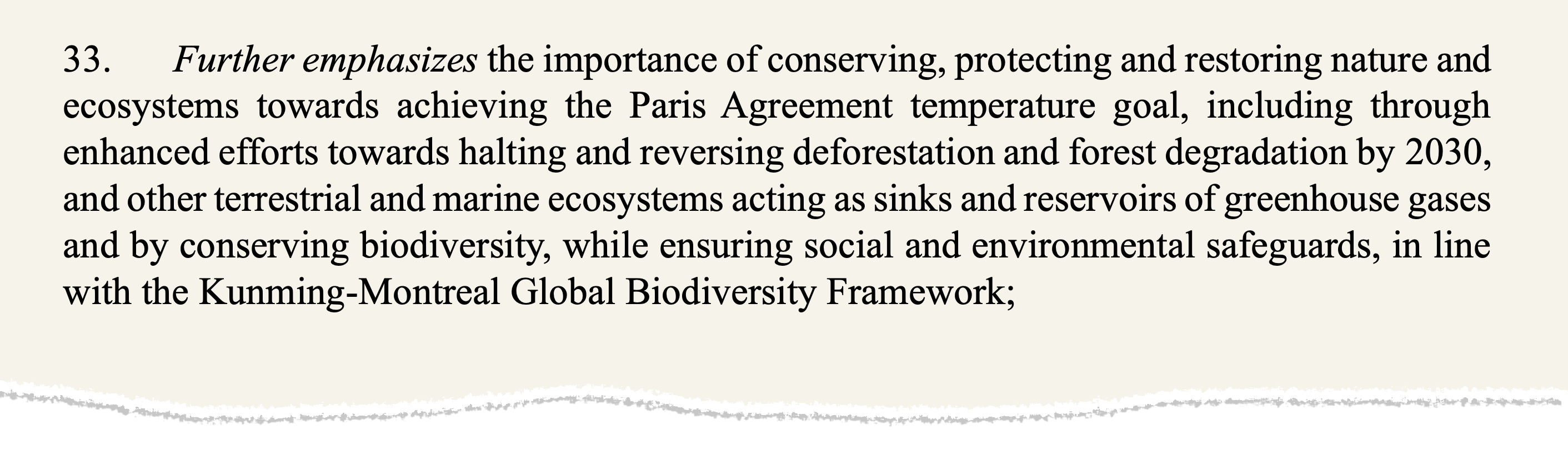
It was not until COP28 in Dubai that the objective of halting and reversing deforestation by 2030 was formally integrated into a negotiated UNFCCC text for the first time, appearing within the mitigation section of the first global stocktake.
Unlike these preceding declarations, the new roadmap does not establish any fresh targets or seek to reopen previously agreed decisions. Instead, its stated objective is to translate those high-level forest-related outcomes into coordinated, country-led action while respecting different national circumstances, priorities, and implementation challenges. Following COP30, the Brazilian presidency selected the Climate Policy Initiative think tank to serve as the secretariat and technical partner for the roadmap process, ultimately collecting more than 200 contributions from diverse stakeholders worldwide.

During the launch event, COP30 president André Corrêa do Lago emphasized recent figures demonstrating that Brazil’s own deforestation rate had plummeted to its lowest level on record, dropping by more than 70 percent since 2022. Describing the turnaround as an achievement that even optimists struggled to foresee, Do Lago expressed hope that the roadmap would function as a living document, offering nations a practical pathway for sustained climate action.
Structure of the Roadmap and National Challenges
The roadmap divides forest action into three complementary pillars: national action, international architecture, and financial mechanisms. For each pillar, the document outlines current instruments, necessary enabling conditions, and presidency proposals for the way forward.

Under national efforts, the roadmap identifies 18 distinct policies or implementation approaches that countries can utilize to address forest loss. These range from establishing and maintaining protected areas and recognizing the territorial rights of Indigenous peoples to managing the spread of pests and restricting permits for activities associated with forest conversion. The document provides evidence of the effectiveness of each approach, alongside practical examples of how various nations are putting them into practice.
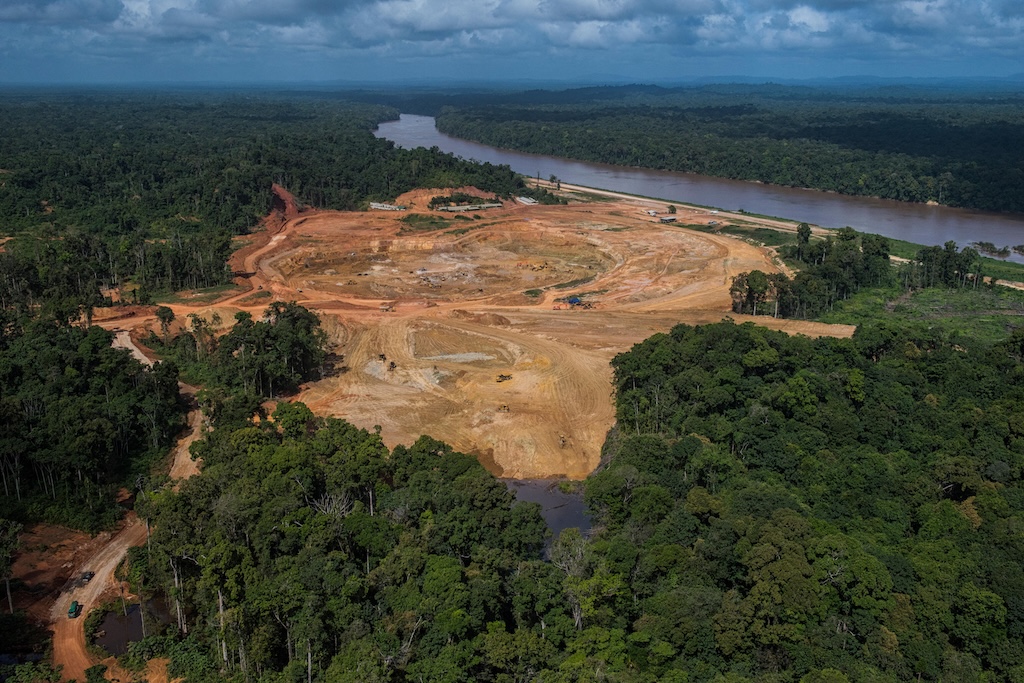
However, submissions from governments reveal a vast array of barriers hindering effective implementation. Guyana and Suriname highlighted the persistent challenge of keeping existing forests intact when economic pressures from extractive industries like mining and agriculture heavily favor conversion. The European Union, Switzerland, and Mexico pointed directly to agricultural expansion as a primary driver of forest and pasture loss, while Norway and Mexico noted that illegal loggers frequently offer financial rewards that dwarf conservation incentives.
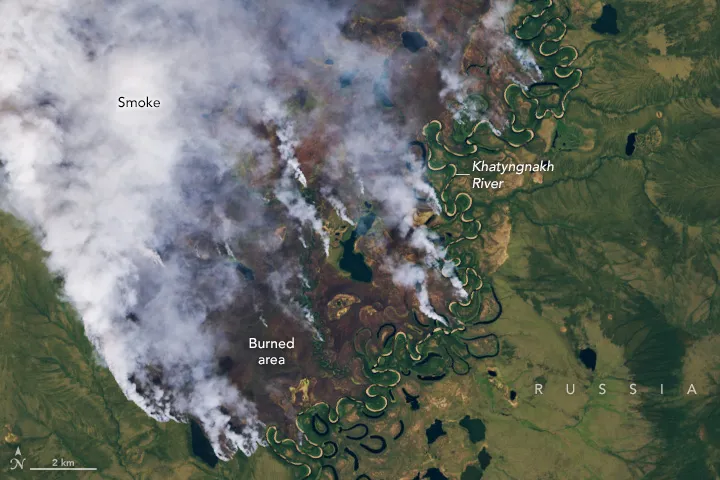
Climate-driven threats also loom large. Canada, Russia, Indonesia, Azerbaijan, and Australia cited the escalating risk of intensifying wildfires as a severe menace to boreal and tropical forests alike, calling for improved early detection systems and support for monitoring fires in remote regions. Meanwhile, small island states and vulnerable nations drew attention to localized pressures, such as Mauritius grappling with limited land availability and Sudan reporting that 70 percent of its population relies on firewood for energy amid ongoing conflict.
Financing remains one of the most critical hurdles. The roadmap estimates that countries require approximately $300 billion per year by 2030 to successfully halt and reverse deforestation, yet current financial flows reach less than a third of that target. Nearly 90 percent of existing forest finance currently comes from domestic public funds, as forest nations dedicate substantial effort to protecting their own natural capital. To bridge this gap, the roadmap offers 10 proposals, including aligning domestic finance flows, enacting effective benefit-sharing measures, and strengthening the role of forests in carbon markets.
The Politics of Consensus and Dissent
Despite securing support from nearly 100 countries—including the 27 EU member states—the roadmap fell short of the universal consensus required for a formal, legally binding UNFCCC outcome. Several major nations chose not to sign on during the Belém summit, reflecting long-standing geopolitical divisions over top-down mitigation targets and trade-related climate measures.
India, acting as part of the Like Minded Developing Countries bloc, objected to the inclusion of voluntary roadmaps outside the formal COP agenda. Historically skeptical of top-down mandates regarding land-use change, New Delhi previously withheld its signature from the Glasgow forest declaration over concerns linking trade measures to climate action. Nevertheless, after the conclusion of the talks, India’s environment minister, Bhupender Yadav, noted that the country welcomes the forest roadmap and endorses Brazil’s proposed Tropical Forest Forever Facility fund.
Russia emerged as an early objector, arguing in formal submissions that universal roadmaps lack a mandate under the agreed international climate architecture and go beyond decisions adopted under the UNFCCC and the Paris Agreement. Moscow also pointed to the absence of a universally agreed, legally binding definition of forest degradation.
Other governments expressed wariness about committing political capital to non-negotiated mitigation pledges at the expense of pressing adaptation finance priorities. Yet proponents argue that formal subscription is unnecessary given that the core objective—halting and reversing deforestation by 2030—was already adopted by consensus in the Paris Agreement’s first global stocktake at COP28 and reinforced within the Kunming-Montreal Global Biodiversity Framework.
As nations look toward future climate summits, civil society networks emphasize that the true measure of success will not lie in the number of signatories, but in the speed and scale of action on the ground. As Kelly Stone of the Climate Land Ambition and Rights Alliance noted, commitments must rapidly translate into urgent protection for forests and food security alike, because the international community can no longer afford to wait.