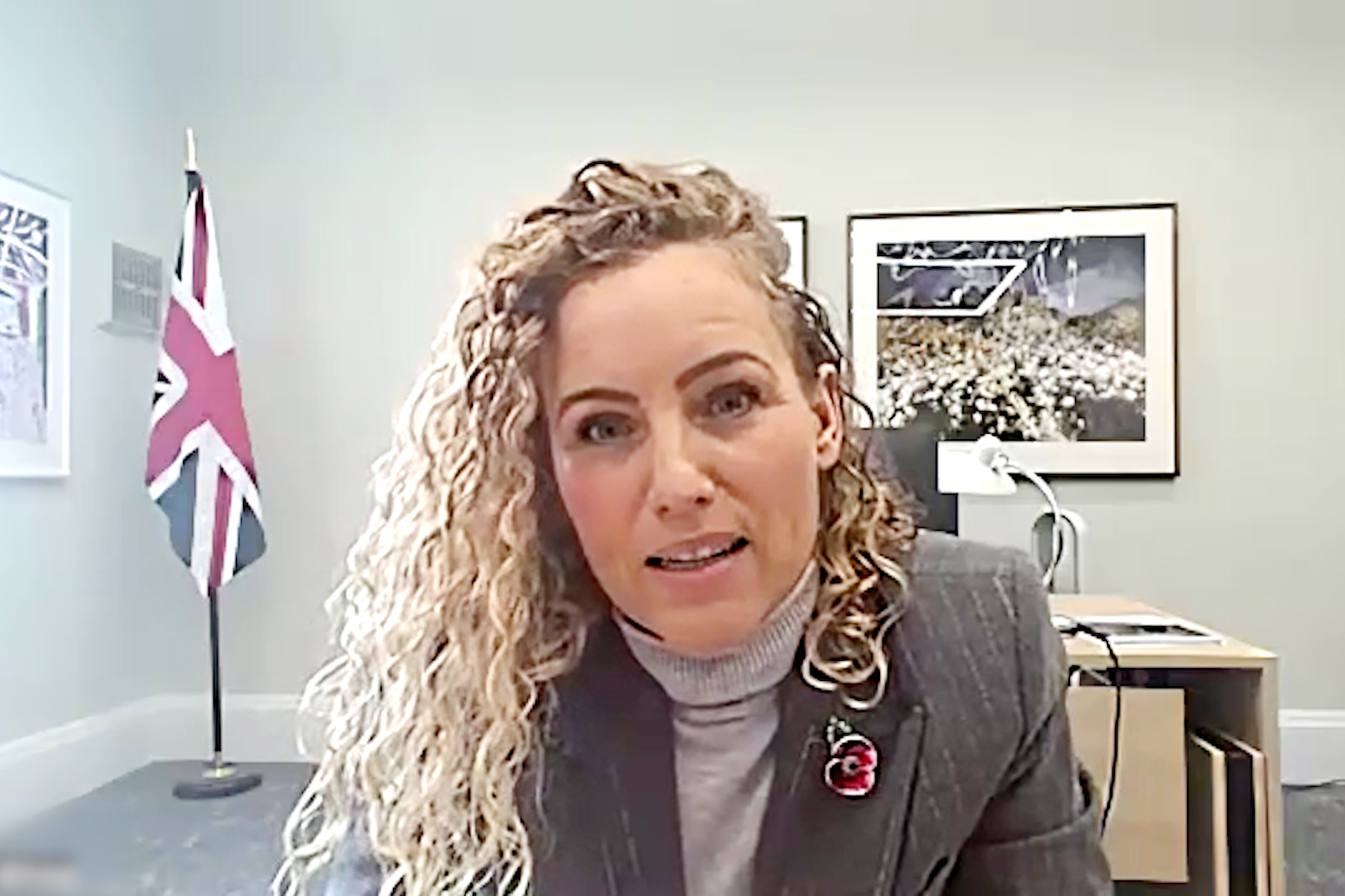
As the United Kingdom delegation prepares to travel to Antalya, Turkey, for the upcoming COP31 climate talks, UK climate minister Katie White has issued a stark warning that the international community must confront the latest global warming science, which she describes as "really scary."
In an extensive interview addressing the government’s core priorities for the summit, White also pushed back against growing suggestions that Westminster is walking back its domestic climate commitments. Setting the tone for the upcoming negotiations, White pointed to the shocking human and environmental toll of extreme weather experienced across the globe—and within the UK—over the past year. From deadly heatwaves causing tens of thousands of excess fatalities across Europe to severe flooding and destructive wildfires, the minister emphasized that climate change is no longer a distant theoretical threat.
"This isn’t something far off; it’s something we’re living through," White told reporters, reflecting on domestic impacts such as school closures, disrupted everyday life, and localized wildfires that have brought the reality of global heating home for British voters.
Setting the Scientific Agenda at COP31
With the United Nations Environment Programme (UNEP) warning that a temporary overshoot of the critical 1.5C global warming limit is now virtually inevitable, White stressed that the UK will use its platform in Antalya to "hold up the science." She underscored that reports from the Intergovernmental Panel on Climate Change (IPCC) must remain the fundamental basis for all international negotiations and policy decisions.
Despite recent friction surrounding the IPCC’s assessment timelines—where certain nations have reportedly attempted to delay publication to decouple the science from upcoming global stocktakes—the UK maintains that scientific rigor must drive political ambition. While acknowledging the need for diplomatic inclusivity and listening to dissenting viewpoints, White insisted that the UK remains firmly committed to aligning international climate action with the best available peer-reviewed research.
Beyond overarching scientific frameworks, the UK has outlined several practical focus areas for the COP31 "action agenda." Chief among these is a major international push toward electrification, mirroring priorities highlighted by the Turkish COP presidency. The Turkish government has championed a global target aiming for 35% of final energy consumption to come from electricity by 2035. White noted that while the mechanics of voluntary pledges versus formal cover decisions are still being evaluated, accelerating electrification across home heating and transportation represents the surest way to protect citizens, cut carbon emissions, and drive down energy bills.

In addition to electrification, the UK will continue pressing for robust international action on curbing methane emissions and halting global deforestation. White highlighted the UK’s ongoing financial and political support for initiatives such as the Tropical Forest Forever Fund, framing it as an essential mechanism to unlock vital capital for nature-based solutions. Furthermore, London remains an ardent supporter of the ongoing global transition away from fossil fuels, building on discussions held earlier in the year at Santa Marta and subsequent diplomatic follow-ups.
Navigating Domestic Realities and the Energy Transition
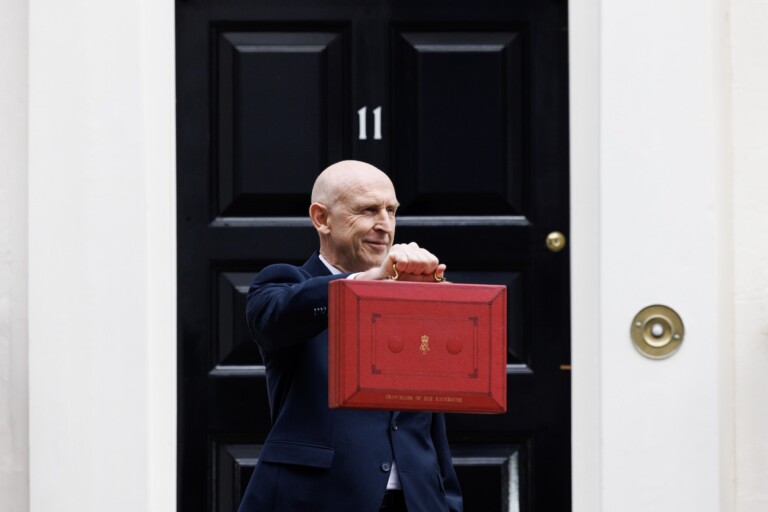
The interview also addressed mounting scrutiny over domestic policy decisions in the UK, particularly following the recent budget unveiled by Chancellor John Healey. Critics and environmental watchdogs have pointed to various policy adjustments—including modifications to heat pump subsidies, hydrogen and carbon capture initiatives, and anticipated changes to the zero-emission vehicles mandate—as signs of a softening stance on net-zero goals.
Furthermore, the recent government approval of the Jackdaw gas field in the North Sea has drawn sharp criticism from campaigners questioning the consistency of UK climate policy. Addressing these concerns, White defended the Jackdaw decision as fully compliant with existing carbon budgets, noting that lifecycle emissions calculations remain within strict legal boundaries, aided in part by cleaner transportation logistics relative to alternative sources.
At the same time, White pointed to unprecedented market shifts driven by geopolitical instability in the Middle East, specifically the crisis surrounding the Strait of Hormuz. The resulting energy price pressures have paradoxically accelerated public demand for renewable solutions in the UK. According to White, the country has witnessed its largest-ever uptake in solar installations, heat pumps, and electric vehicles. Highlighting a notable milestone, she noted that the UK now boasts more public electric vehicle charging points than traditional petrol pumps, with approximately two million EVs currently on the road and a rapidly expanding second-hand market improving consumer accessibility.
Regarding the overarching economic strategy, White defended the Treasury’s renewed focus on consumer affordability as a "natural evolution" of government policy rather than a retreat from climate obligations. She reiterated that lowering electricity prices and achieving clean power targets remain deeply intertwined with cost-of-living solutions, echoing recommendations from the Climate Change Committee that faster electrification ultimately puts money back into people’s pockets.
Balancing International Finance and Public Accountability
International climate finance remains a central point of discussion as developing nations look to historical polluters for support. Addressing questions regarding the UK’s financial commitments—specifically a new pledge of £6 billion over three years following a previous commitment of £11.6 billion over five years—White defended the administration’s track record as a credible donor. She noted that the previous funding target was met in full and that the government proactively published a structured delivery plan in coordination with the Foreign Office and the Department for Environment, Food and Rural Affairs (Defra) to give partner countries predictability.
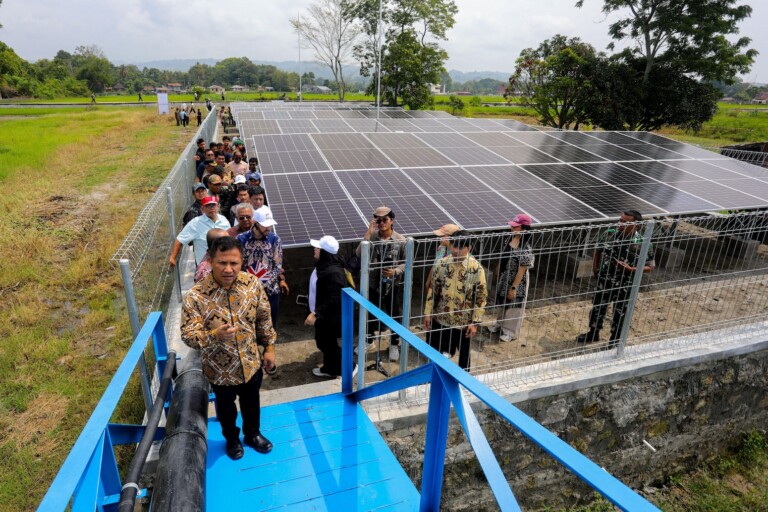
While acknowledging that public funding alone cannot meet the exponentially growing global demand, White emphasized that innovative instruments like the Tropical Forest Forever Fund are designed to mobilize private capital and alternative revenue streams to bridge the financing gap.
As the UK delegation prepares to take a prominent leadership role within the umbrella group of negotiating nations at Antalya—featuring a high-level ministerial presence including the Foreign Secretary and the Prime Minister—White expressed confidence in Britain’s ability to navigate the complex diplomatic landscape.
Concluding her remarks, White stressed that while the UK has a compelling narrative to tell regarding its historic emissions reductions and economic growth since 1990, approaching international climate diplomacy requires honesty about domestic challenges and the humility to learn from global partners as the world navigates the next critical phase of the energy transition.