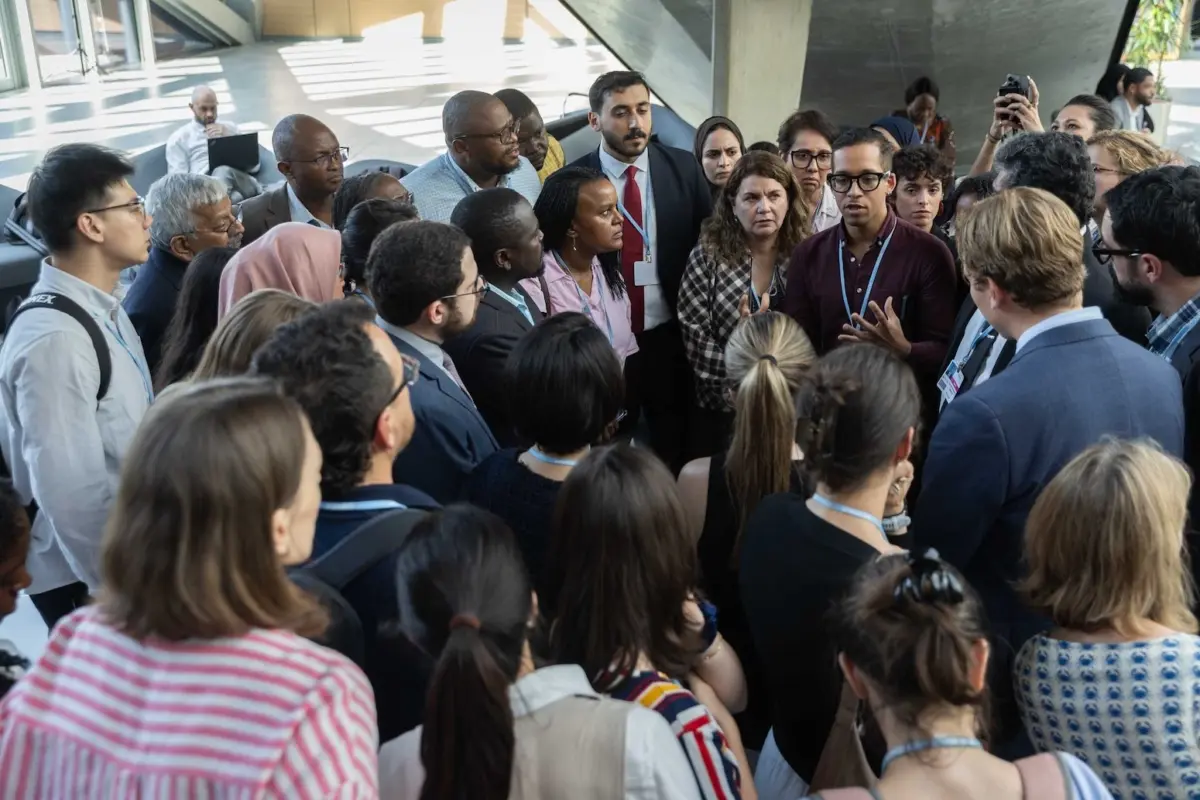
Delegates from around the globe are converging on the Turkish resort city of Antalya for the latest United Nations climate negotiations, entering a summit framed by a complex geopolitical and environmental backdrop. The conference unfolds against ongoing conflicts, an international energy crisis, and escalating climate extremes, raising the stakes for multilateral climate diplomacy.
At COP31, participating nations face the daunting task of forging consensus across a contentious array of issues. Primary focal points include securing adequate climate finance for developing countries, operationalizing global mechanisms for a cleaner economic transition, and navigating deeply entrenched disagreements over greenhouse gas mitigation and adaptation targets.
This year’s summit stands out due to its unusual joint presidency structure. Australia is leading the diplomatic and formal negotiations, while Turkey is acting as the host country, managing the logistical and broader thematic priorities of the conference.
Beyond the formal negotiating rooms, Turkey is aggressively promoting its own national priorities as part of a wider action agenda. These initiatives center heavily on mass electrification, ocean protection, and a concept it terms "green industrialization." To help observers track the positions of various nations and negotiating blocs on these critical issues, analytical organizations like Carbon Brief have compiled extensive policy data, mapping out how different countries approach topics ranging from adaptation tracking to carbon emission reductions.
The landscape of the summit is defined by several major thematic pillars, each carrying its own history of debate and division among UN member states.
Just Transition
At COP30 in Brazil, nations reached a landmark agreement to establish a practical mechanism designed to drive a "just transition" toward a low-carbon economy, ensuring that workers and vulnerable communities are not left behind as industries shift away from fossil fuels.
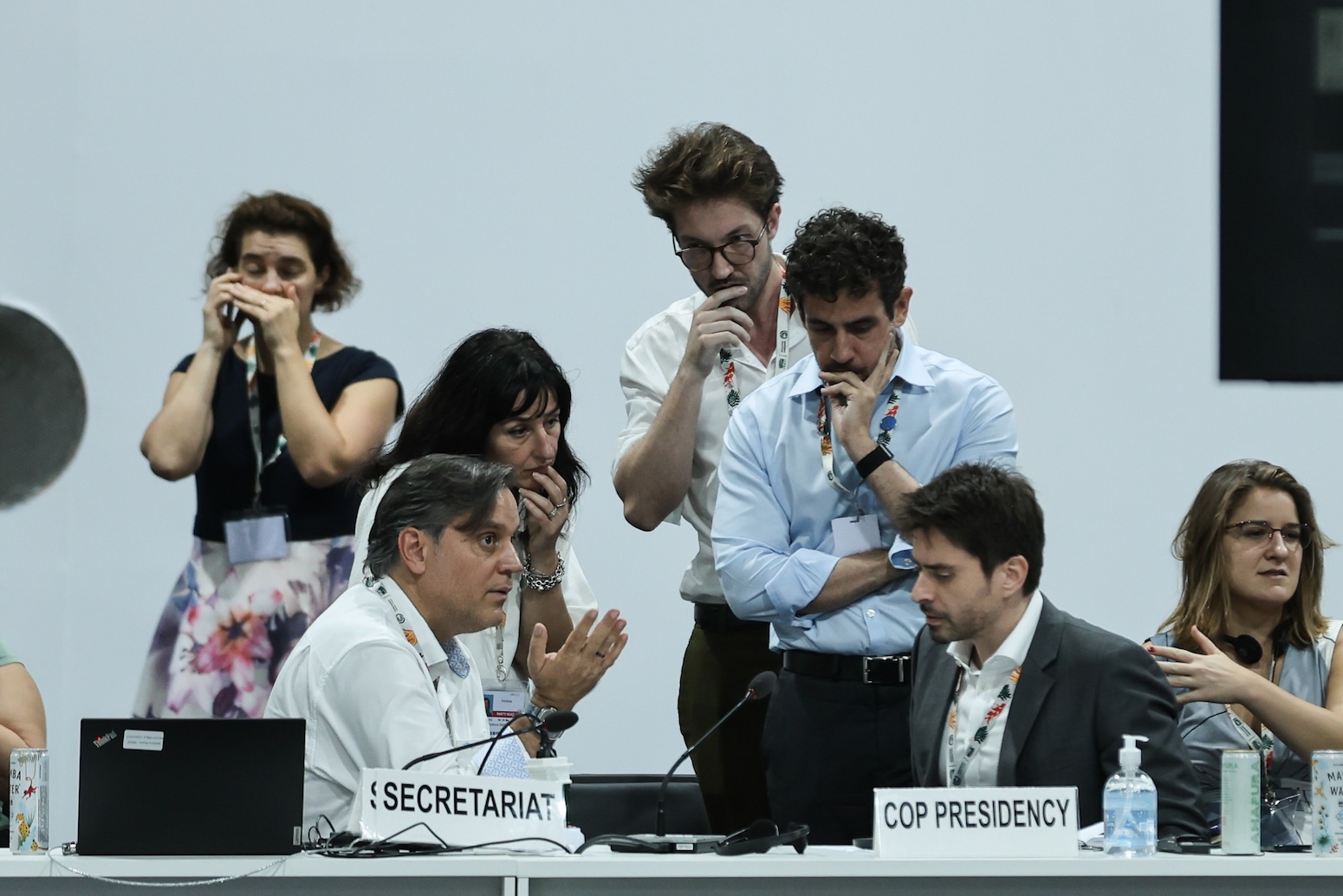
Key aspects of this framework, known as the "Belém-Antalya mechanism" or simply the "just transition mechanism," were hammered out during the interim climate talks in Bonn. However, significant details remain unresolved, and sharp dividing lines persist between developed and developing nations regarding the exact scope of the mechanism. A central point of contention is whether the mechanism should be strictly tied to the provision of guaranteed international climate finance.
Despite these hurdles, civil society groups and labor advocates have emphasized that fully operationalizing the mechanism is one of the most critical expected outcomes of the Antalya summit, following hard-won progress within the just transition work programme.
Climate Finance
Climate finance remains perennial friction ground at UN climate summits, with developing nations continuously pressing developed economies to step up their financial commitments.
Developing countries successfully lobbied to keep a dedicated work programme on climate finance front and center on the conference agenda. These nations view the work platform as essential leverage to compel wealthy nations to deliver greater funding from public coffers, pointing specifically to obligations under Article 9.1 of the Paris Agreement. Some developing blocs have even advanced proposals for formal "burden-sharing" arrangements to determine how much each wealthy nation should contribute.
This financial friction is amplified by a difficult economic and political climate globally. Major donor nations have faced domestic pressures resulting in cuts to their foreign aid budgets, while the United States under the Trump administration has actively pressured multilateral development banks to scale back or abandon their institutional climate objectives.
Conversely, developed countries—which have traditionally borne the primary financial burden—generally favor a broader approach. They advocate for improving access to existing financial streams and expanding the pool of potential donors to include emerging economies. Some developing nations, particularly vulnerable small-island states, share certain elements of this broader focus.
Parallel discussions are underway regarding Article 2.1c of the Paris Agreement through the Veredas dialogue, which aims to align all global financial flows with comprehensive climate action. Once again, deep divisions remain over whether this should refocus attention primarily on the historical responsibilities of wealthy nations to provide public support.
Adaptation and Mitigation
The technical divide between adaptation and emission mitigation continues to plague negotiators. During the mid-year talks in Bonn, parties failed to reach a definitive agreement on the mechanics of the global goal on adaptation, which is meant to guide and measure international resilience-building efforts.
Following COP30, where nations endorsed a list of 59 specific indicators to assess progress toward the global goal on adaptation, technical taskforces are tasked with refining how these metrics will be tracked ahead of COP32 in Addis Ababa. Developing countries have repeatedly stressed that tracking progress is insufficient without adequate financial backing, demanding renewed reassurances that wealthy nations will fulfill a previous pledge to triple adaptation finance.
Meanwhile, discussions surrounding the mitigation work programme—the sole formal agenda item dedicated explicitly to cutting greenhouse gas emissions—have similarly stalled. Negotiators have clashed over fundamental questions, including whether the mitigation work programme should maintain its mandate over the coming years or be wound down entirely.
Global Stocktake and NDCs
The architecture of the Paris Agreement relies heavily on periodic evaluations of collective progress, known as the global stocktake, and national emissions pledges, known as nationally determined contributions.
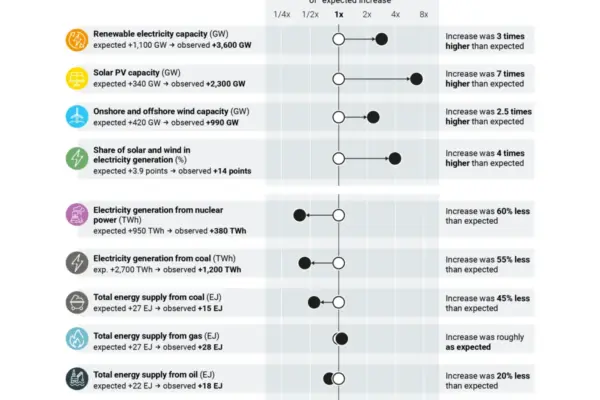
The inaugural global stocktake, concluded in Dubai, established a clear roadmap for climate action, calling on nations to transition away from fossil fuels, triple renewable energy capacity, and halt and reverse deforestation by the end of the decade. These goals remain highly contentious for fossil-fuel-reliant economies and major developing nations, who argue that fulfilling these ambitions is impossible without substantial international financial assistance.

Under the rules of the Paris Agreement, countries were required to update their national climate plans by 2025, charting their emission targets out to 2035. Progress on this front has been uneven. To date, roughly 150 parties—accounting for approximately three-quarters of global emissions—have submitted their new national plans.
Several prominent nations have failed to meet the deadline, including Iran, Vietnam, Egypt, and Argentina, while the United States formally withdrew its climate plan following a shift in federal administration. Major players like the European Union have used the lead-up to Antalya to urge delinquent nations to submit their updated pledges immediately, ensuring they align with the critical 1.5-degree Celsius global temperature limit. COP31 will also mark the formal launch of the second global stocktake cycle, which is scheduled to conclude in 2028.
Action Agenda and Other Issues
In addition to the formal negotiations overseen by the Australian presidency, Turkey is leveraging its host status to drive a parallel "action agenda." This track focuses on real-world solutions and practical targets, including global electrification goals, waste reduction, and lowering emissions within the building sector.
The Australian negotiating team has signaled its intention to incorporate some of these broader objectives into a formal cover text decision at the conclusion of the summit. These efforts are designed to complement the formal UNFCCC process by connecting national climate pledges with tangible investment pipelines through initiatives like the newly introduced climate implementation bridge.
Non-state actors and coalitions are also utilizing the summit to elevate specific environmental concerns. In the lead-up to the conference, a coalition of more than 100 countries released a joint declaration calling for ocean-based climate strategies to be formally integrated into the core architecture of the United Nations Framework Convention on Climate Change. As the two-week summit progresses in Antalya, delegates face the challenge of translating these diverse priorities into concrete, actionable commitments.