High population density, solid transportation systems, and a strong educational infrastructure are the defining keys to prosperous cities, according to the newly released Geography of Prosperity Index, which measures affluence and vitality across the nation’s 250 largest urban areas. While traditional economic metrics have long dominated urban evaluation, this comprehensive index incorporates a broader suite of indicators to determine what truly makes a metropolitan region thrive in the modern era.
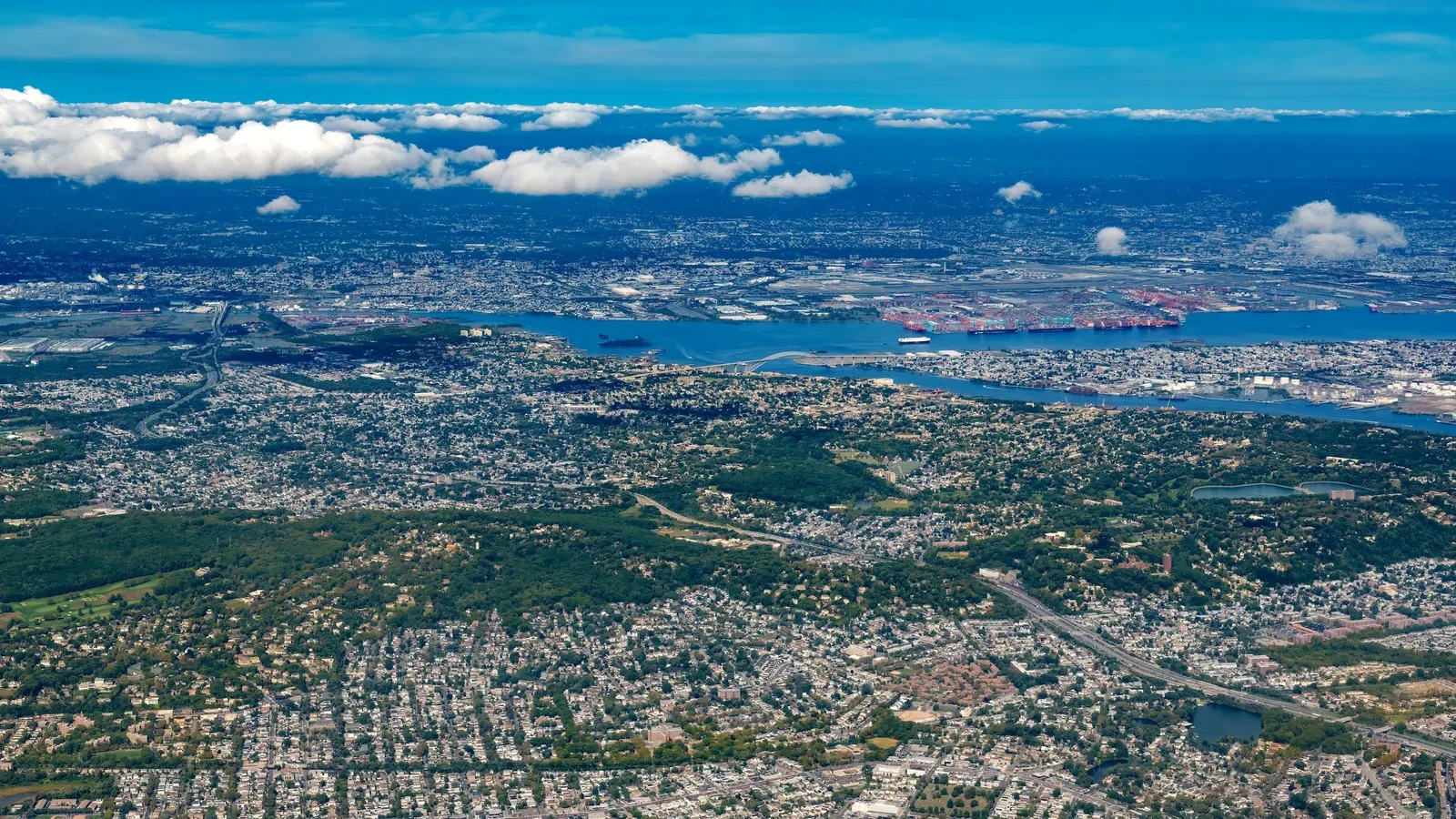
Drawing from a robust foundation of data compiled from federal agencies, academic research, and proprietary resources, the index has evaluated the nation’s top urban centers to see how they stack up against pressing contemporary challenges. According to the findings of the Geography of Prosperity Index, the New York City-Jersey City-Newark, New Jersey, metropolitan area stands as the most prosperous urban region in the entire country.
The index evaluates metros across five distinct categories designed to capture the underlying health and viability of a region. These criteria go far beyond mere job creation and gross domestic product to examine the foundational elements that support long-term community stability.
Bradley Schurman, CEO of the growth consultancy Human Change and a co-creator of the index, explained the philosophy behind the metrics in an interview with Smart Cities Dive. These categories were chosen because they represent the most pressing issues facing the country today. Schurman emphasized that while economic indicators and job availability are undeniably important, there is a vast array of structural and social factors sitting beneath the surface that must be carefully considered if a city is to remain healthy and resilient over the long term.
A closer look at the top-ranked New York City-Newark metro area reveals a nuanced picture of urban strengths and vulnerabilities. The region earned an impressive score of 95 out of 100 for social cohesion, reflecting strong community bonds and civic networks, alongside an 82 for climate resilience, highlighting proactive measures taken against environmental threats. However, the region also faced challenges, recording its lowest score with a 40 for governance and foresight, indicating areas where municipal planning and long-term administrative strategy could see substantial improvement.
At the other end of the spectrum, The Villages, a massive master-planned retirement community located in Florida, scored the lowest overall in the index. This low ranking was driven in significant part by a stark score of 2 for population renewal. According to recent U.S. Census Bureau data, approximately 85% of the residents living in The Villages are 65 years of age or older, placing the vast majority of the population well outside child-bearing age. As a result, Schurman pointed out that the community is heavily reliant on continuous migration—relying entirely on people moving into the area from elsewhere rather than natural population growth to sustain its local structure and workforce.
Looking ahead, the creators of the index have ambitious plans for expansion to ensure the measurement tool evolves alongside the changing needs of American cities. Schurman noted that additional measures will be integrated into the index in future years. Specifically, the evaluation framework will address housing and living affordability in 2027, followed by a detailed study in 2028 examining "freedoms" for marginalized groups, including people of color, women, and members of the LGBTQ community.
Despite the comprehensive nature of the project, Schurman readily acknowledges that the metric is not meant to be an infallible grade. He stressed that the team never intended for the index to be viewed as perfect, recognizing that there is no single, flawless measure of a place. Instead, the index is designed to function more like a navigational compass, pointing observers, policymakers, and residents in the direction of places that are genuinely structured and set up for long-term success.
Behind the top-ranked New York metropolitan area, the Geography of Prosperity Index highlights a diverse array of mid-sized and large urban centers that excel across its evaluation metrics. The complete list of the top 10 most prosperous metro areas in the country features a mix of traditional economic powerhouses and thriving regional hubs.
Following New York City-Jersey City-Newark in the top spot is Durham, North Carolina, in second place, and Ann Arbor, Michigan, securing the third position. Major cultural and economic center Boston claims the fourth spot on the list, closely followed by the Pacific Northwest powerhouse encompassing Seattle and Tacoma in fifth place.
Rounding out the upper tier of the index, the Washington, D.C.-Arlington, Virginia, metropolitan area takes sixth place, while Frederick, Maryland, lands at number seven. Raleigh, North Carolina, captures the eighth position, followed by the Albany-Schenectady region in New York at ninth place. Finally, the San Francisco-Oakland metropolitan area rounds out the top 10 most prosperous urban regions in the nation, reflecting the diverse geographic distribution of high-performing communities evaluated by the index.