Major ride-hailing giant Uber is gearing up to launch its much-anticipated commercial robotaxi service in San Francisco and Houston early next year, marking a massive escalation in the company’s autonomous vehicle strategy. The move comes as part of a sweeping, multi-billion-dollar effort to integrate self-driving cars deeply into Uber’s global transportation ecosystem, leveraging established municipal relationships and existing operational footprints in key metropolitan markets.
During a recent earnings call, Uber CEO Dara Khosrowshahi outlined the company’s strategic roadmap for autonomy, highlighting how existing operational synergies will pave the way for a smooth rollout. "We have relationships with the cities. We have operations in those markets," Khosrowshahi told analysts and investors. "We don’t have to build demand. The demand is already there."
The upcoming commercial deployment in the San Francisco Bay Area and Houston represents a critical milestone in a broader strategy that was first brought to light earlier this year. Reports from the Financial Times revealed that Uber planned to invest more than $10 billion in robotaxis, establishing partnerships with major automakers to secure a massive supply of purpose-built autonomous vehicles. "The real goal is to get to tens of thousands of vehicles in ’28 and beyond, and really scaling the ecosystem," Khosrowshahi explained during the financial update.
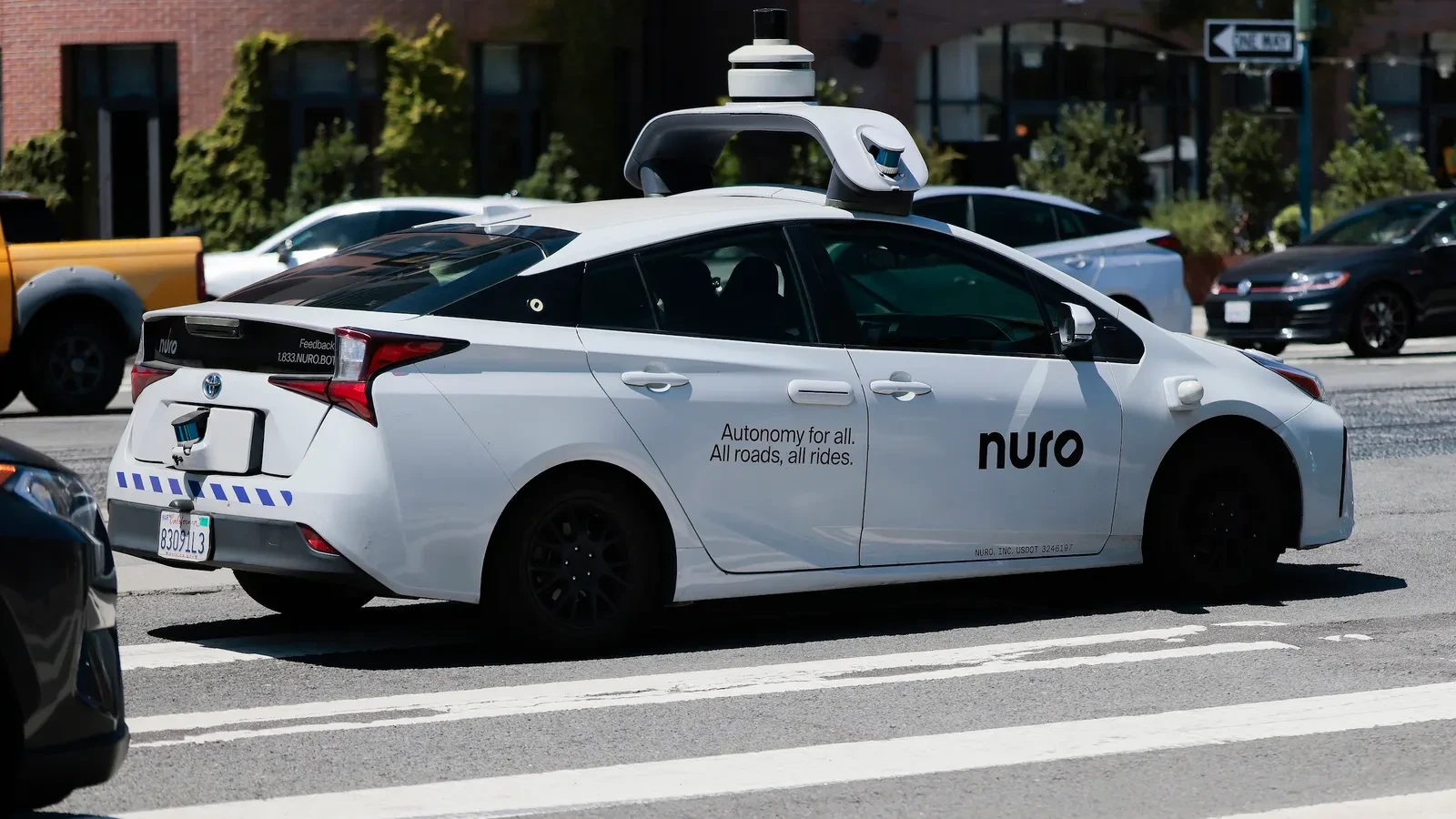
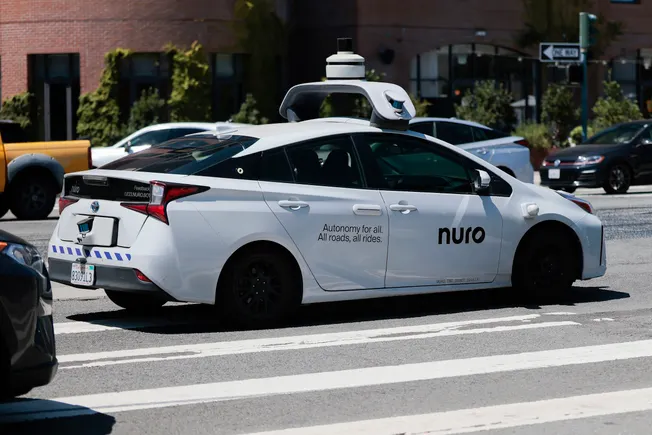
To achieve this ambitious fleet expansion, Uber has forged high-profile alliances with several leading automotive and autonomous technology developers, including Lucid, Rivian, and Nuro. Last year, Uber announced plans to deploy at least 20,000 Lucid Gravity vehicles onto its platform. Building on that momentum, the company revealed in March that it—alongside its designated fleet partners—expects to purchase up to 50,000 Rivian R2 robotaxis over the next several years, securing a steady pipeline of hardware designed specifically for ride-hailing applications.

Before commercial passenger service begins next year, Uber expects to initiate fully driverless testing with Nuro and Lucid in the current quarter. This rigorous testing phase will allow the companies to fine-tune their autonomous software and hardware stacks in complex urban environments, ensuring safety and reliability before opening the doors to everyday commuters. Following the initial commercial launches in the San Francisco Bay Area and Houston, Uber plans to expand the service to additional cities across the United States.
Market data shared by leadership suggests that consumer appetite for autonomous transit is already outpacing traditional human-driven rides in markets where self-driving vehicles are currently deployed. For the year to date, Uber’s robotaxi trip growth rose seven percentage points faster than traditional rides in key testing and deployment hubs such as Atlanta, Los Angeles, Phoenix, San Francisco, and Austin, Texas. This strong consumer adoption reinforces the company’s conviction that scaling autonomous fleets will meet an already surging market demand rather than requiring an uphill marketing battle to convince riders to try the technology.

The race to dominate the autonomous ride-hailing landscape remains fiercely competitive, with rival platforms also accelerating their own deployment timelines. During a separate earnings call on Thursday, Lyft CEO David Risher detailed his company’s ongoing robotaxi initiatives. Lyft currently offers autonomous rides in Atlanta through a partnership with May Mobility, as well as in Nashville, Tennessee, in collaboration with Waymo.
While Lyft’s footprint in Austin remains relatively small, Risher noted that the company is actively increasing the number of robotaxis operating in Nashville by the end of this year. As both Uber and Lyft ramp up their respective autonomous operations, the urban transportation landscape is poised for a rapid transformation, setting the stage for increased competition in major metropolitan markets as autonomous vehicles transition from testing grounds to everyday urban infrastructure.