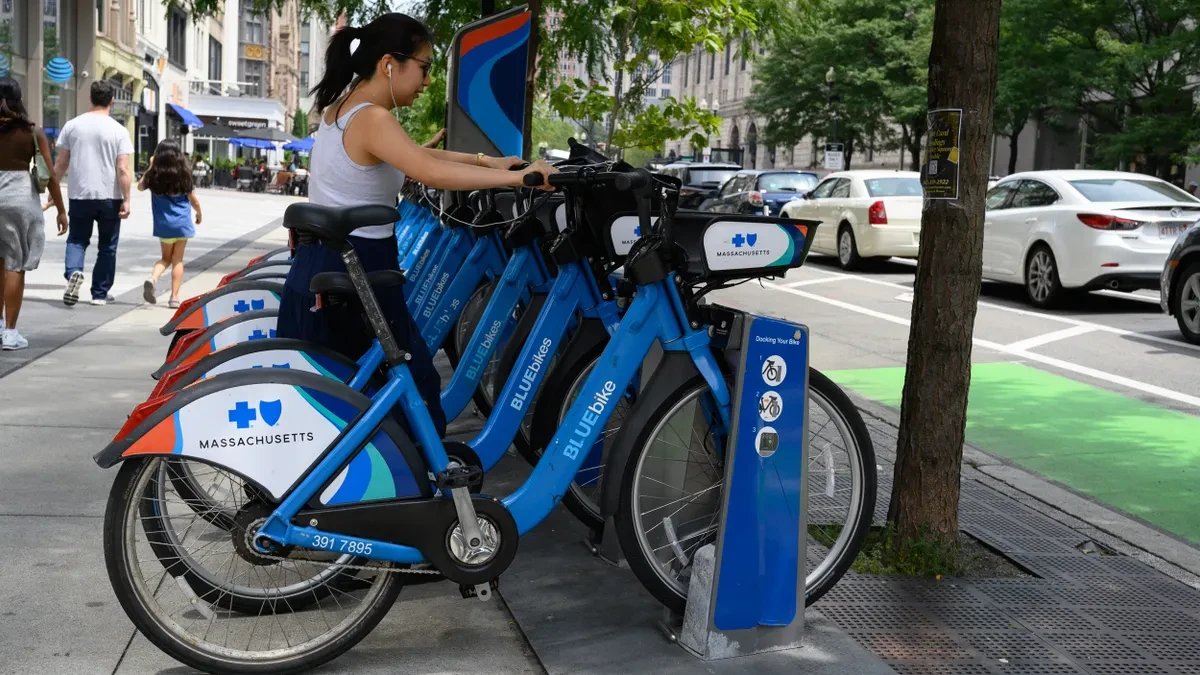
A comprehensive new report analyzing bicycle and pedestrian miles traveled across 100 cities in the United States has revealed a massive disparity in how residents utilize active transportation, finding that walking accounts for seven times more miles annually than biking.
The findings, published on November 4, 2026, offer a detailed look into urban mobility habits nationwide. According to the data compiled by Streetlight Data, walking remains the predominant form of human-powered transit in virtually every major metropolitan area evaluated, eclipsing cycling by a wide margin. Transportation and urban planning experts say the data underscores the fundamental role that active modes of transport play in everyday life, while simultaneously highlighting the persistent physical barriers pedestrians and cyclists face in car-centric environments.
The report suggests that its granular data can serve as an invaluable resource for municipal governments and transportation departments. By understanding precisely how people utilize existing infrastructure, city planners can better advocate for targeted active transportation policies, secure vital funding, and design safer roadways that accommodate non-motorized travelers.
Warm Weather and Regional Trends Shape Active Transit
Geographic and climatic factors play a significant role in determining where active transportation thrives, according to the Streetlight report. Unsurprisingly, warm-weather cities tend to favor both biking and walking due to year-round favorable conditions.
New Orleans stands out as a strong performer in both modes, demonstrating high rates of active transit usage across the board. When examining walking specifically, cities such as Anaheim, California, Tampa, Florida, and Atlanta rank among the top ten nationwide. On the cycling front, cities like Irvine, California, Orlando and St. Petersburg in Florida, alongside Gilbert and Scottsdale, Arizona, secure spots in the top ten for bicycle miles per capita.
Boston emerges as a notable standout in the analysis, ranking second in pedestrian miles per capita and eleventh in bicycle miles per capita, showcasing a strong culture of foot traffic despite its distinct seasonal weather shifts. Other prominent urban areas also make strong showings in specific categories; St. Louis and Newark, New Jersey, land among the top ten walking cities, while Philadelphia and Jersey City, New Jersey, secure spots in the top ten for biking.

The report emphasizes the broader societal stakes associated with these travel patterns. "Walking and biking are essential modes of transportation, critical to the economy, public health, climate health, equity, accessibility, and more," the report states. "Yet our roadways are primarily designed for cars and trucks, and those on foot often struggle to use these roadways."
The Spectrum of Performance and Infrastructure Challenges
While certain cities lead the nation in active transit metrics, others lag significantly behind. According to the analysis, Las Vegas, Norfolk, Virginia, and five Texas cities—Arlington, Corpus Christi, El Paso, Garland, and Irving—rank among the bottom one hundred biking cities. Meanwhile, Milwaukee, Mesa, Tucson, Arizona, and four California cities—Bakersfield, Fresno, San José, and Stockton—are counted among the bottom one hundred walking cities.
These regional disparities often reflect historical infrastructure investments, urban sprawl, and roadway designs that prioritize high-speed vehicular traffic over vulnerable road users. Transportation advocates point out that expanding active transportation options requires deliberate policy choices and sustained financial investments to make streets safer and more accessible.

However, recent federal policy shifts have injected controversy into the national conversation surrounding street safety and infrastructure design. In July, the Federal Highway Administration took actions that altered the landscape of federal guidance by removing several widely recognized safety tools from its list of proven safety countermeasures. Specifically, the agency removed bicycle lanes, road diets, speed safety cameras, variable speed limits, and speed limits tailored to vulnerable road users from the official list.
The decision has drawn swift criticism from lawmakers and safety advocates who view these infrastructure elements as essential for protecting pedestrians and cyclists.
"It’s not political to say bike lanes and speed cameras improve safety; it’s a statement of fact," said Rep. Rick Larsen, D-Wash., in an emailed statement regarding the federal policy change. Larsen is widely expected to become the chair of the U.S. House Committee on Transportation and Infrastructure in the upcoming Congress, positioning him to play a pivotal role in shaping federal transportation policy and oversight moving forward.