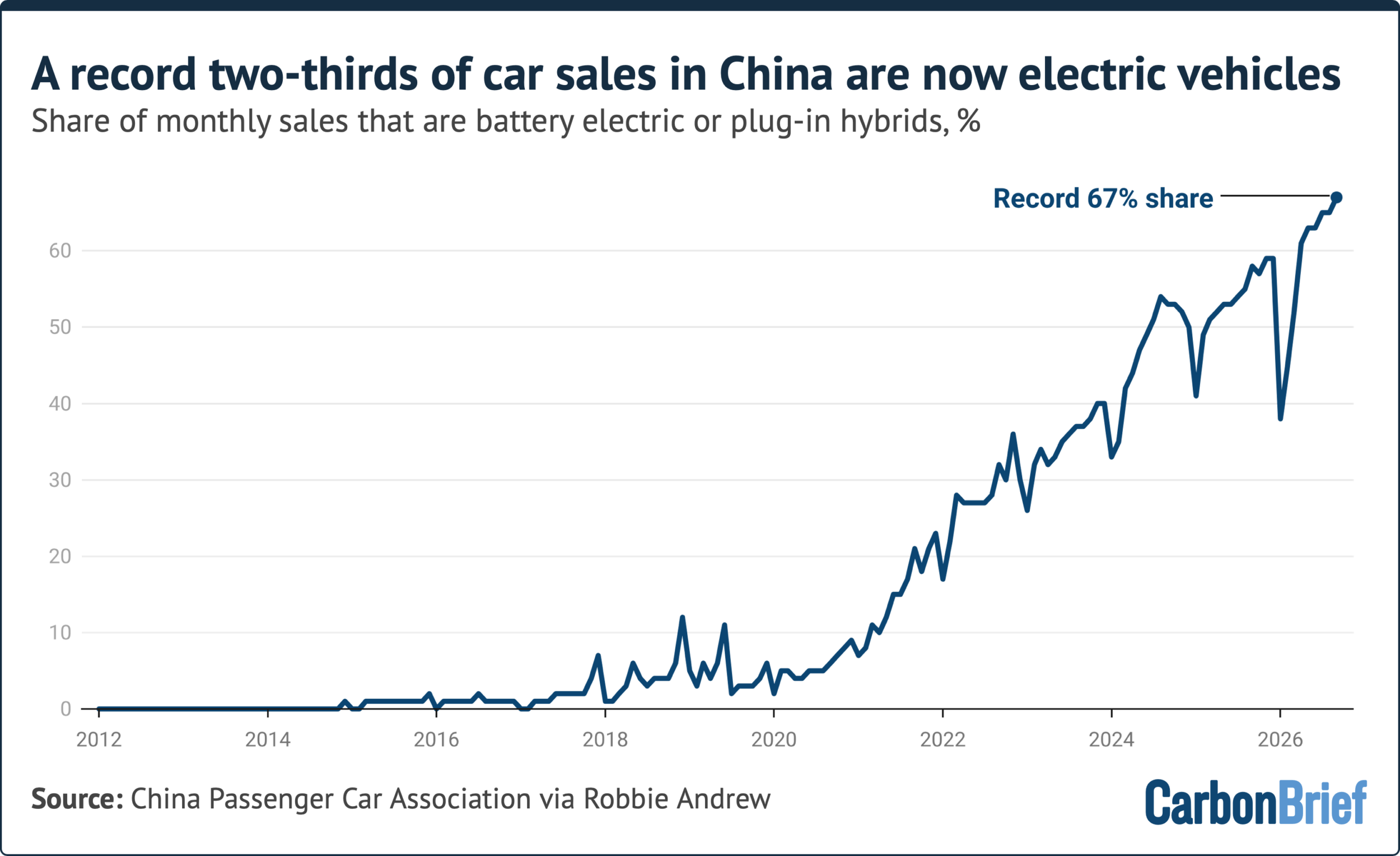
New-energy vehicles (NEVs) achieved a historic milestone in China this September, accounting for 67% of all new car sales nationwide. According to the latest data released by the China Passenger Car Association (CPCA), this record market share highlights a profound structural shift in the world’s largest automotive market, even as the absolute volume of vehicles sold experienced a temporary decline compared to the previous year.
The soaring market dominance of NEVs—a category that encompasses both battery electric vehicles (BEVs) and plug-in hybrids (PHEVs)—is largely being driven by a precipitous drop in demand for traditional combustion-engine vehicles. Industry analysts and trade associations attribute this accelerating trend directly to rising petrol prices, which have climbed sharply in the wake of the geopolitical crisis around the Strait of Hormuz.
The wider domestic passenger-car market has faced a notable slowdown throughout 2026. Passenger-car retail sales across all categories declined in September, with overall sales volumes falling by 28% compared to the same month last year. However, this contraction has impacted fuel-only vehicles with devastating severity. Sales of combustion-engine cars plummeted by 43% year-on-year in September, contributing to a 31% decline across the first nine months of 2026 as a whole.
By comparison, while NEV sales have not been entirely immune to the broader consumer slowdown—falling 17% in September and 13% across the first three quarters of the year—they have held their ground far better than their fossil-fueled counterparts. Within the NEV sector, battery electric vehicles have proven particularly resilient, recording a year-on-year drop of just 8.5% in September and a minimal 4% decline across 2026 to date. Plug-in hybrids have seen sharper drops, sliding 36% in September and 26% year-to-date, though they still comfortably outperform traditional petrol cars.
NEV Record
The September figures cement a staggering trajectory for new-energy vehicles in China. Just six years ago, in 2020, NEVs commanded a modest 6% share of new car sales. That figure climbed steadily over the intervening years, reaching an average of 58% across 2026 before culminating in September’s historic 67% high.
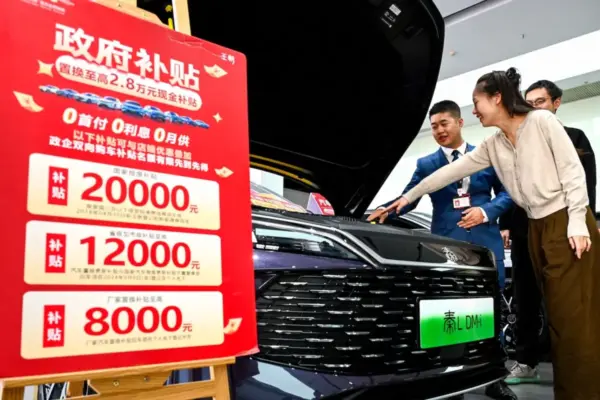
This year’s market share gains have occurred despite a challenging economic backdrop. In January 2026, NEV sales experienced a sharp contraction, dropping to a low of 39% market share after a full purchase tax exemption that had been in place for more than a decade officially expired in December 2025. Yet, the sector has rebounded aggressively, powered by government trade-in incentives, consumer fatigue with high fuel costs, and a continuous pipeline of technologically innovative new models.
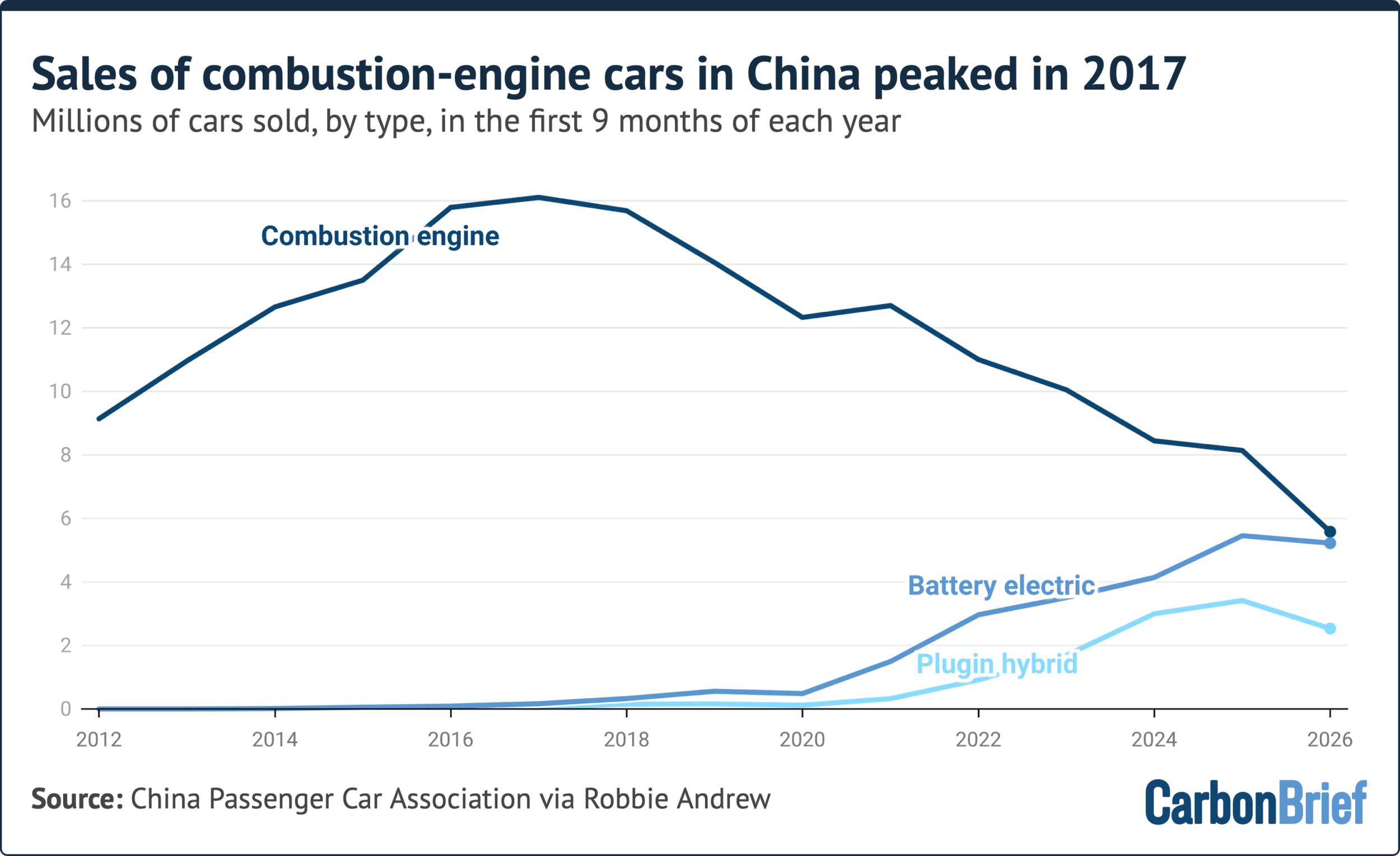
The ongoing retreat of the internal combustion engine is part of a decade-long pattern rather than an isolated anomaly. Market data clearly shows that sales of combustion-engine cars in China peaked back in 2017 and have been on a persistent downward trajectory ever since. While temporary factors—such as a high sales baseline from September 2025, holiday period disruptions, and tighter financing conditions noted by firms like Wood Mackenzie—have weighed on overall volumes, the structural transition toward electrification appears irreversible.
Impact of Hormuz
A critical catalyst accelerating this transition in 2026 has been the ongoing crisis in the Strait of Hormuz. According to reports from Chinese technology outlet OFweek, petrol cars are effectively "giving up market share" as soaring fuel costs render them economically uncompetitive against electric alternatives.
Cui Dongshu, secretary-general of the CPCA, highlighted higher petrol prices as the primary driver behind September’s weak combustion-car performance in comments to the National Business Daily. Official trade data underscores the scale of the energy shock: China’s crude oil imports for the first nine months of 2026 fell by 15% compared to the previous year. This reduction is equivalent to approximately 470 million barrels of oil, driven by tightening global supplies and surging prices resulting from Middle East conflict.
Energy analysts emphasize that China’s massive domestic electric vehicle fleet has served as a crucial shock absorber against these supply vulnerabilities. Euan Graham, a senior energy analyst at the think tank Ember, told Carbon Brief that China’s passenger NEV fleet has displaced 143 million barrels of oil since the onset of the Hormuz crisis. An independent estimate provided to the Brookings Institute by an unnamed analyst further notes that EVs accounted for roughly 12% of the total decrease in China’s domestic oil consumption following the market shock.
Erica Downs, a senior research scholar at Columbia University’s Center on Global Energy Policy, observed that the disruption in the Strait of Hormuz and the subsequent spike in global oil prices are actively "reinforcing China’s electrification of road transport." She noted that the current energy turbulence fully vindicates Beijing’s long-term strategic bet on electric vehicles, which was originally sparked decades ago by foundational concerns over national energy and oil-supply security.
Despite these tailwinds, some industry experts caution that the rapid expansion of NEV market share may soon approach a ceiling. Zhang Yichao, a partner at consulting firm AlixPartners, noted that while government trade-in policies and new model releases have cushioned NEV sales relative to combustion vehicles, he does not foresee unlimited room for further domestic penetration. In his view, NEV market share in China is unlikely to exceed 80%, as certain premium market segments and specialized industrial use cases will continue to demand internal combustion engines.
Exports Surge
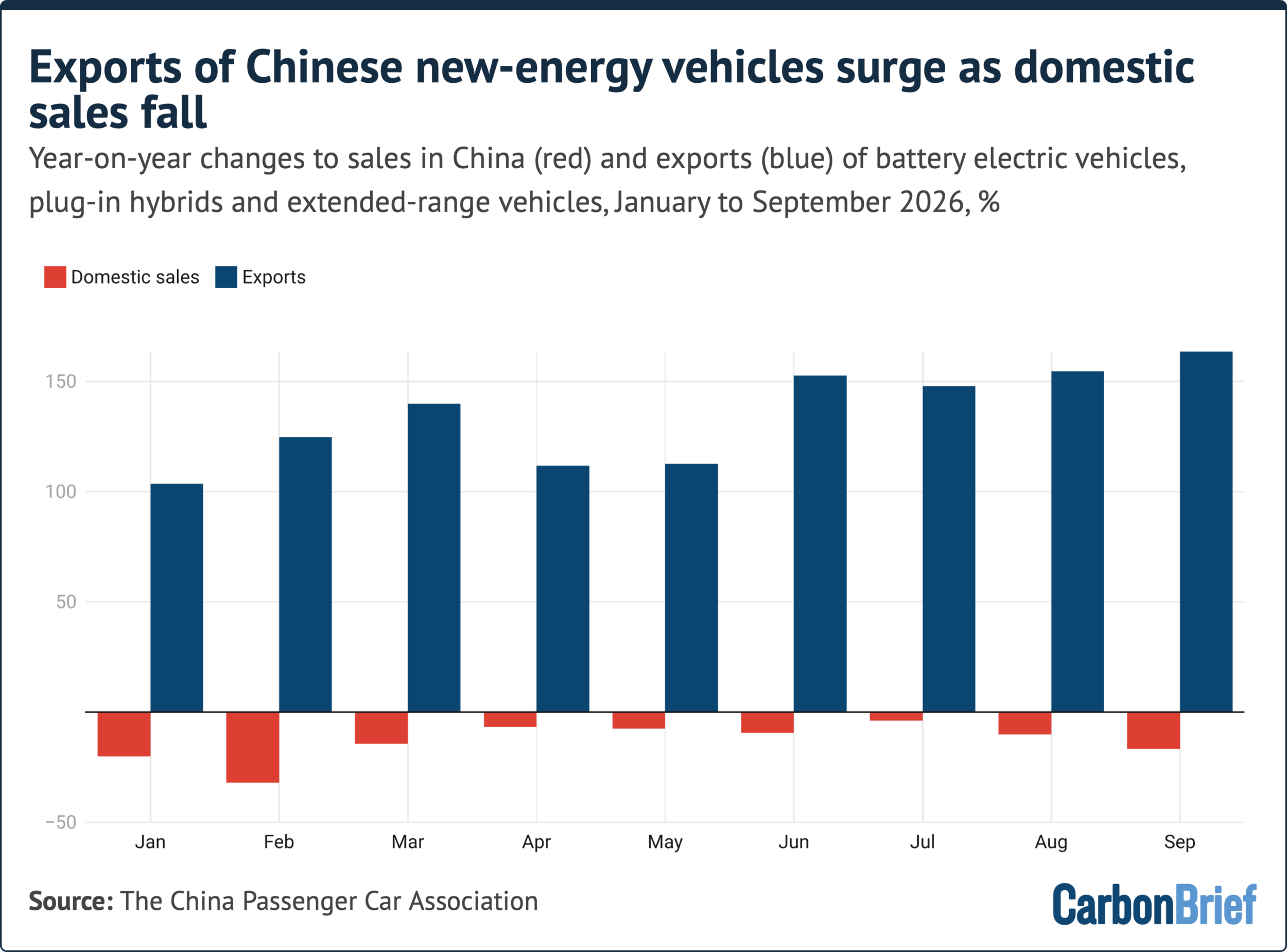
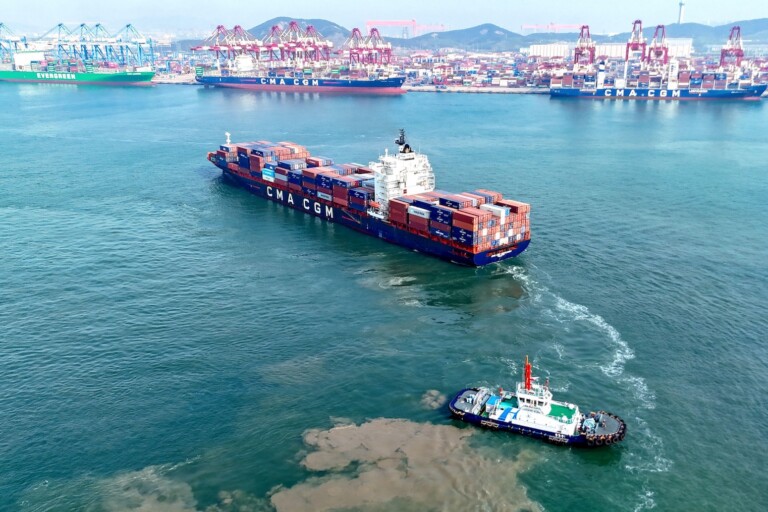
Faced with a softening domestic retail market and cutthroat price competition at home, Chinese automakers have increasingly turned their focus outward. CPCA data reveals that while domestic NEV retail sales fell by 17% in September, overseas shipments more than doubled, surging 164% year-on-year.
During the month of September, Chinese domestic showrooms absorbed 1,084,000 NEVs, while local manufacturers exported an additional 558,000 units. For many domestic carmakers, penetrating international markets has transformed from an opportunistic strategy into a core corporate priority amid saturated domestic conditions and razor-thin profit margins.
However, this aggressive export surge has encountered mounting resistance abroad. The European Union has implemented stringent tariffs on Chinese electric vehicle imports and recently moved forward with plans to restrict hybrid vehicle imports as well. Trade friction has expanded beyond Europe, with countries such as Mexico and Turkey enacting their own tariff barriers and import restrictions on Chinese-built vehicles.
At the same time, Beijing has begun introducing domestic policy adjustments that could potentially cool the export boom, including reductions to value-added tax export rebates. While industry analysts remain divided on whether these tax adjustments will have a major dampening effect or simply pass higher costs onto international buyers, the evolving regulatory landscape signals that the next phase of China’s automotive expansion will face complex international headwinds alongside shifting domestic realities.