Balancing travel and remote work has consistently proven to be one of the greatest logistical and lifestyle challenges on the road. For the modern digital nomad, the daily routine often involves a frustrating struggle: trying to carve out enough time for sightseeing while frantically searching for a quiet, reliable environment to get actual work done. No one wants to spend precious hours wandering the streets hunting for a suitable coffee shop, only to find one that is cramped, loud, uncomfortable, or plagued by an unreliable internet connection.
Historically, working from the road meant hunching over a tiny table in a noisy hostel common room or engaging in a high-stakes guessing game with an Airbnb host who swore their internet was lightning-fast—only for the tenant to discover upon arrival that it could barely load a basic email inbox. These friction points have long tested the patience of location-independent professionals.
However, as remote work has dramatically expanded in the post-pandemic landscape, an entire ecosystem of dedicated coliving spaces has emerged to bridge the gap. These venues combine the functional infrastructure of a professional coworking space with the vibrant social atmosphere of a traditional hostel, intentionally omitting the cramped, dorm-style arrangements of the past. They are specifically tailored for digital nomads who desire a comfortable, secure place to stay where they can maintain high productivity while simultaneously combating the profound isolation that often accompanies working remotely alone.
Among the various platforms operating in this sector, Outsite has grown into one of the largest and most popular networks for remote workers, establishing a robust portfolio of properties in picturesque locations around the globe. A firsthand examination of their model, including a recent stay at their Bordeaux property in France, reveals how these spaces operate, what they offer, and the critical considerations travelers must weigh before booking.
What is Outsite?
Founded in 2015, Outsite operates as a global network of integrated coliving and coworking spaces engineered specifically for remote workers, location-independent entrepreneurs, and digital nomads. The enterprise began modestly with a single house in Santa Cruz, California, created for individuals who wanted to combine surfing with professional commitments. Over the years, the network has expanded significantly, growing to encompass more than 5,000 members and a footprint of roughly 50 distinct locations worldwide.
While any traveler can book a stay at an Outsite property, the platform operates on a membership model designed to reward frequent users with enhanced perks and preferential pricing. Travelers can choose between paying an annual membership fee of $199 or opting for a lifetime membership priced at $499. Membership benefits include access to exclusive, members-only locations, a complimentary week in newly launched destinations, steep discounts during flash sales, substantial price reductions for extended stays, invitations to new member mixers, access to internal job and sublets boards, and various lifestyle perks.
The user experience is designed to be streamlined. Members and prospective guests simply navigate the digital platform, filter their search by preferred destination or specific environmental vibe—such as beachside, urban, or mountain settings—and secure a private room directly through the system.
How Does Outsite Work?
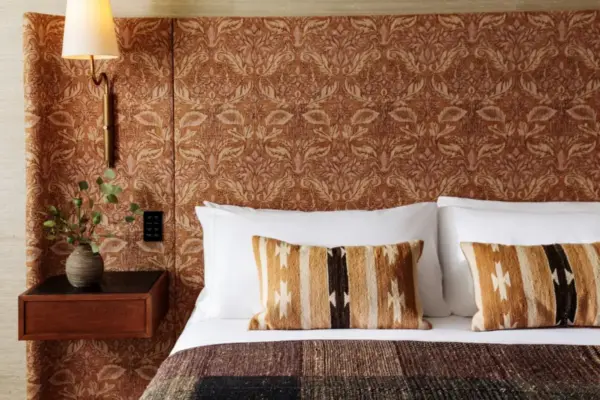
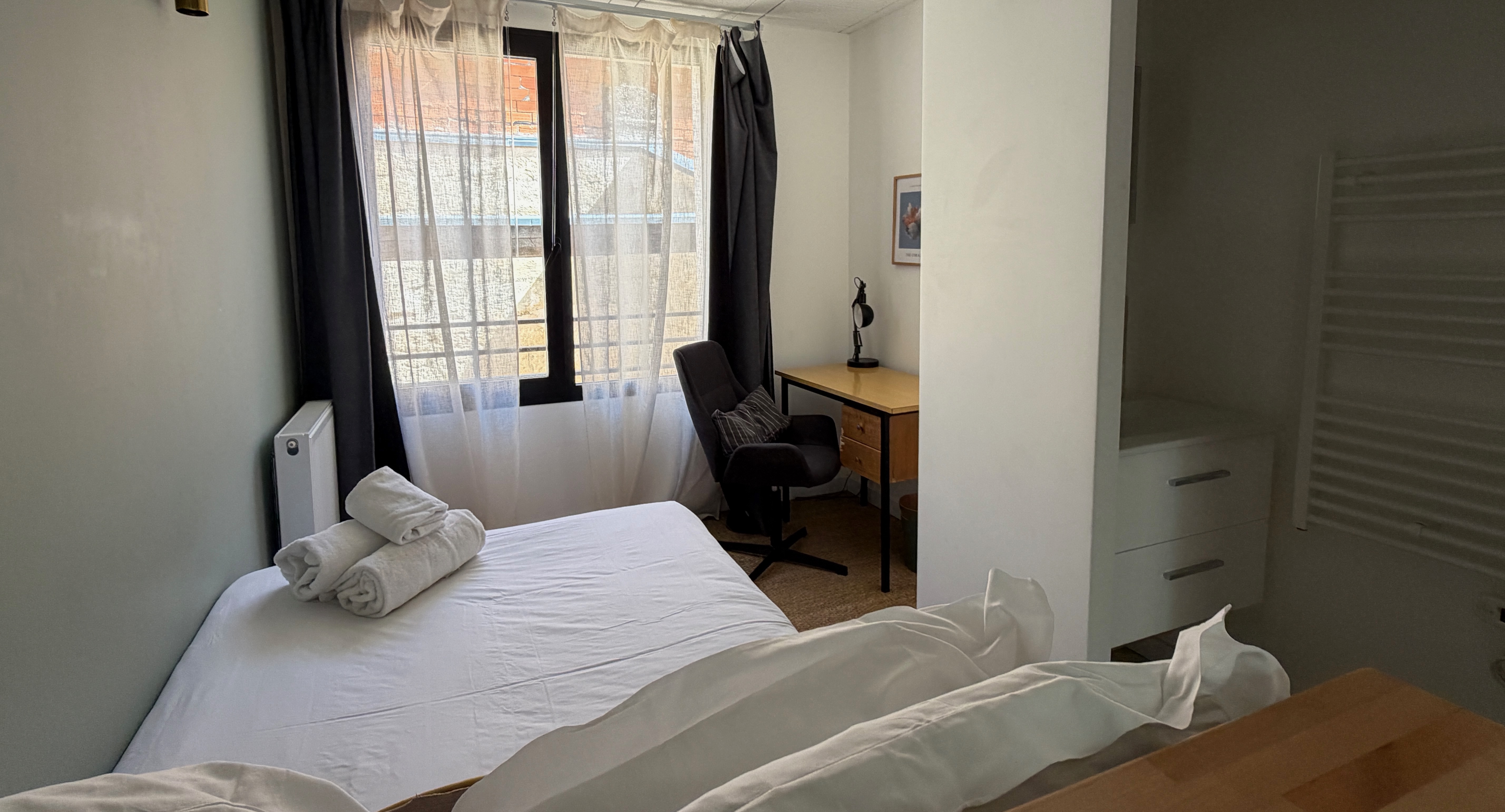
In practice, Outsite functions much like a hybrid between a boutique hotel and a professional coworking hub. When a guest reserves a space, they are booking a private bedroom. The majority of these rooms feature private en-suite bathrooms, though a selection of more budget-conscious options may involve sharing a bathroom with just one other occupant.
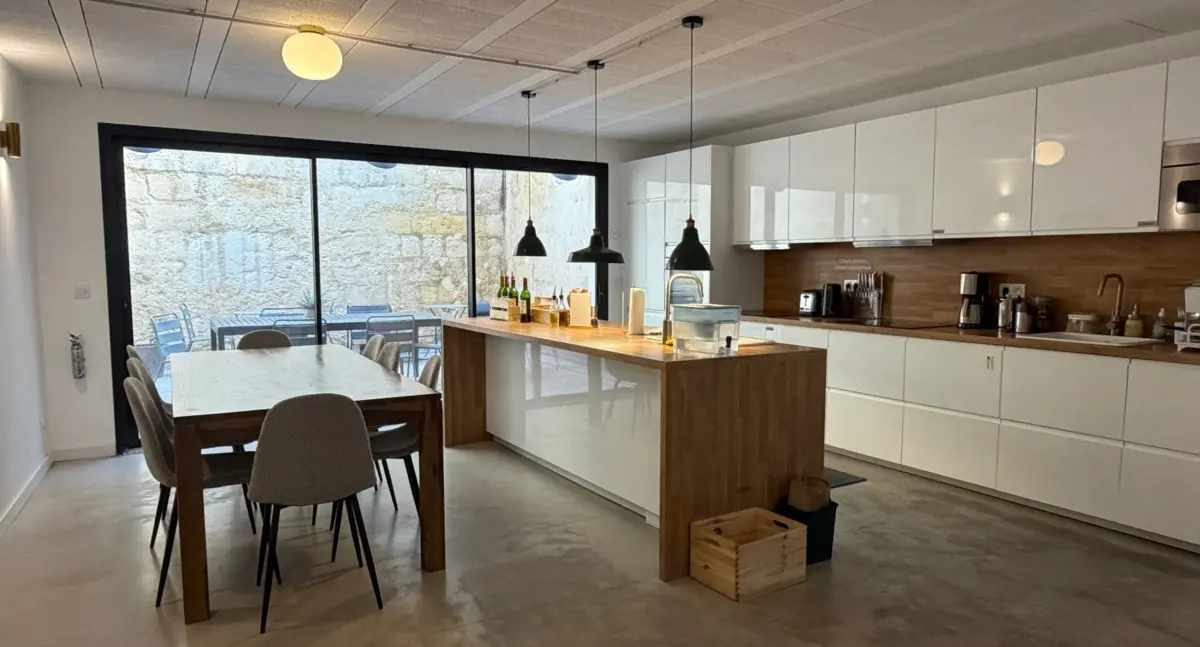
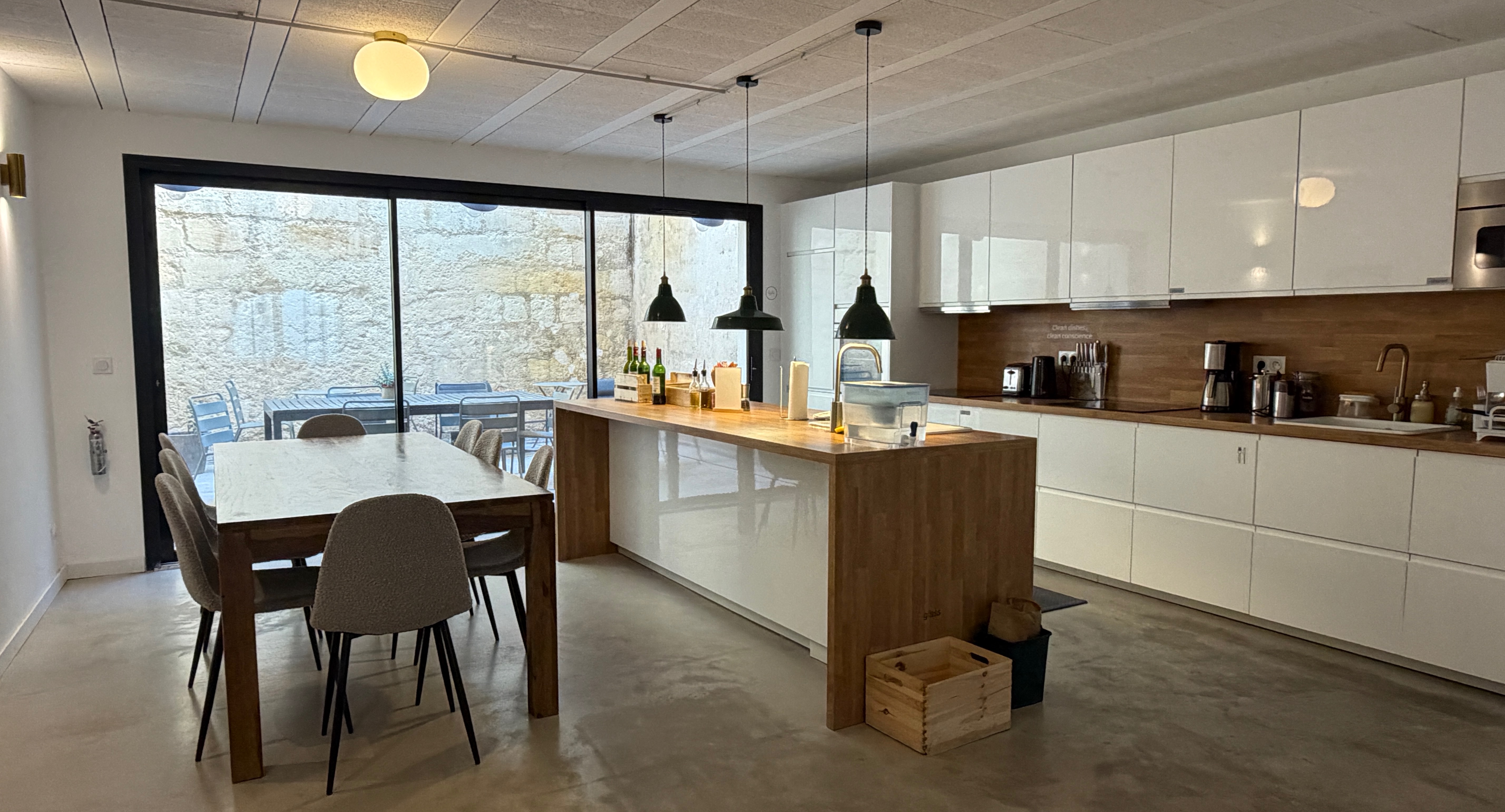
Beyond individual rooms, every property features expansive, meticulously furnished communal zones. These include fully equipped chef-style kitchens that far exceed the amenities typically found in standard short-term apartment rentals, alongside spacious living rooms, outdoor patios, and, depending on the property, rooftop decks or swimming pools.
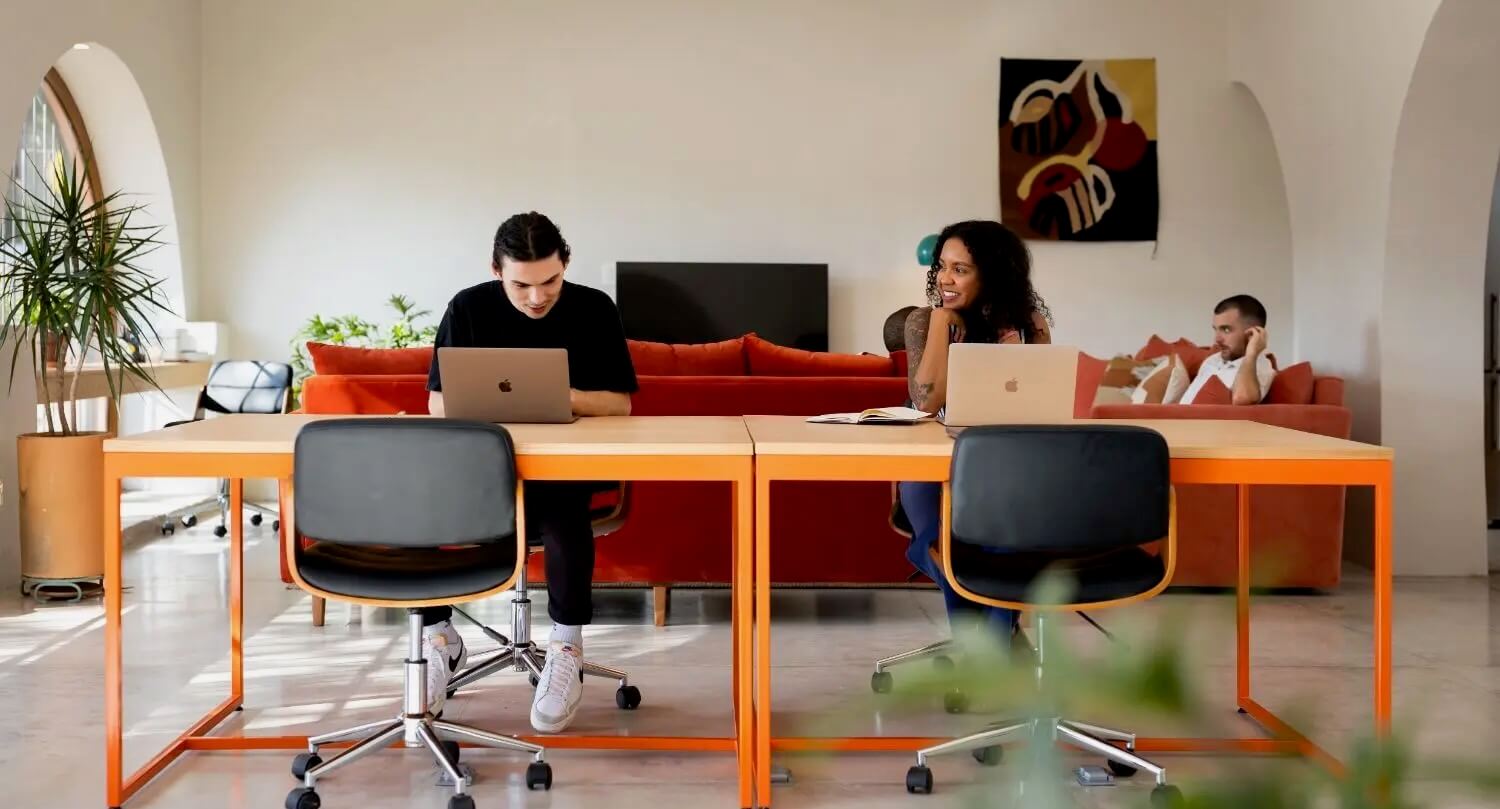
Crucially, every location integrates a dedicated coworking environment directly into the house. These workspaces are equipped with ergonomic seating, ample electrical outlets, external monitors for multi-screen setups, and enterprise-grade, high-speed Wi-Fi. This setup allows residents to transition seamlessly from morning coffee to deep professional focus within minutes of waking up.
The social dimension is managed through on-site Community Managers. Prior to arrival, guests are integrated into a local messaging group, while the management team coordinates regular social programming, such as family-style dinners, weekend excursions, Friday evening tapas crawls, and morning yoga sessions. These structured activities provide ample opportunities for networking and relationship-building.
During a stay at the Bordeaux location, the community manager served as an invaluable local resource, offering personalized dining recommendations, logistical advice, and immediate assistance with any inquiries.
The Appeal of Dedicated Coliving Spaces
The physical properties themselves offer high standards of comfort. The Bordeaux location, for instance, featured modern interior design, comfortable workspace seating, comprehensive laundry facilities, and a compact private gym. The private accommodations included dedicated desks, high-quality mattresses, and modern bathrooms equipped with strong water pressure.
Shared amenities, such as the communal kitchens, benefit from daily professional cleaning services and generous counter space, providing an environment well-suited for preparing complex meals. Complimentary coffee and tea are standard across the board. Furthermore, the interior design philosophy prioritizes natural light, indoor foliage, and locally sourced art, deliberately steering clear of the sterile, corporate atmosphere common in traditional business hotels.
Yet, for many digital nomads, the primary value proposition lies in the community architecture. Working remotely often results in a solitary existence, whether operating out of a hotel room or a quiet café, making organic social interaction difficult.
At a dedicated coliving space, residents are surrounded by peers who share similar professional lifestyles. Unlike traditional backpackers who may question why a traveler spends hours in front of a computer screen rather than exploring, fellow guests at these properties understand the dual requirement of maintaining professional output while enjoying a destination. With many visitors staying for periods of two weeks or longer, and supported by organized weekend programming, guests have ample time to build genuine rapport.
Practical Considerations and Considerations
Despite the advantages, certain practical factors require careful evaluation. Outsite properties are not positioned as budget backpacker accommodations. Travelers accustomed to paying minimal nightly rates for shared hostel dormitories in regions like Southeast Asia will find coliving spaces significantly more expensive. Guests pay a premium for private rooms, guaranteed workspace infrastructure, and curated community management. However, when calculating the combined cost of renting a standard private apartment alongside a monthly membership at an external coworking facility, the total expenditure often balances out comparably.
Additionally, high-demand properties experience rapid booking cycles. Securing popular destinations during peak seasons—such as spending the summer months in Lisbon or the winter in Costa Rica—requires planning and reservations several months in advance, leaving little room for spontaneous travel itineraries.
Frequently Asked Questions
Travelers frequently inquire about membership mandates, noting that reservations can be made without being a member. However, for stays exceeding a few days, the annual membership fee of $199 frequently offsets its cost through discounted nightly rates.
Regarding age demographics, while there is no strict upper limit, guests must meet the legal age requirement to book, usually set at 18 or 21 depending on the jurisdiction. The demographic profile predominantly attracts working professionals in their late twenties, thirties, and forties, resulting in an environment distinct from youth-oriented party hostels.
Minimum stay requirements generally start at two nights for most locations, facilitating weekend getaways, though specific urban properties subject to strict municipal short-term housing regulations may enforce thirty-day minimums. Finally, pet policies generally prohibit animals across most locations to maintain the cleanliness of shared kitchens and living spaces and to prevent potential allergen conflicts among residents.