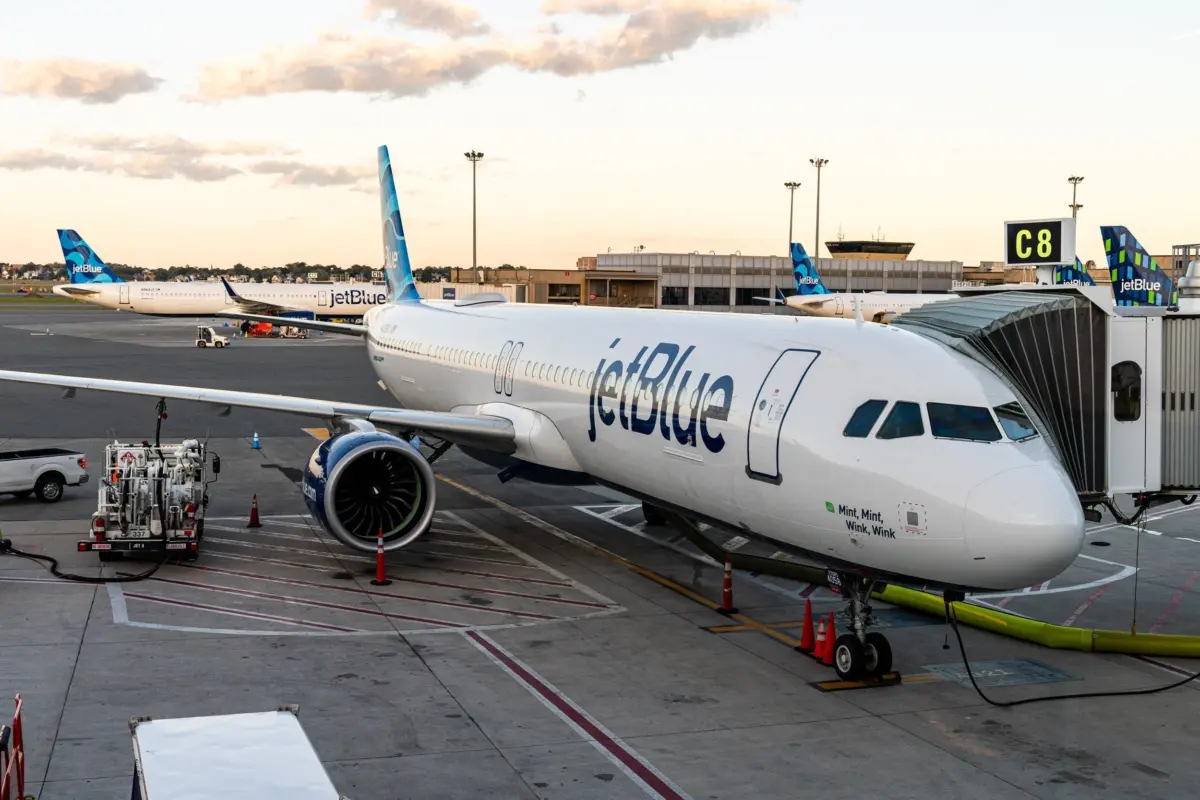
Fort Lauderdale, Florida — In developments highlighting the evolving landscape of modern aviation and regional air travel strategy, the spotlight continues to shine on major carriers and their key operational hubs. Among these, JetBlue’s presence at Fort Lauderdale-Hollywood International Airport (FLL) remains a vital cornerstone of the airline’s broader network strategy, particularly as the aviation industry navigates shifting passenger demands, operational challenges, and competitive pressures across the Southeastern United States and the broader Caribbean and Latin American markets.
The strategic importance of Fort Lauderdale as a primary operational base for JetBlue has long been recognized by industry analysts and frequent travelers alike. Serving as a crucial gateway connecting the U.S. mainland to popular leisure and business destinations, FLL offers airlines a strategic positioning that complements other major hubs in the region. For JetBlue specifically, the South Florida airport has historically functioned as a secondary powerhouse outside of its primary Northeast strongholds, enabling the carrier to capture high-volume traffic heading toward the Caribbean, Latin America, and various domestic points.
As airlines continue to refine their route maps and fleet deployments, the operational dynamics at airports like FLL reflect broader economic and industry trends. Carriers must carefully balance capacity with profitability, managing fluctuating fuel costs, labor dynamics, and airport infrastructure constraints. JetBlue’s ongoing operations in Fort Lauderdale underscore the airline’s commitment to maintaining a robust presence in key focus cities, even as the carrier undergoes strategic network adjustments nationwide.
The financial and consumer landscapes surrounding modern air travel also involve complex partnerships, particularly within the credit card and loyalty program sectors. Co-branded airline credit cards and financial partnerships play an increasingly vital role in modern carrier revenue models, providing substantial ancillary income streams that help cushion airlines against the inherent volatility of ticket sales and operational expenditures. These financial products, offered through partnerships between major banking institutions and airlines, allow consumers to earn travel rewards, frequent flyer miles, and various perks such as priority boarding, checked bag waivers, and dedicated customer service channels.

However, the intersection of commercial aviation and financial partnerships also introduces important considerations regarding transparency, consumer disclosures, and editorial independence. Financial disclosures associated with travel rewards and credit card promotions are standard practice across modern digital publishing and travel journalism. These disclosures ensure that readers and consumers are fully informed about potential commercial relationships between publishers, financial institutions, and the airlines whose products are featured or discussed. Industry guidelines and regulatory standards mandate clear communication regarding how financial products are presented, emphasizing that editorial content, reviews, and analytical opinions remain independent of commercial partnerships.
At the same time, the broader travel ecosystem continues to adapt to changing consumer expectations. Passengers traveling through major hubs like Fort Lauderdale-Hollywood International Airport encounter an increasingly digitized environment, from mobile check-in and biometric boarding processes to real-time flight tracking and dynamic baggage handling systems. Airports and airlines alike are investing heavily in infrastructure and technological upgrades to streamline the passenger journey, reduce delays, and enhance overall operational efficiency.
For JetBlue, maintaining strong operational performance at key bases like FLL is essential for preserving customer loyalty and competitive standing. The airline has built its brand identity around customer-centric amenities, including free high-speed Wi-Fi, live television, and extra legroom options compared to many of its low-cost competitors. These service differentiators, combined with an extensive route network radiating out of South Florida, help the airline maintain its distinct position in the competitive domestic and international aviation markets.
As the industry looks ahead, the strategic decisions made by carriers regarding hub operations, fleet management, and commercial partnerships will continue to shape the travel experience for millions of passengers. The ongoing developments at Fort Lauderdale-Hollywood International Airport reflect the dynamic nature of commercial aviation, where operational resilience, strategic network planning, and consumer engagement remain paramount.