
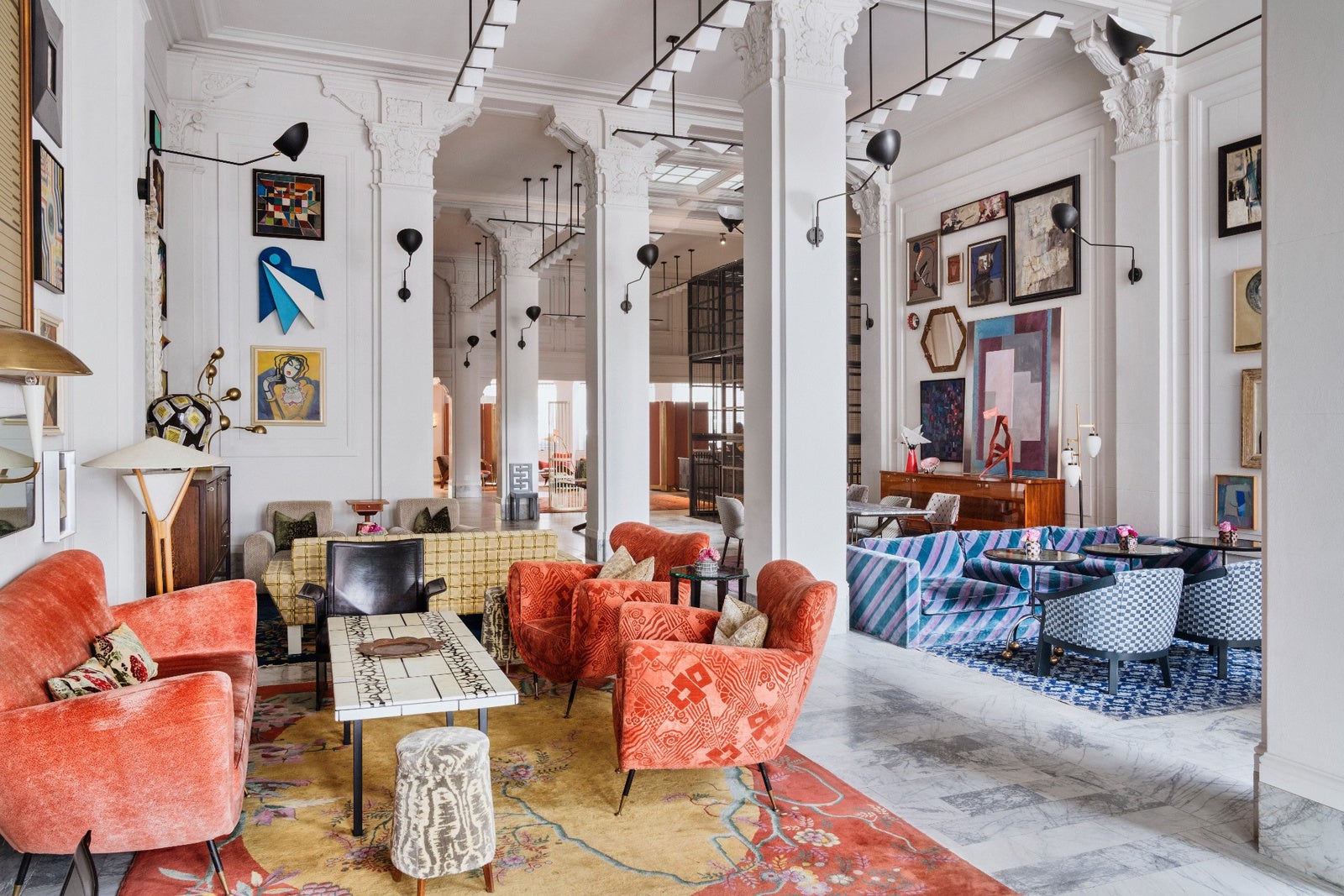
The landscape of upscale urban hospitality in Northern California continues to evolve as industry leaders highlight premier properties redefining modern aesthetic standards. Among the standout destinations capturing the attention of seasoned travelers and design aficionados alike is the San Francisco Proper, a property that marries historic architectural preservation with contemporary interior vision. As published in recent industry overviews dated November 3, 2026, the ongoing dialogue surrounding high-end hospitality emphasizes the intersection of local culture, visionary interior direction, and elevated guest experiences.
The property, situated within a carefully restored landmark building in the heart of San Francisco, serves as a prime example of how historic urban structures can be adapted for the modern traveler without losing their distinct character. In an era where generic luxury often prevails across major metropolitan areas, boutique properties affiliated with curated hospitality networks strive to offer something entirely unique. The emphasis remains on local narrative, bespoke furnishings, and an immersive environment that reflects the creative pulse of the city it inhabits.
Industry analysts note that traveler expectations have shifted significantly over recent years. Visitors looking for premium accommodations increasingly prioritize spaces that tell a story, support local artisans, and demonstrate a commitment to distinctive interior architecture. The San Francisco Proper has frequently been cited as a benchmark for this approach, utilizing eclectic yet cohesive design principles that draw inspiration from the city’s rich history, diverse artistic communities, and iconic geographic palette.
Behind these high-end hospitality choices lies a complex ecosystem of travel financing, credit card partnerships, and loyalty programs that allow consumers to navigate the luxury market strategically. Publications covering the hospitality and travel sectors often examine how consumers leverage premium credit card offerings to access upscale properties, earn elevated rewards, and secure exclusive perks during their stays. Financial transparency remains a cornerstone of these evaluations, with editorial teams maintaining strict separation between commercial partnerships and independent journalistic assessments.
As part of standard disclosures in contemporary travel journalism, media outlets routinely outline the financial relationships that support digital publishing platforms. Credit card products featured alongside travel reviews and destination highlights typically stem from strategic partnerships where publishers receive compensation when readers are approved through site links. Industry observers stress that while these partnerships influence the placement and visibility of specific financial products, they do not dictate editorial opinions, product ratings, or the rigorous methodologies applied by review teams.
Furthermore, editorial policies across reputable travel publications explicitly state that all expressed opinions regarding hotels, destinations, and financial products belong solely to the authors and reviewing staff. These viewpoints are independent of any bank, credit card issuer, airline, or hotel chain, ensuring that consumers receive unbiased perspectives on where to stay and how to fund their travel experiences. Editorial review methodologies typically involve comprehensive assessments, adherence to strict advertising policies, and a commitment to transparency regarding promotional content.
The broader conversation surrounding properties like the San Francisco Proper also highlights the resilience and continuous reinvention of the urban hospitality market in Northern California. Despite shifting economic landscapes and changing travel patterns, downtown destinations continue to adapt by offering curated environments that appeal to both corporate travelers and leisure tourists seeking inspiration. The emphasis on localized design, exceptional service, and integration with the surrounding neighborhood remains vital for properties aiming to maintain relevance in a competitive global market.
Travelers navigating the current hospitality landscape are encouraged to consult comprehensive reviews, verify promotional terms directly with issuers and properties, and remain informed about the nuances of travel rewards programs. As the industry moves forward through late 2026 and beyond, the fusion of striking architectural design, thoughtful interior curation, and transparent travel journalism will undoubtedly continue to shape how people explore premier destinations around the world.