Farmers across Europe are reckoning with the severe agricultural fallout of a summer defined by relentless heat, prolonged droughts, and destructive wildfires. As the continent enters the post-summer recovery period, agricultural communities are tallying the profound losses inflicted on staple crops. These climate-driven extremes, heavily exacerbated by human-caused greenhouse gas emissions, are injecting unprecedented volatility into the global food supply chain, threatening producer livelihoods, and pushing food prices to heights not seen since early 2023.
The impacts of this year’s extreme weather have spared few regions. In the Netherlands, farmers have harvested stunted potatoes, while agricultural workers in France have grappled with severely reduced carrot yields. In Italy, vital rice fields have dried up due to critically low water supplies, and across the Mediterranean, intense heat and wildfires have scorched historic olive groves. According to the United Nations Food and Agriculture Organization (FAO), global food prices remain elevated due to a toxic mix of extreme heatwaves and volatile energy price dynamics. Compounding these pressures are geopolitical and logistical bottlenecks, such as blocked fertilizer supplies in the Strait of Hormuz and persistently high fuel costs, which continue to squeeze agricultural outputs from planting to harvest.
Data from the European Commission and agricultural think tanks reveal a sobering snapshot of how this summer’s extreme weather has battered crop production and yields across the continent, reinforcing the urgent need for long-term climate adaptation strategies within the agricultural sector.
Most EU Countries Expect Declines in Cereal Production
Projections from the European Commission indicate that France will bear the brunt of the cereal production losses this year. The nation, widely recognized as the agricultural powerhouse of the European Union, is expected to see its cereal production—encompassing wheat, barley, and oats—drop by nearly eight megatonnes (Mt) compared to 2025.
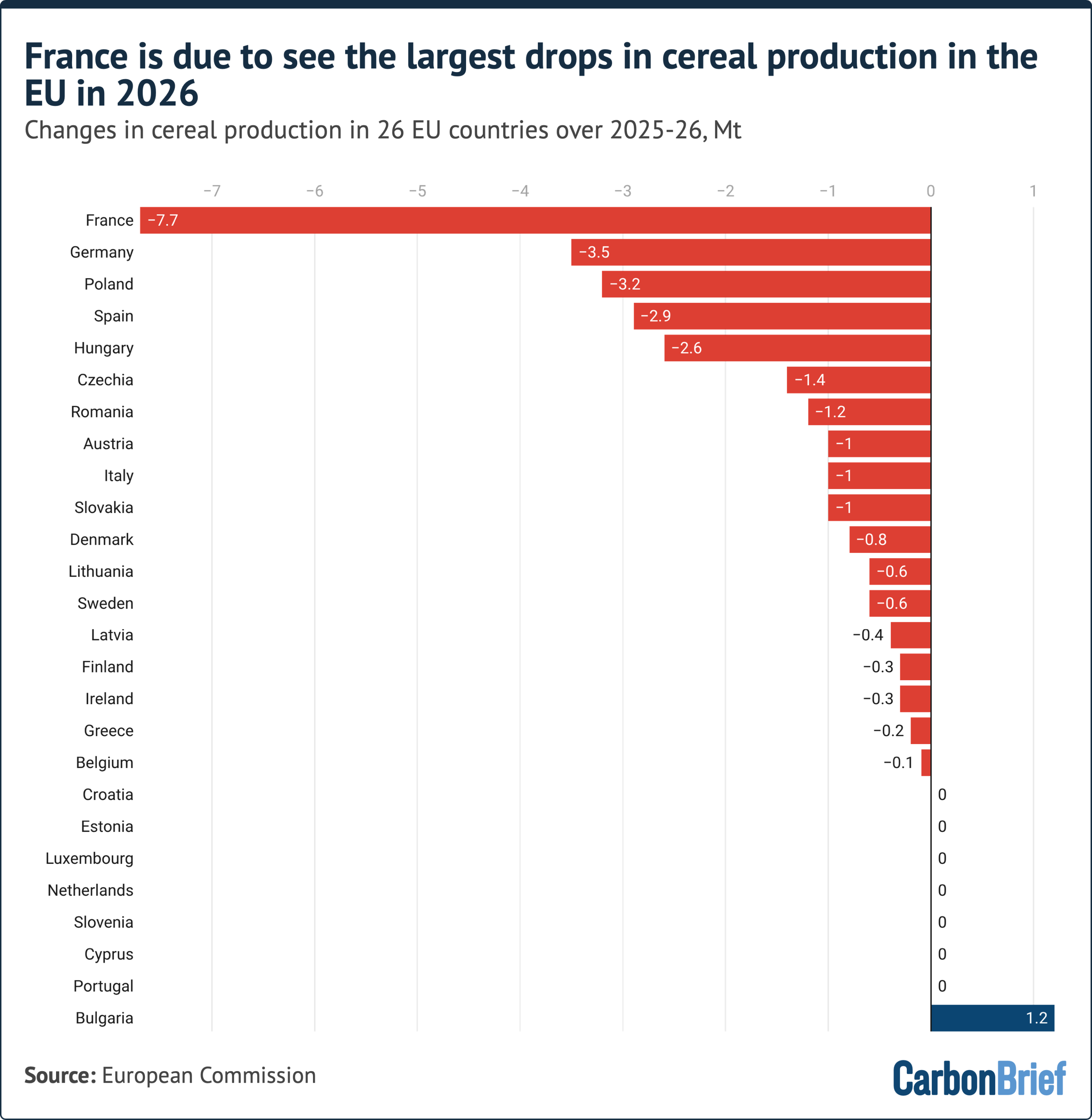
Across the European Union, nearly all member states are recording production losses, with Bulgaria standing out as a notable exception. Germany is projected to suffer the second-largest decline in absolute volume, with output dropping by nearly four megatonnes compared to the previous year.
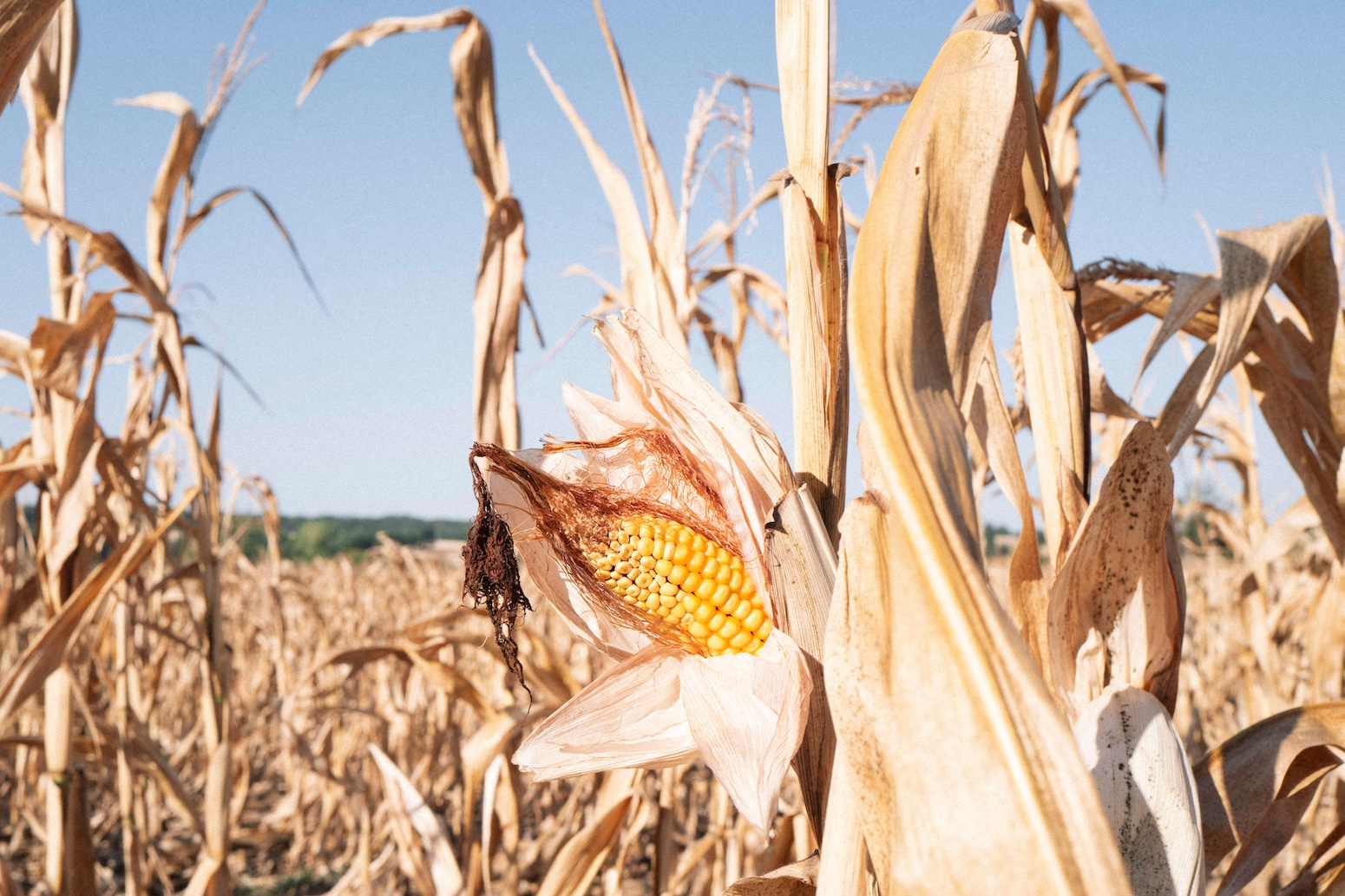
Prof. Til Feike, a cropping systems expert at the Julius Kühn-Institut, noted that vast agricultural areas in Germany, Austria, and neighboring European countries have been severely impacted by long-lasting dry spells coupled with record-breaking heatwaves. This dual assault has turned vital grasslands into desiccated terrain, while simultaneously devastating yields of maize, which serves as an essential fodder crop for livestock. Feike emphasizes that in the long run, agricultural practices must undergo a fundamental transformation to adapt to increasingly erratic weather patterns. Because farming regions face risks from both prolonged droughts and excessive wet periods, experts stress that there is no single, universal solution for climate change adaptation.
Most Countries Record Substantially Reduced Crop Yields
The compounding effects of scorching temperatures and acute water scarcity have drastically downgraded crop expectations across western and central Europe. A recent bulletin issued by the EU Joint Research Centre warns that agricultural yields are slated to see significant reductions, making local crop failures increasingly likely in vulnerable agricultural hubs such as France, southern Germany, northern and central Italy, and Hungary.
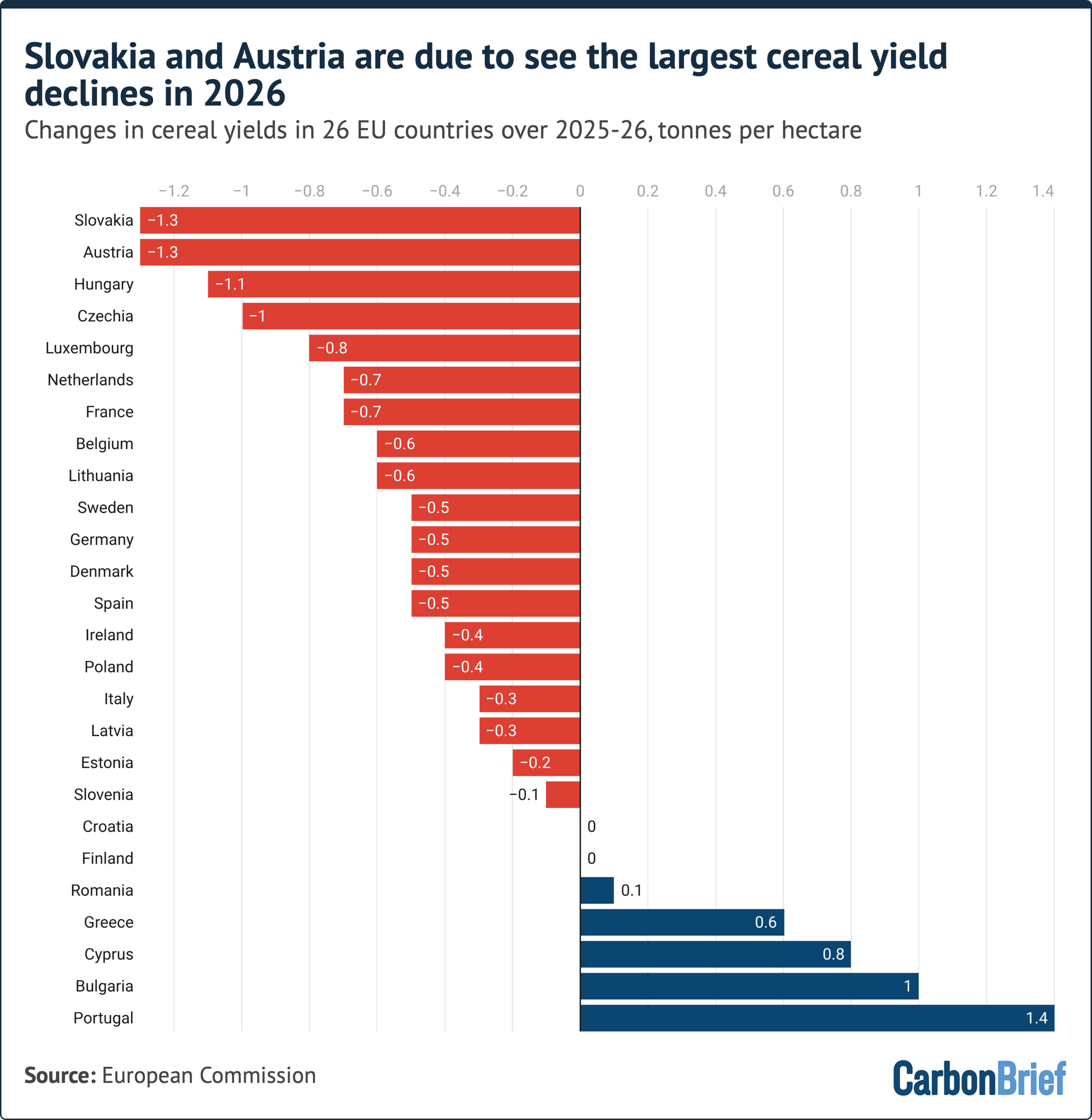
Cereal yields—measured as the weight of grain harvested per hectare of land—are projected to fall across the vast majority of EU member states. Slovakia, Austria, and Hungary are bracing for the most drastic contractions, with cereal yields expected to drop by more than one tonne per hectare compared to 2025. Conversely, regions that rely heavily on robust irrigation systems faired better. The EU bulletin highlighted that irrigated crops in Portugal performed well over the summer, driving the country to record the largest yield increases in the bloc. However, non-irrigated crops reliant entirely on seasonal rainfall showed mounting and irreversible signs of heat stress.
Massive Cereal Losses Stemming from the June Heatwave
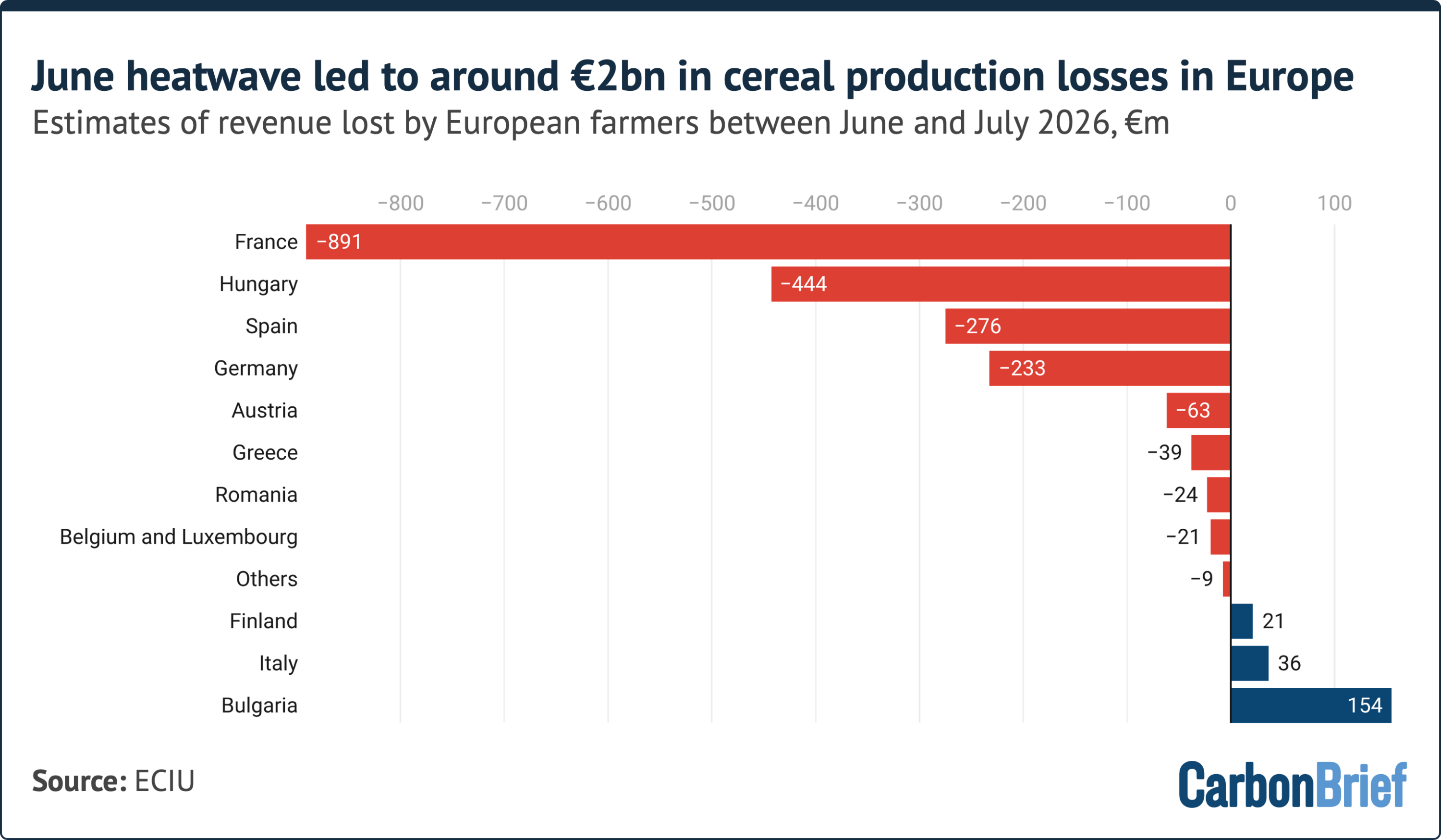
A record-shattering heatwave that enveloped large swaths of Europe in June left a deep financial scar on the agricultural sector, contributing to an estimated €2bn to €2.3bn in cumulative grain production losses. Scientific rapid climate attribution studies have underscored that the extreme June temperatures in western Europe would have been virtually impossible without the influence of climate change. The month was officially recorded as the hottest June in western Europe’s history and the second-warmest globally.
The Energy & Climate Intelligence Unit (ECIU), an independent think tank, analyzed grain forecasts published in June and July by Coceral, a prominent European grain traders association. By calculating the difference in harvested tonnage between the two months and applying projected harvest delivery prices across 28 European countries, the ECIU quantified the vast economic toll. The analysis revealed that four major grain-producing nations—France, Germany, Hungary, and Spain—accounted for a staggering 86% of the total lost revenue.
The economic fallout extends far beyond the farm gate. Broader macroeconomic assessments, such as research published by Triodos Bank, suggest that this summer’s extreme weather events could wipe out approximately 1% of the European Union’s gross domestic product this year, translating to roughly €180bn in broader economic losses.
UK Harvest on Track for Historic Lows
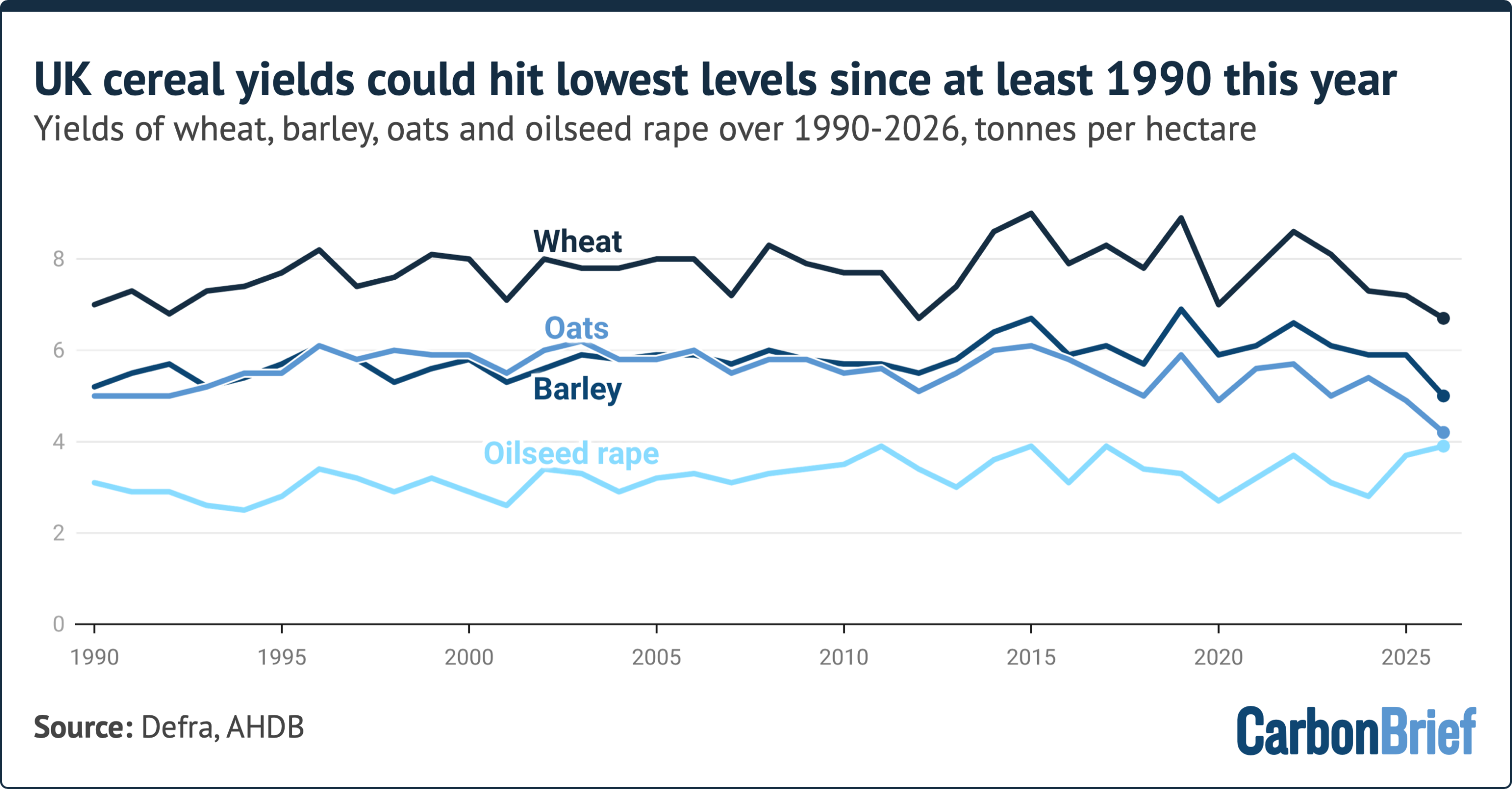
In the United Kingdom, agricultural surveys indicate that if current trends persist, average yields for cereals and oilseeds will result in the worst harvest since detailed records began in 1984.
Data compiled from harvest progress surveys by the Agriculture and Horticulture Development Board (AHDB)—a public body providing vital data to the UK government—show that barley yields could drop by 15%, oats by 14%, and wheat yields by 6% year-on-year. The ECIU noted that even if weather conditions stabilize late in the season, 2026 is cemented as one of the five worst harvests on record for the country. Notably, four of the five worst harvests in modern UK history have now occurred within the span of the past decade.
This persistent volatility has direct implications for everyday consumers. Industry leaders, including Nationwide Produce chairman Tim O’Malley, have warned that shoppers are likely to face inflated grocery prices and smaller produce sizes on supermarket shelves. While certain specialty crops, such as berries, initially thrived under the intense sunshine and registered bumper harvests, agricultural experts have raised concerns that plants may soon experience severe exhaustion from heavy cropping during the peak heatwaves, leading to a late-season drop in production.
French Maize Production Plummets to a Four-Decade Low
France has faced some of the most acute disruptions from this summer’s climate extremes, recording more than 7,300 excess deaths during successive heatwaves and watching hundreds of weather stations surpass the 40°C threshold. As the European Union’s leading agricultural producer, France’s localized crop failures carry continent-wide weight.
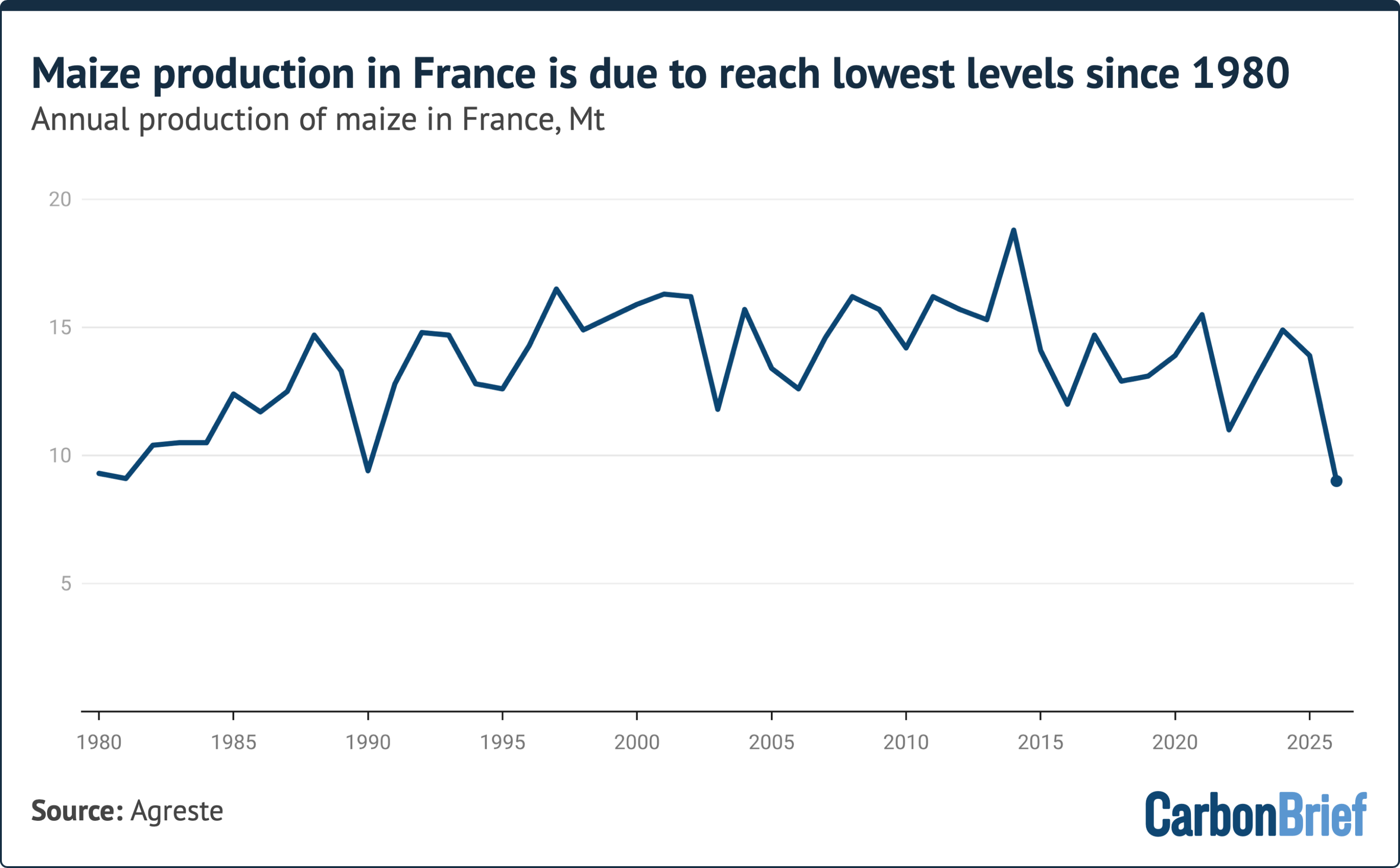
Maize production in the country is projected to collapse by more than one-third compared to the previous year. According to data from Agreste, the statistical service of the French Ministry of Agriculture, this steep decline will push national maize production down to its lowest level since 1980.
The blistering heat also triggered a cascade of disruptions in viticulture. Winemakers across various French regions reported record-early grape harvests beginning as early as mid-July. While early harvesting can alter traditional wine profiles, industry insiders warn that the accelerated ripening yielded smaller, less juicy grapes, ultimately resulting in lower overall wine volumes for the vintage.
Broader EU Grain Deficits and Long-Term Challenges
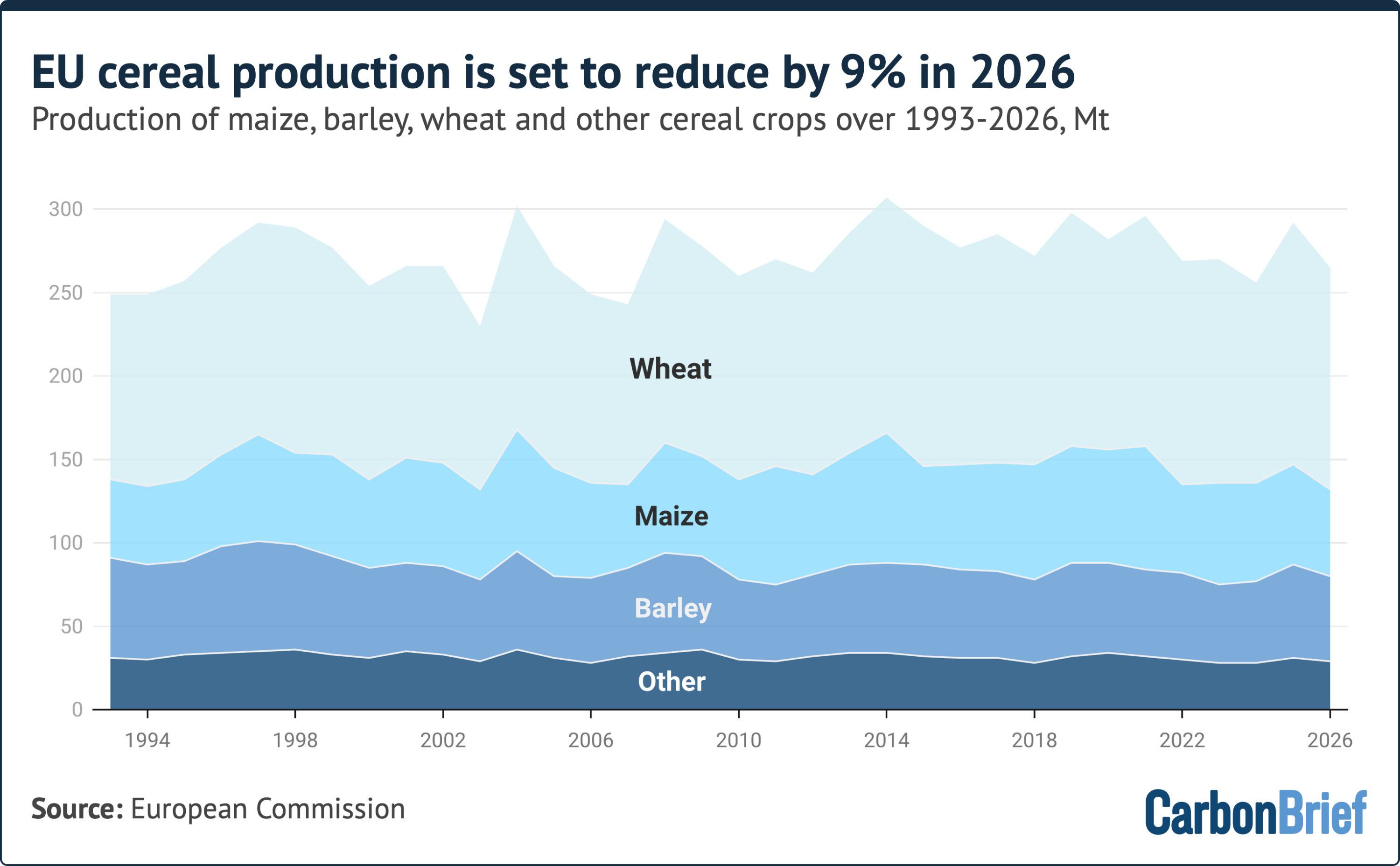
When viewed at the continental level, European Commission data paints a stark picture of declining output for the agricultural sector. Overall cereal production across the EU is on track to fall by 9% compared to 2025, marking the second-lowest production level recorded in the past decade, surpassed only by the downturn in 2024.

Maize remains the hardest hit among cereal crops, with projections pointing to a 13% drop that will reduce total output to 52 megatonnes—the lowest level observed in the European Union since 2007. As farming communities and policymakers digest the cumulative data from a grueling summer, the recurring shocks to cereal production, livestock fodder availability, and fresh produce yields underline an inescapable reality. Without accelerated, comprehensive investments in climate resilience and adaptive farming infrastructure, Europe’s agricultural sector will remain exceptionally vulnerable to the escalating frequency of extreme weather.