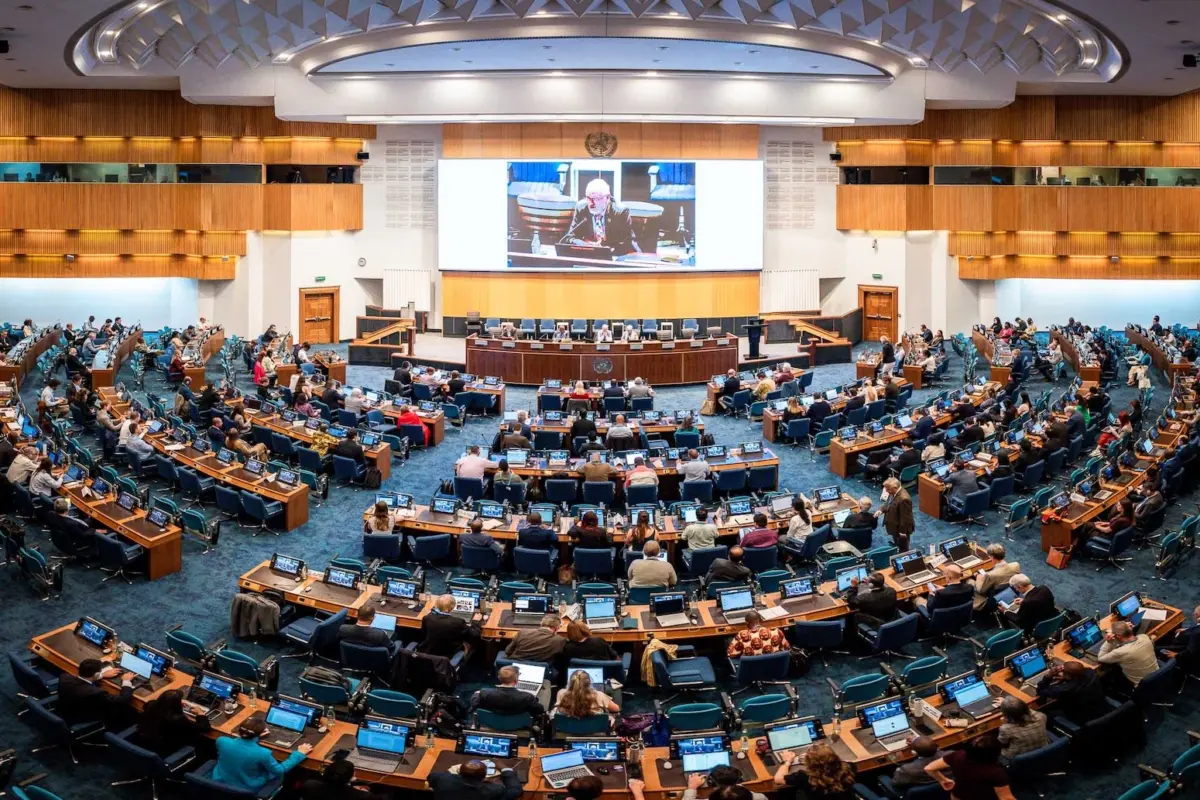
Global climate negotiations have stalled for the sixth consecutive time as countries failed to reach an agreement on the publishing schedule for the Intergovernmental Panel on Climate Change’s (IPCC) upcoming seventh assessment report (AR7). The breakdown occurred during the IPCC’s 65th session (IPCC-65) in Addis Ababa, Ethiopia, a gathering many viewed as the final window of opportunity to synchronize the scientific body’s timeline with the United Nations’ second "global stocktake" of climate action scheduled for 2028.
Before the week-long summit began, IPCC chair Prof Sir Jim Skea warned that ensuring the comprehensive reports were published in time for the 2028 stocktake required a formalized timeline agreement by the end of 2026. However, bitter and intractable disagreements among government delegations derailed the proceedings. By Friday evening, Prof Skea was forced to suspend the talks indefinitely, leaving the schedule unresolved and plunging the organization into a severe financial crisis after governments also failed to approve the budget for the remainder of the AR7 cycle.
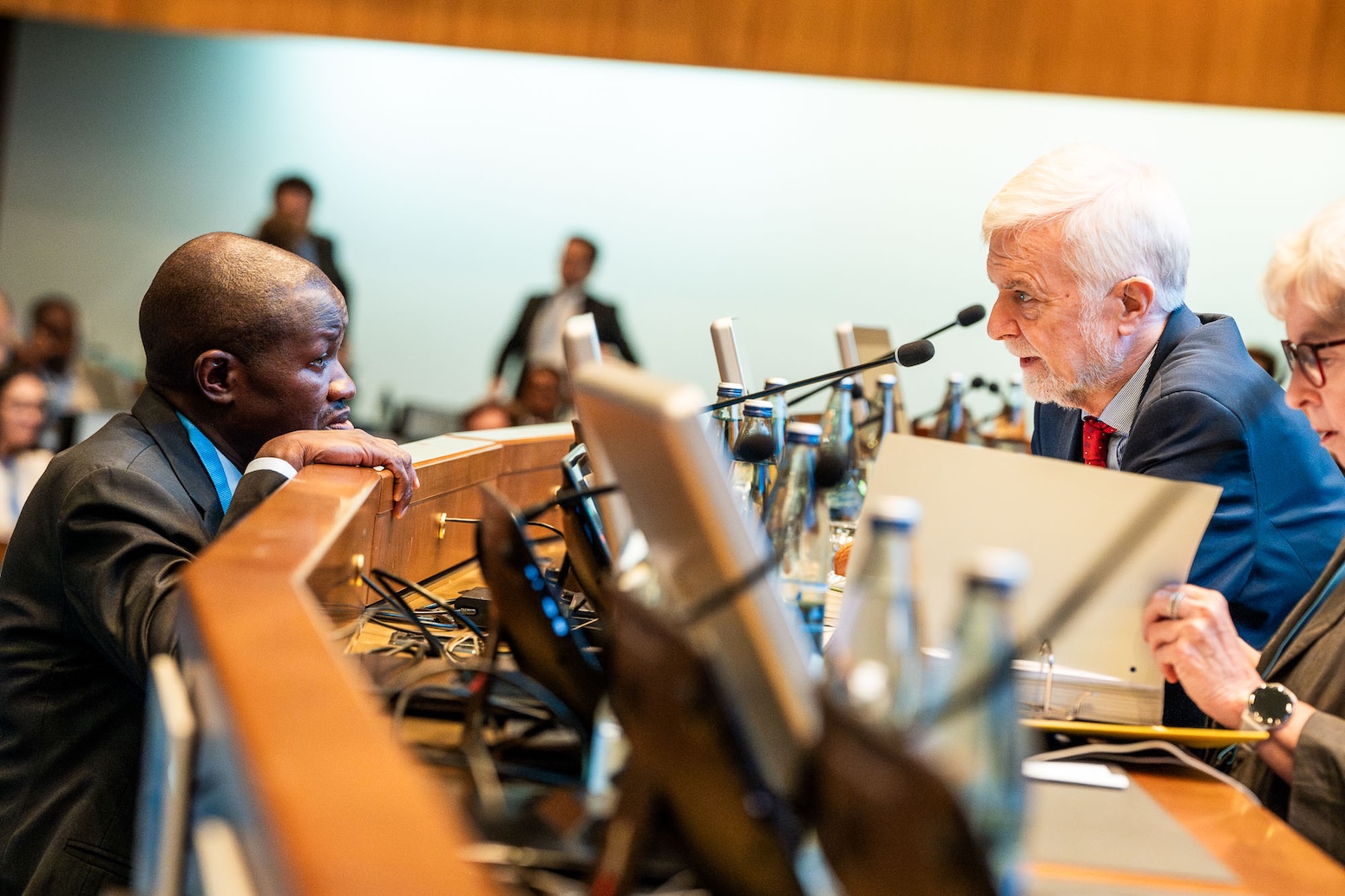
Describing the Addis Ababa summit as a "profound disappointment" and among the most difficult sessions in the panel’s history, Prof Skea noted that continuing the meeting had become untenable after several developing country delegations and small-island representatives departed early. The collapse of the negotiations has triggered widespread dismay among vulnerable nations and climate scientists, who warn that delaying the integration of vital scientific assessments into global policy decisions could severely undermine international climate action.
Timeline Options and Deepening Divisions
At the heart of the Addis Ababa agenda was the debate over the work plan for the three AR7 working group reports, which cover physical climate science (Working Group I), impacts and adaptation (Working Group II), and mitigation (Working Group III). Despite drafting processes being well underway, member nations have remained sharply divided across six consecutive meetings held since 2024, including prior sessions in Istanbul, Sofia, Hangzhou, Lima, and Bangkok.
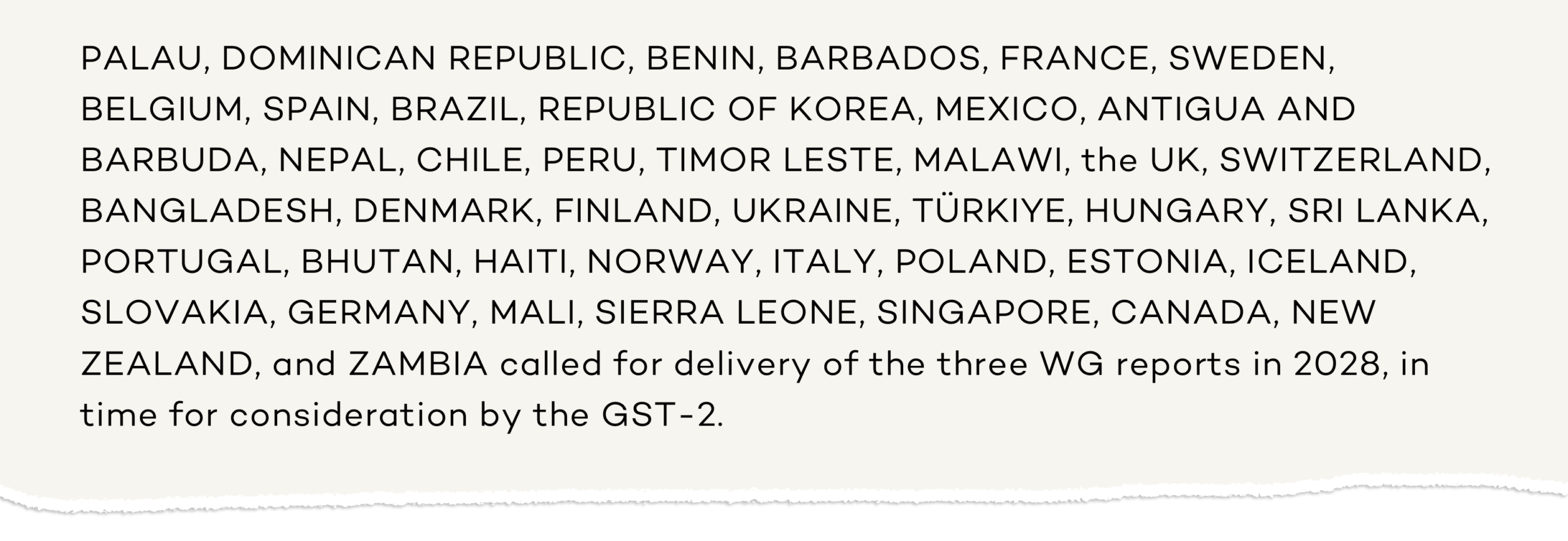
Countries have split into two distinct factions. One coalition, led by developed nations and climate-vulnerable small-island developing states, advocates for all three working group reports to be finalized and published by 2028. They argue that this timeline is critical to inform the second global stocktake—a cornerstone of the Paris Agreement designed to evaluate collective global progress and guide future national emissions targets and climate finance commitments.
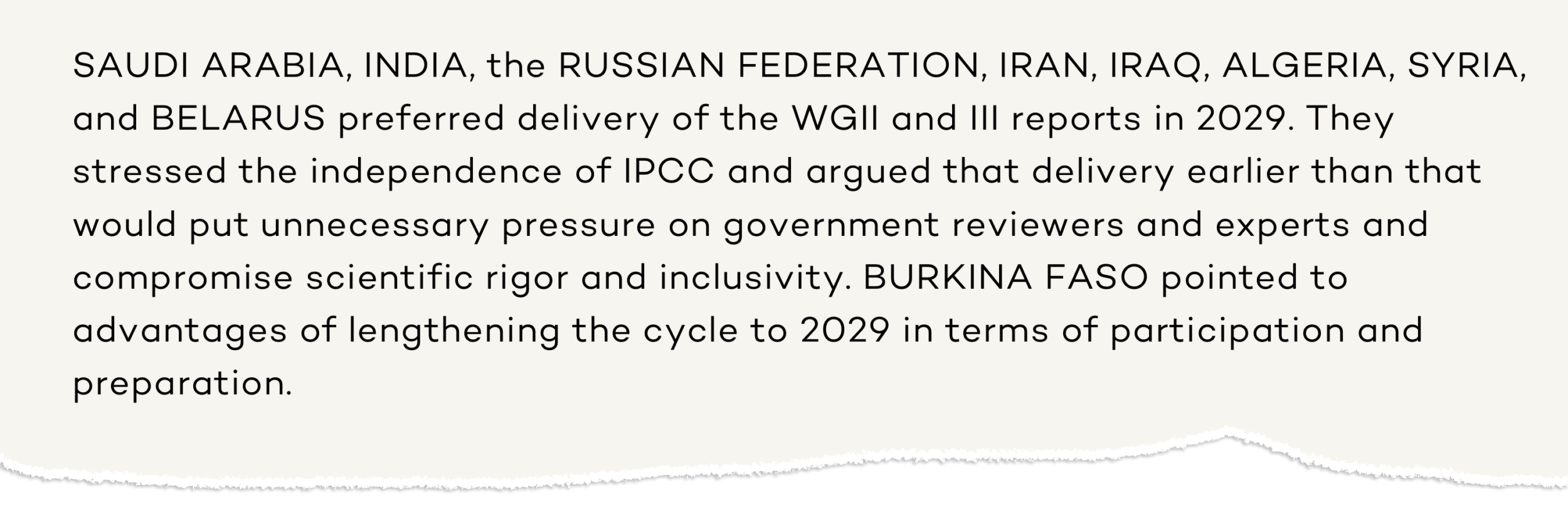
Conversely, a bloc comprising countries such as India, Kenya, Russia, and Saudi Arabia has strongly pushed for a schedule where the impacts and mitigation reports are published after the 2028 stocktake. These nations have maintained that developing countries require significantly more time to adequately prepare, review, and approve the complex working group literature. Iran and Iraq echoed these concerns, emphasizing the absolute necessity of participating in IPCC processes on an equal footing with wealthier nations.
Ahead of the Addis Ababa plenary, the IPCC secretariat outlined three primary timeline proposals. Option 1, originally formulated by working group co-chairs in Sofia, proposed approvals for Working Group I in May 2028, Working Group II in June 2028, and Working Group III in July 2028. Option 2, revisited in Lima, shifted Working Group II to July 2028 and Working Group III to September 2028. Option 3, based on submissions from India and Saudi Arabia, stretched the timeline further, placing Working Group II approval in April 2029 and Working Group III in July 2029.
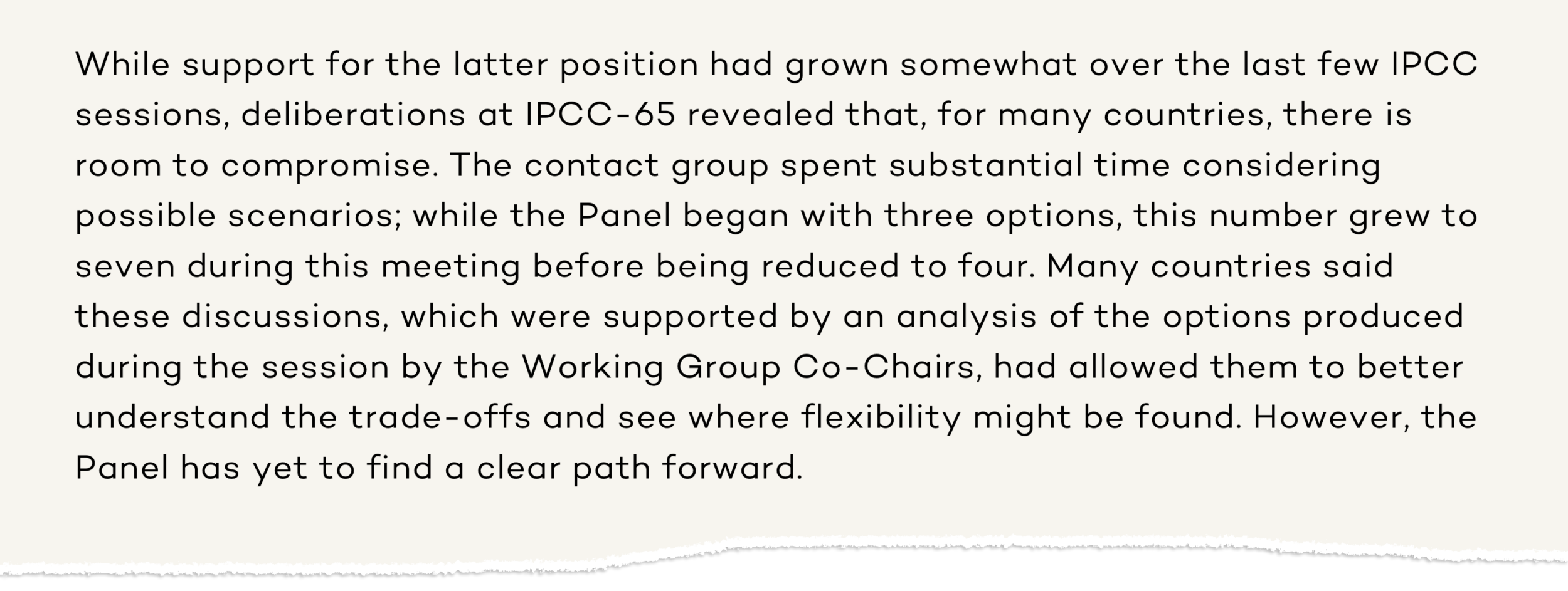
As fraught negotiations unfolded through the week, the number of options temporarily swelled to seven before being narrowed down to four, including a compromise proposal from Haiti. Ultimately, no consensus could be forged around a draft decision presented by the secretariat on Friday, leading to the suspension of the plenary.
A Severe Funding Crisis Threatens the IPCC Trust Fund
Inextricably tied to the deadlock over the AR7 timeline is an escalating financial crisis threatening the IPCC Trust Fund. Throughout the Addis Ababa summit, leadership and member states repeatedly highlighted the perilous state of the organization’s finances, which support author meetings, approval sessions, and travel for developing-country experts.
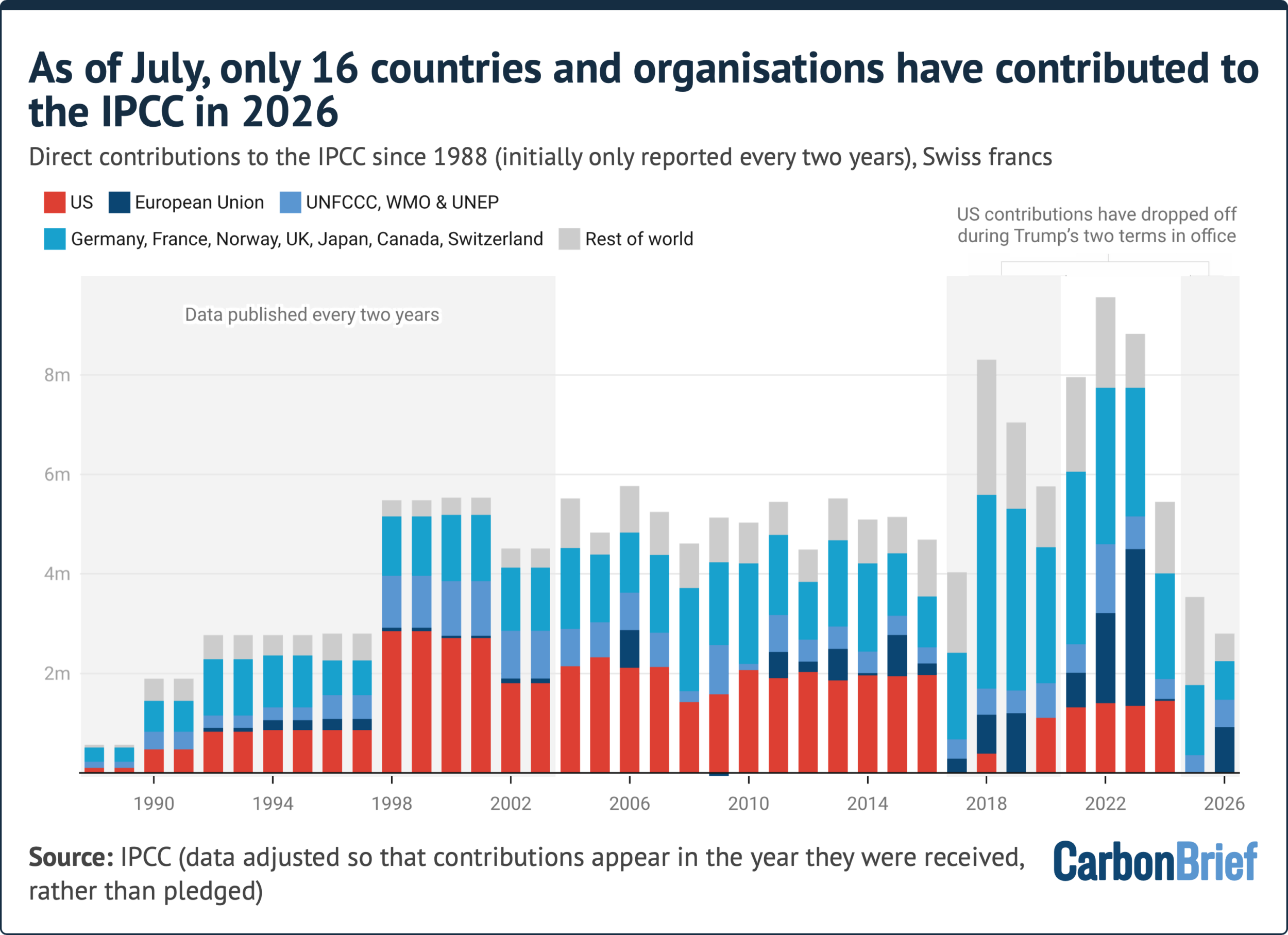
The secretariat presented a proposed budget for 2026–29 against a backdrop of growing annual deficits and a shrinking cash balance. Contributions in 2025 dropped significantly compared to 2023, while operational costs continued to climb. As of July, only 16 countries and international bodies had contributed financially for 2026, totaling roughly 2.8 million Swiss francs. Notably, the United States—historically the IPCC’s largest direct financial contributor—has not provided funding since 2024.
The proposed budget estimates that approximately 33 million Swiss francs are required to successfully complete the AR7 cycle. Without a substantial increase in voluntary contributions from member governments, the secretariat warned that the trust fund will be completely depleted by the end of 2028, halting the delivery of the assessment reports entirely.
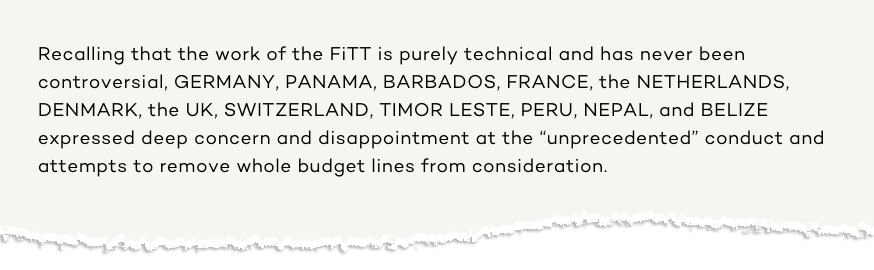
Budget discussions during the summit were heavily contentious. Delegations clashed over the work of the Financial Task Team (FiTT), with several European and Latin American nations accusing certain countries of holding hostage pre-agreed budget lines and threatening to block the budget entirely unless their conditions regarding the timeline were satisfied. India and Saudi Arabia countered that specific lines within the 2027 budget improperly favored an accelerated timeline. When Prof Skea attempted to secure approval solely for the 2026 and 2027 core budgets late Friday evening to keep the scientific work operational, Saudi Arabia, India, and Russia objected.
Scientific Community Reaction and Unresolved Governance Issues
The suspension of the plenary has drawn sharp rebukes from scientists and international observers. Nearly 120 authors currently drafting the AR7 reports released an open letter pledging to continue their rigorous work, emphasizing that the global community must not enter the second global stocktake without updated scientific assessments. Climate Analytics CEO Dr Bill Hare urged delegations to reconvene before the end of the year to secure planning security for volunteer authors and salvage the 2028 publication timeline.
Beyond the timeline and budget, the summit grappled with several other governance challenges. For the past four sessions, the IPCC has been unable to sign off on its meeting reports. Delegates debated how to properly record diverging views and handle the tone of meeting summaries. While countries like Belgium and France pushed for full transcripts and greater transparency regarding individual government positions, Saudi Arabia expressed concern that selective reporting distorts balance. A huddle led by IPCC vice-chair Prof Diana Ürge-Vorsatz yielded a preliminary agreement to group arguments by perspective for future summaries.
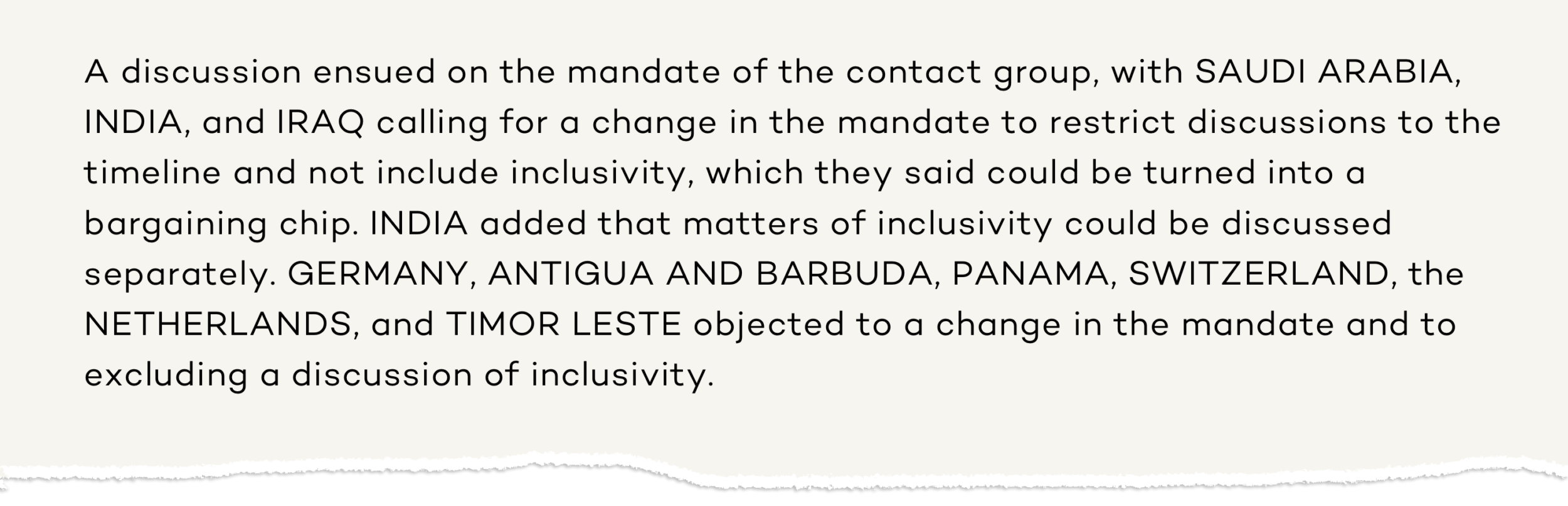
The panel also addressed emerging issues, including the responsible use of artificial intelligence in scientific assessments. Following a workshop earlier in the year, the bureau established an informal advisory group on AI, though several nations, including India and Russia, underscored the need for strict human oversight and transparency. Discussions regarding the expansion of the gender action team’s mandate to explicitly encompass broader diversity and inclusivity were deferred to the upcoming 66th session.
As the IPCC works to determine the date and location for its next plenary, leadership remains resolute in its mission to reschedule the suspended talks at the earliest opportunity, even as deep geopolitical divides continue to test the resilience of international climate science.